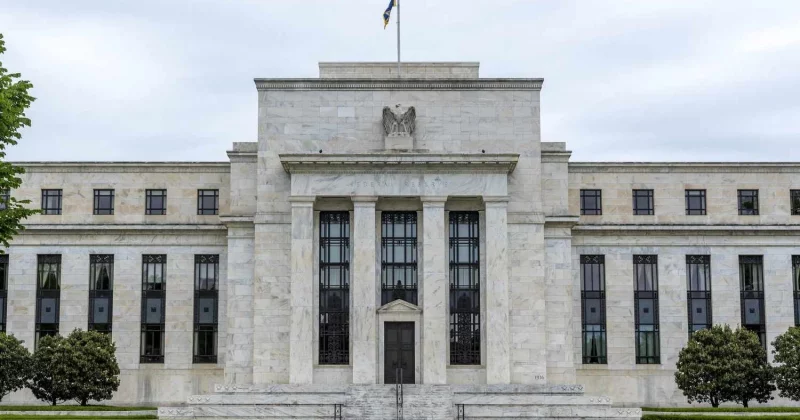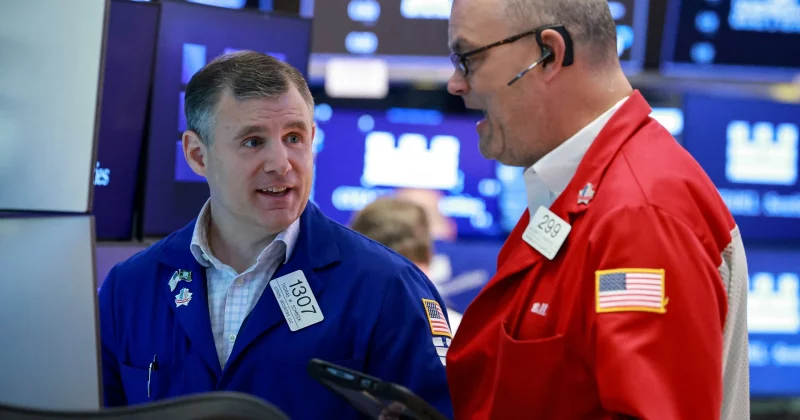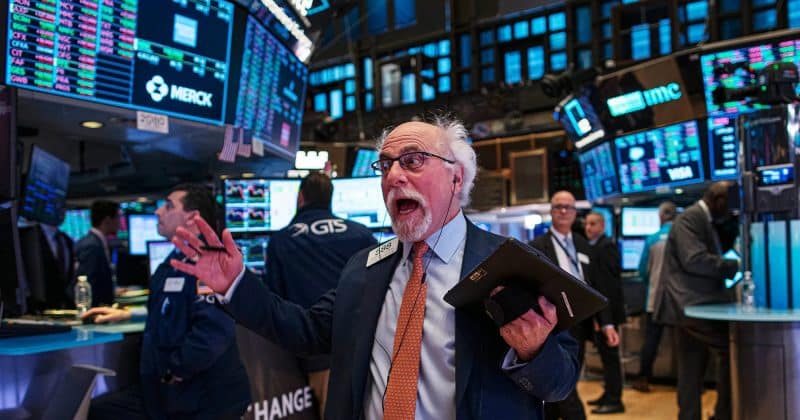
Weaker-than-forecast jobs data has prompted a recalibration of rate-hike expectations across financial markets, with traders now pricing in a lower probability that the Federal Reserve will tighten monetary policy further.
The jobs picture and what it signals
When job growth comes in soft, it suggests the economy might be cooling enough that the central bank doesn’t need to keep its foot on the brake. Strong hiring means workers have leverage, wages climb, and inflation stays sticky. That gives the Fed justification to keep rates elevated or push them higher. Weak hiring flips the script, making rate cuts, or at least a pause, more likely.
When August 2025 delivered a paltry 22,000 nonfarm payroll additions, bets on aggressive Fed rate cuts solidified almost overnight.
Contrast that with what happened earlier this year. On June 5, 2026, the Bureau of Labor Statistics reported 172,000 nonfarm payroll additions, nearly double the anticipated figure of roughly 80,000 to 85,000. The unemployment rate held steady at 4.3%. That stronger-than-expected print sent futures markets scrambling, with the probability of a Fed rate hike by December rising to approximately 60%.