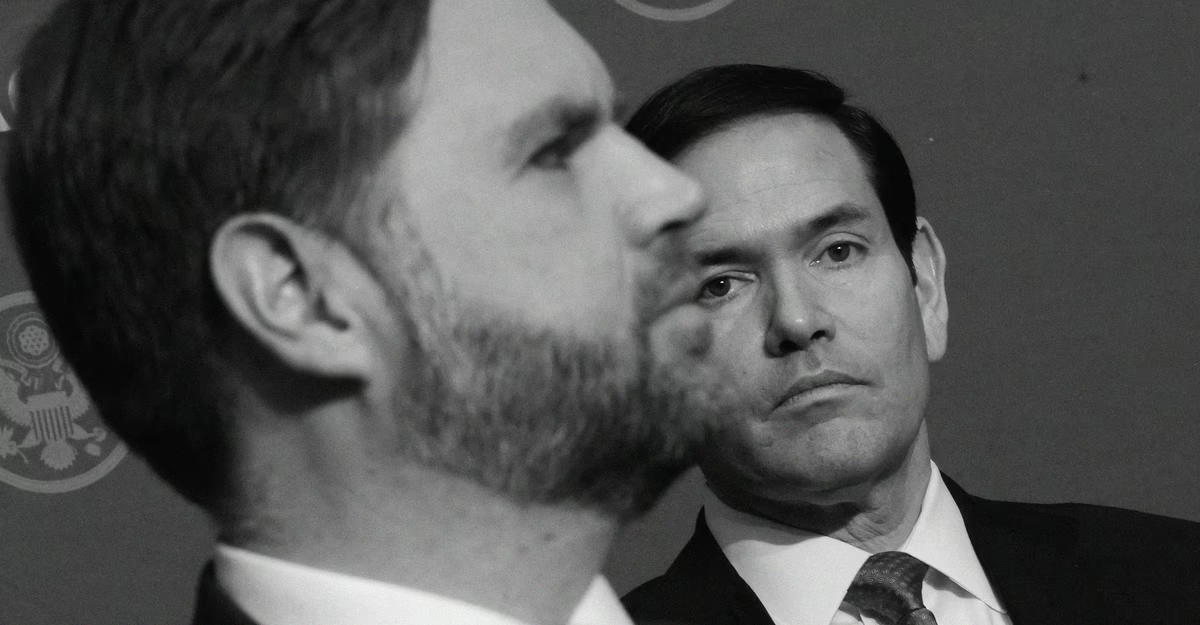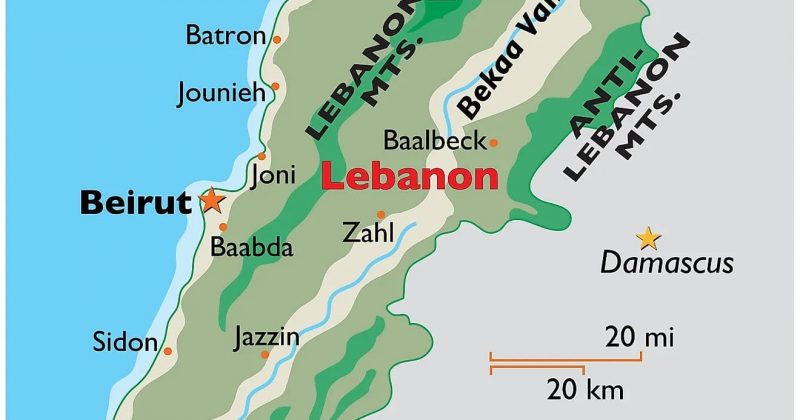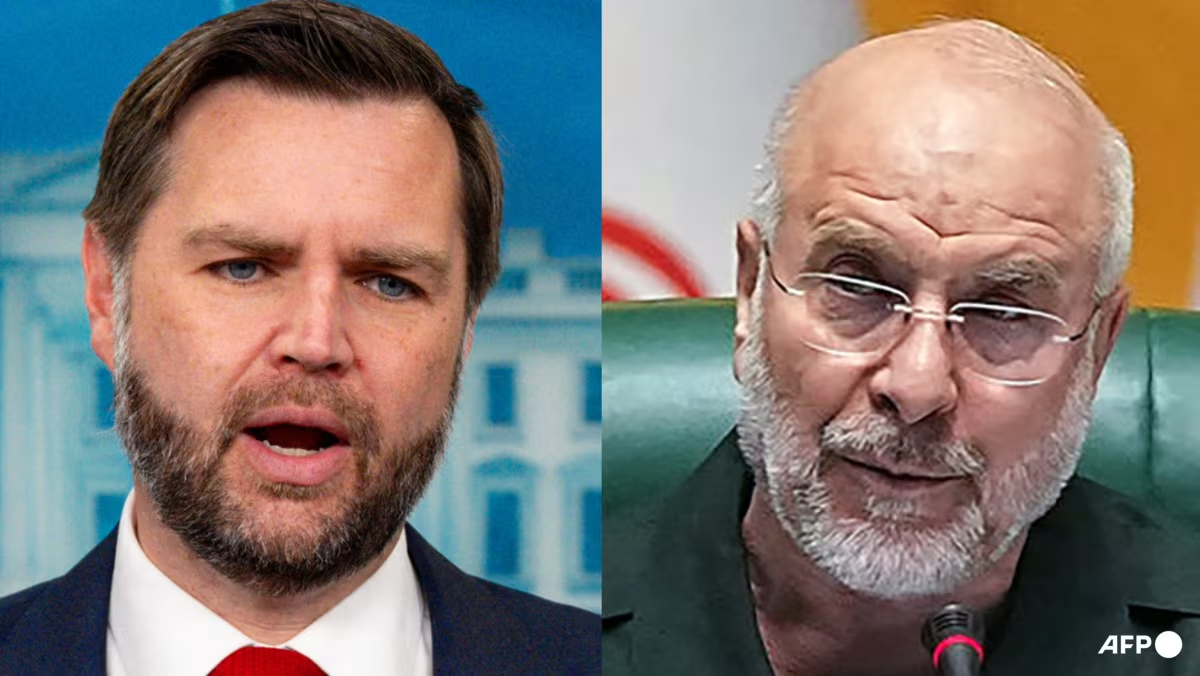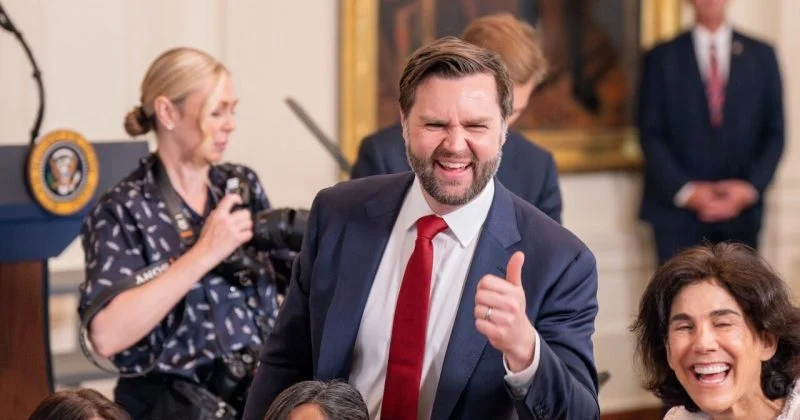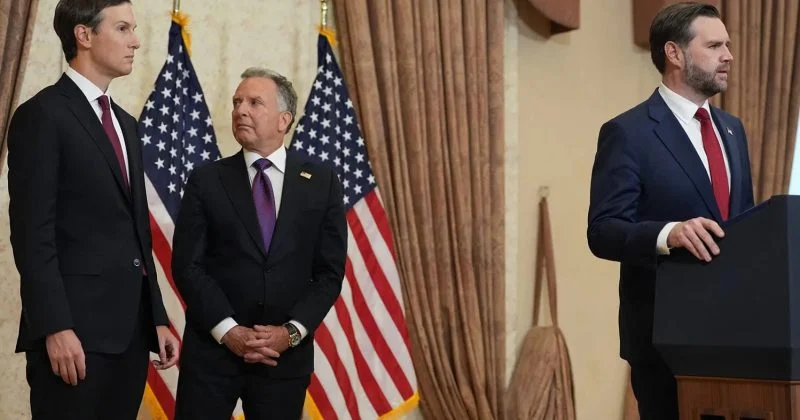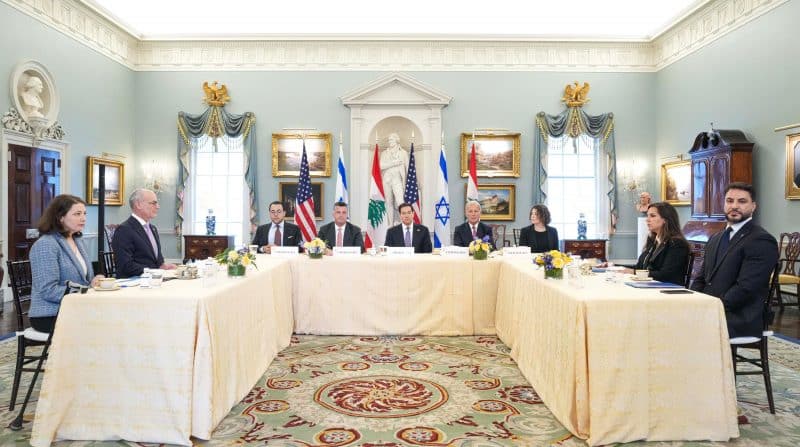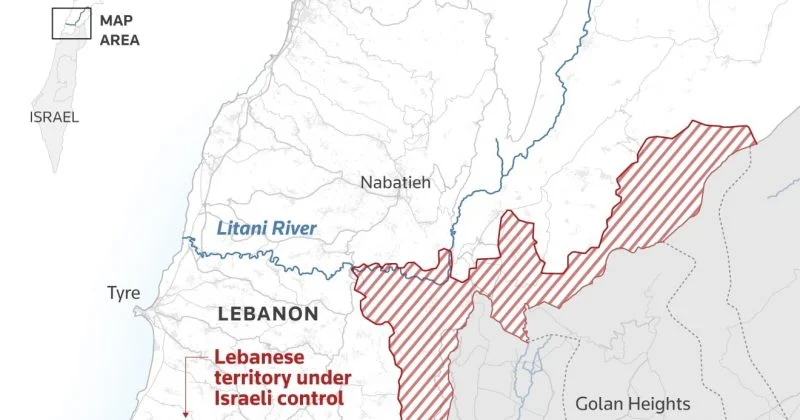
Iranian Parliament Speaker Mohammad Bagher Ghalibaf has pointed to differences between US officials, specifically Secretary of State Marco Rubio and Vice President JD Vance, as evidence of internal divisions within the United States. Ghalibaf alleged that the US is attempting to normalize relations between Lebanon and Israel while Iran is focused on maintaining Lebanon’s independence, a term used by Iran to denote Hezbollah’s influence in Lebanon. This statement comes amid ongoing tensions and a fragile ceasefire in the region, where Hezbollah, an Iranian ally, is engaged in conflict with Israel.
The market response reflects skepticism regarding imminent US-Iran diplomatic engagements. The probability of a US-Iran meeting by July 3, 2026, has declined significantly, with current pricing at 11.5% for a YES outcome. Recent developments, such as Ghalibaf’s remarks, appear to be contributing to this pessimism by highlighting potential diplomatic rifts that could impede progress on peace talks. The ongoing conflict and Iran’s emphasis on Hezbollah’s role further complicate the geopolitical landscape and influence market sentiment.
The backdrop of a joint US-Israeli military campaign against Iran and the mixed indications from US and Iranian officials are influencing market expectations. The diplomatic clash over Hezbollah’s involvement in Lebanon and the discrepancies between the US and Iranian agendas are key factors affecting the likelihood of upcoming peace talks. Market participants appear to interpret these developments as reducing the probability of a successful diplomatic meeting.