July 01, 2026
3 min read
Add topic to email alerts
Receive an email when new articles are posted on
Please provide your email address to receive an email when new articles are posted on .
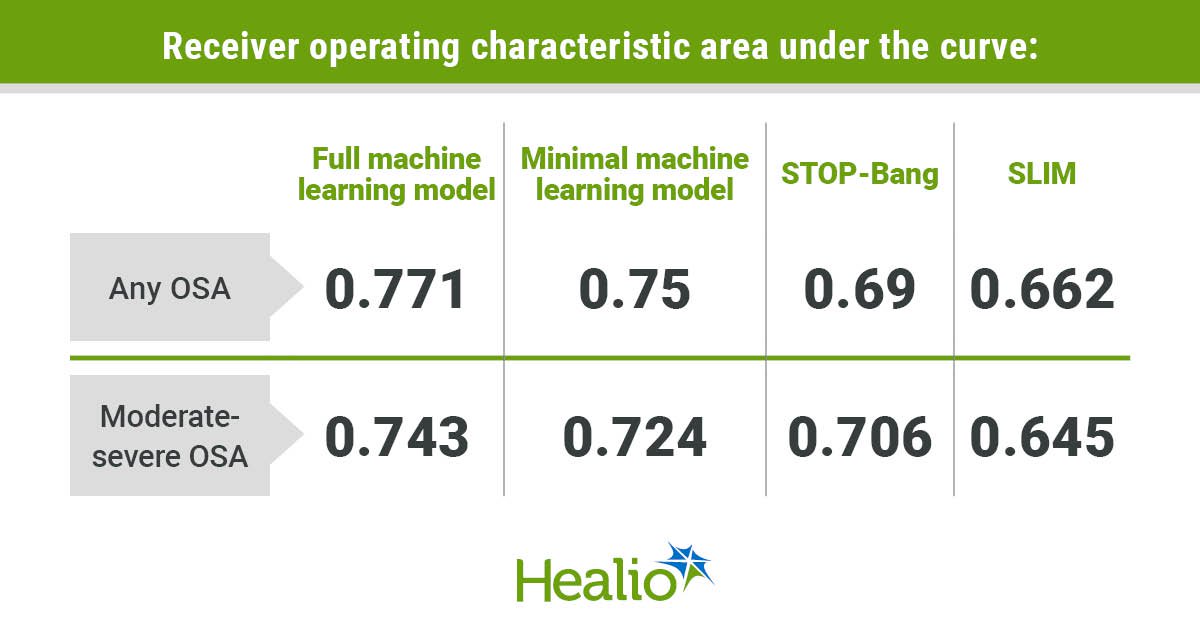
Machine learning models that use electronic health record data to predict obstructive sleep apnea had greater performance than two screening questionnaires, according to a poster presented at SLEEP 2026 Annual Meeting.“Because these models rely solely on pre-existing EHR data, the prediction output can run passively in the background for any given patient,” Nathanael H. Hwang,
July 01, 2026
3 min read
Add topic to email alerts
Receive an email when new articles are posted on
Please provide your email address to receive an email when new articles are posted on .
Use of AI-enhanced ECGs and electronic health records enabled researchers to distinguish people at high risk for out-of-hospital…
A machine learning tool that analyzes information already captured in a child's electronic health record helped pediatricians…

CHICAGO — An AI model using electronic health record data helped researchers narrow down who should be screened for primary…
Former professional football players with treated, untreated or suspected sleep apnea had a higher neuropsychiatric symptom…

Is your snoring just a nuisance, or is it a health warning? Obstructive Sleep Apnea (OSA) affects...
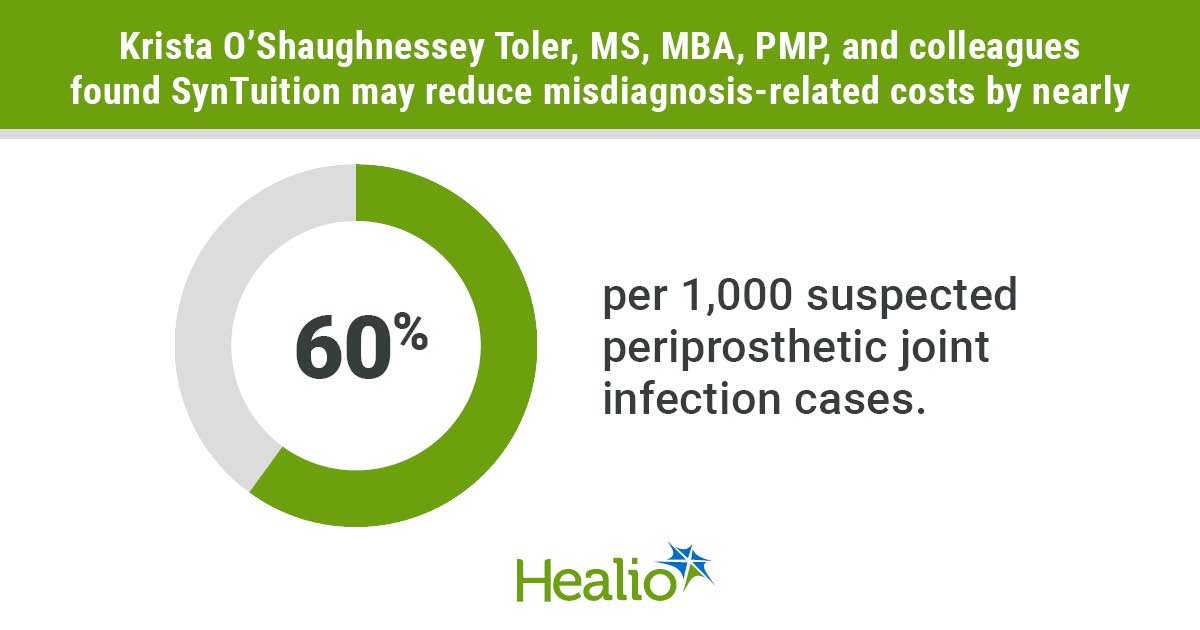
When diagnosing periprosthetic joint infection, a machine learning-driven probability score had high diagnostic accuracy and…