June 04, 2026
3 min read
Add topic to email alerts
Receive an email when new articles are posted on
Please provide your email address to receive an email when new articles are posted on .
Use of AI-enhanced ECGs and electronic health records enabled researchers to distinguish people at high risk for out-of-hospital cardiac arrest, according to data published in JACC: Advances. “There to date remains no established, validated approach for cardiac arrest screening in the general population,” Neal Chatterjee, MD, MSc, associate professor of medicine at the University of
June 04, 2026
3 min read
Add topic to email alerts
Receive an email when new articles are posted on
Please provide your email address to receive an email when new articles are posted on .
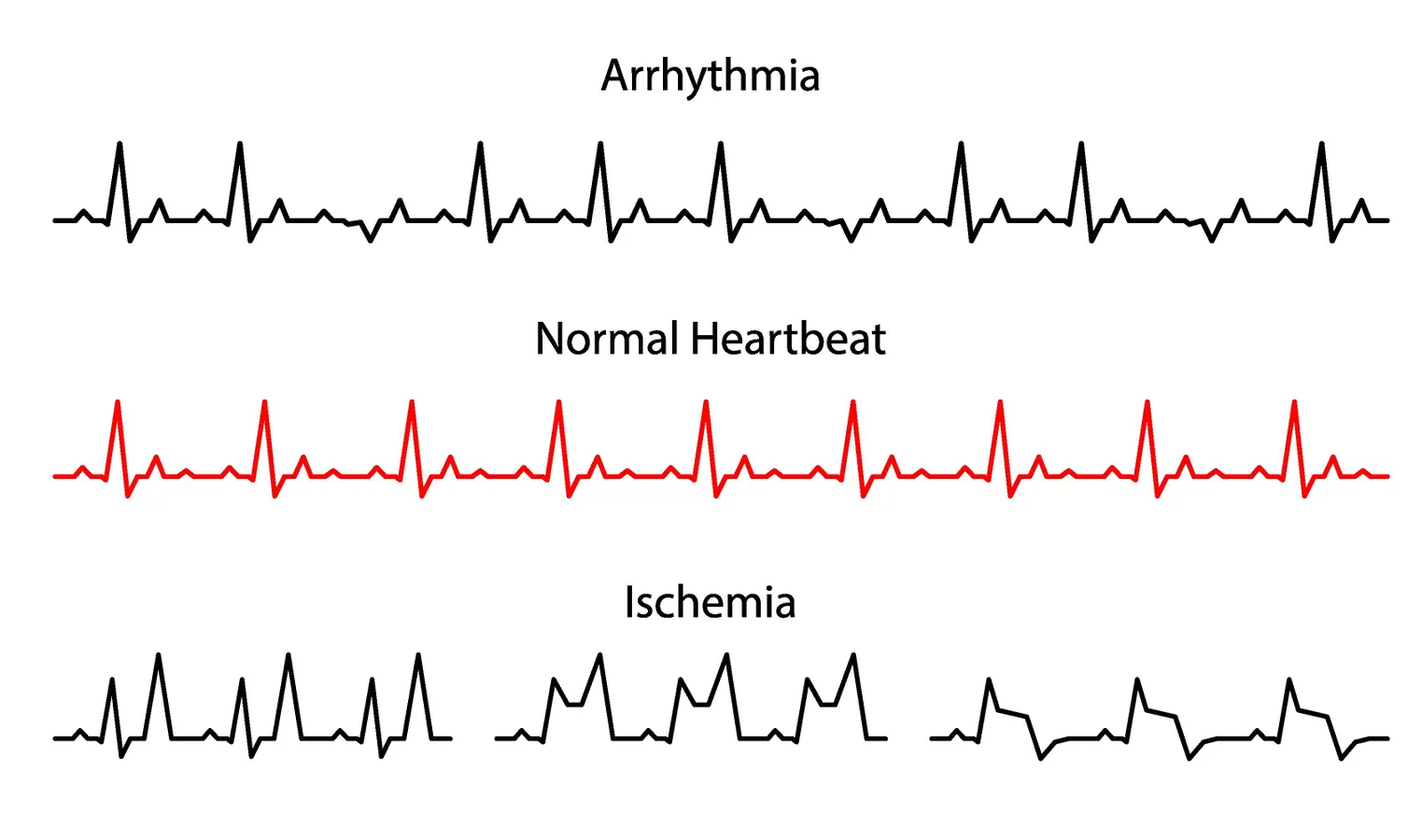
Researchers using medical AI have discovered a hitherto unknown pattern in the humble EKG that indicates an elevated risk for…
A UC Berkeley-led project trained an AI system on hundreds of thousands of EKGs. The resulting risk predictions are much better…
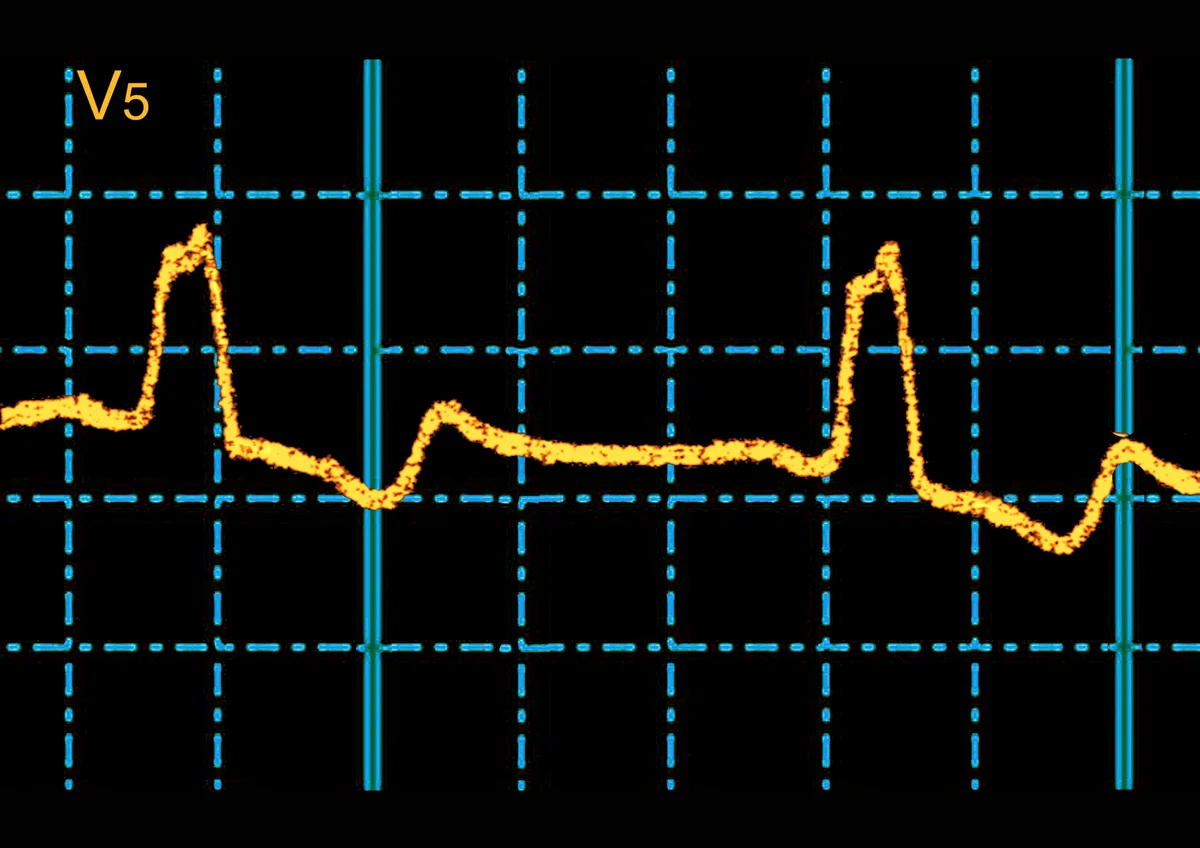
A new model flags people at high risk of sudden cardiac death from a routine ECG—and reveals a warning sign in the heart’s…
A wrist-worn device automatically detected induced cardiac arrest with a high degree of accuracy among patients undergoing…
A new study published in Nature uses artificial intelligence to identify people at high risk for sudden cardiac death, and…

CHICAGO — An AI model using electronic health record data helped researchers narrow down who should be screened for primary…