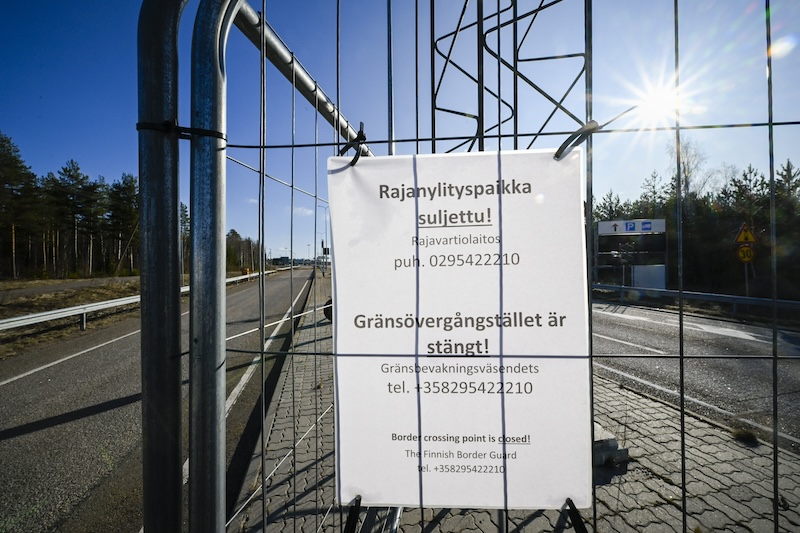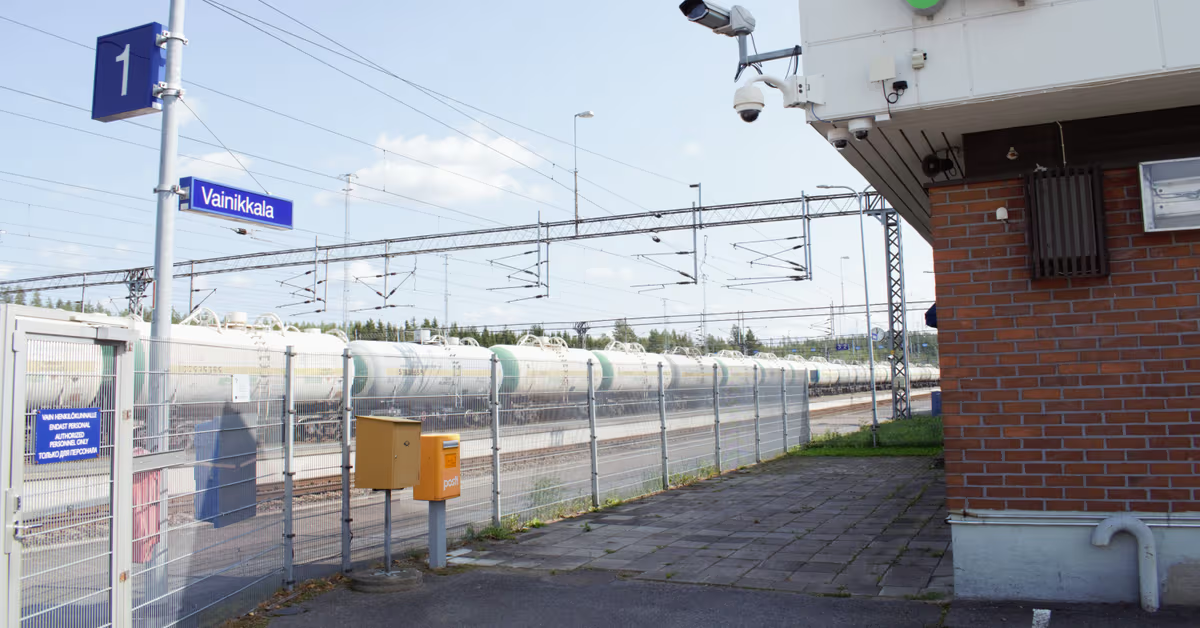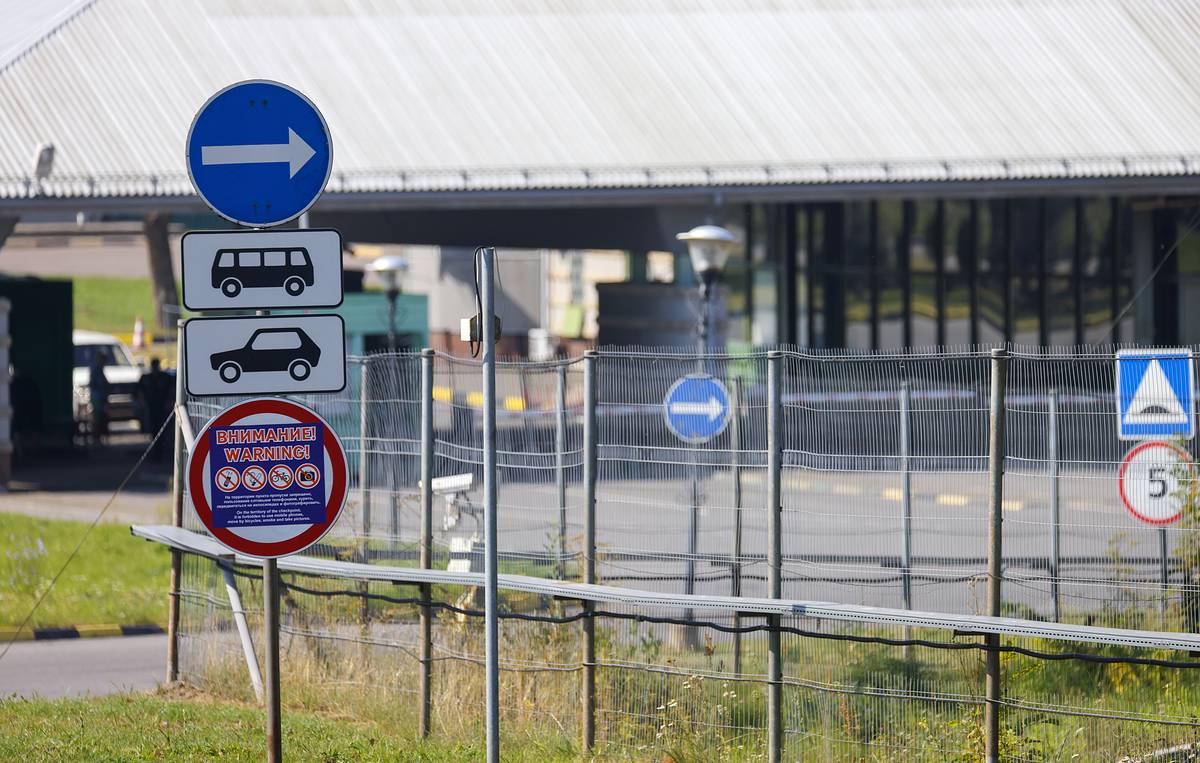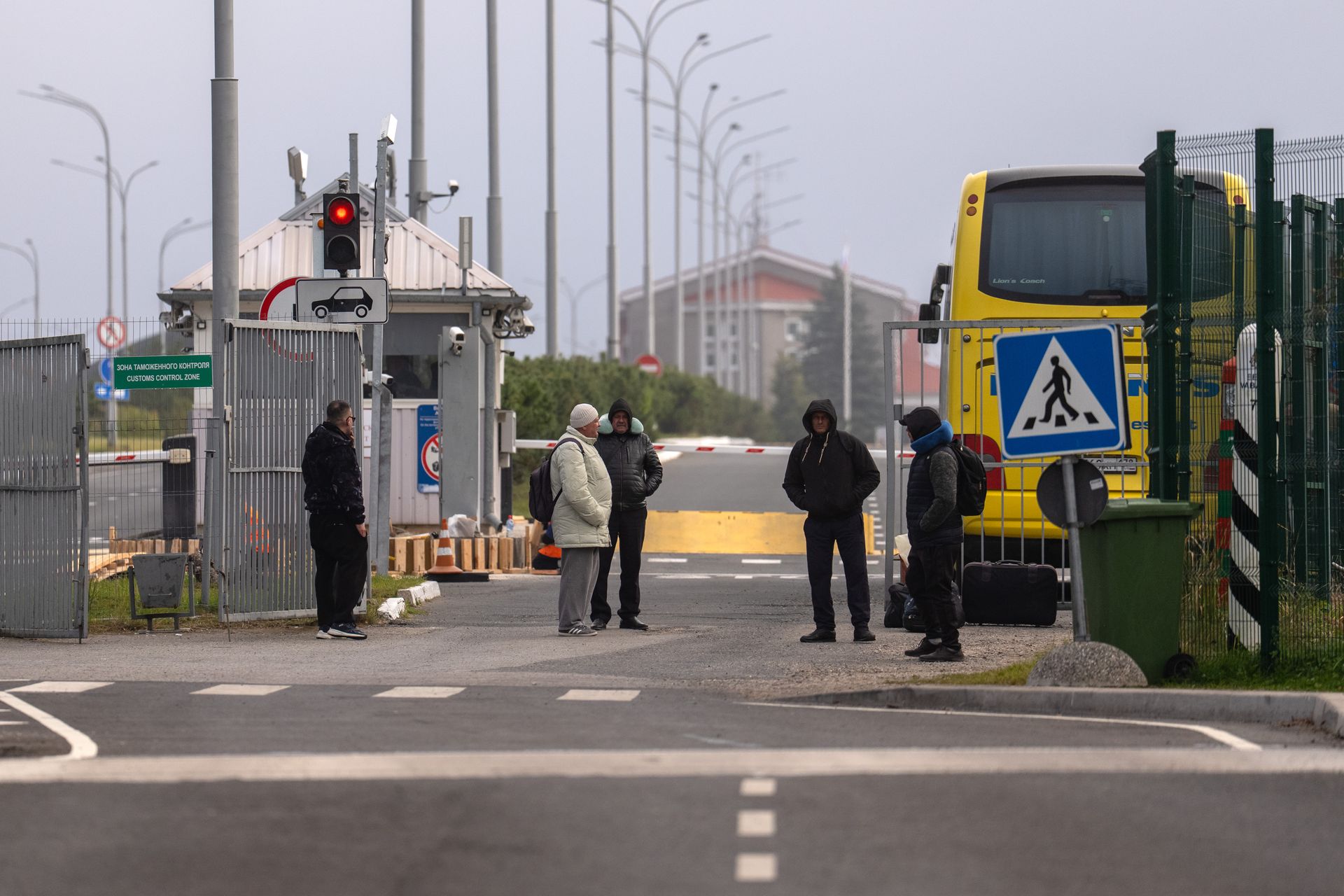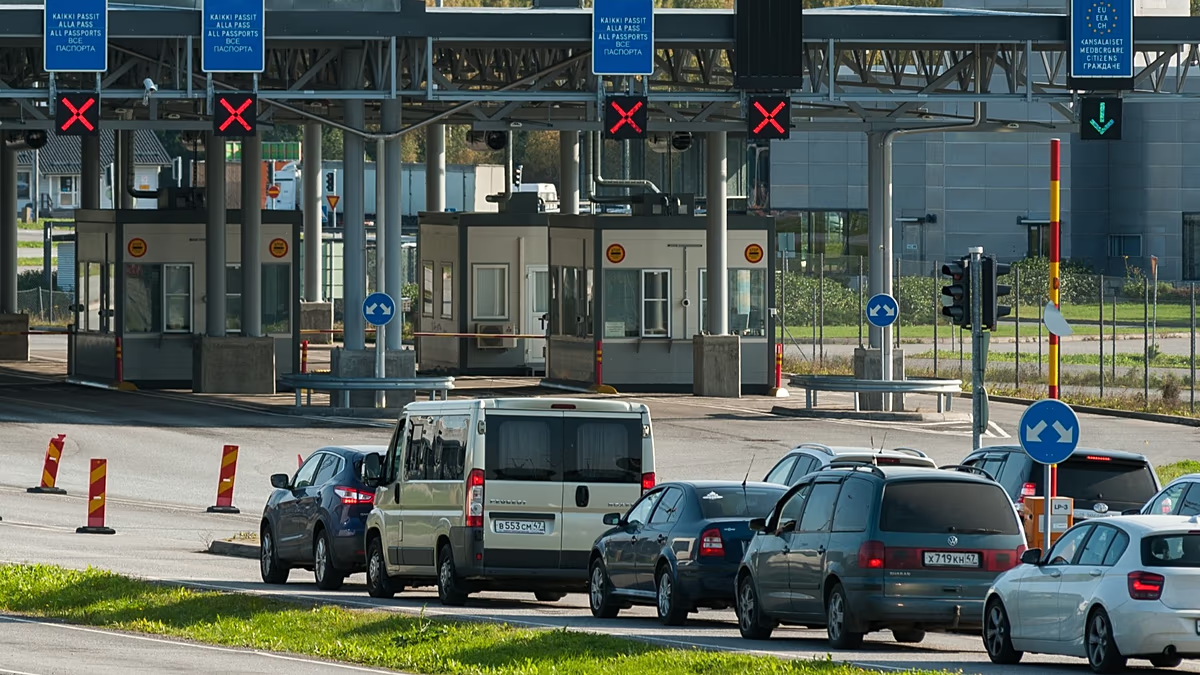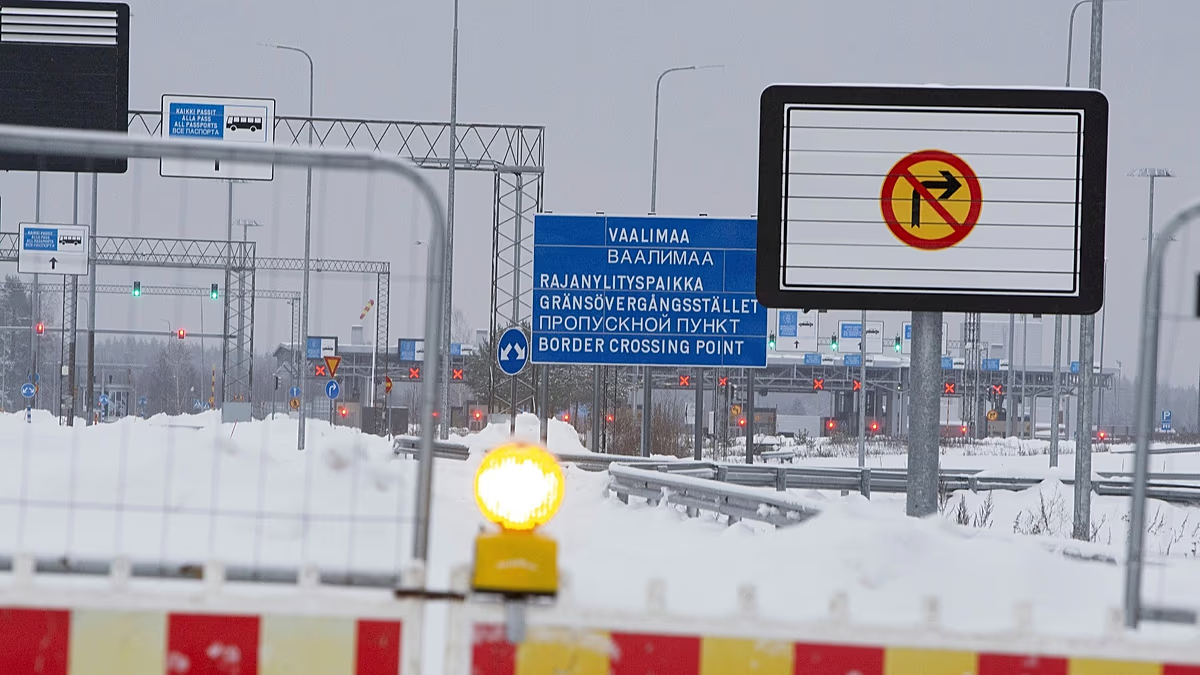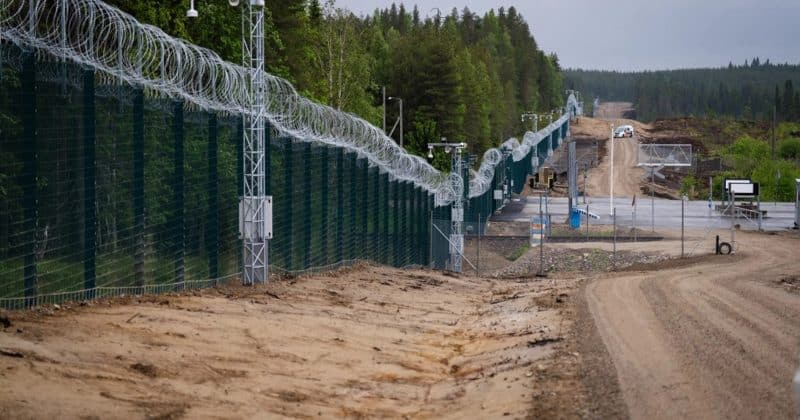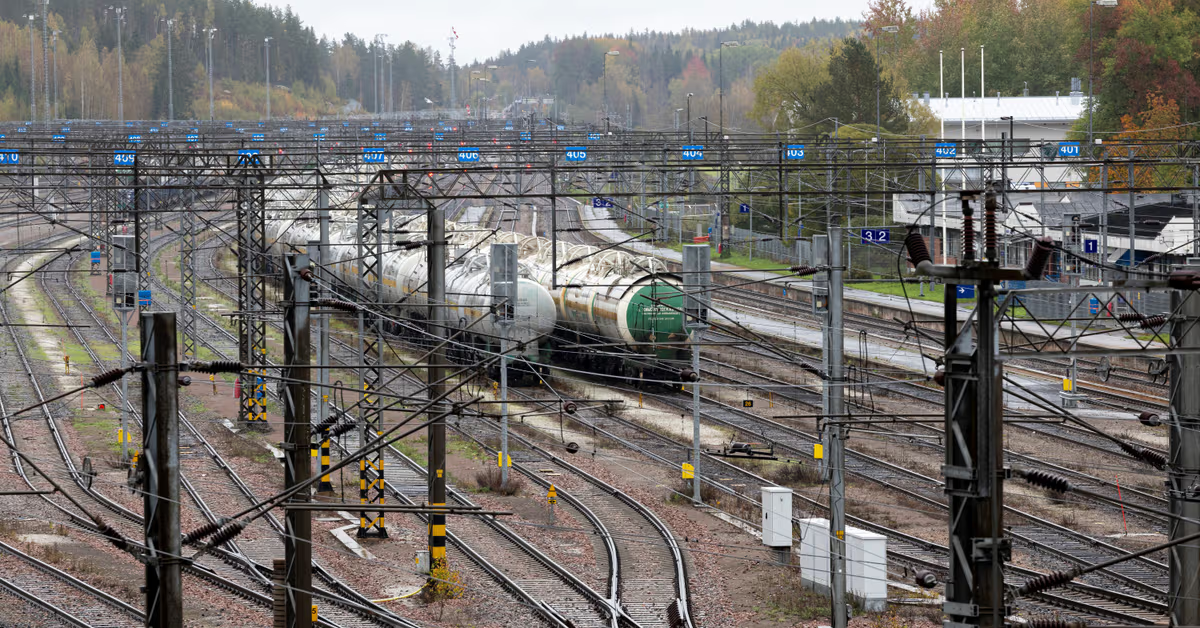
The decision could have a significant impact on Finland's agricultural sector, according to an industry spokesperson.The EU permitted the import of Russian fertilisers for food security reasons, despite Russia's invasion of Ukraine. File photo of the Vainikkala checkpoint. Image: Mikko Savolainen / YleYle News14:52Finland will no longer import mineral fertilisers from Russia by rail, according to a statement by the Fertilog consortium, a logistics and port services firm responsible for importing the minerals from Russia.The firm explained that a decision by Russian authorities, which came into effect on Wednesday 1 July, to raise tariffs on rail shipments to Finland means that costs will increase eightfold.This makes the importing of fertilisers by rail from Russia to Finland no longer commercially viable, Fertilog noted.The continued flow of Russian fertilisers into Finland has been a curious and controversial anomaly ever since Russia's invasion of Ukraine in February 2022. For food security reasons, the European Union had allowed the import of Russian fertilisers despite the invasion and ongoing war.The fertiliser imports were permitted to pass through the Vainikkala checkpoint on the Finnish-Russian border, while all other crossing points have remained closed to traffic since December 2023.Uncertainty growsWhile the decision to end the imports may seem to some to be long overdue, it will nevertheless create challenges for Finland's agricultural industry — which is already dealing with the rippling effects of the situation in the Strait of Hormuz.Mineral fertilisers are crucial to the Finnish agricultural industry because of Finland's climate and shorter growing season, meaning crops require an immediate and easily accessible supply of nutrients.Max Schulman, spokesperson for the Central Union of Agricultural Producers and Forest Owners (acronymed in Finnish as MTK), told Yle that the decision did not come as a surprise, but will make domestic agricultural production more difficult.He noted that fertilisers imported from Russia have previously accounted for about 10–15 percent of Finland's overall fertiliser imports.Ukraine's drone strikes on Russia's fertiliser production during the spring may be one reason behind Russia's decision to increase the tariff, Schulman further added.Russian authorities ordered the temporary closure of several checkpoints along its borders with Finland, Estonia and Latvia, also effective from Wednesday 1 July.
Finland stops importing fertiliser from Russia by rail
The decision could have a significant impact on Finland's agricultural sector, according to an industry spokesperson.
359 words~2 min read