Jurisprudence
July 01, 20265:40 AM
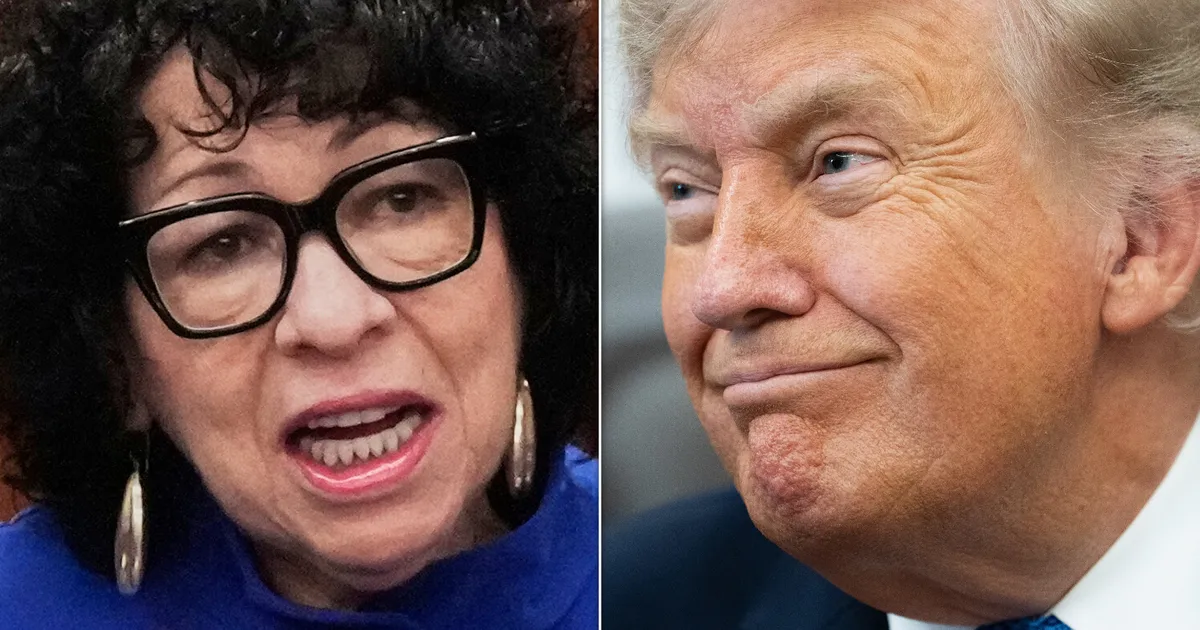
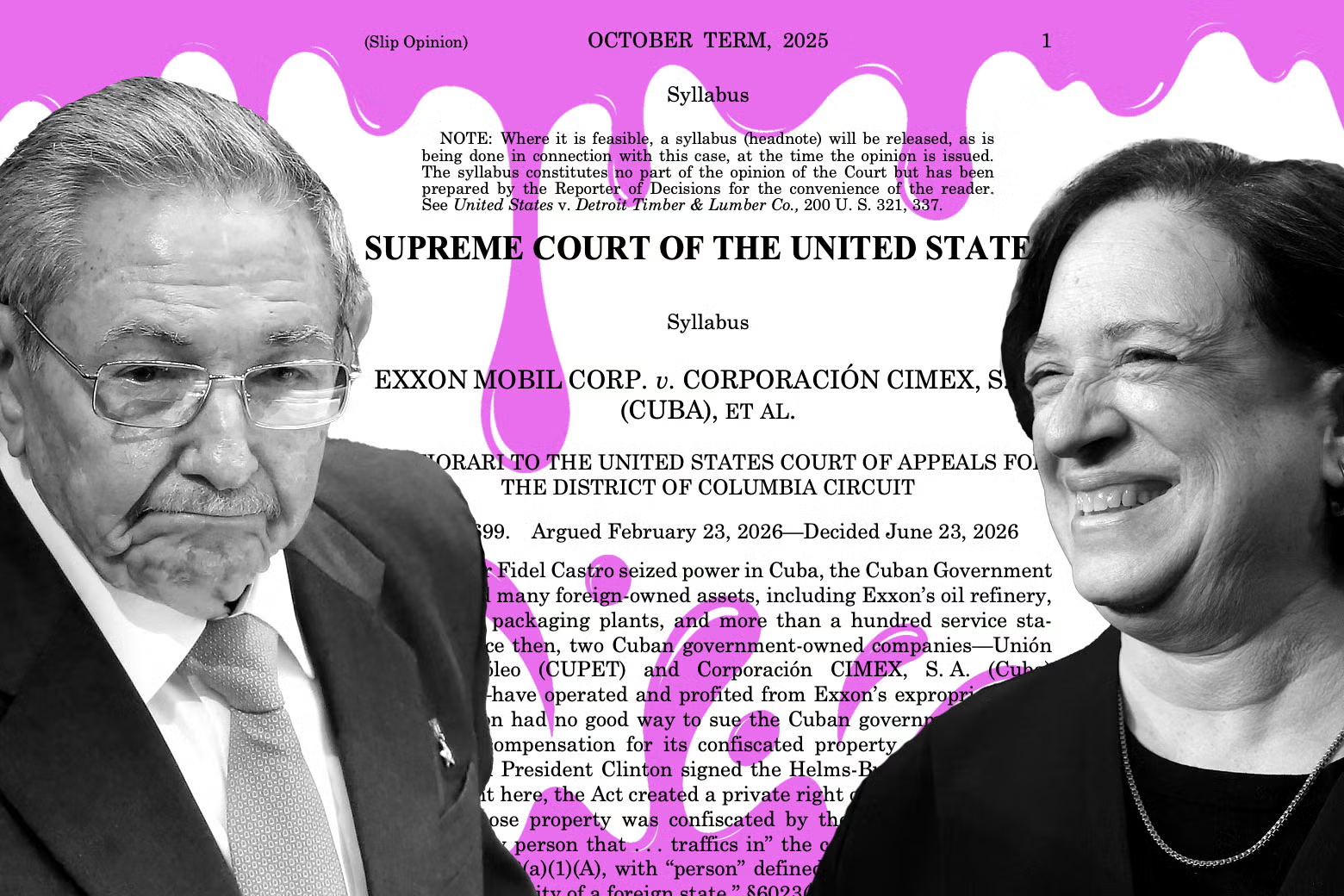
Photo illustration by Slate. Images via Alexandre Meneghini/Pool/Getty Images, Win McNamee/Getty Images, and Balora/iStock/Getty Images Plus.
This is part of Opinionpalooza, Slate’s coverage of the major decisions from the Supreme Court. Keep up with all of our Supreme Court coverage and analysis by signing up for weekly email roundups. The best way to support our work—and unlock exclusive legal analysis—is by joining Slate Plus. (If you are already a member, consider a donation or merch!)
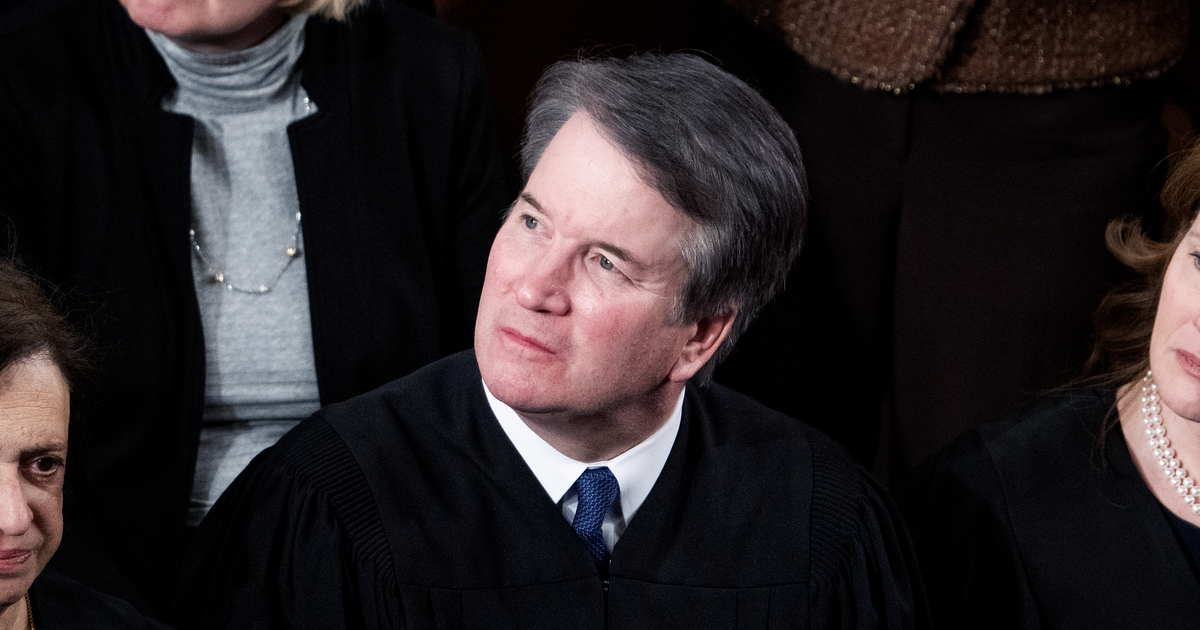
The Supreme Court issued a 6–3 decision along partisan lines last week in Exxon v. Cimex, about the U.S. legal system’s relationship to Cuba. In an opinion by Justice Brett Kavanaugh, the court held that a 1996 statute allows major corporations like Exxon Mobil to bring billion-dollar lawsuits against Cuban entities that they allege used their property. The court reached this decision even though these types of claims have been historically barred because of a foreign country’s sovereign immunity. Cimex was the second in a duo of cases about Cuban independence and corporate power, building off another case about cruise ships in Havana from the week before. The court’s mini “Cuba docket” offers us unexpected insights about Justice Elena Kagan, the only justice to hold the line on both cases, including her first-ever solo dissent in her 16 years on the bench. These cases also show how the conservative justices are reflexively comfortable giving corporations rights to sue in ways that mirror the Trump administration’s foreign policy goals while at the same time blocking so many actual human beings from legal remedies.