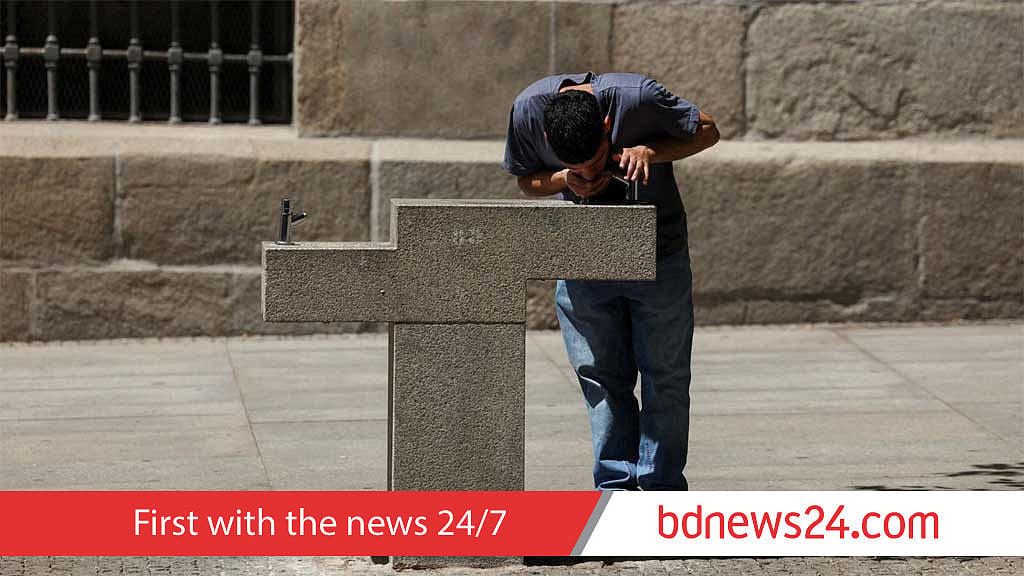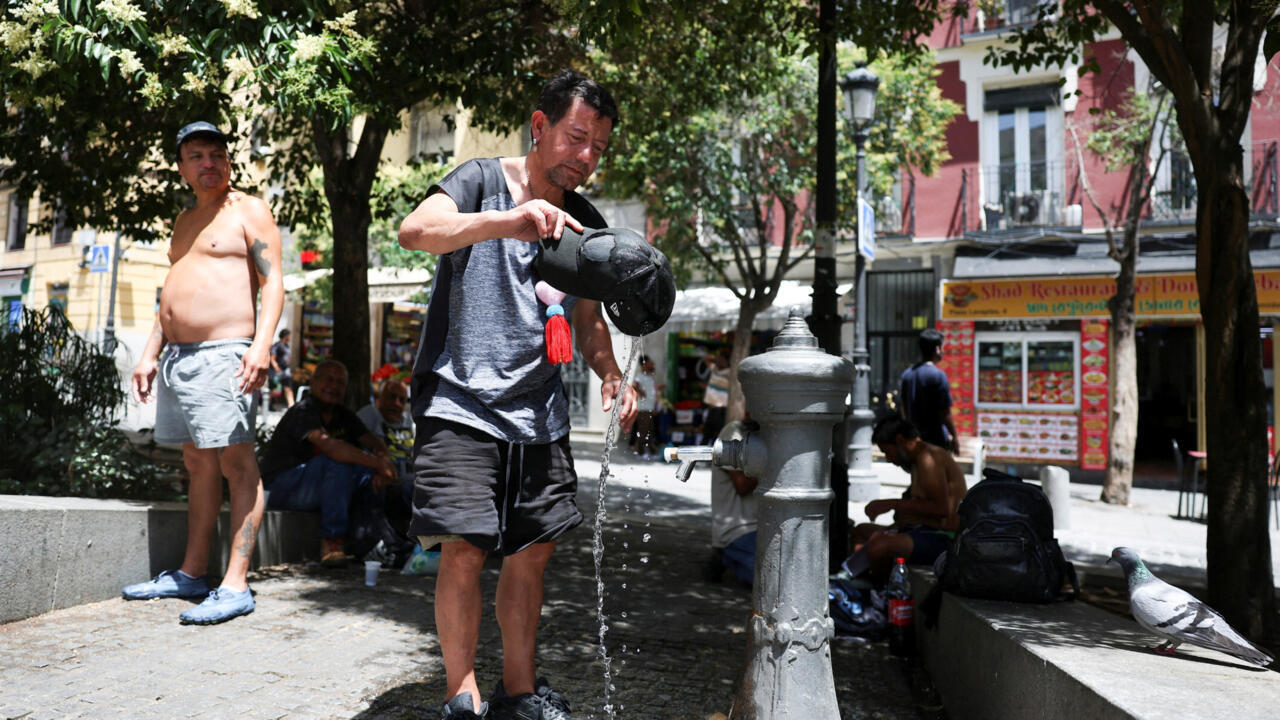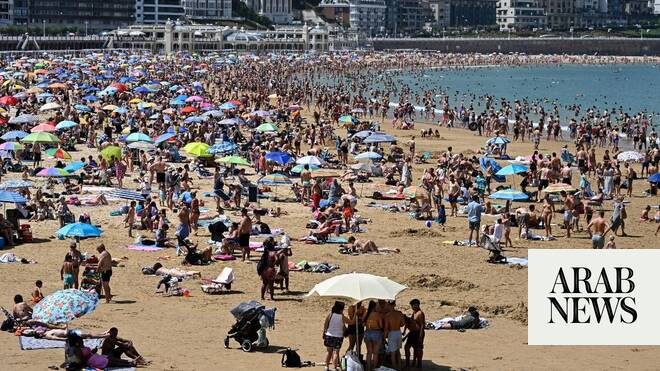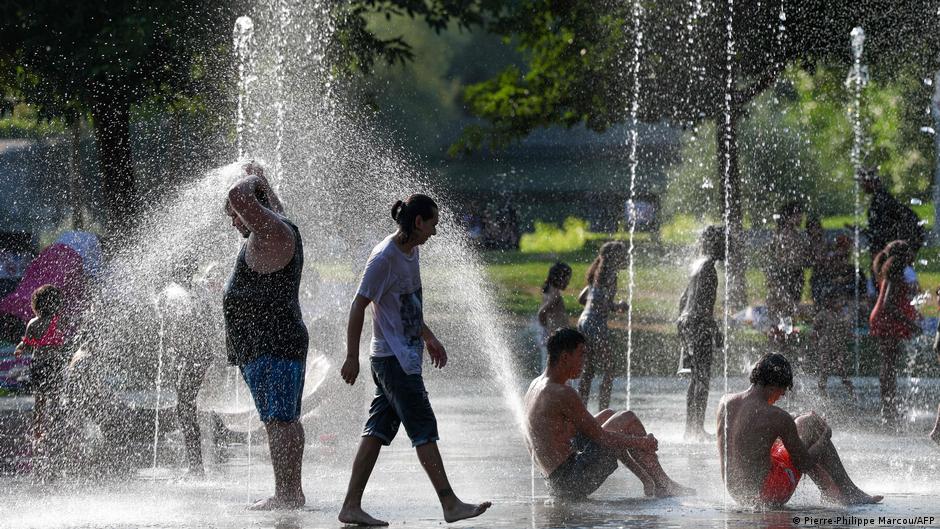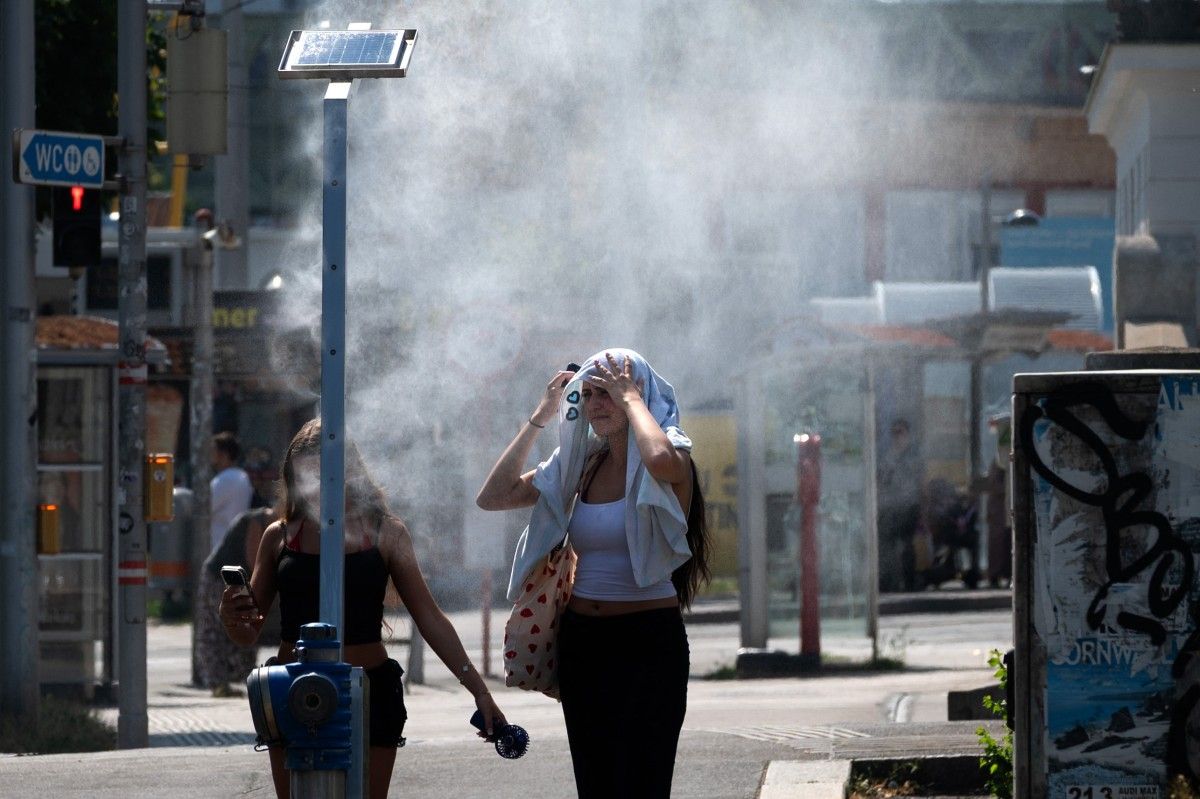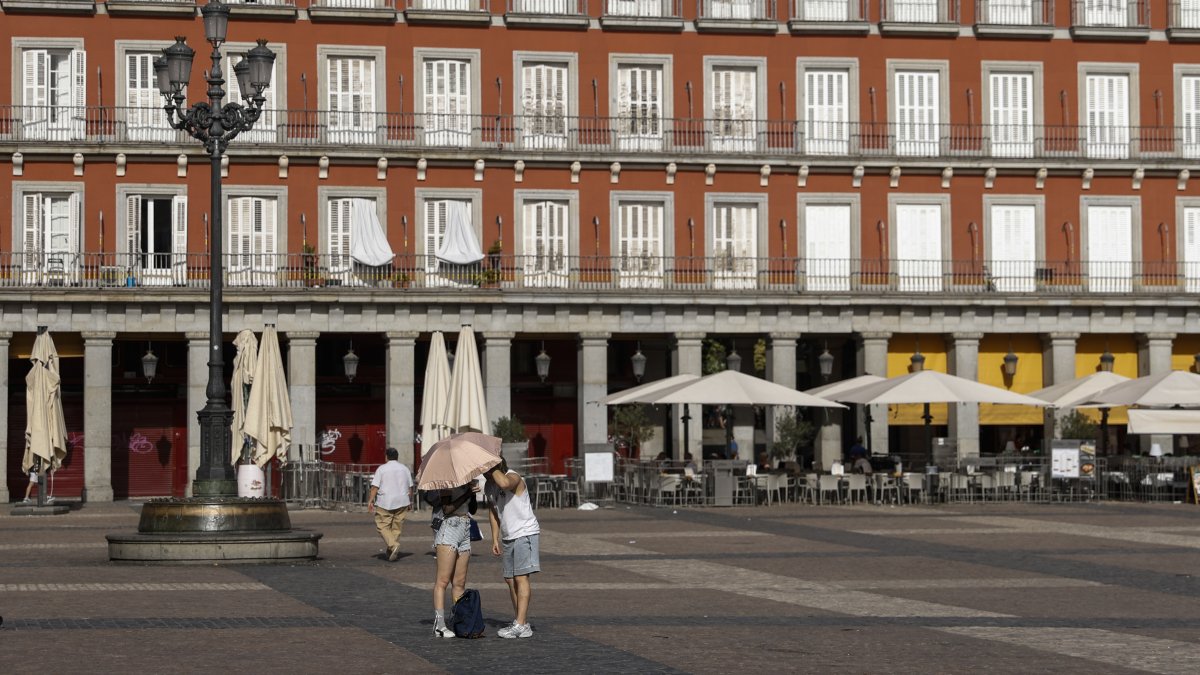
Spain’s Health Ministry attributed at least 1,028 deaths in June to extreme heat, surpassing the previous June record of 1,000 deaths in 2017, according to data released Wednesday.
The data from the Carlos III Health Institute and the ministry’s daily mortality monitoring system (MoMo) showed that the majority of victims were elderly, with 1,022 of the deaths occurring in people aged 65 or older, including 720 aged 85 and above. Only one death was recorded in a person younger than 15.
The spike in fatalities began around June 21, coinciding with the onset of a record-breaking heat wave and continued through the month’s end. The highest death tolls were concentrated in Spain’s Mediterranean and northern regions, such as Catalonia (218 deaths) and the Basque Country (147), where communities are typically less acclimatized to prolonged extreme heat.
June’s extreme temperatures marked Spain’s second-warmest June since records began in 1961, with the national weather agency AEMET reporting an average temperature 3.2 degrees Celsius (5.8 degrees Fahrenheit) above the 1991-2020 average. Only June 2025 was warmer.
According to AEMET, "the 13 warmest Junes since 1961 have all occurred in the 21st century," underscoring a clear long-term warming trend. Spokesperson Ruben del Campo noted that heat waves now appear "with a higher frequency than before" at the start of summer.