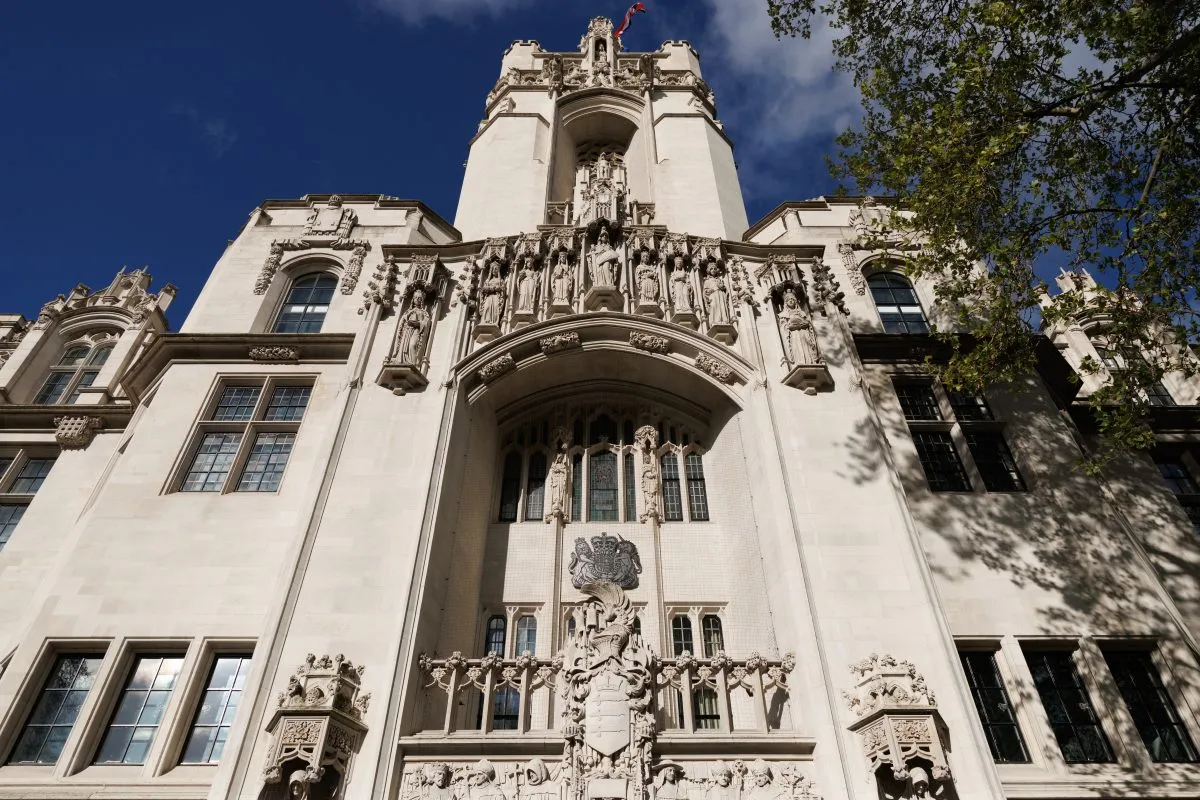
BlueCrest Capital Management, the hedge fund founded by billionaire Michael Platt, lost a £200M tax fight with HM Revenue and Customs at the UK Supreme Court. Its response was not a polite nod of acceptance but a broadside against the entire country’s business climate.
The firm declared the UK is “no longer a serious contender” for business. Coming from one of Europe’s most prominent hedge funds, that’s not idle grumbling. It’s a flare signal to every financial firm weighing whether London is still worth the trouble.
What the case actually decided
The dispute centered on something called the “salaried members rules,” a set of provisions that determine whether members of a limited liability partnership should be taxed like employees or like self-employed partners. In English: HMRC argued that BlueCrest’s senior traders were effectively employees wearing a partnership costume, and should be taxed accordingly.
BlueCrest disagreed, maintaining that its members exercised genuine influence over the firm’s affairs and therefore qualified as true partners for tax purposes. The distinction matters enormously. Employee status means PAYE income tax and National Insurance contributions, which can dramatically increase the tax bill compared to self-employed treatment.