Digital, or cryptocurrencies, were supposed to revolutionize the way we pay for goods and services. Yet in 2026, when you walk into a store or buy something online, you still reach for cash or your card.
Bitcoin's volatility and complexity have kept it from becoming everyday money. That is where the European Central Bank (ECB) steps in with plans for a stable digital currency.
For consumers, the digital euro promises a simple way to make secure payments — in shops, online or peer‑to‑peer — backed directly by Europe's central bank.
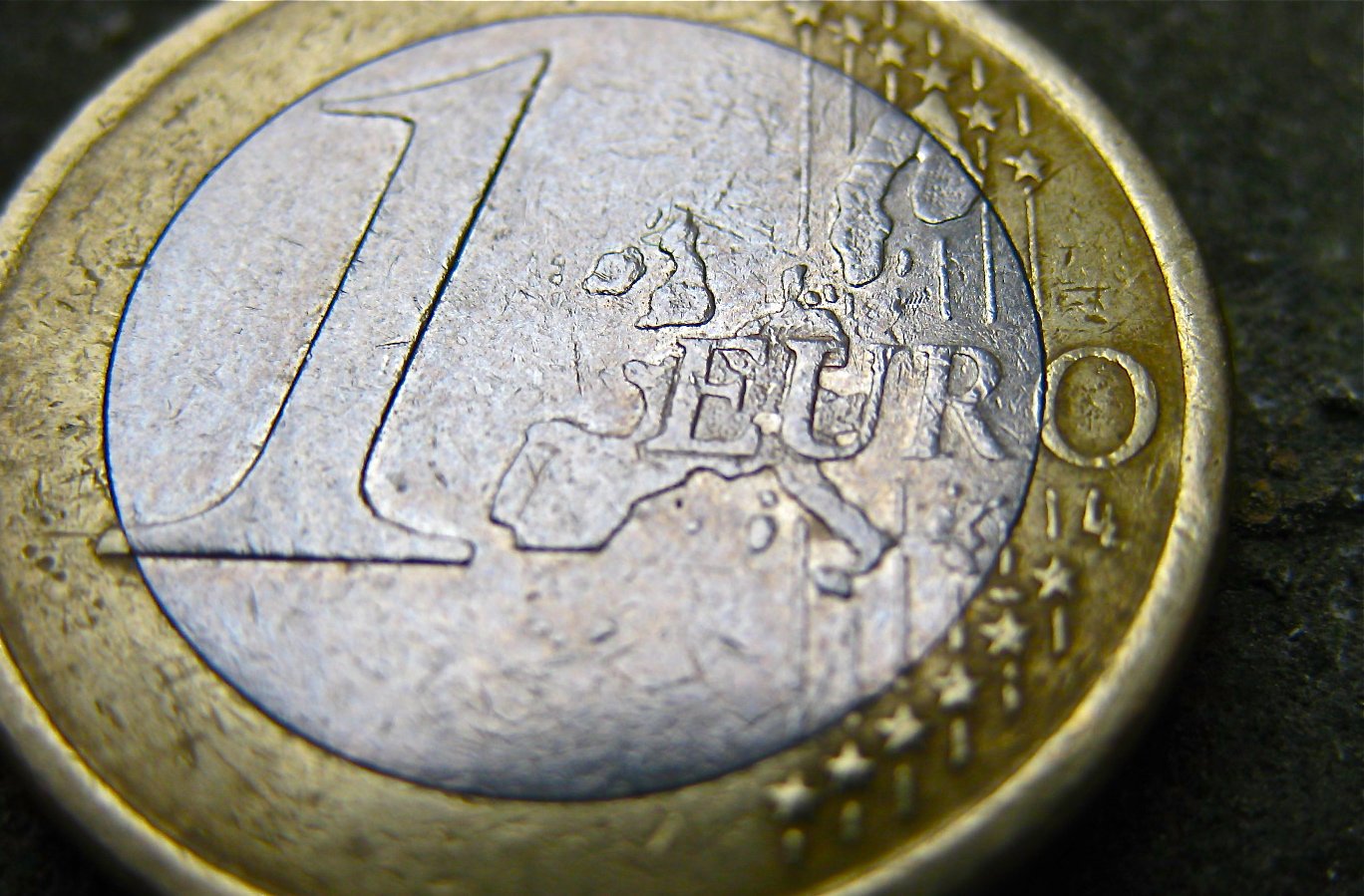
Yet the push for a digital euro isn't just a digital upgrade. It's increasingly become a geopolitical necessity.A pilot of the digital euro could begin next year, with a full rollout in 2029Image: Daniel Kalker/picture alliance
Currency sovereignty in a shifting world