By
DAN FRIO of Edmunds
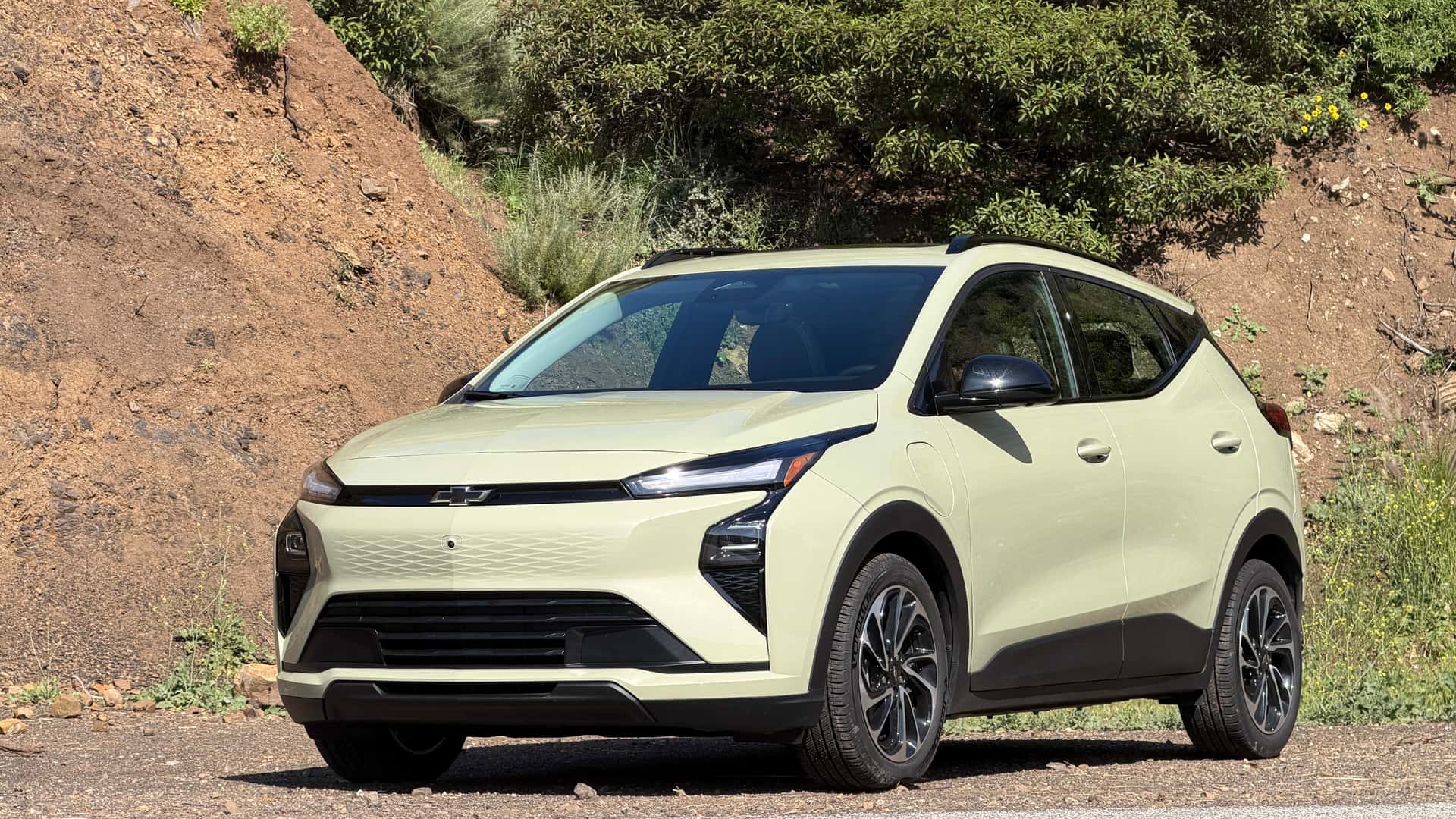
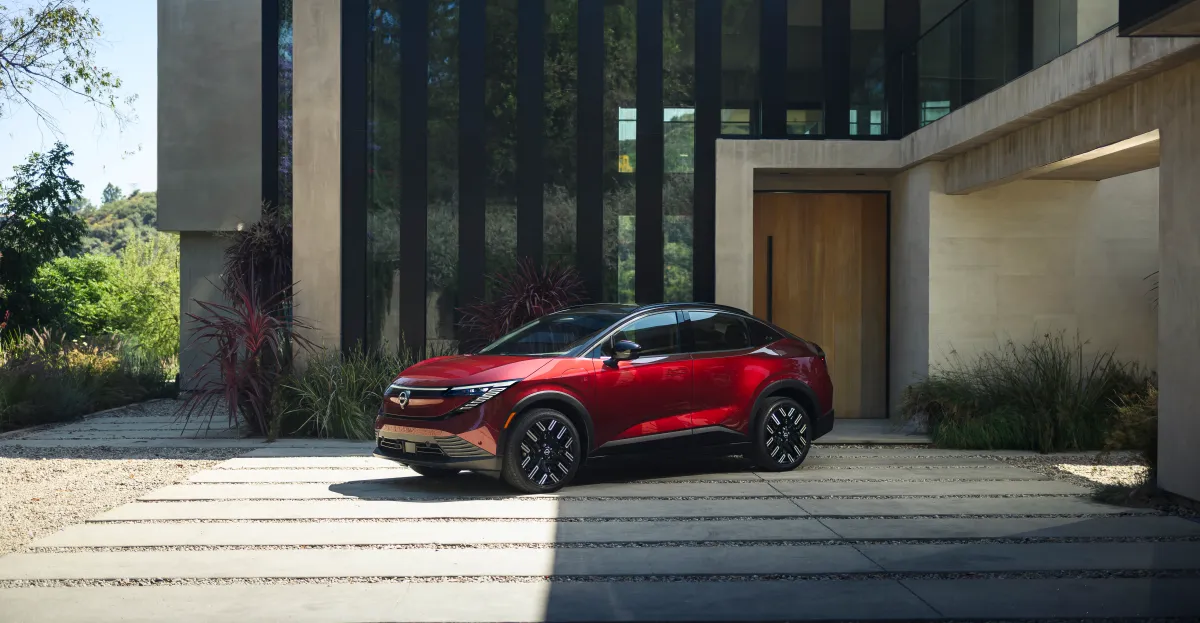
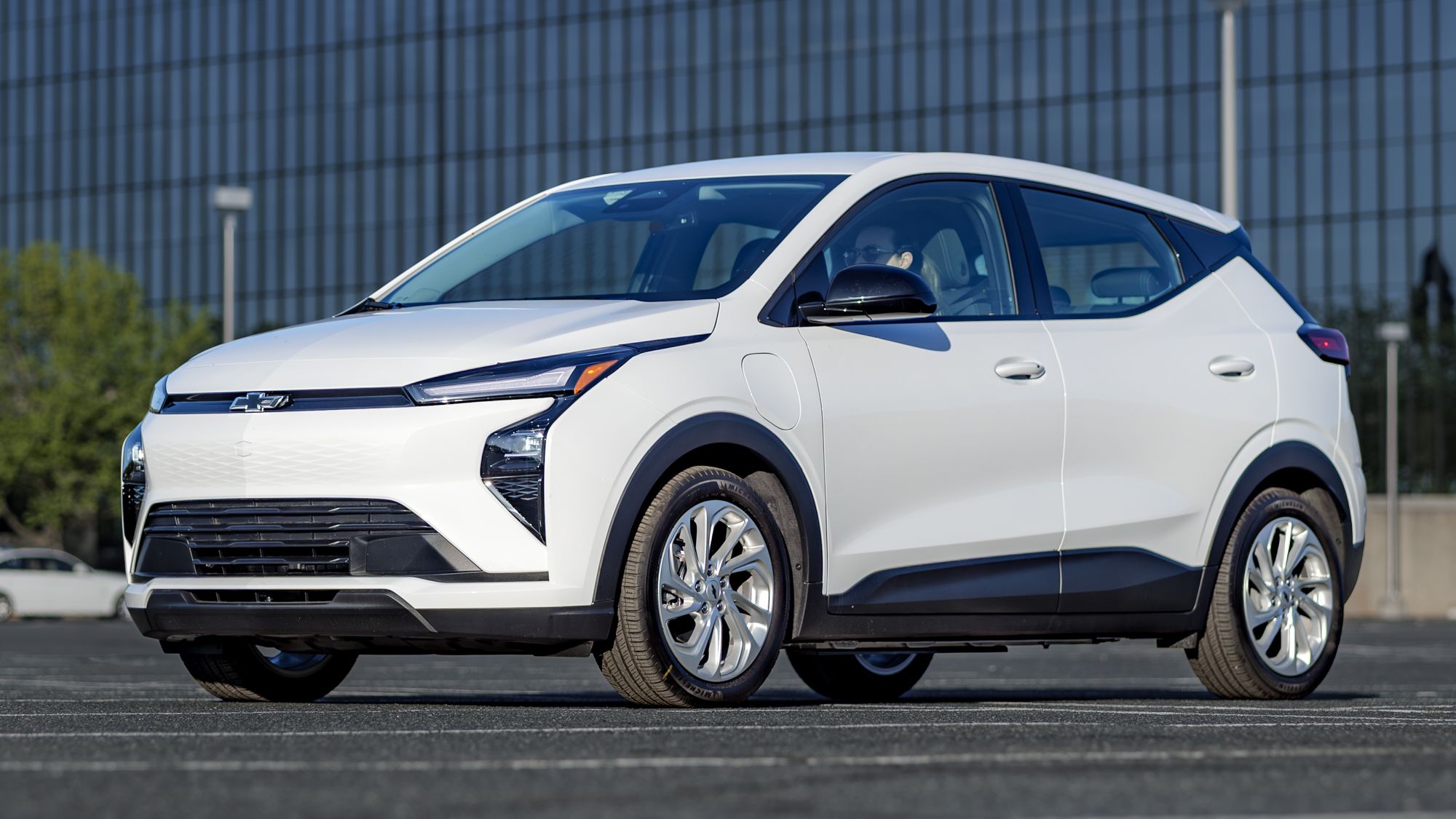
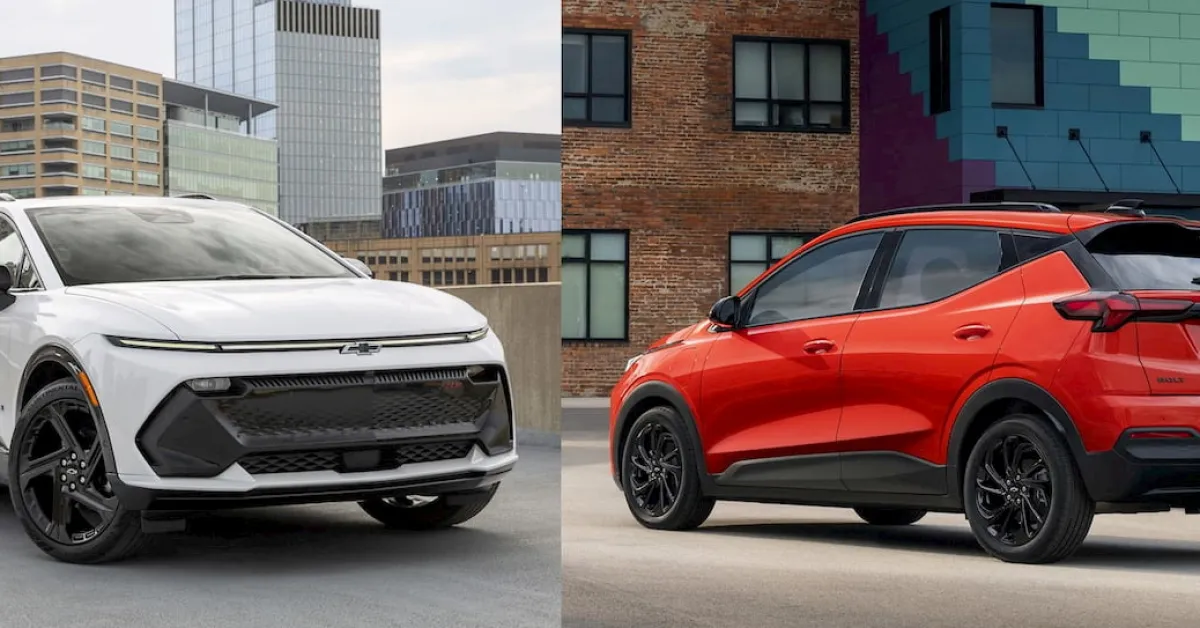
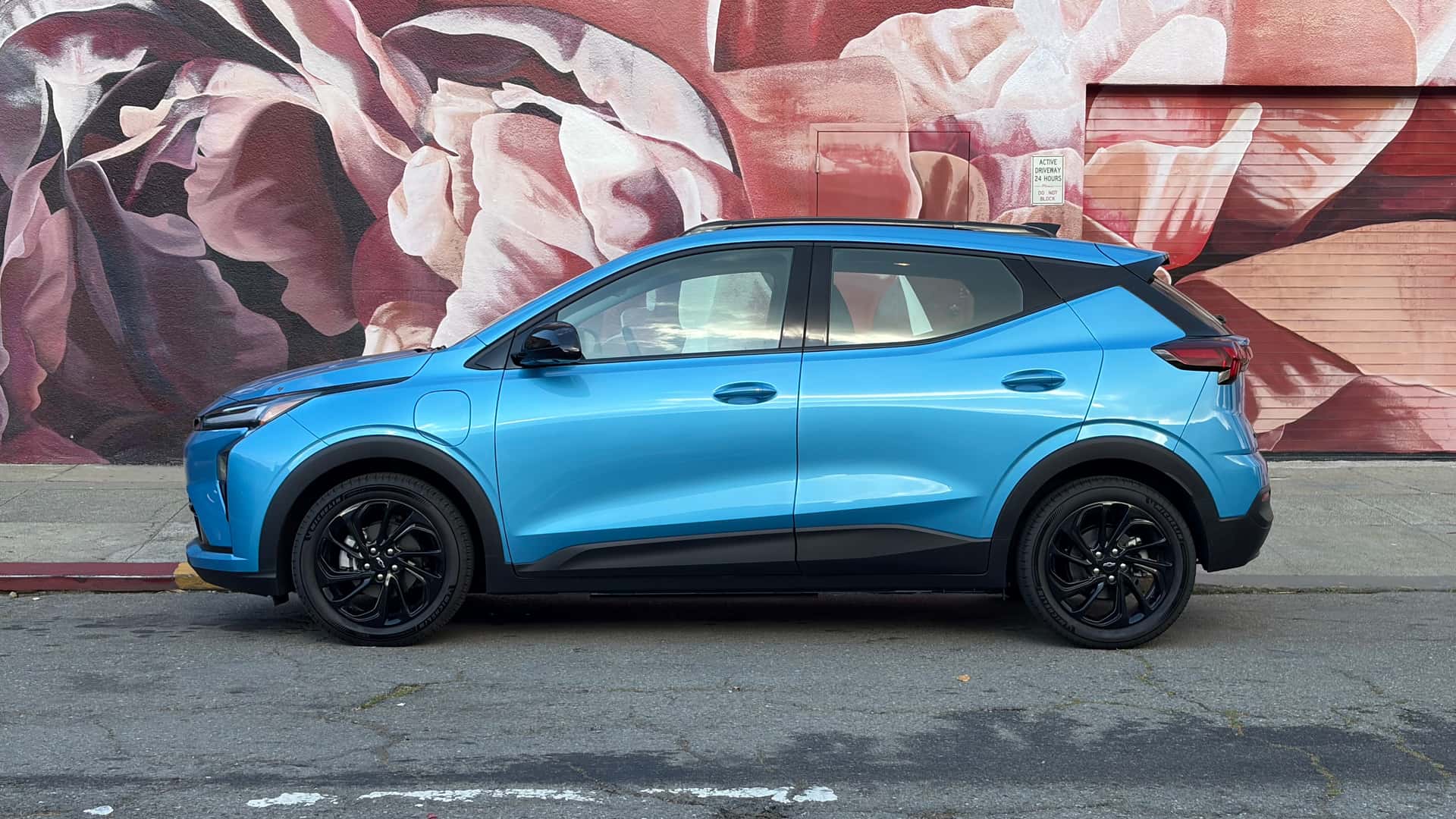
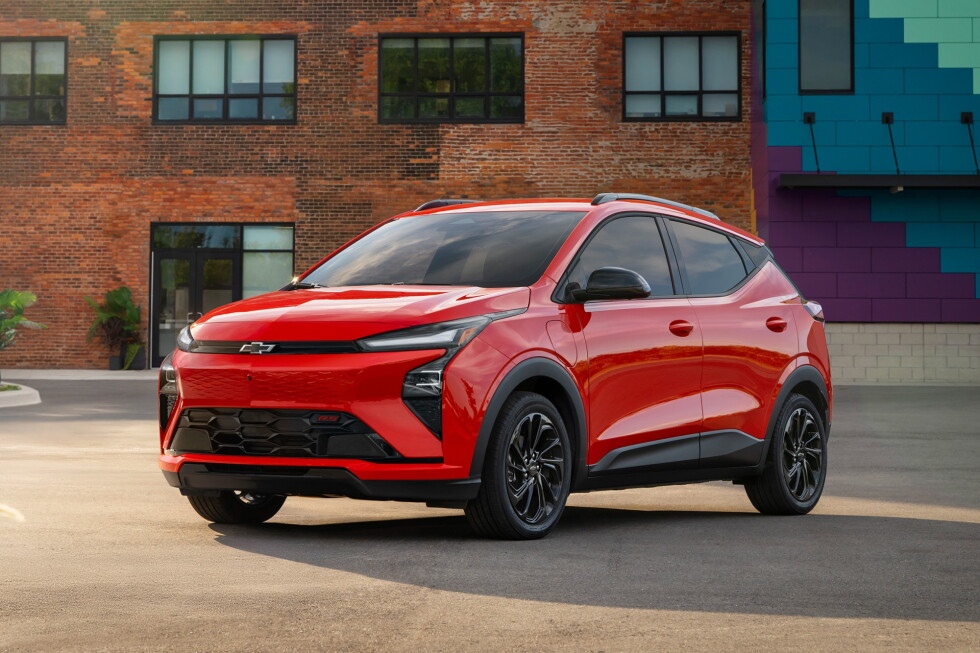
Many new electric vehicles are prohibitively expensive for car shoppers. But there are a few relatively low-cost options that provide plenty of usable range and utility. One great example is the Nissan Leaf. Originally debuting for 2011, it’s today’s longest-tenured EV and remains among the most affordable ways to go electric. The 2026 Leaf has been fully redesigned and features sleeker styling and a maximum estimated range of more than 300 miles. The Leaf also faces a familiar challenger. The Chevrolet Bolt is back for 2027 after a three-year hiatus. Its 2027 overhaul adds updated technology features and more range. Both of these small EVs have starting prices around $30,000 and are compelling choices if you can’t commit to pricier picks from Hyundai, Tesla and Toyota. But which is best for you? Edmunds’ auto experts tested them to find out.
Range, performance and chargingThe 2027 Bolt is capable of going 262 miles on a single charge, according to the EPA’s estimates. That’s certainly enough for routine driving and to make the occasional road trip feasible. The Leaf holds a potential edge with its EPA-estimated maximum of 303 miles. However, these two EVs were more closely matched in Edmunds’ standardized real-world range test. Here, the Bolt traveled 290 miles and the Leaf covered 310 miles. Acceleration is similar — both went from zero to 60 mph in about 7 seconds in Edmunds’ testing — but the Bolt is the EV that Edmunds prefers to drive. The Chevy’s nimble handling makes it ideal for threading tight city streets, while the Leaf feels a little too harsh and bouncy over rough asphalt. If you’re charging at public fast-charging stations, the Bolt will potentially get you back on the road a bit sooner. In Edmunds’ testing, the Bolt was able to regain range more quickly than the Leaf.Winner: Bolt