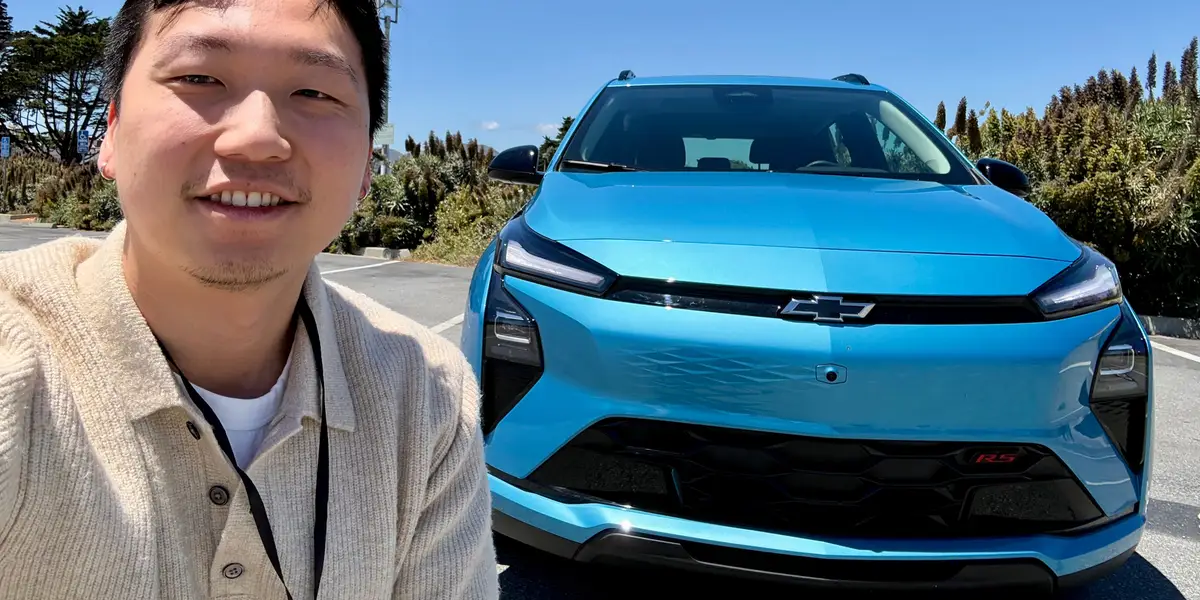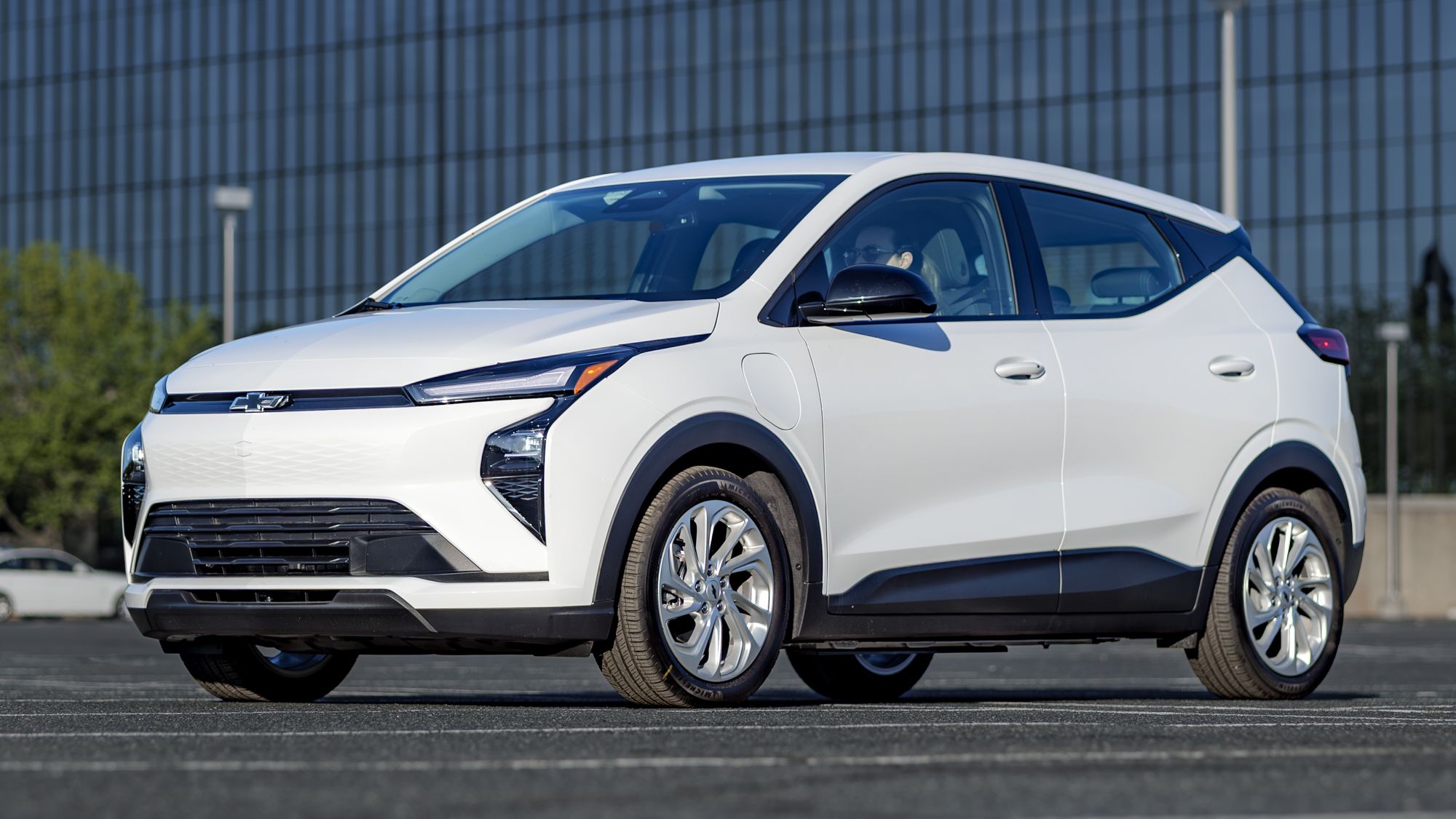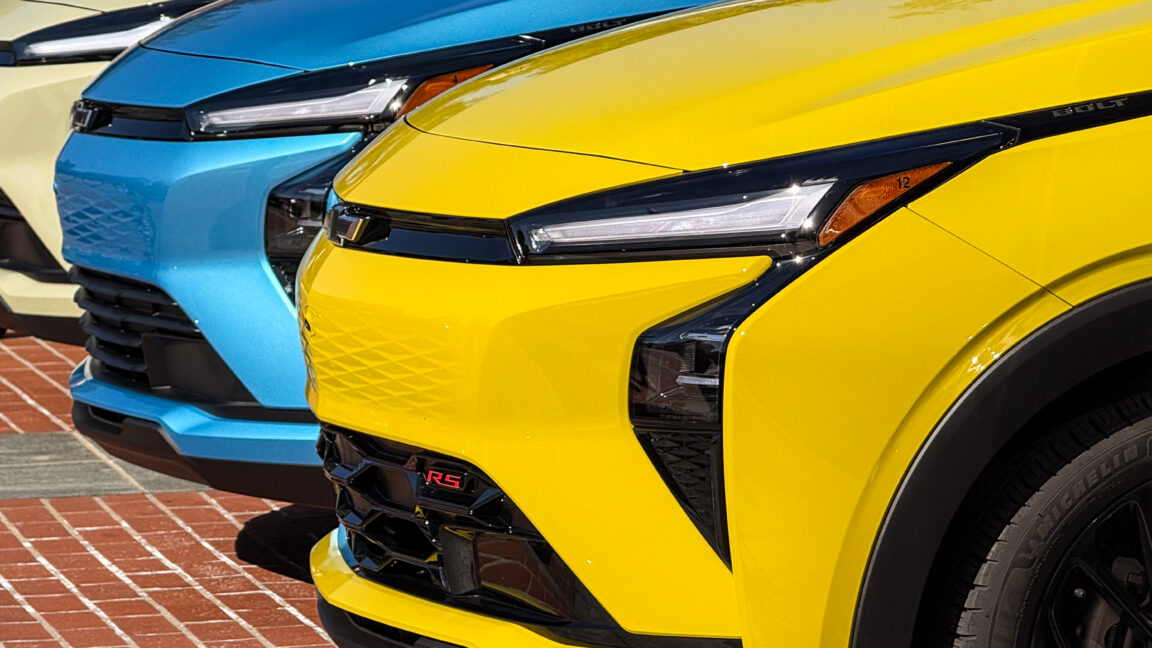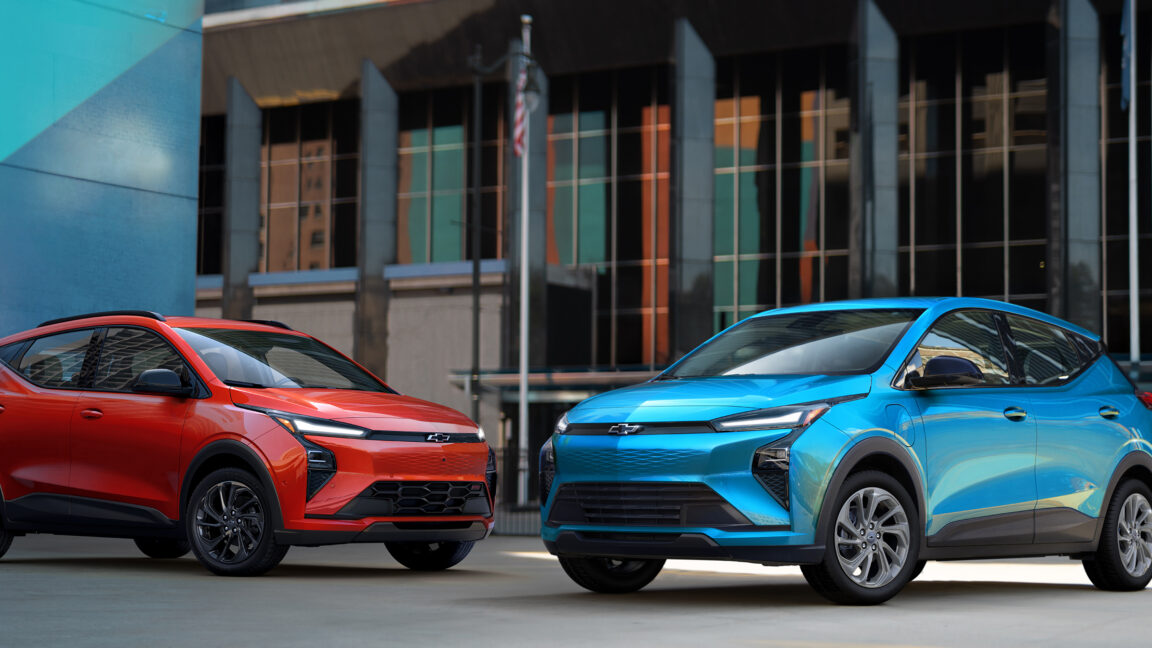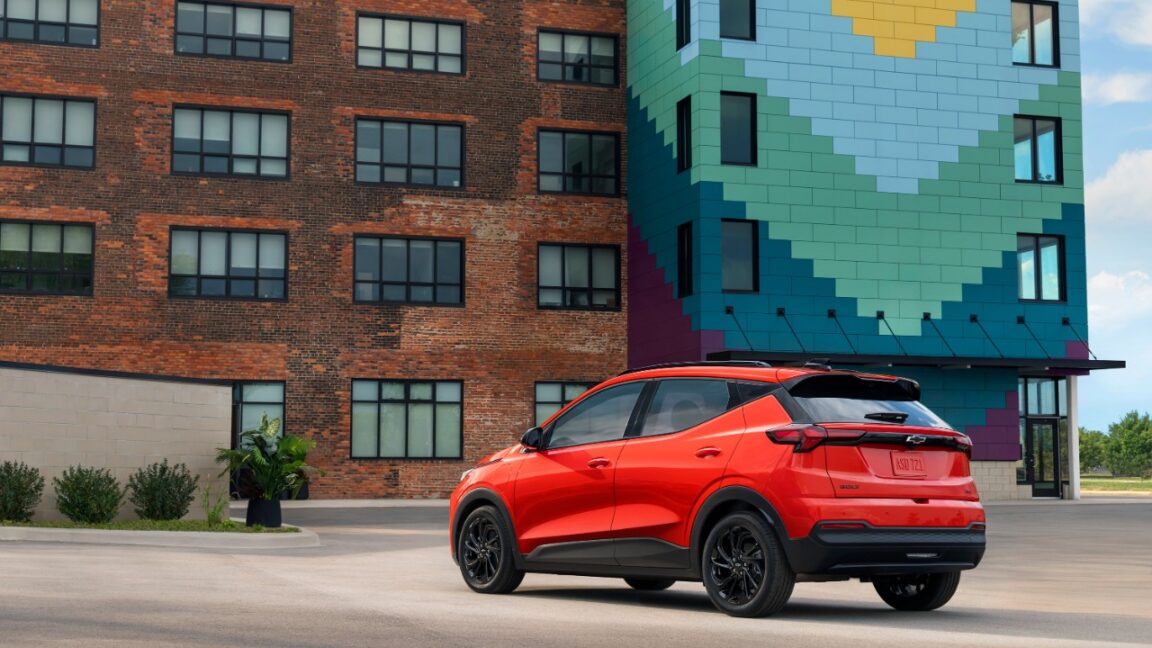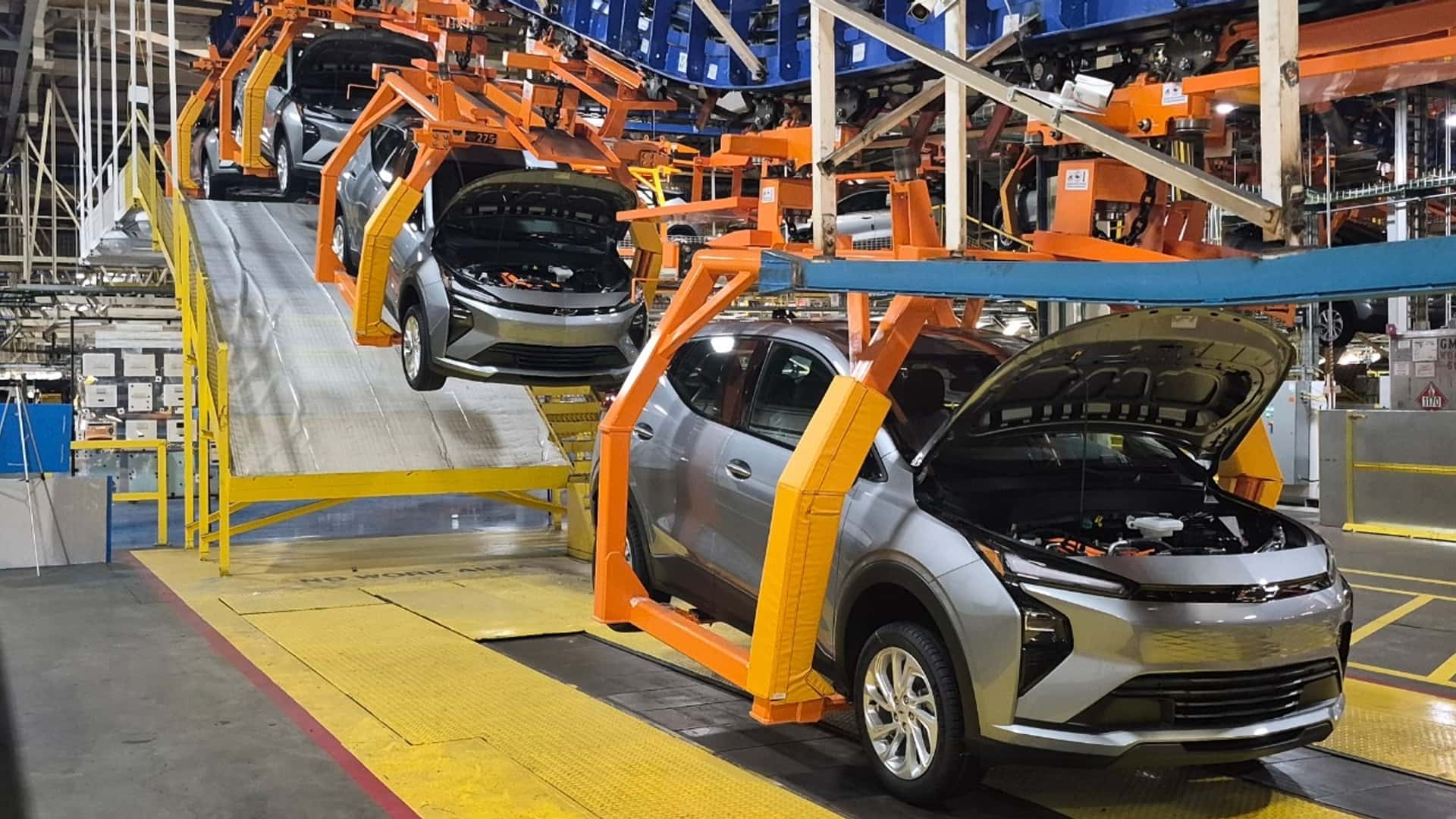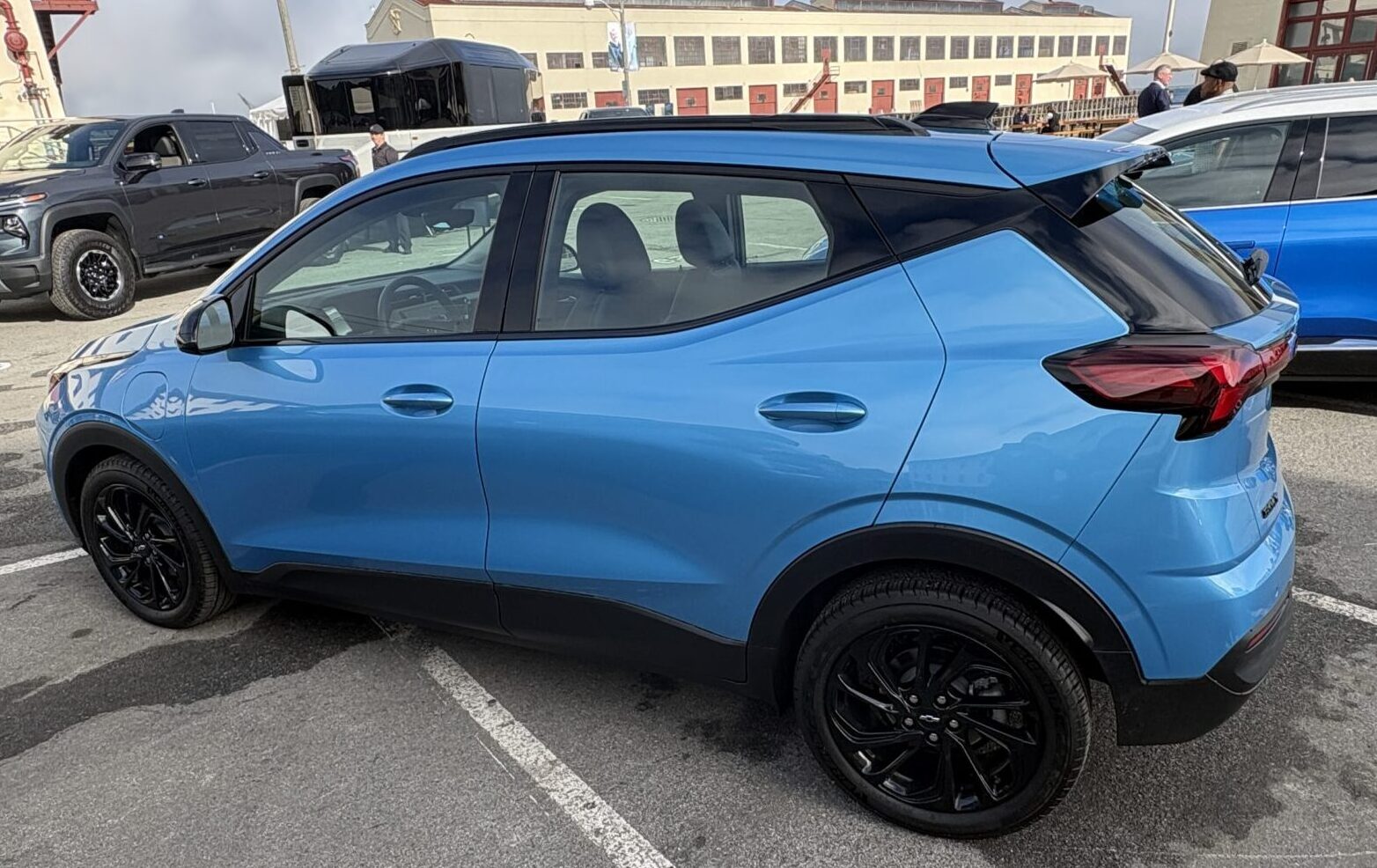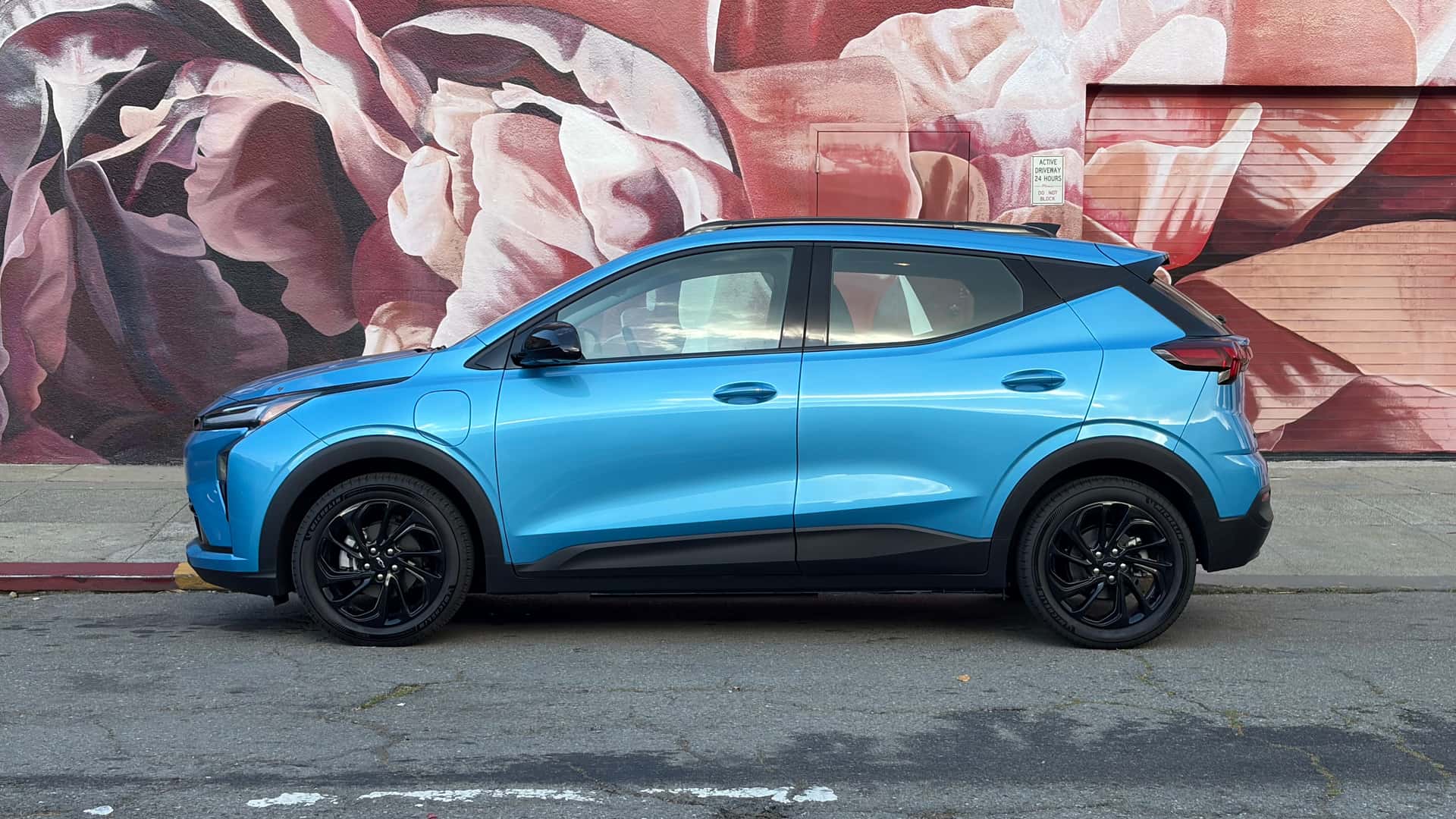
The Chevy Bolt is now the most affordable electric car in the U.S., and it comes with far fewer compromises than its predecessor. It gets vastly better software with Google Built-in, more driving range from a higher-capacity battery, and much faster charging speeds. But what happens when you drain the battery all the way down to 0% state of charge?
A new test from the YouTube channel Out Of Spec Testing sheds light on the Bolt’s battery buffer. Of course, you should not drain your battery to 0% during regular usage, but knowing what to expect when an EV runs fully out of juice can help you avoid that situation in the first place.
Before diving in, here's a quick refresher on the new Bolt. It now gets a new 65-kilowatt-hour lithium-iron-phosphate (LFP) battery which delivers 262 miles of EPA range. The biggest improvement is on the charging front, as the Bolt now only takes 25 minutes to go from 10-80% state of charge, down from about an hour on its predecessor. And it now also gets upgraded infotainment software with Google Built-in.
The tester began looping a track with about 5% state of charge remaining to see how far the Bolt could really go before the drive unit lost power. Most automakers keep a small buffer below the 0% reading so drivers aren't stranded and still have enough energy to limp to the nearest charger. It's the same principle behind the reserve fuel in a gas car when the needle hits red. The single-motor Tesla Model Y and Model 3 both have about 20 miles of range tucked below 0%, per Out Of Spec's previous tests, and the new Nissan Leaf carries about 10 miles of reserve.