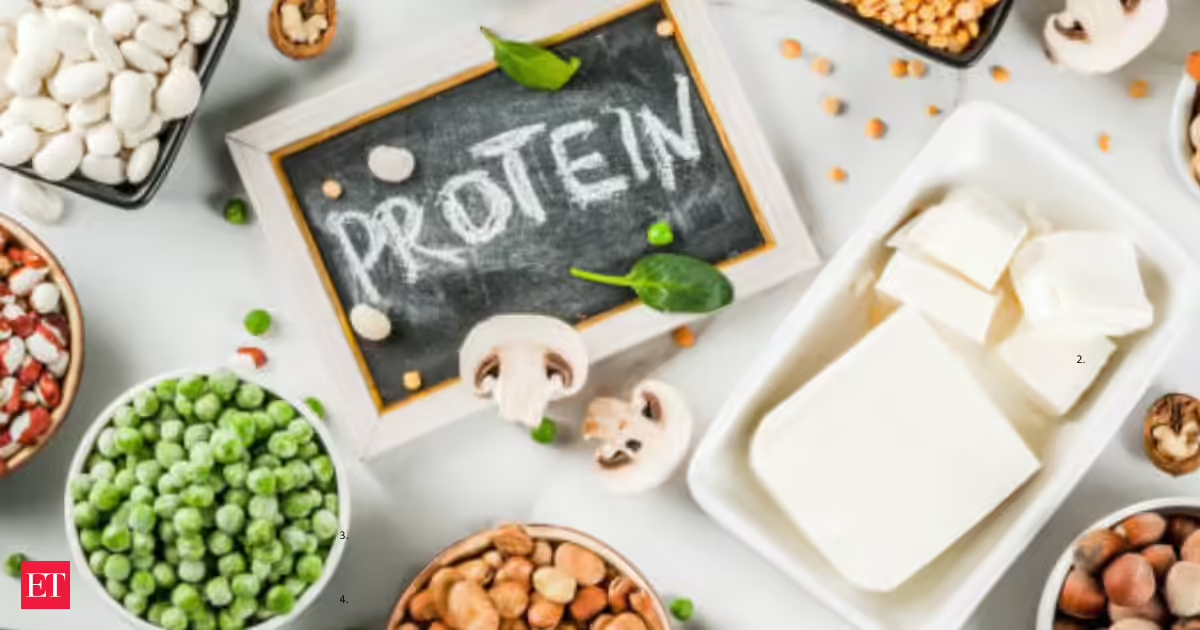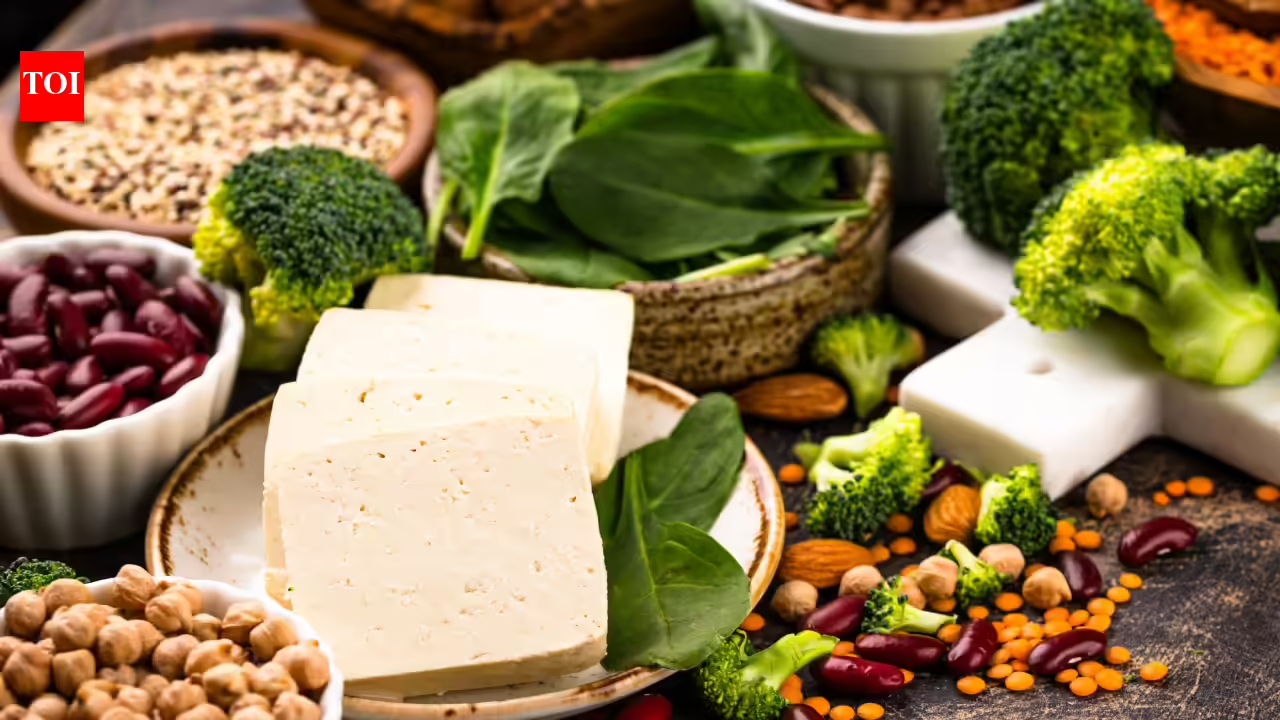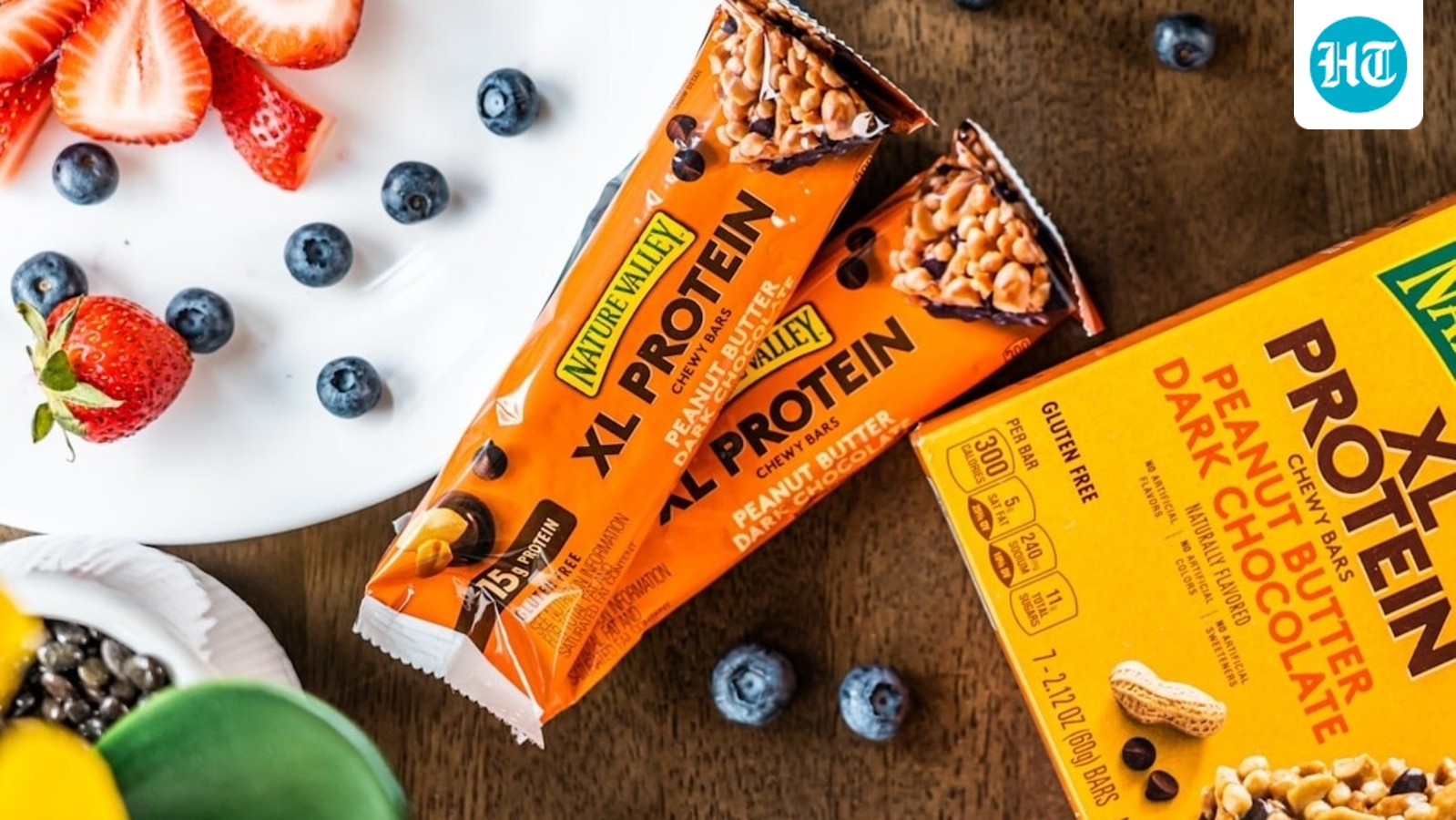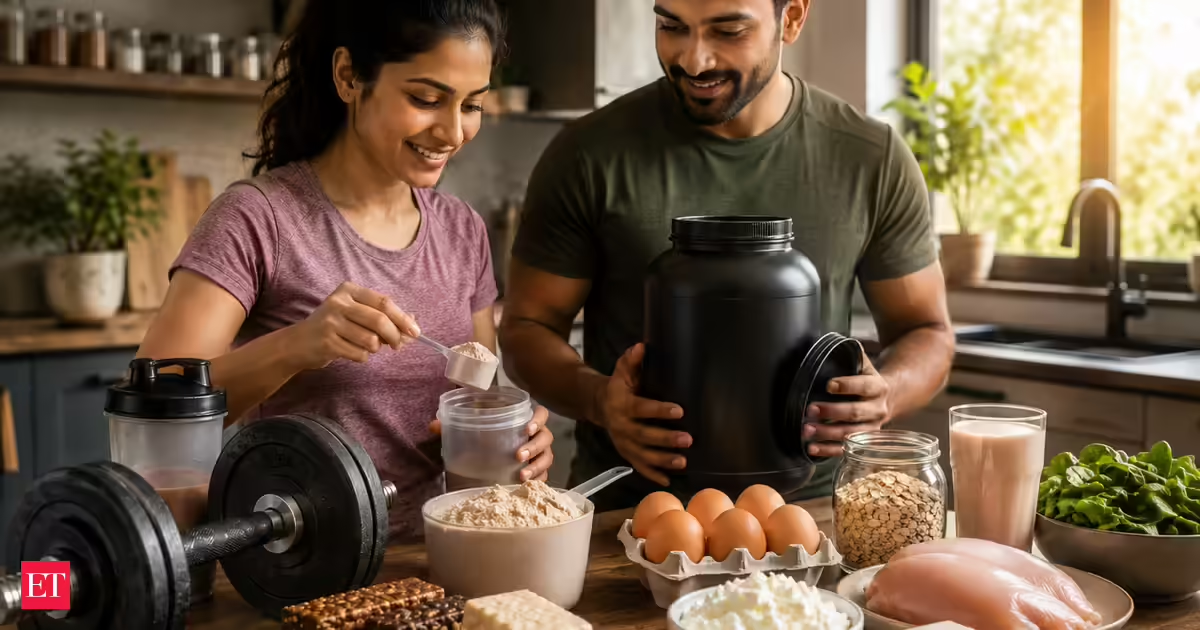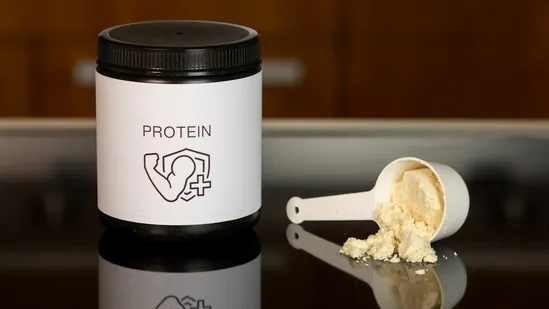
High-protein foods are taking over supermarket shelves. The lifestyle coach explains whether you should jump on the trend or not. Protein is one thing we need to focus on more in India. Our diets are mostly made up of carbohydrates and fats. We don’t get enough protein. According to a study by ICMR–INDIAB, many Indians don’t eat enough protein. This shows we need to improve the protein in our diet. While protein is important, its growing popularity has fueled a wave of high-protein trends across the internet, with many people becoming increasingly obsessed with it. In an interview with HT Lifestyle, Mitushi Ajmera, lifestyle coach and author of Fearless Diet, shared whether protein-packed products are a necessity or not.Whether these high-protein products are worth the hype. (Unsplash)Also read | This chocolate lava cake with 13g protein and just 166 calories, ‘supports your goals, not ruins them’: Full recipeThe protein trendMitushi highlighted that the protein trend has become a big marketing tool. While protein is important, not every food needs protein. Adding protein to junk foods like chips or namkeens doesn’t make them healthy. It’s like trying to make something bad look good. A high-protein label can’t make up for many calories, sodium, unhealthy fats, or poor nutrition.A high-protein label can’t make up for many calories, sodium, unhealthy fats, or poor nutrition. (Unsplash)The protein products that make senseMitushi suggests that the best way is to focus on foods that are naturally high in protein, such as milk, curd, paneer, eggs, dals, legumes, soy products, fish, and lean meat. Protein-enriched foods such as flours, breads, and dairy products can also help bridge India’s protein gap.High-protein yoghurt is an option because it has quality protein, calcium, and good bacteria. Also, protein coffee can be convenient for people who need more protein and want to feel fuller. Protein water is a choice for those who prefer a lighter protein drink. These products are convenient but not necessary.One size doesn’t fit all“Protein needs vary from person to person. For adults, aiming for around 1 g of protein per kilogram of body weight is a good target. Active people may need more protein depending on their goals,” said Mitushi. High-protein products may be helpful for vegetarians and vegans who don’t have protein sources. Non-vegetarians who eat lean animal protein may not need extra fortified products.High-protein products may be helpful for vegetarians and vegans who don’t have protein sources. (Unsplash)Read beyond the front label“Don’t judge a product by its high-protein claim and check the nutrition label,” advises Mitushi. A simple way to evaluate a product is to see how many calories you get for each gram of protein and check the amounts of added sugar, sodium, and saturated fat. Protein-rich foods are valuable when they improve our diet, not when they just make processed foods look healthier.Note to readers: This article is for informational purposes only and not a substitute for professional medical advice. Always seek the advice of your doctor with any questions about a medical condition.Anukriti Srivastava thrives at the intersection of words and voice, where journalism meets storytelling. A digital editor and journalist with over 5 years of experience, she has written across lifestyle, women issues, relationships, entertainment, fashion, and travel. She did her Masters in Broadcast Journalism and has published more than 500+ lifestyle content pieces across platforms.
Protein coffee to protein water: Lifestyle coach reveals whether these high-protein products are worth the hype
High-protein foods are taking over supermarket shelves. The lifestyle coach explains whether you should jump on the trend or not. | Health
751 words~3 min read