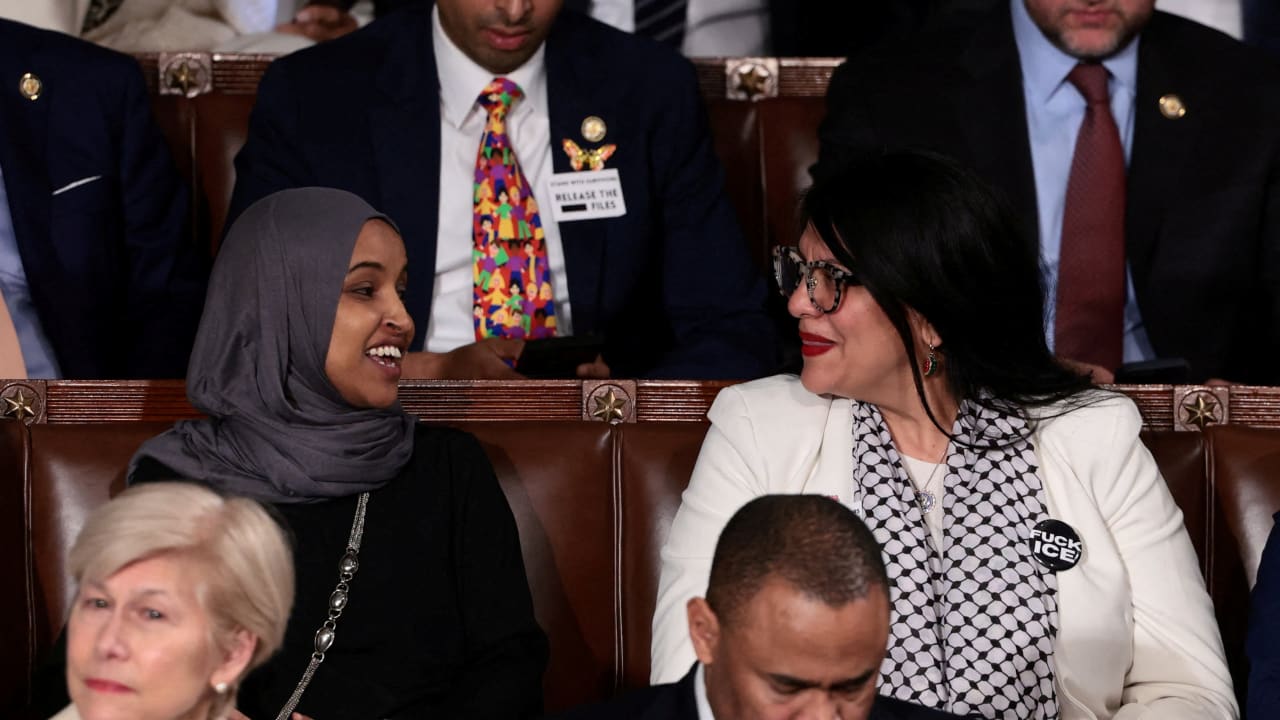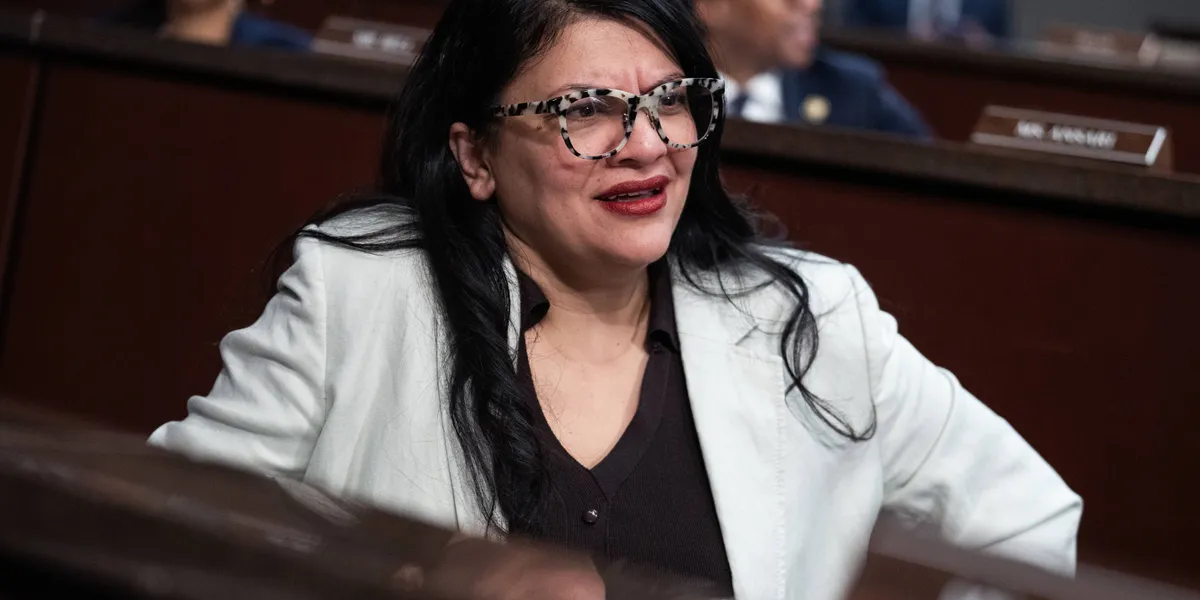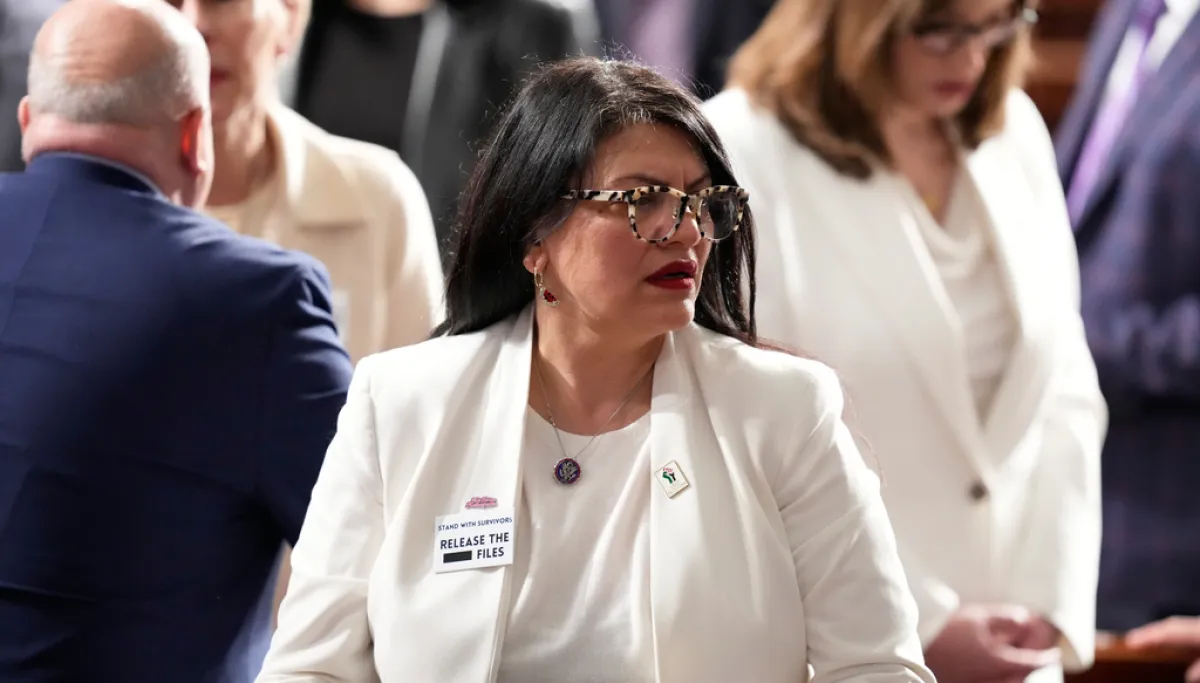
The U.S. House of Representatives voted against a War Powers Resolution put forth by Representative Rashida Tlaib, which aimed to withdraw U.S. troops from Lebanon. The resolution, which was defeated by a vote of 189-235, sought to invoke Section 5(c) of the War Powers Resolution of 1973. This section requires congressional authorization for U.S. military actions deemed as “hostilities,” which Tlaib argued included U.S. coordination with Israeli forces in Lebanon. The failure to pass the resolution was notable for its bipartisan opposition, with more than half of the Democrats joining Republicans to block the measure.
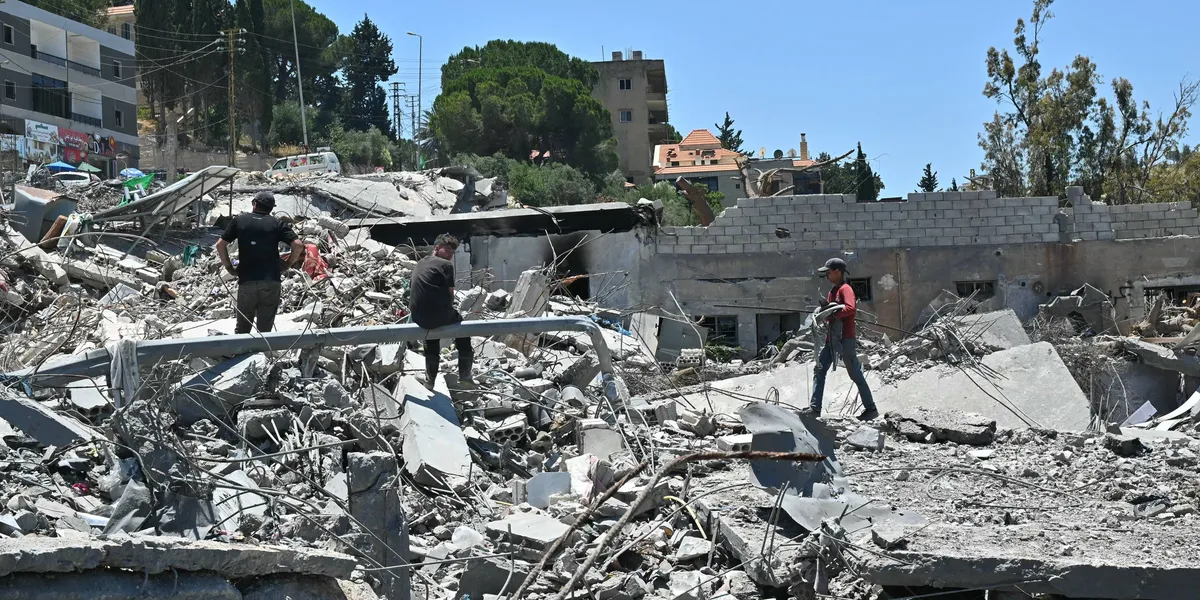
The decision is set against the backdrop of long-standing U.S. military involvement in Lebanon, including significant security assistance and military cooperation with the Lebanese Armed Forces. This U.S. presence is part of broader regional military engagements, which include maintaining stability and addressing humanitarian concerns in the Middle East. The rejection of the resolution suggests a continued U.S. military presence in the region, which could impact ongoing geopolitical scenarios involving Israel and Hezbollah.
Key Takeaways
The U.S. House’s rejection of the War Powers Resolution appears consistent with a continued U.S. military presence in Lebanon.