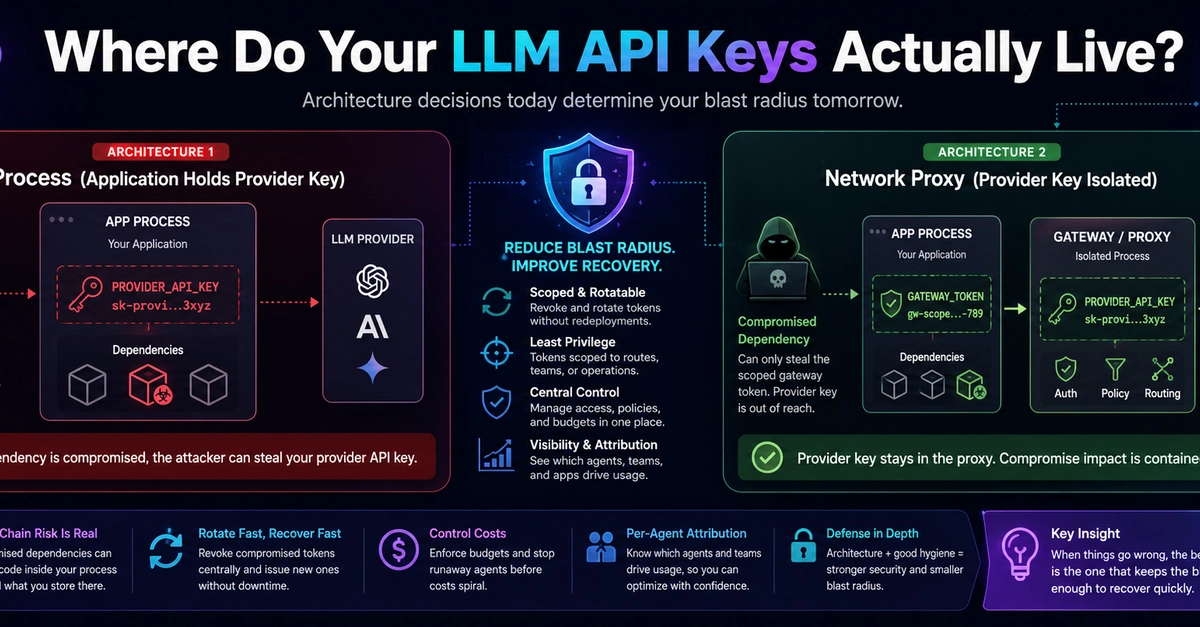
As organizations increasingly integrate large language models (LLMs) into applications, API tokens have become one of the most valuable credentials within modern software environments. Whether connecting to OpenAI, Anthropic, Google, GitHub, or cloud infrastructure, these tokens provide authenticated access to services that often incur financial costs and may expose sensitive organizational data. From a CompTIA Security+ perspective, protecting API tokens is an essential component of identity and access management, least privilege, and secure software development.
Unlike traditional usernames and passwords, API tokens are designed for machine-to-machine authentication. They allow applications, scripts, automation platforms, and backend services to communicate securely without requiring interactive logins. However, this convenience also creates risk. If an API token is leaked, an attacker may be able to impersonate a legitimate application, consume paid resources, access confidential information, or use the compromised service as part of a broader attack.
One of the most common causes of API token leakage is poor secret management during development. Developers frequently hardcode tokens directly into source code for convenience during testing. If that code is committed to a public repository or accidentally shared, the token can often be harvested automatically by bots that continuously scan repositories for exposed credentials. Even private repositories are not immune, as credentials may be exposed through forks, backups, or compromised developer accounts.