Show Caption
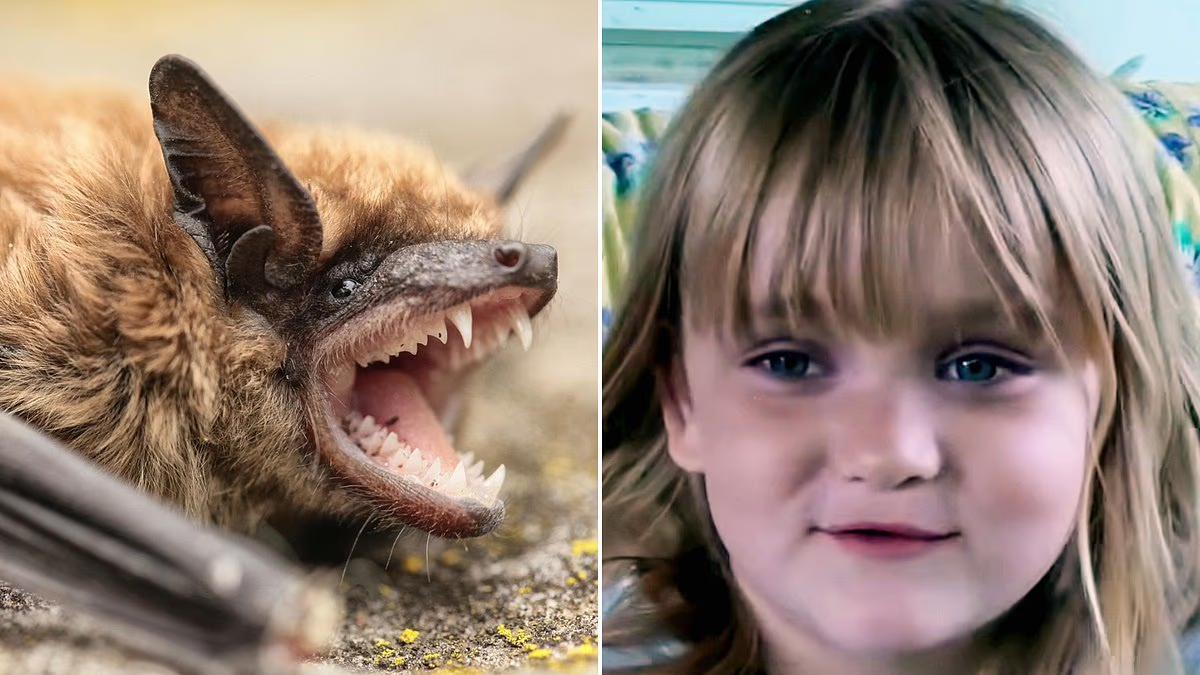
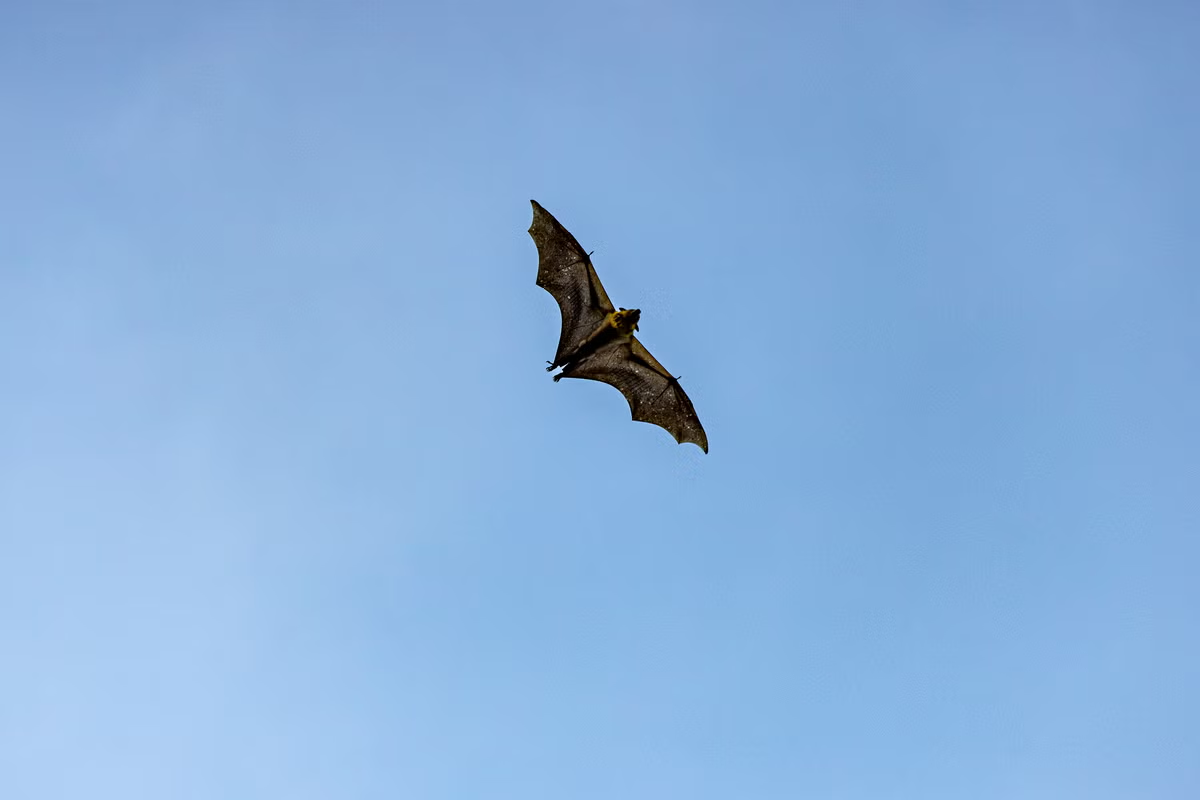
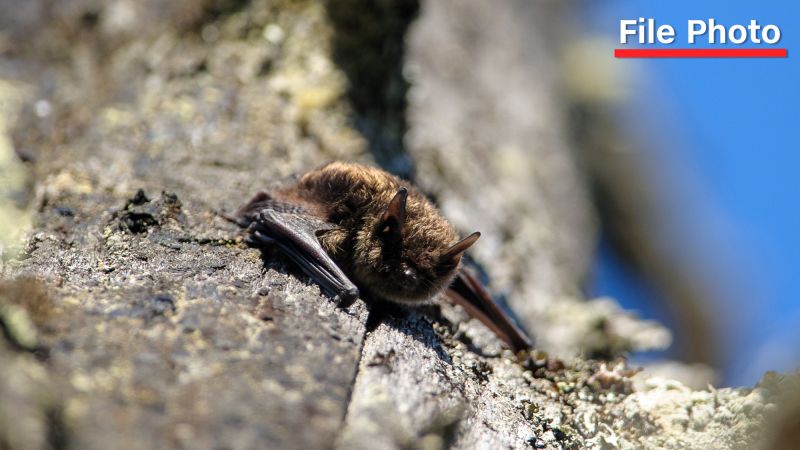
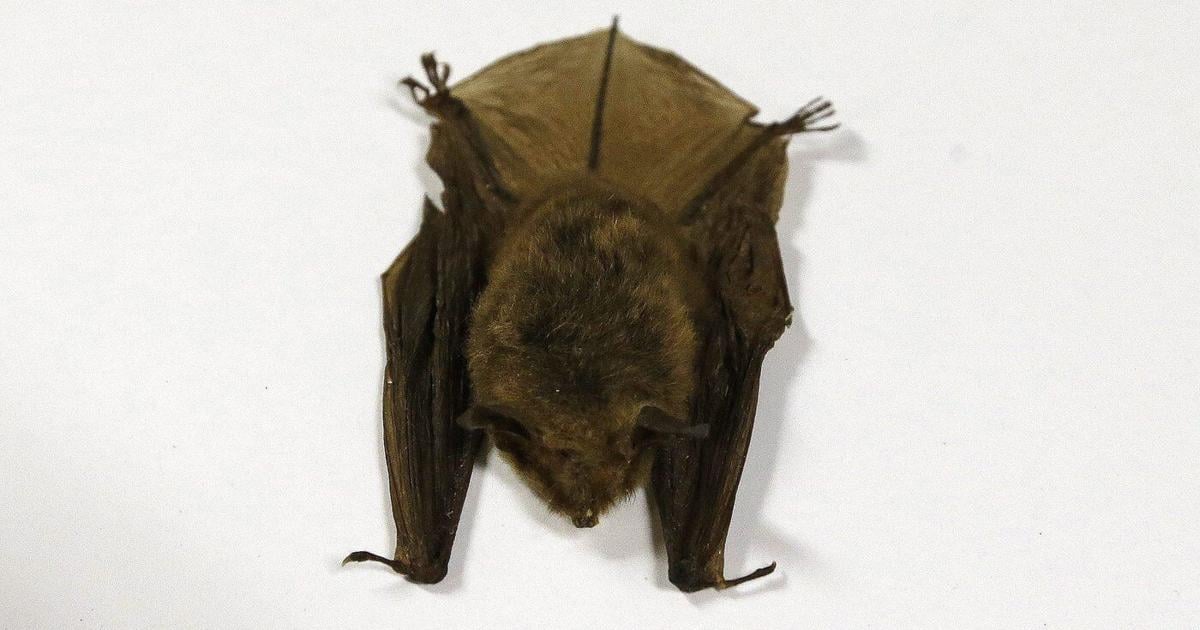
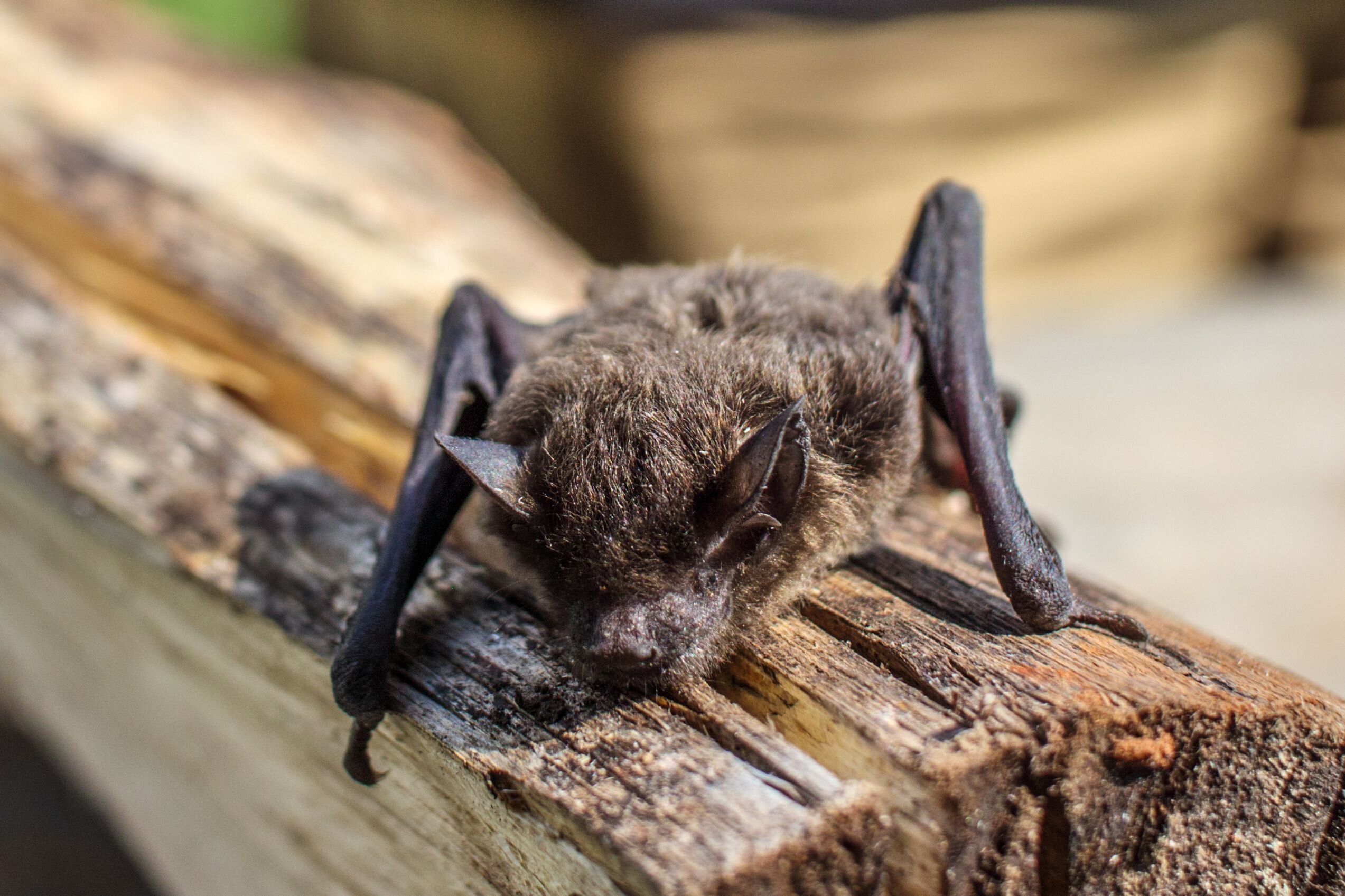
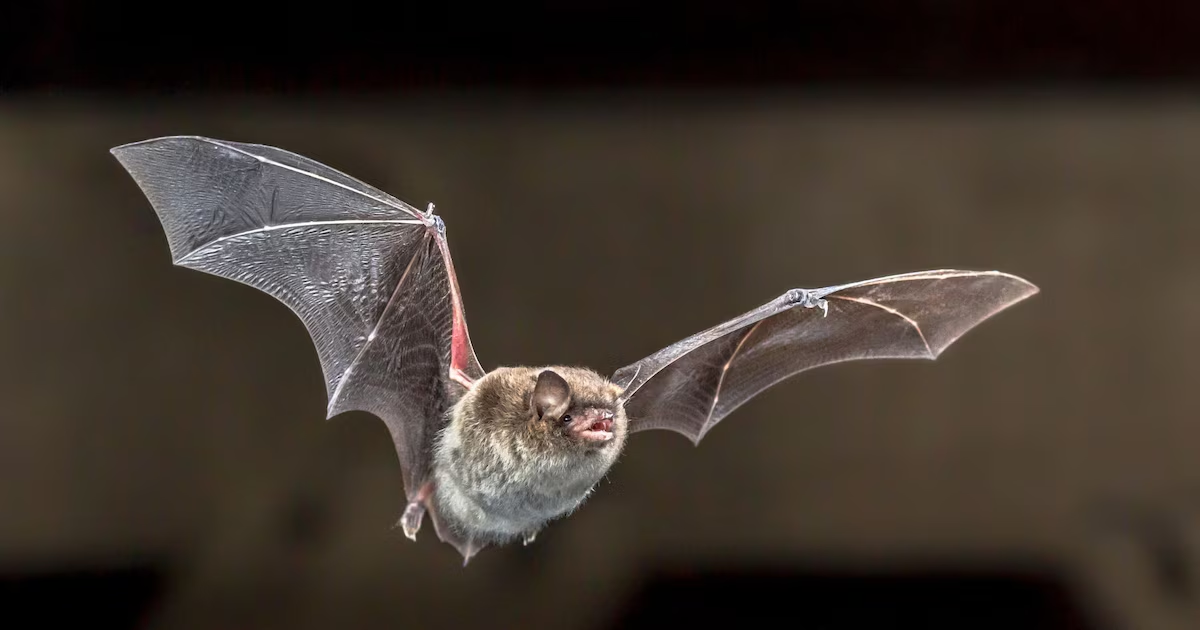
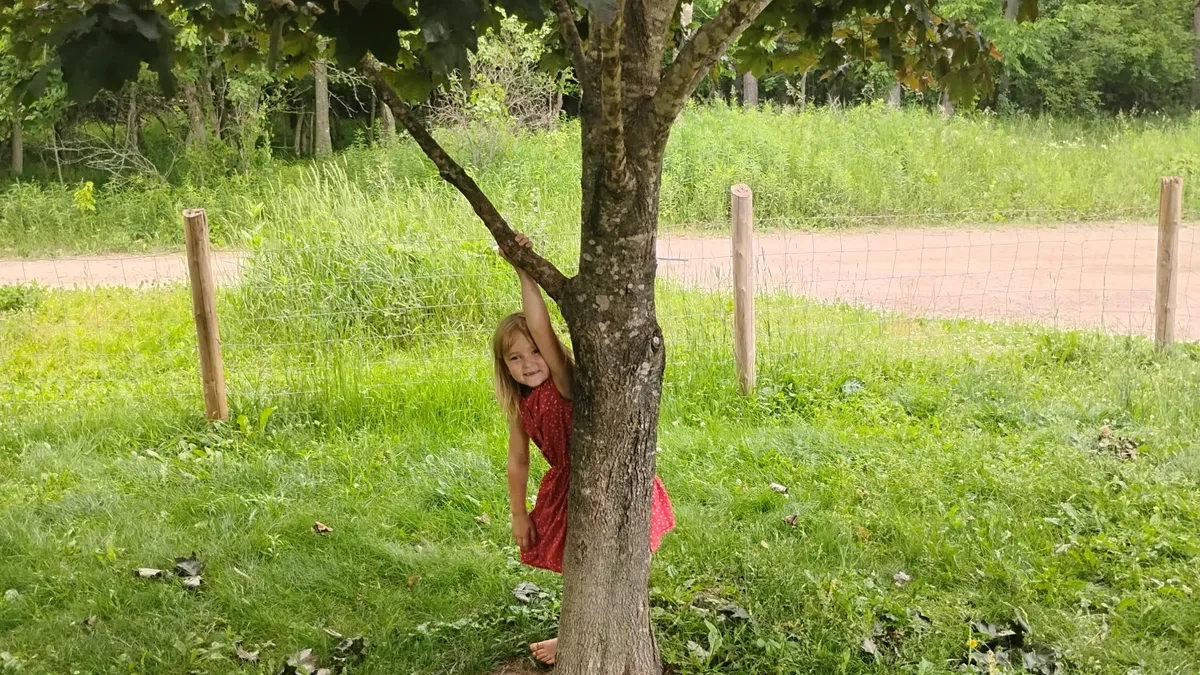
A 6-year-old girl is undergoing rabies treatment after she was bitten by a rabid bat outside her home in Wisconsin, prompting local health officials to remind the public about rabies safety and avoiding contact with wild animals.Cecelia Kale was climbing a tree in her family’s front yard in Tigerton, Wisconsin, at around 8 p.m. local time on June 23 when the bat attacked her leg, her family told the Milwaukee Journal Sentinel, part of the USA TODAY Network. Tigerton is a rural village about 60 miles west of Green Bay, Wisconsin.The girl's mother, Elizabeth Kale, said Cecelia climbs trees every day. Kale was sitting on the front porch when she noticed her daughter appeared frozen in fear."She was only one branch up, and she was just frozen," Kale said. "I thought she was (trying to say), 'It's a bee!' ... but nothing was coming out right. That's when we were like, 'OK, something's wrong.'"Kale said Cecelia finally screamed that there was a bat on her leg. Kale, along with two of Cecelia's older brothers, went running to help. Kale said her 11-year-old and 16-year-old sons knocked the bat off her and killed it.Kale and her husband took Cecelia to the emergency room and brought the bat for testing. Within 48 hours, they received confirmation from the Shawano-Menominee Counties Health Department that the bat tested positive for rabies, and Cecelia received the first of four shots as part of the rabies vaccine.Rabies is a viral disease that affects the central nervous system in mammals and is nearly always fatal if left untreated. Anyone potentially exposed to rabies should seek medical care immediately, health experts say.Local health officials urge residents to take precautions against rabiesIn a June 25 news release, the Shawano-Menominee Counties Health Department confirmed that a bat in Shawano County had tested positive for the rabies virus.Nick Mau, health officer with the health department, said the bat was both counties' first confirmed case of rabies in 2026. The counties average about one confirmed case in wild animals every year.But Mau noted that it is not very common for those confirmed cases to be discovered through a bite to a human. More often, the health department is made aware of rabid animals through exposures to pets or bats found in a house that are brought in for testing.Mau advised people — especially those who live in areas with lots of wildlife — to be educated about rabies risks."Educate children. We think a lot of animals are really cute, and they are, but just be mindful of approaching any wild animal," he said. "Safety first. Just assume that any animal is going to carry disease, and rabies is one of them. We can respect and watch wild animals from a distance."For the Kale family, the ordeal has been a reminder of important safety precautions. Kale said they're now more aware of bats around their property and plan to get their barn cats vaccinated against rabies.She also encouraged any parents who have a similar scare with their children not to be afraid to ask doctors questions.She said Cecelia has been handling her rabies vaccine appointments well, despite the painful injections required. "She's incredibly brave," Kale said.What is rabies?Rabies is a fatal but preventable viral disease that primarily affects the central nervous system, according to the Centers for Disease Control and Prevention. It can lead to severe brain damage and death in humans and some animals.Rabies is often found in bats, raccoons, skunks, and foxes, but any mammal can be infected. According to the CDC, the rabies virus is transmitted through direct contact with saliva through broken skin or mucous membranes in the eyes, nose, or mouth. Rabies can also be transmitted through direct contact with brain or nervous system tissue from an infected animal.Human cases are rare in the United States, where fewer than 10 deaths are reported each year, and at least 7 out of 10 of those are the result of exposure to an infected bat.Pets and people can be protected by vaccination, the Mayo Clinic says. People usually receive the vaccine after exposure, but those in high-risk situations may receive it before exposure.The rabies vaccine, if administered immediately after exposure, is nearly 100% successful at preventing the disease, according to the World Health Organization. While the disease is almost always fatal once symptoms begin, a few dozen people have survived the disease without the vaccine — the first known case of which happened in Fond du Lac, Wisconsin, in 2004.How to prevent the spread of rabiesAvoiding contact with wildlife remains the most effective way to prevent rabies transmission, according to the CDC. People should not approach wild animals that appear sick, injured, or dead, including nocturnal species such as bats and raccoons that are active during daylight hours.Animal control officials should be contacted when assistance is needed, the CDC recommends.Pet owners can reduce the risk of rabies exposure by keeping pets up to date on rabies vaccinations, according to the CDC. Health officials also recommend limiting pets' contact with wildlife as much as possible.The Shawano-Menominee Counties Health Department advised anyone bitten or scratched by a bat or other wild animal to promptly clean the wound with soap and water, then contact a physician or go to the emergency room. If the animal can be safely captured, they also advise people to hold the animal until the health department can be consulted.Contributing: Emily Vetter and Mary Walrath-Holdridge, USA TODAY