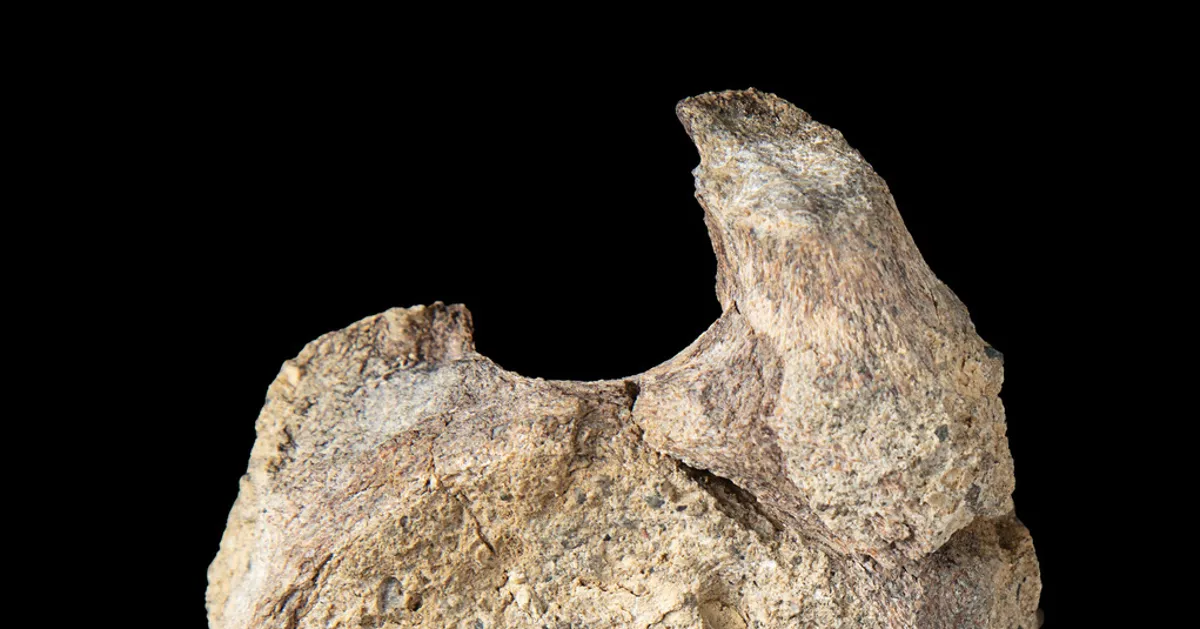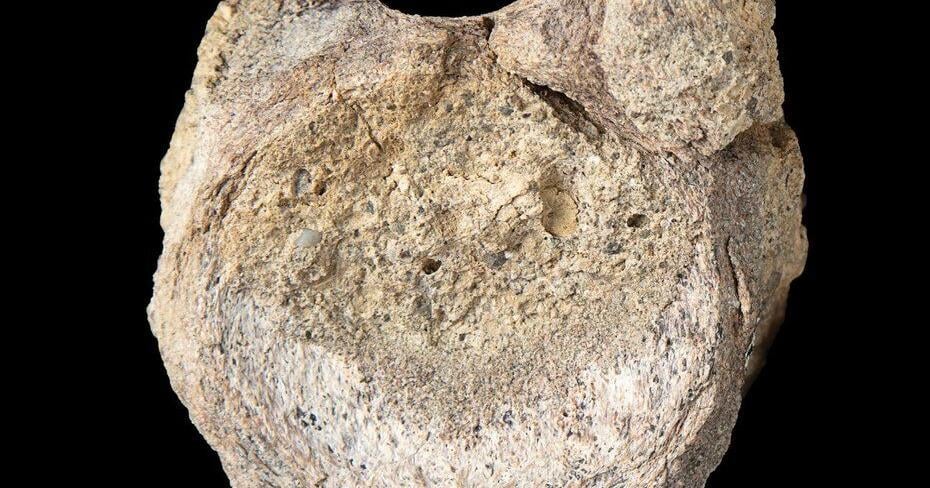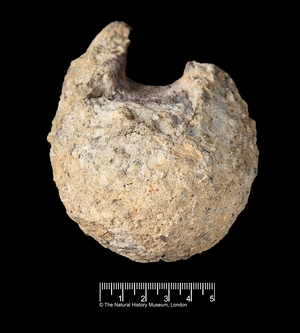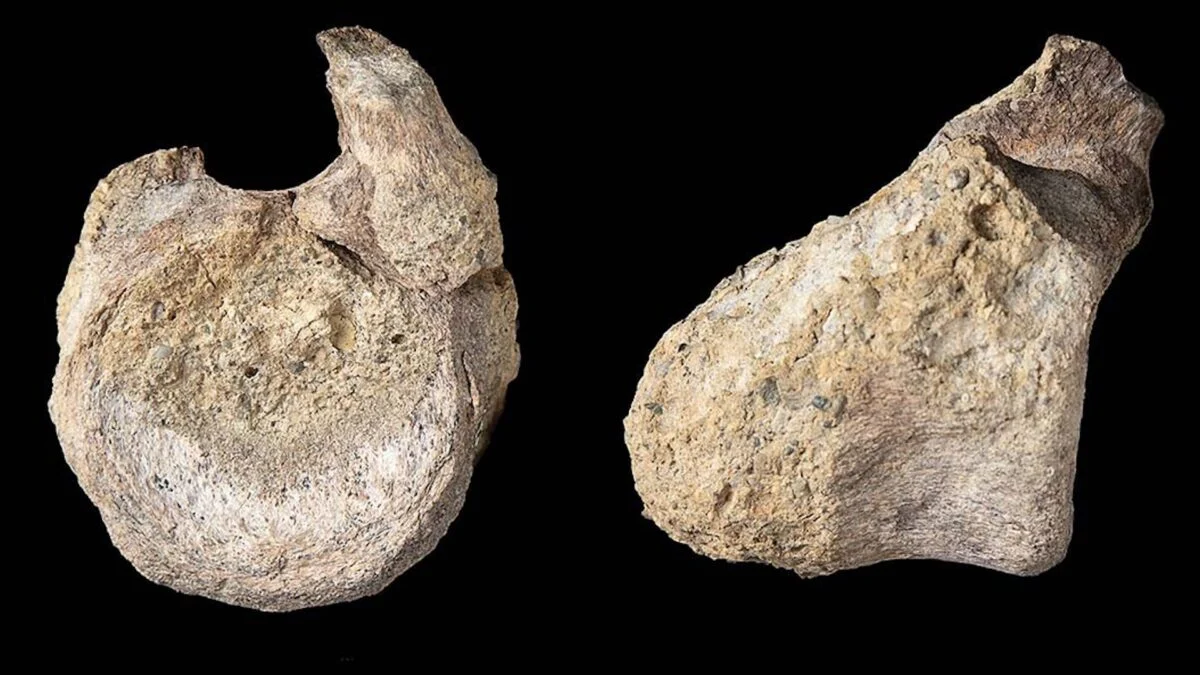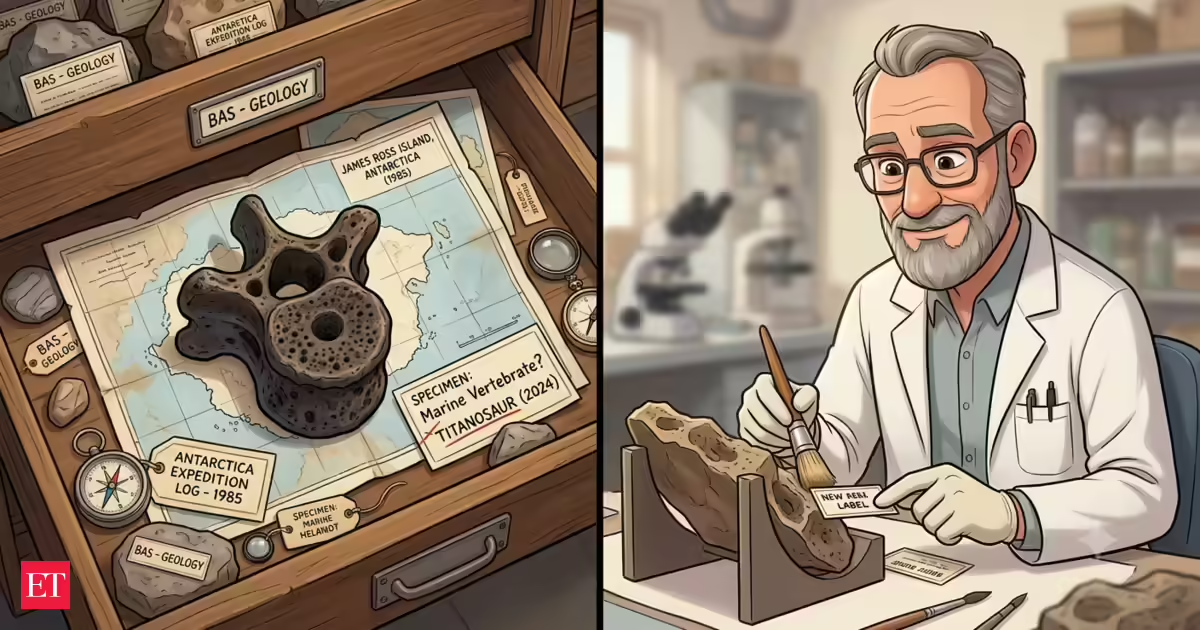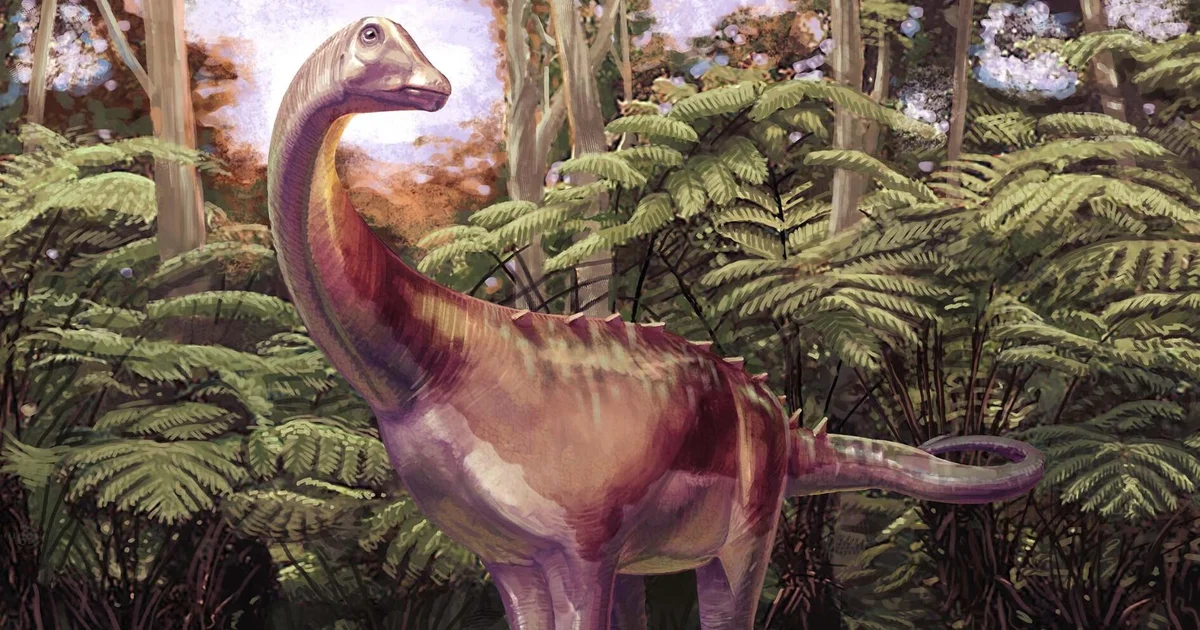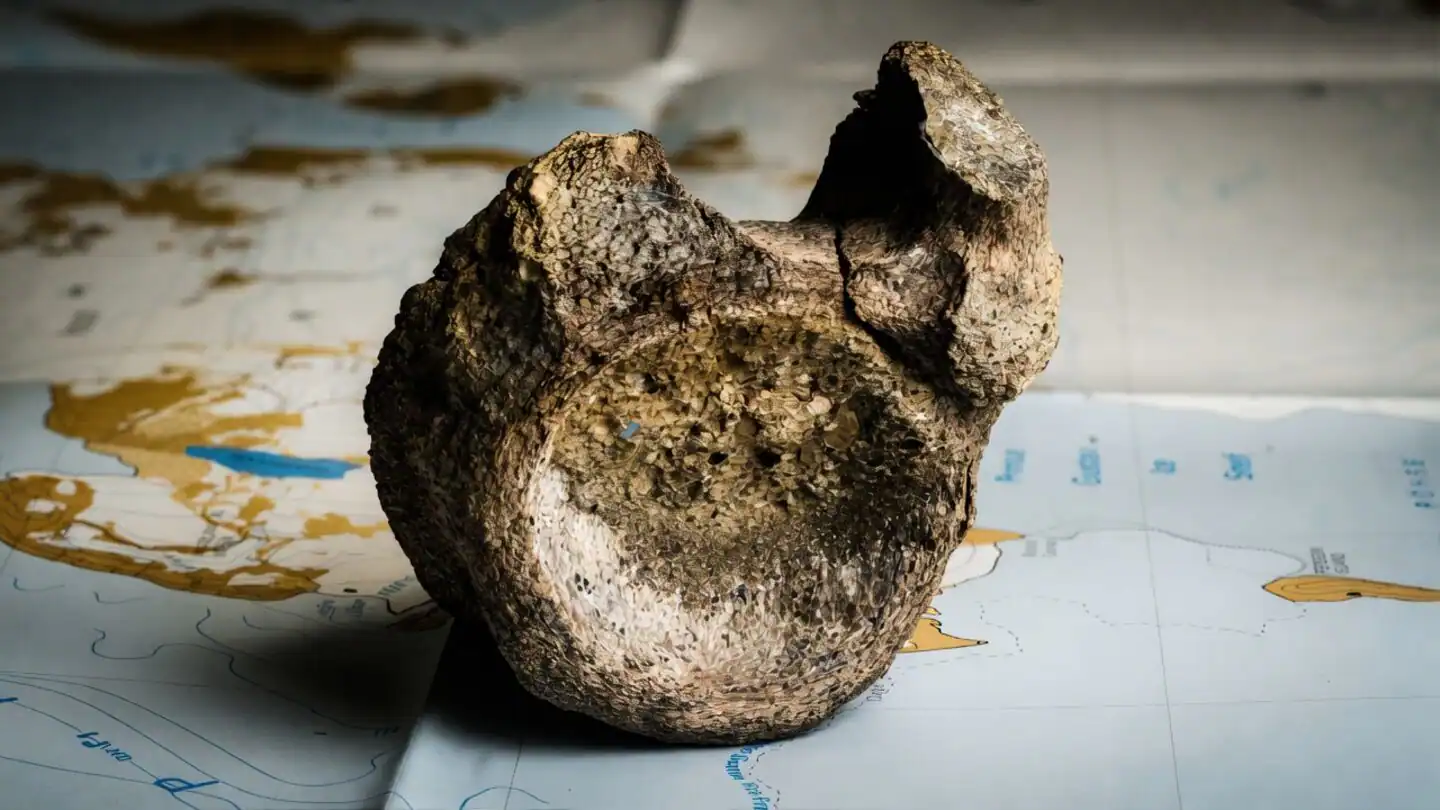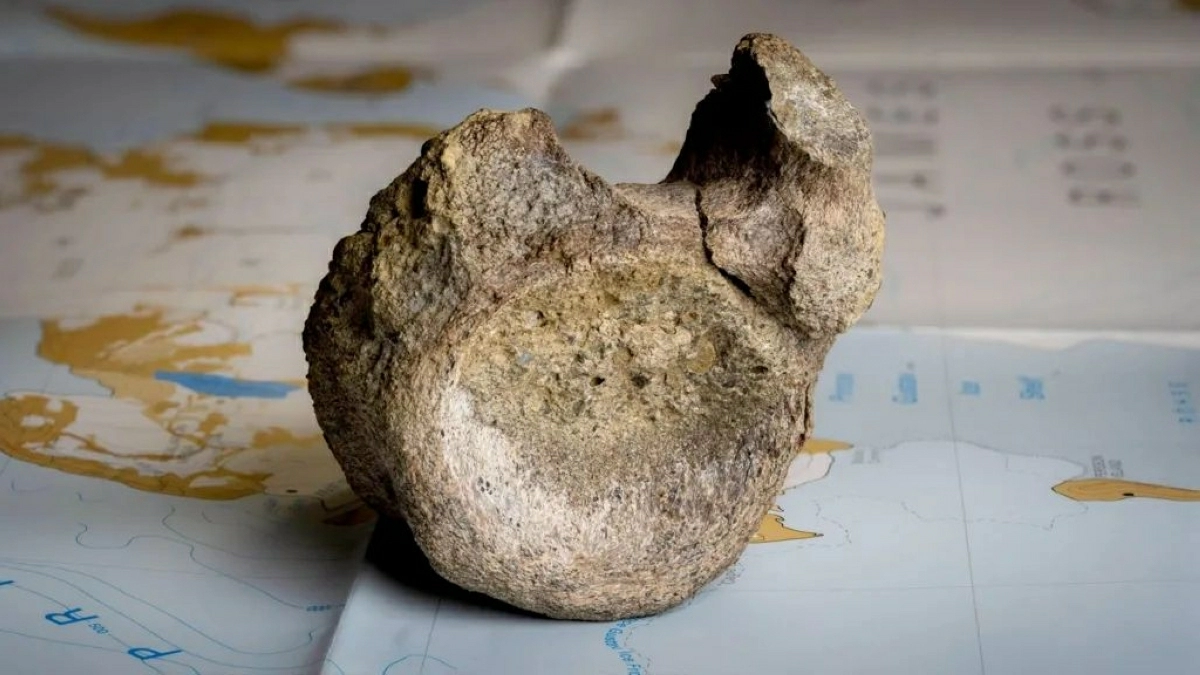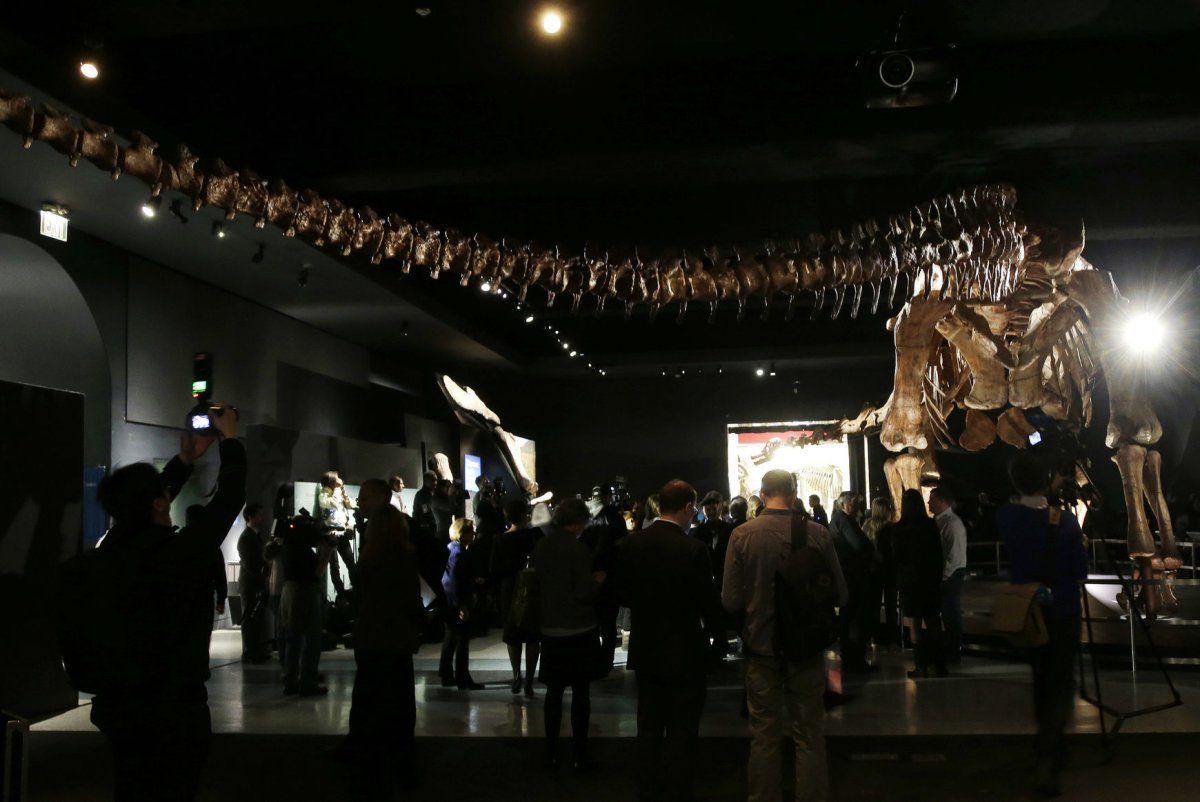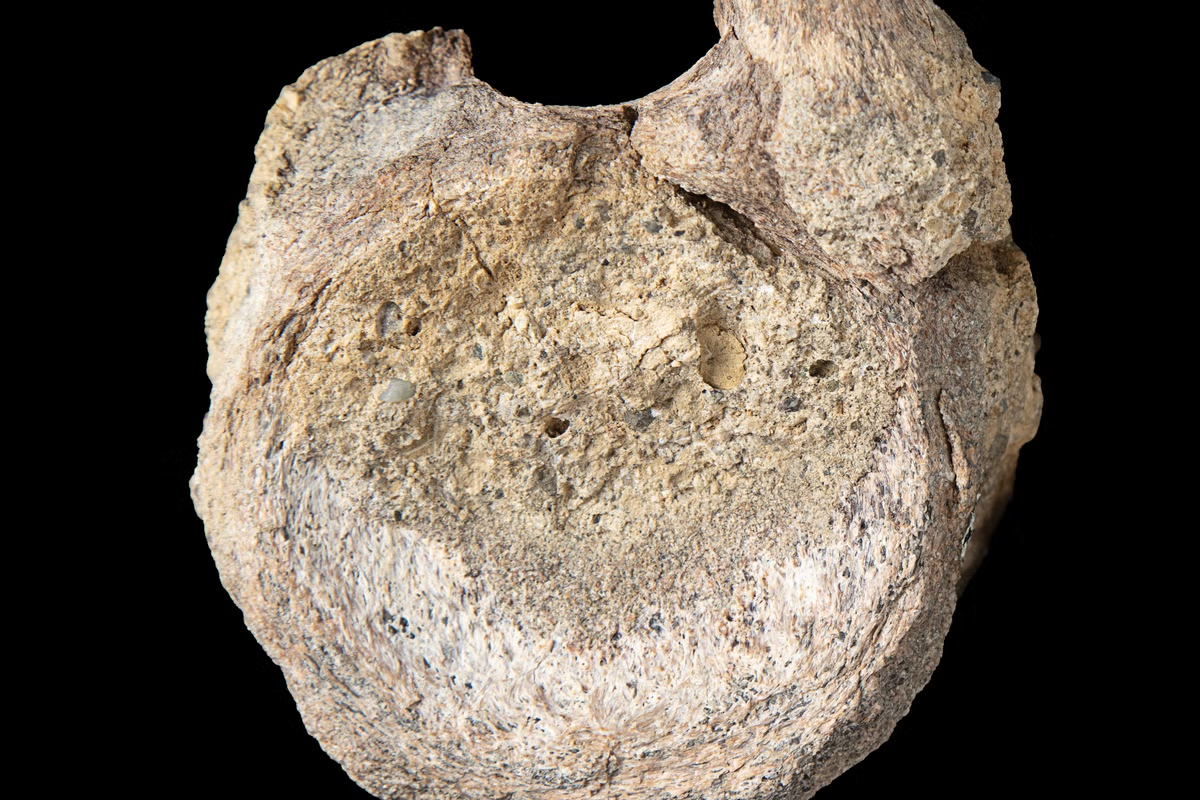
A rare dinosaur fossil, a tail bone from a long-necked, plant-eating titanosaur, has finally been identified decades after its initial discovery, having been tucked away in a drawer. The species of the dinosaur remains unknown.The bone was first unearthed in 1985 during an expedition to Antarctica's James Ross Island by geologist Mike Thomson. Working with the British Antarctic Survey, Thomson was mapping the region's rock layers and collecting marine reptile fossils for dating purposes, recording the find simply as a large reptile.Decades later, paleontologist Mark Evans stumbled upon the bone within the British Antarctic Survey's collections and suspected it might be a dinosaur. He and other researchers subsequently analyzed its shape, comparing it to more complete dinosaur remains, which confirmed their suspicions. The findings were published on Monday in the journal Acta Palaeontologica Polonica.Scientists have stumbled on a rare dinosaur fossil from Antarctica, tucked away for decades in a drawer (© The Trustees of the Natural History Museum, London)The bone comes from the tail of a long-necked, plant-eating dinosaur called a titanosaur. Scientists haven’t yet identified the species it belongs to (© The Trustees of the Natural History Museum, London)It was discovered in 1985 during an expedition to Antarctica’s James Ross Island and collected by geologist Mike Thomson (© The Trustees of the Natural History Museum, London)Dinosaur fossils are exceptionally rare in Antarctica due to its harsh, icy conditions. However, millions of years ago, when this particular dinosaur roamed, the continent was covered in lush forests — a "rather different and much more hospitable place than we think of today," according to study co-author Paul Barrett with the Natural History Museum in London.Measuring approximately 23 feet (7 meters) long, the dinosaur was considered small for its group and may have been young at the time of its death. While the exact cause of its demise is unknown, scientists theorize that its body floated away from the coast and sank to the seafloor, eventually becoming fossilized in marine rock.Technological advancements since the fossil's initial discovery have allowed researchers to peer inside bones, yielding more detailed information about ancient creatures. Poignantly, Thomson passed away in 2020, before the fossil was definitively identified as belonging to a dinosaur. "If he were still with us, he would be delighted to know what this was," said study co-author Mike Evans with the British Antarctic Survey.
Dinosaur fossil forgotten since 1985 finally identified by scientists
Scientists have stumbled on a rare dinosaur fossil from Antarctica tucked in a drawer
390 words~2 min read