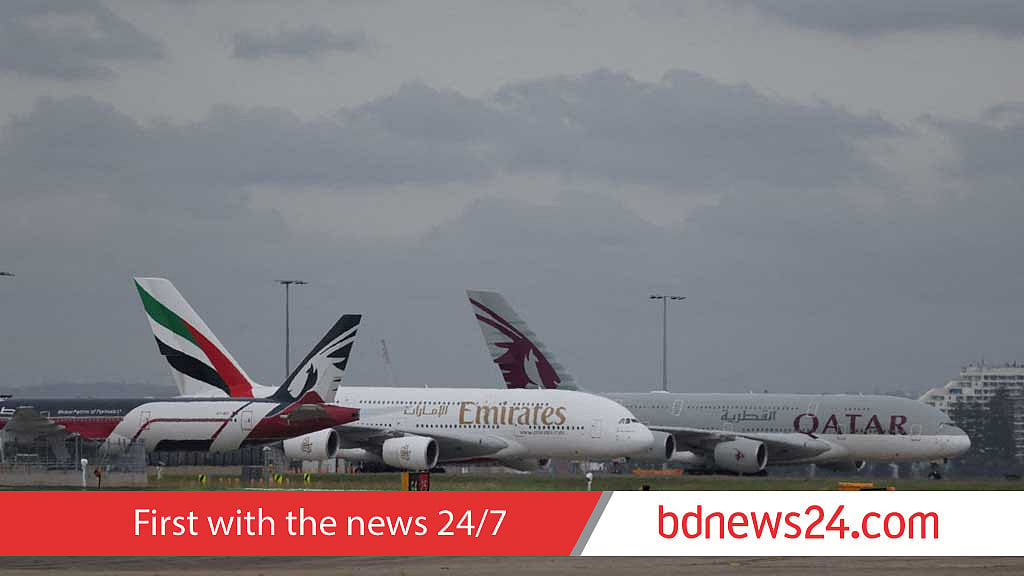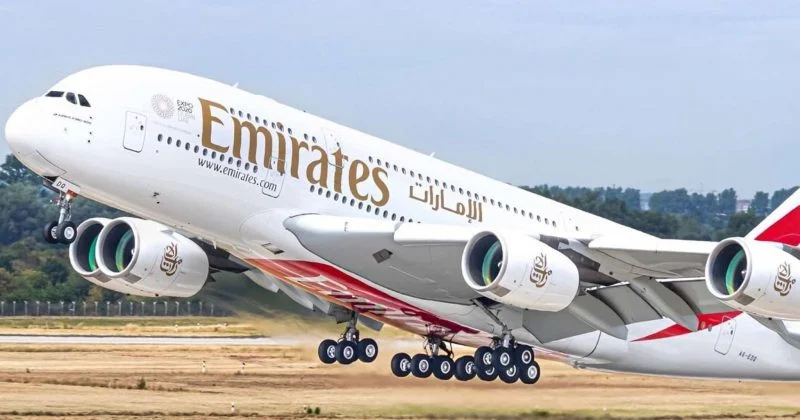
Asian airlines are experiencing a decline in passenger numbers and fare advantages on European routes as Gulf carriers resume operations and offer more competitive pricing. This shift follows the recent U.S.-Iran peace agreement and a regional ceasefire extension, which have allowed Gulf airlines to restore flights that were previously disrupted due to the Iran conflict. The initial disruptions had benefited Asian airlines, which saw increased traffic and higher fares. However, as Gulf carriers like Emirates and Gulf Air re-enter the market, the competitive landscape is changing, potentially impacting Asian airlines’ market share.
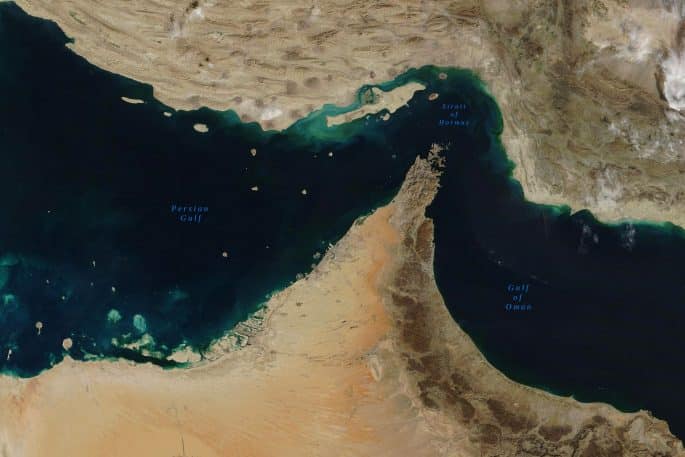
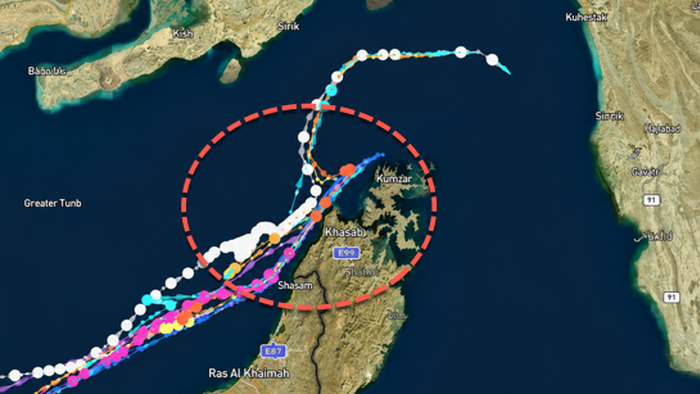
The reopening of Middle Eastern airspace has brought about a gradual recovery in the aviation sector, which had faced severe disruptions, including over 15,000 flight cancellations and a doubling of jet fuel prices. This recovery is part of a broader de-escalation in the region, marked by the reopening of the Strait of Hormuz and the removal of a U.S. naval blockade. As a result, the aviation market is transitioning from acute disruption to a phase where capacity is returning, and price pressures are easing. Market participants appear to interpret these developments as reducing escalation risks and facilitating a return to normalcy in regional aviation corridors.