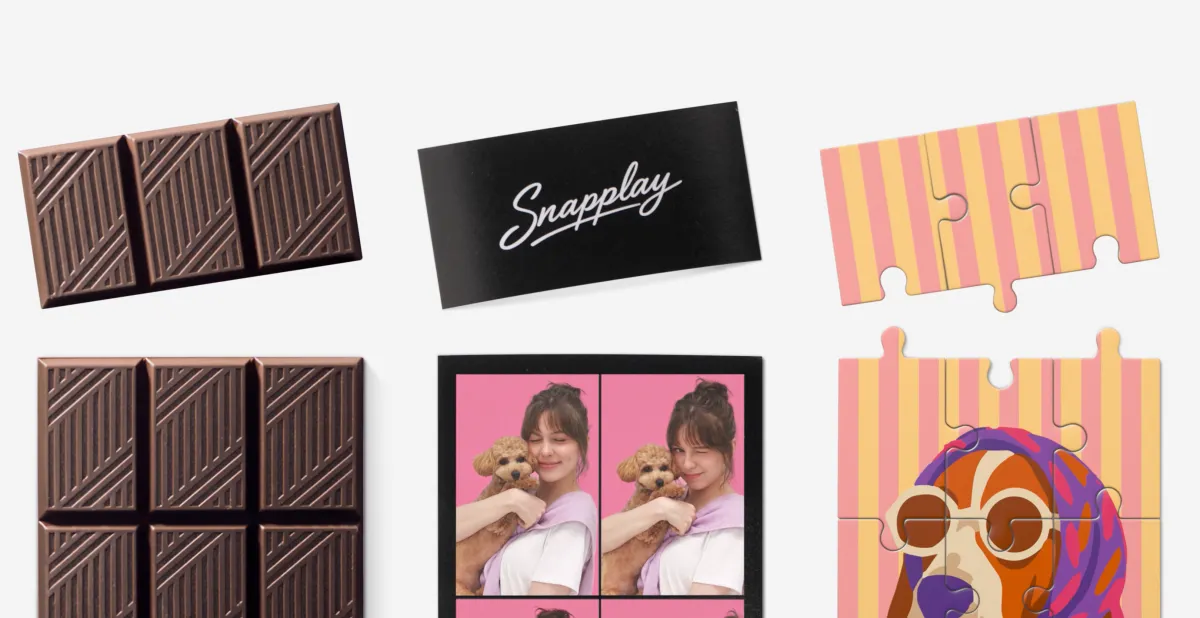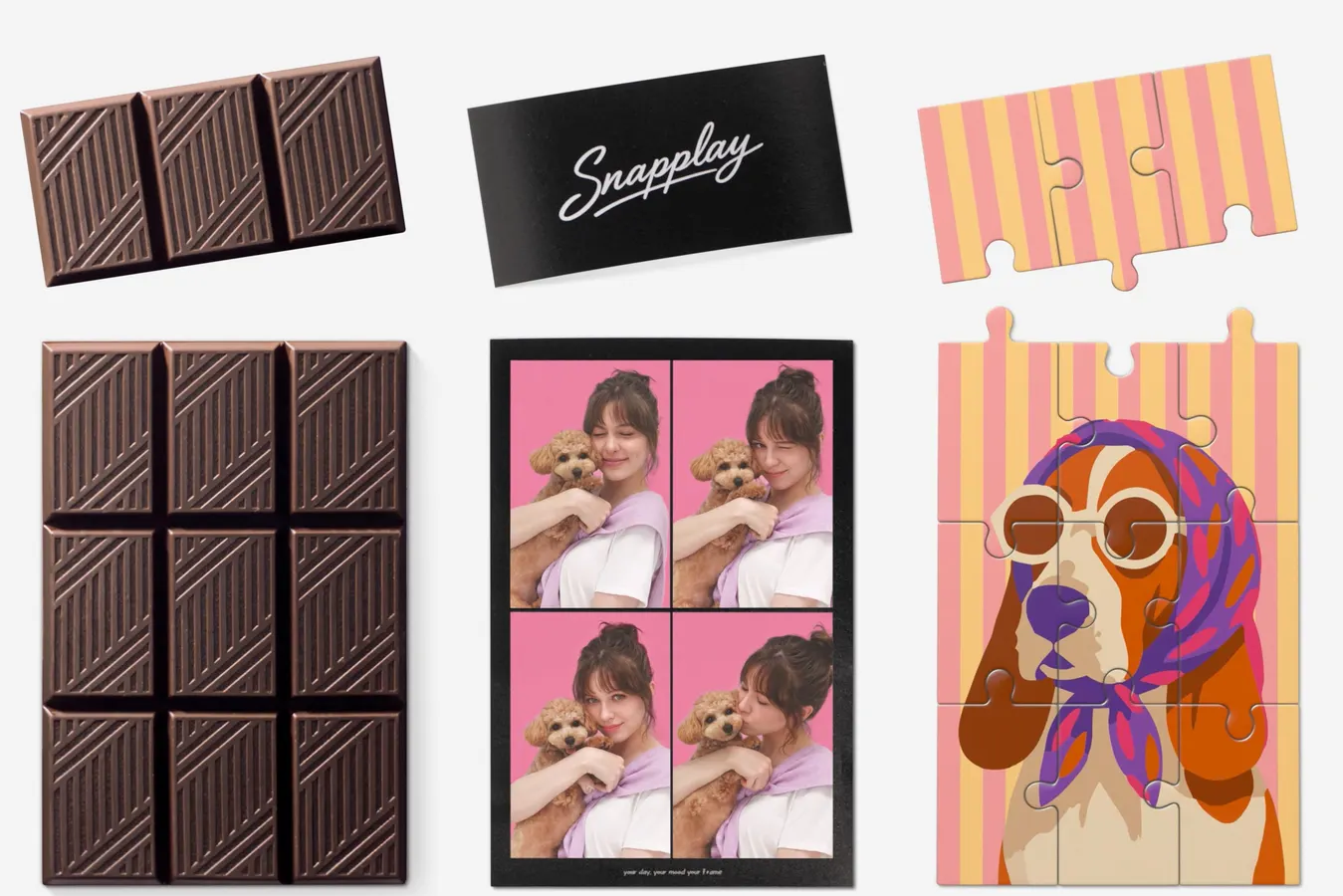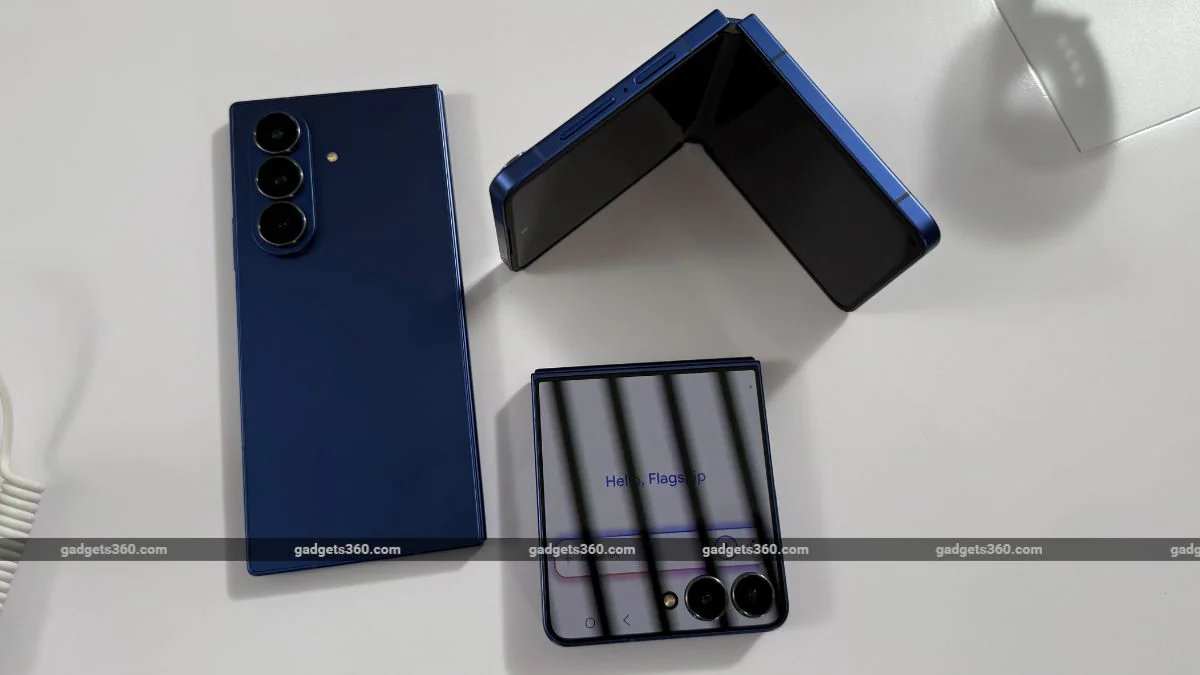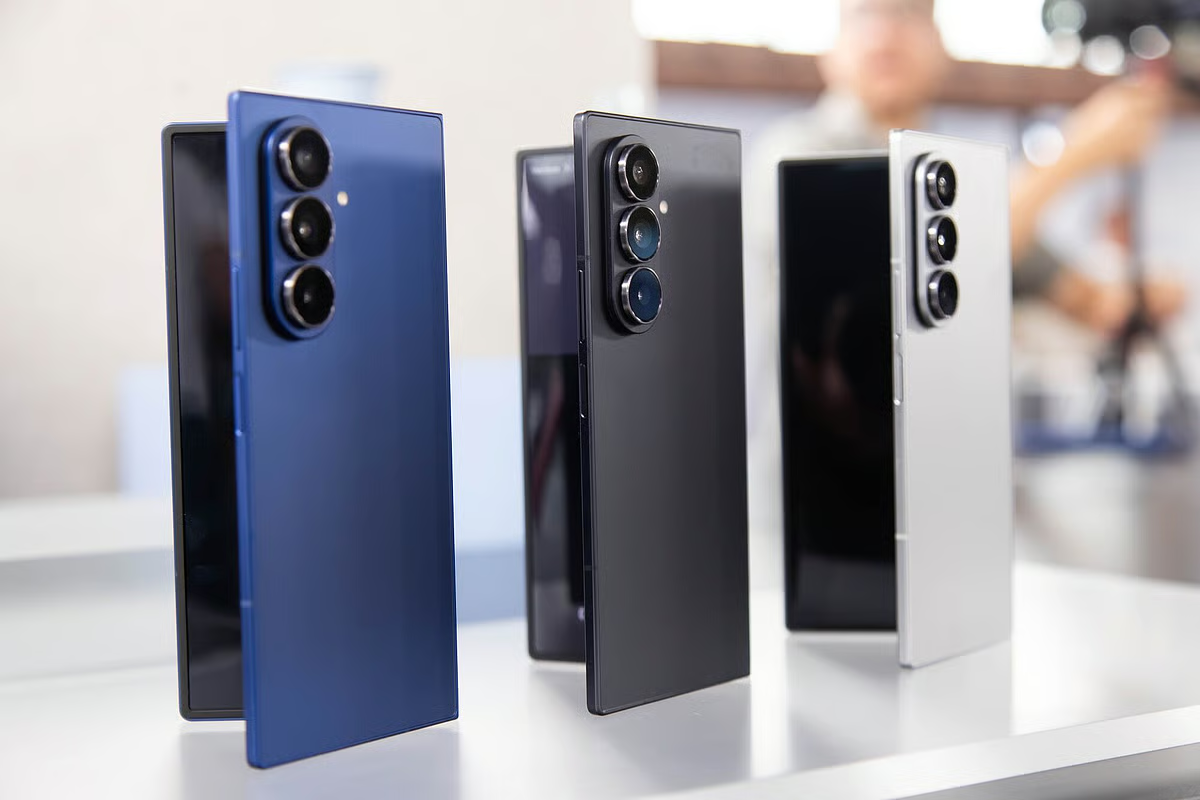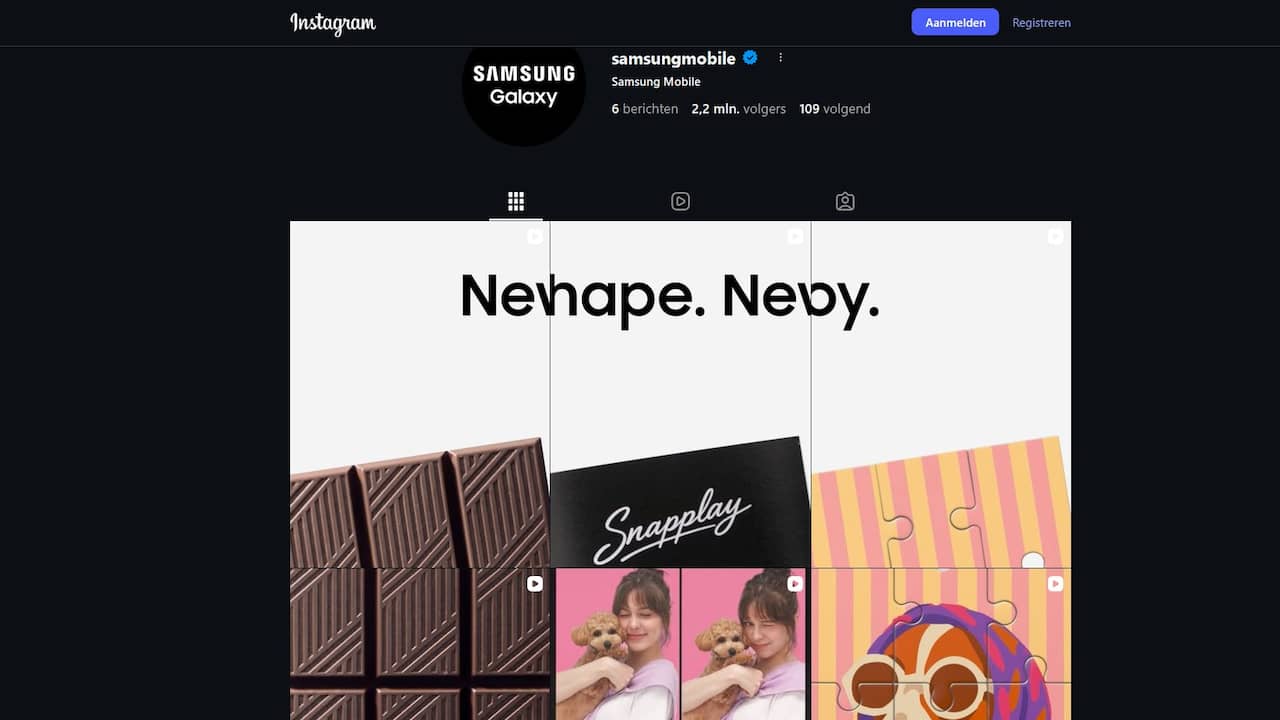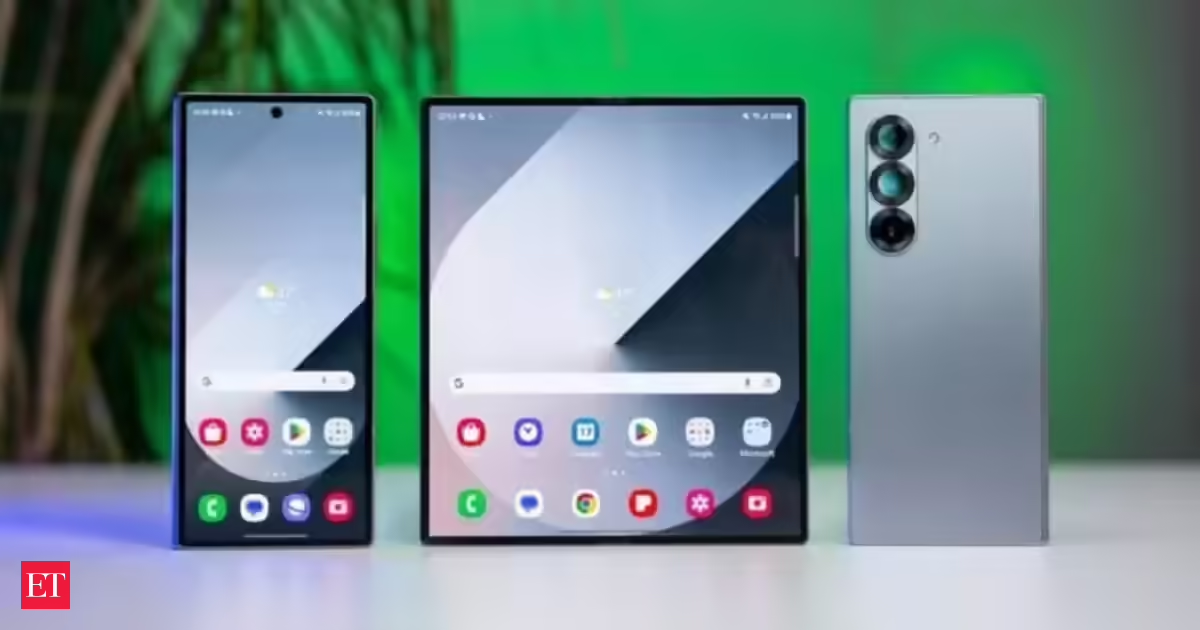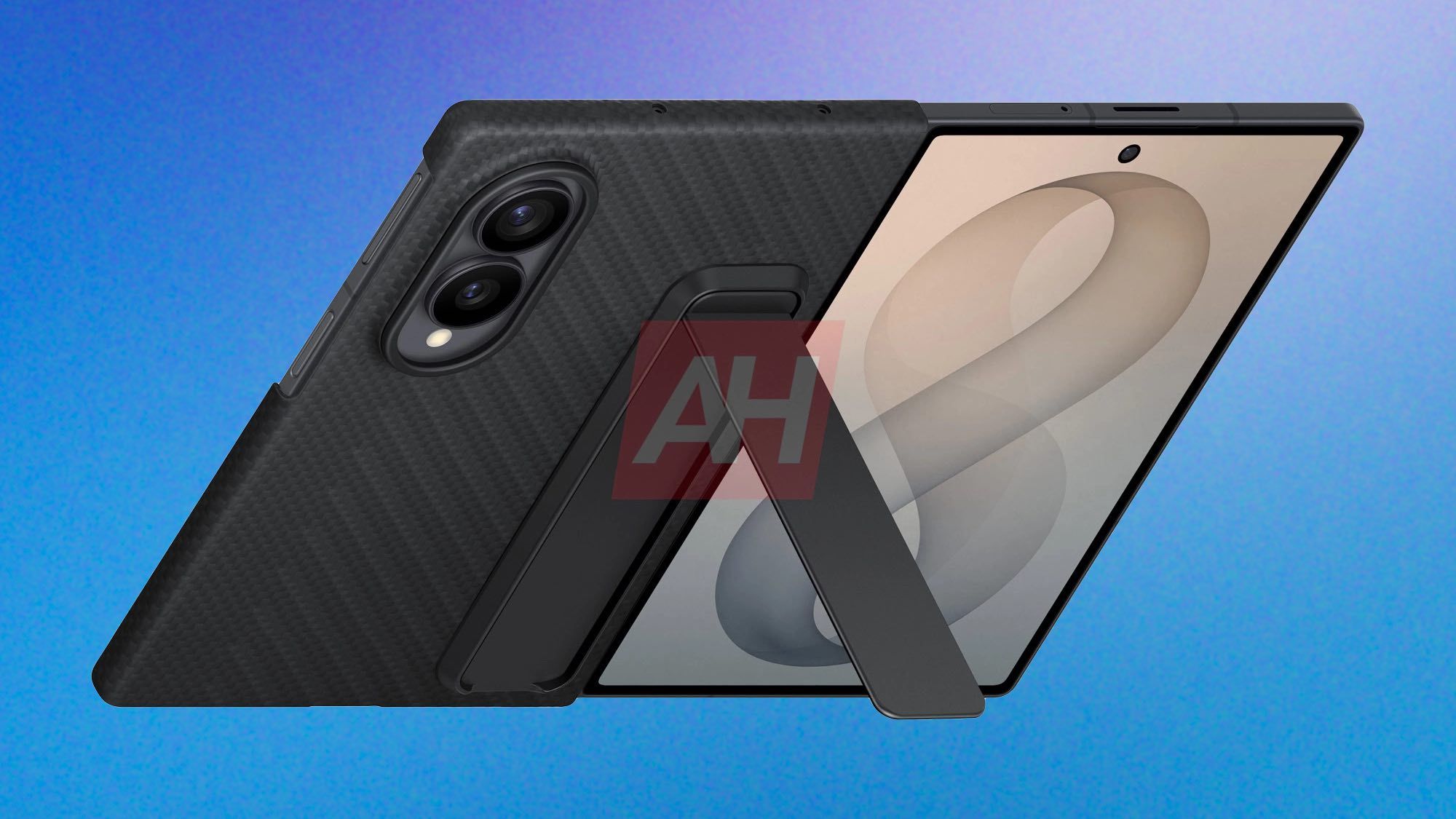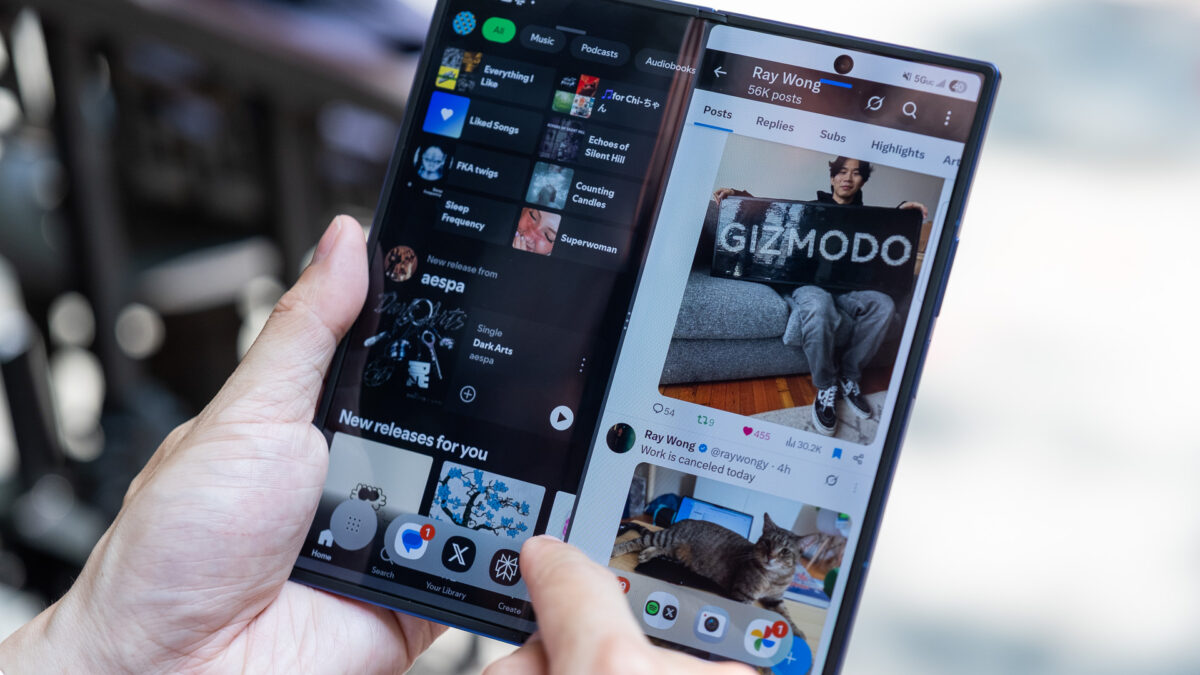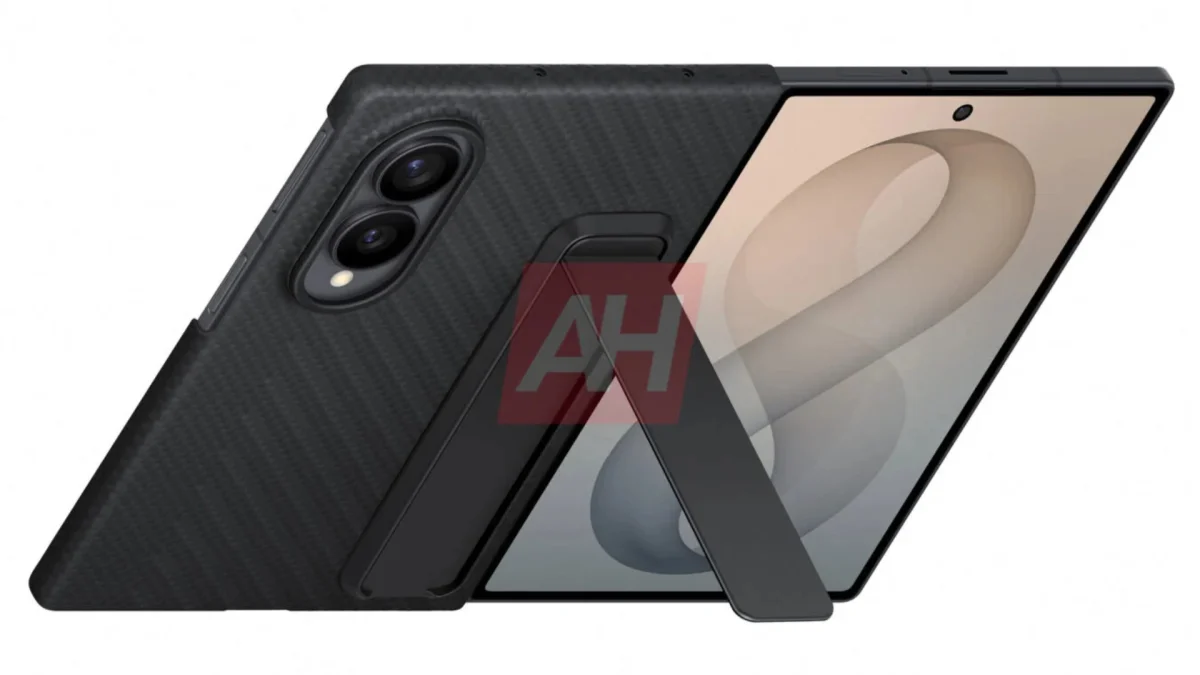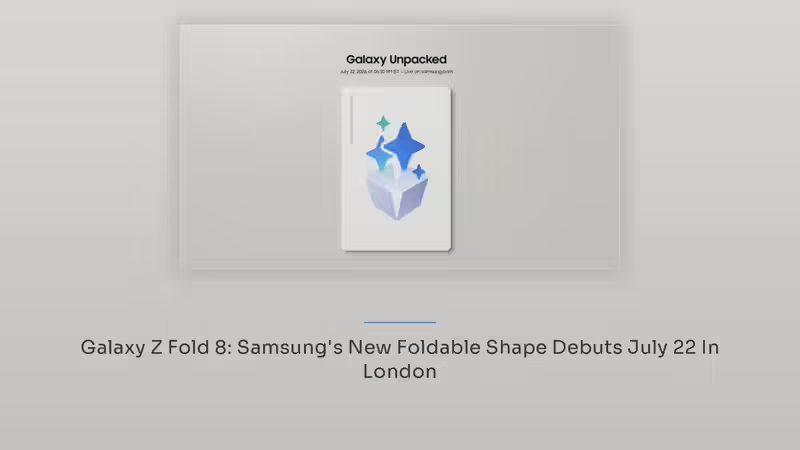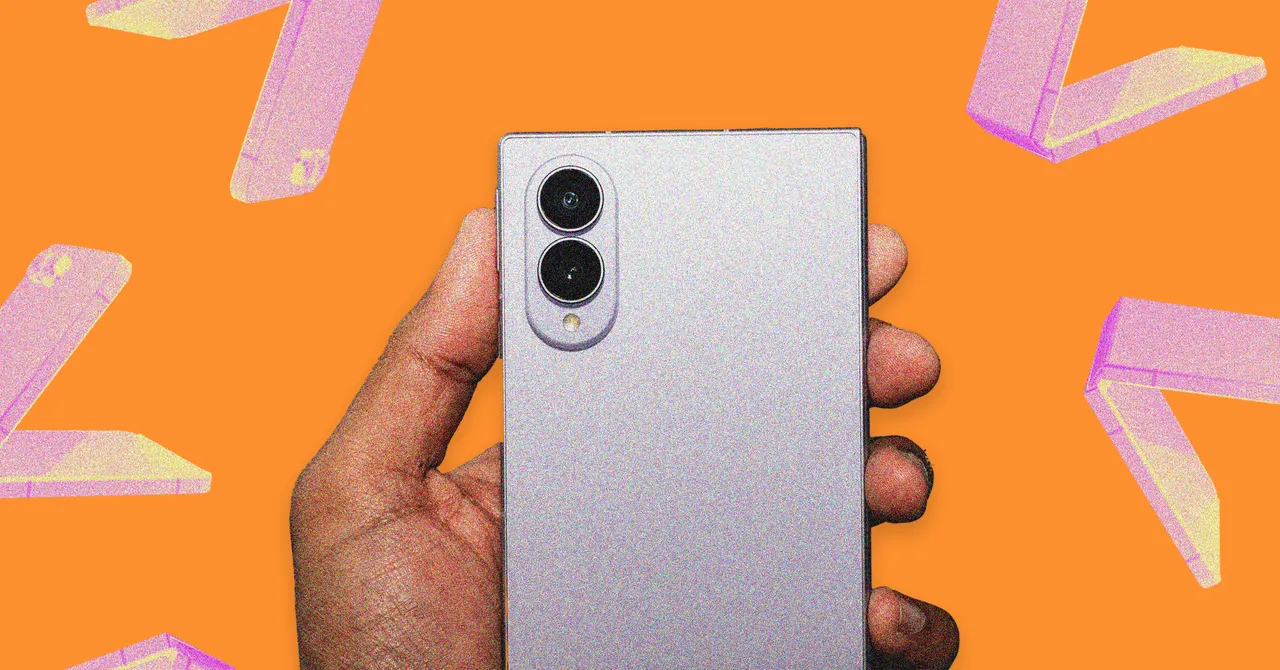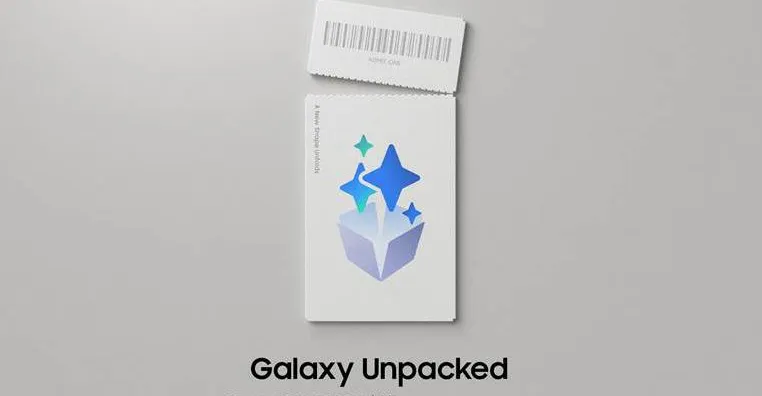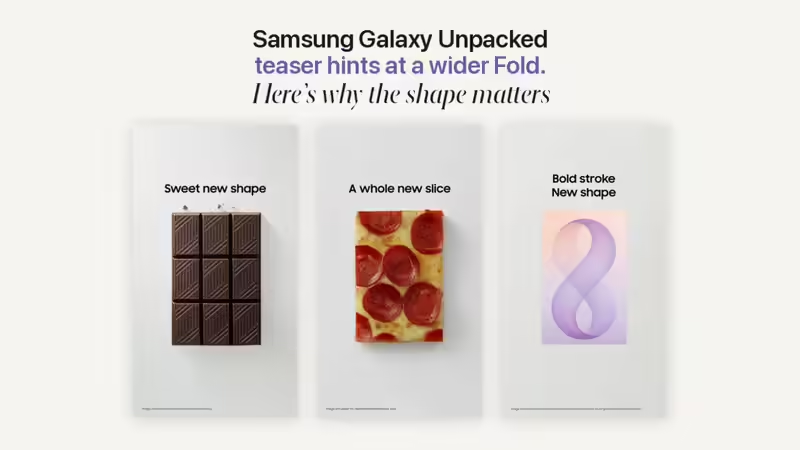
Samsung has not shown a phone. It has shown chocolate, pizza, a jigsaw puzzle, dalgona, a photobooth print, blobs of colour pushed by a squeegee and, for Indian audiences, the Taj Mahal.Yet the company’s newest Galaxy Unpacked teasers are more revealing than their cheerful surfaces suggest. Across the films, Samsung repeatedly removes excess material from familiar objects until a short, wide 2:3 portrait rectangle remains. Place two such panels beside each other and the result is a 4:3 landscape canvas. That pattern strongly points towards a book-style Galaxy foldable that opens into a wider, more tablet-like display.Samsung has yet to confirm the name, specifications, launch date or venue of its next foldables. Reports have pointed to a July 22 Galaxy Unpacked event in London, where the company could introduce the Galaxy Z Fold 8, Galaxy Z Flip 8 and a new wider Fold variant. Those reports remain unconfirmed by Samsung, and the device name circulating online, including “Galaxy Z Fold Wide”, should be treated as rumour rather than product fact.What Samsung has confirmed, through its teaser campaign, is a design argument: a foldable need not begin with a tall phone and merely become a bigger tall phone. It can be shaped around a different task. The campaign’s objects all start with something excessive, awkward or incomplete. Then the company cuts, removes, extracts or rearranges until the useful portion is left behind.It is an unusually disciplined piece of pre-launch marketing. Samsung is teaching viewers a proportion before it shows them hardware.Key TakeawaysSamsung’s teaser films repeatedly end with a 2:3 portrait panel, suggesting a 4:3 display when a book-style foldable is opened.The company has not announced a “Galaxy Z Fold Wide”, Fold 8 or London event. Those details remain based on reporting and leaks.A wider inside display could make documents, web pages, split-screen work and some video formats more comfortable than on Samsung’s traditionally tall Fold screens.The bigger question is whether Samsung can make that shape work without compromising pocketability, battery life, cameras, app behaviour or India pricing.For Indian buyers, the next Fold will need more than a clever aspect ratio. It will need a convincing price, service support and a reason to choose it over a conventional flagship plus tablet.What Samsung’s teaser is really sayingThe first temptation is to read these films as conventional “something new is coming” advertising. Samsung has used that playbook before: an abstract object, a mysterious line, a black screen, a logo. This campaign is more specific.Every film keeps returning to the same visual grammar.An object starts too tall, too circular, too scattered or too busy. Something is removed. The central portion survives. It settles into a visibly squat, portrait-oriented rectangle. The wording shifts from film to film, but it keeps orbiting shape, fit, cropping, selection and a new “slice”.That is not a vague aesthetic preference. It is a product clue.Samsung’s existing Galaxy Z Fold phones have historically opened into a comparatively narrow, almost square-ish internal display while retaining a tall cover screen. The approach has its advantages: it allows the closed device to remain closer to the proportions of a smartphone, and Samsung has spent years refining its multitasking software around that format. But it also leaves some users feeling that the large inner panel sits in an uneasy middle ground. It is more expansive than a phone, but it can still feel narrow for browser pages, spreadsheets, presentation editing and two full-sized apps side by side.The current Galaxy Z Fold7, sold in India from ₹1,74,999 for the 12GB/256GB version at launch, represented Samsung’s effort to make that familiar format slimmer and lighter while adding a 200-megapixel main camera.The teaser campaign suggests that the next step may be less about shaving another millimetre off the chassis and more about changing the geometry of the unfolded device itself.A 2:3 cover-side panel would produce a 4:3 screen when opened along a central vertical hinge. That is closer to the proportions of a small tablet or a compact book than a widened phone. It would also align with reporting that Samsung is preparing a wider book-style foldable with a roughly 4:3 internal display, alongside a more conventional Fold successor.The distinction matters. Samsung may be preparing not just another Fold, but a second interpretation of what a Fold should be.The chocolate bar: a tall object made more usefulThe chocolate film is the cleanest lesson in proportion.A dark chocolate bar begins tall and vertical, divided into 12 raised sections arranged in three columns and four rows. A hand lifts away the upper row in one horizontal strip. What remains is a three-by-three block, but because each chocolate segment is vertically elongated, the result is not square. It becomes the recurring 2:3 portrait shape.The line reads: “Sweet new shape.”Samsung could have made the chocolate snap into two pieces, which would have been the obvious confectionery metaphor. Instead, it subtracts height. The company is telling viewers that the new form is not simply bigger or smaller. It is shorter relative to its width.That distinction may sound fussy until one considers how people actually use a foldable. A screen ratio affects almost everything: how much of a website is visible, whether two apps feel cramped, how a photo sits on screen, where video black bars appear, how easily a device can be held one-handed and whether the closed product still feels like a phone rather than a tiny tablet with a hinge.A taller narrow screen can be excellent for scrolling through social media or reading a chat. A wider 4:3 display can be more useful for documents, photo editing, maps, email alongside a browser, or an article open next to notes. Neither is automatically better. Samsung’s teaser language instead implies choice.That is commercially sensible. Foldables are no longer novel enough to sell merely because they fold. The category is becoming a contest over which compromises buyers are prepared to accept.The photobooth print: content should fit the display, not fight itThe photobooth teaser may offer the campaign’s most practical clue.A hand holds a four-photo print of a woman and a dog. Above the pictures is a large branded header reading “Snapplay”. A cutting tool moves through the strip and removes that top section. The surviving four-photo grid is straightened and centred. Samsung’s line: “Cut to what matters.”The visual is easy to read as a hint towards intelligent image cropping or adaptive layouts. Samsung’s software already includes photo-editing and Galaxy AI features that can alter images, generate fills and assist with edits, though the company itself warns that AI output may vary by country, device, software version and task.Still, the deeper point concerns layout. A wider foldable would give Samsung a better canvas for showing photos, editing albums, opening a gallery beside messaging or arranging social content without forcing every app into a tall, narrow space.The danger lies in assuming that a different aspect ratio solves everything. Android’s large-screen support has improved, and Samsung has long offered app continuity and multi-window tools on its Fold devices. But app quality remains uneven. Some apps make excellent use of larger displays; others stretch, leave spare space or simply present a phone interface on a bigger panel.A new wide Fold would therefore be as much a software test as an industrial-design exercise. Samsung would need its own apps, Google’s key apps and major third-party services to make the wider canvas feel deliberate. Otherwise, the shape could become a lovely piece of hardware searching for a daily purpose.Pizza, dalgona and the campaign’s clearest product clueThe pizza film is less subtle.A pepperoni pizza sits under a top-down camera. Cuts define a rectangular section in its middle. A server slides beneath it and lifts the central rectangle away. The rest of the pizza softens into the background. Samsung calls it “A whole new slice.”The choice of pizza is clever because viewers expect a triangular slice. Samsung replaces that expectation with a precise rectangle. The company is extracting a new product category from an established one.Dalgona makes a similar argument, with more local cultural texture. A circular honeycomb candy is etched with a central rectangle. The outer edges are gradually broken away until the hidden 2:3 slab remains. The line: “A sweet reveal.”Here, Samsung appears to suggest that the wider form was always latent within the company’s foldable experimentation. That is marketing, of course. Companies often present a change in strategy as the inevitable result of a long-held vision. In reality, a wider Fold is also a response to pressure.Chinese brands have pushed hard on thin book-style foldables, large batteries and more conventional phone-like cover displays. Google’s Pixel Fold line demonstrated that a wider, passport-like design has a real audience, even if it brought its own compromises. Apple’s expected entry into foldables has added another competitive deadline, with analysts expecting book-style foldables to account for a larger share of the category in 2026.Samsung is still the company most associated with mainstream foldables, but market leadership is not a permanent entitlement. Counterpoint Research reported that global foldable shipments reached a quarterly record in the third quarter of 2025, while its 2026 outlook expects growth to accelerate as competition broadens.That makes this moment more consequential than another annual specification refresh. Samsung has to show that it can define the next mainstream foldable shape before others make the decision for it.The Taj Mahal teaser is aimed at more than Indian nostalgiaThe Taj Mahal version repeats the puzzle format. A tall three-by-four jigsaw shows the monument in orange and gold, with a blue reflecting pool leading toward the structure. A hand removes the top row of puzzle pieces. The Taj Mahal remains, while excess sky disappears. The final image settles into the same recurring proportion. “Feels just right,” says the text.The creative decision is straightforward: Samsung is localising a global campaign with an instantly recognisable Indian image. But the choice also suits the central message. The Taj Mahal’s visual power depends heavily on symmetry, balance and controlled proportion. Remove too much from the top, bottom or sides and the image loses its calm geometry.Samsung is borrowing that sense of visual rightness for the product form it is hinting at. The desired device shape is being sold as something that should feel immediately natural, rather than technically radical.For India, there is another angle. Foldables remain premium purchases, often bought by people who want a flagship phone but also want a larger screen for work, content and travel without carrying a second device. That group is small relative to the broader smartphone market, but it is valuable. A ₹1.75 lakh Fold7 was never a mass-market proposition; it was a device for buyers willing to pay for a particular kind of convenience.A wider format could sharpen that proposition. But it could also create a more uncomfortable question: why buy a very expensive foldable at all when a conventional premium phone plus a tablet may offer better cameras, battery life, durability and repair economics?Samsung’s answer will need to be practical. The foldable must be good enough as a closed phone, useful enough when opened, thin enough to carry comfortably, durable enough to justify the price and supported well enough after purchase. A teaser can make a new rectangle look inevitable. It cannot make a hinge, display crease or repair bill disappear.What a 4:3 Fold could change in daily useThe most promising case for a wider foldable is not watching films. Most films and streaming shows use wide formats, which means a squarer 4:3 display can still leave black bars above and below the video. A tall Fold is not necessarily worse here; the result depends on the source material and how much a user is willing to crop.The more persuasive use case is active work.A 4:3 internal panel could make a browser page feel closer to a compact laptop display. It could show a document with more natural line lengths. It could make a slide deck, spreadsheet, PDF or image-editing interface less cramped. It could give split-screen apps more room to breathe, particularly when one side is a browser and the other is a messaging app, note-taking app or email client.That is the promise. The trade-off is pocket comfort.A wider cover display may feel more conventional for typing and reading. Yet widening a closed foldable also makes it broader in the hand and may affect how it sits in a trouser pocket. Samsung would need to balance that width against thickness, weight and hinge engineering. A device that feels excellent when open but cumbersome every other hour of the day would repeat a familiar foldable problem: the product works brilliantly in a demonstration and less convincingly in ordinary life.Reports suggest the wider device could use a 7.8-inch internal screen and a 5.4-inch cover display, but those figures are unconfirmed.The teaser does provide one secondary clue: the squeegee film turns scattered coloured blobs into a finished panel with a ribbon resembling an infinity sign or the numeral eight. The “8” reading is tempting given expectations of a Fold 8 generation. But it is weaker evidence than the recurring aspect ratio. Samsung could be signalling fluidity, continuity or simply using a pleasing graphic motif.This is where teaser analysis needs restraint. The campaign clearly points to a new shape. It does not confirm a model name, camera system, battery, processor, S Pen support, price, India availability or a July 22 London launch.Why London matters, if the reports are rightLondon has been repeatedly named in reports as the likely venue for Samsung’s July Unpacked event. Samsung has not published an official invitation at the time of writing, so the city and date must remain conditional.A London event would make sense as a global media stage, particularly for a foldable story that Samsung wants to position against both Chinese manufacturers and Apple’s expected move into the category. It would also offer a familiar setting for a company selling premium hardware to mature markets where carrier deals, trade-ins and high-end smartphone replacement cycles influence buying decisions.For Indian buyers, the venue itself changes little. What matters is whether Samsung announces Indian prices, pre-order bonuses, exchange offers, service commitments and delivery dates promptly rather than treating India as a later-market footnote.Samsung did move quickly with the Fold7 in 2025, opening Indian pre-orders on July 9 and beginning general availability on July 25. That precedent offers some reason to expect India to remain part of the first launch wave, though it does not guarantee the same timing for an unannounced product.The price will be pivotal. The Fold7 began at ₹1,74,999. A wider, potentially more specialised model could cost at least as much, particularly if Samsung positions it as a premium alternative rather than a replacement. Until Samsung states otherwise, any precise rupee figure circulating online is speculation.The real test comes after the revealSamsung’s teaser campaign is entertaining because it makes industrial design feel like a visual puzzle. The repeated objects also do useful work. Chocolate explains subtraction. The photobooth print explains selection. The puzzle explains fit. Dalgona explains discovery. Pizza explains category creation. The Taj Mahal gives the idea cultural familiarity.The campaign’s smartest move is repetition. Samsung does not ask viewers to notice one cryptic rectangle. It gives them seven. By the time the product appears, the new proportion may already feel familiar.That is an advantage, but only at the level of anticipation.The real question at Galaxy Unpacked will be whether Samsung has redesigned the Fold around a genuine user problem. A wider display could be the answer for people who have always found book-style foldables too narrow when open and too compromised when closed. It could make Samsung’s multitasking pitch feel more credible. It could also give the company a clearer response to rivals that have treated the Fold as a compact tablet, not merely a large phone with a hinge.But a shape is only a beginning. Samsung will need to show the device’s thickness, weight, battery, cameras, durability, software behaviour and India price with the same clarity it has used to explain a pizza slice.Until then, the most defensible conclusion is also the simplest: Samsung’s next foldable appears likely to be wider. The company has spent an entire teaser campaign preparing us to see why.FAQsWhat is Samsung teasing ahead of Galaxy Unpacked?Samsung’s videos repeatedly transform everyday objects into a short, wide 2:3 portrait rectangle. The most likely reading is that the company is hinting at a new book-style foldable that opens into a 4:3 internal display. Samsung has not confirmed the product name or specifications.Is Samsung launching the Galaxy Z Fold 8 in London in July?Reports have pointed to a July 22, 2026 Galaxy Unpacked event in London, potentially featuring the Galaxy Z Fold 8, Galaxy Z Flip 8 and a wider Fold model. Samsung has not yet officially confirmed the date, venue or line-up.What is the rumoured Galaxy Z Fold Wide?“Galaxy Z Fold Wide” is an unofficial name used in leaks and reporting for a possible wider Samsung book-style foldable. The rumoured design would open to a more tablet-like 4:3 display, rather than the taller format associated with earlier Galaxy Z Fold models. The final retail name remains unknown.Why would a wider foldable be useful?A 4:3-style inner display could make web browsing, document editing, PDFs, split-screen multitasking and photo work feel more natural. It may also make the cover display easier to type on if Samsung widens that panel. The trade-off could be a broader device in the hand and pocket.Will the next Samsung Fold launch in India?Samsung has not confirmed India availability for its next foldables. The company did include India in the first launch phase for the Galaxy Z Fold7 in July 2025, with pre-orders opening on July 9 and general availability beginning July 25.How much could Samsung’s next wide foldable cost in India?There is no confirmed India pricing. For context, Samsung launched the Galaxy Z Fold7 in India at ₹1,74,999 for the 12GB/256GB version. A wider or additional premium Fold model could be priced similarly or higher, but Samsung has not announced a figure.Should Galaxy Z Fold7 buyers wait for Galaxy Unpacked?Buyers considering the Fold7 mainly for a large screen and multitasking may want to wait until Samsung confirms its next Fold range, because the teaser campaign points to a potentially meaningful change in display proportions. Buyers who find a Fold7 deal compelling today should weigh the saving against the uncertainty around the next model’s price, availability and real-world compromises.end of article
Samsung Galaxy Unpacked teaser hints at a wider Fold. Here’s why the shape matters
Samsung’s latest Galaxy Unpacked teaser campaign appears to hint at a wider, more tablet-like foldable rather than a routine annual Galaxy Z Fold refresh. Across videos featuring chocolate, pizza, dalgona, jigsaw puzzles, photobooth prints and the Taj Mahal, Samsung repeatedly removes excess material until a short, wide 2:3 portrait rectangle remains. When two such panels are placed side by side, they form a 4:3 display, suggesting a possible book-style foldable with a wider inner screen.
3,058 words~14 min read