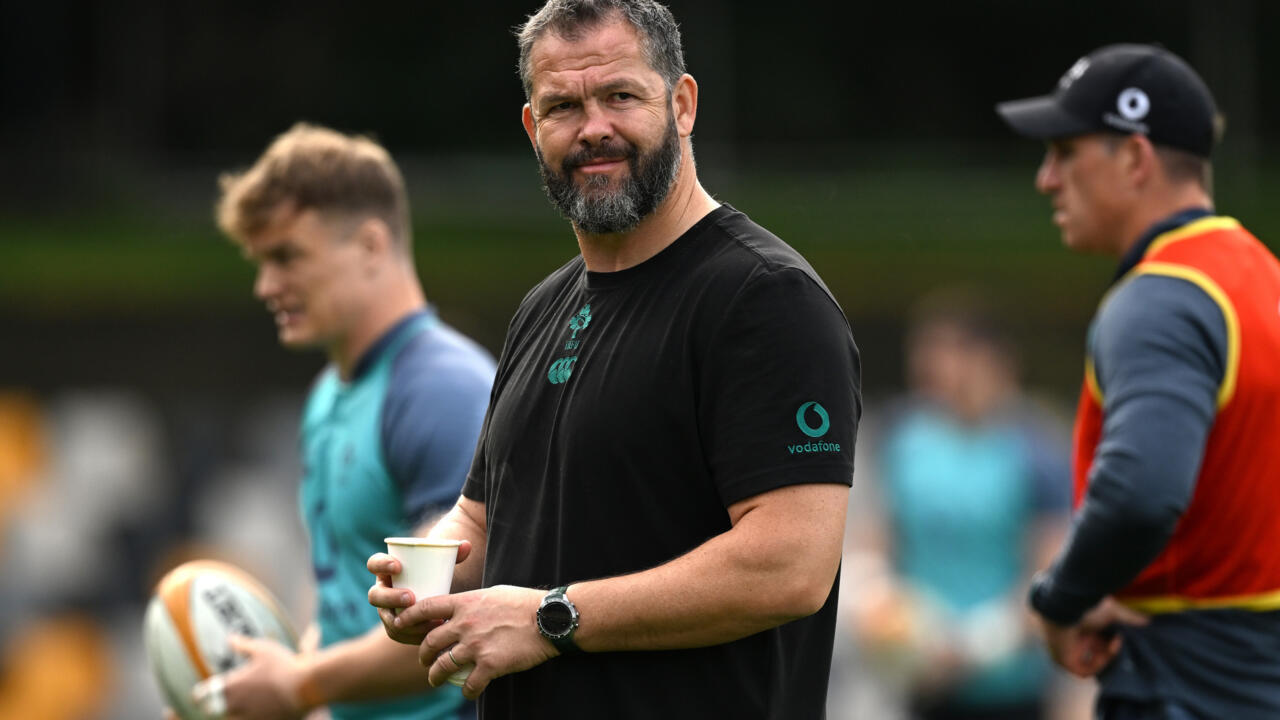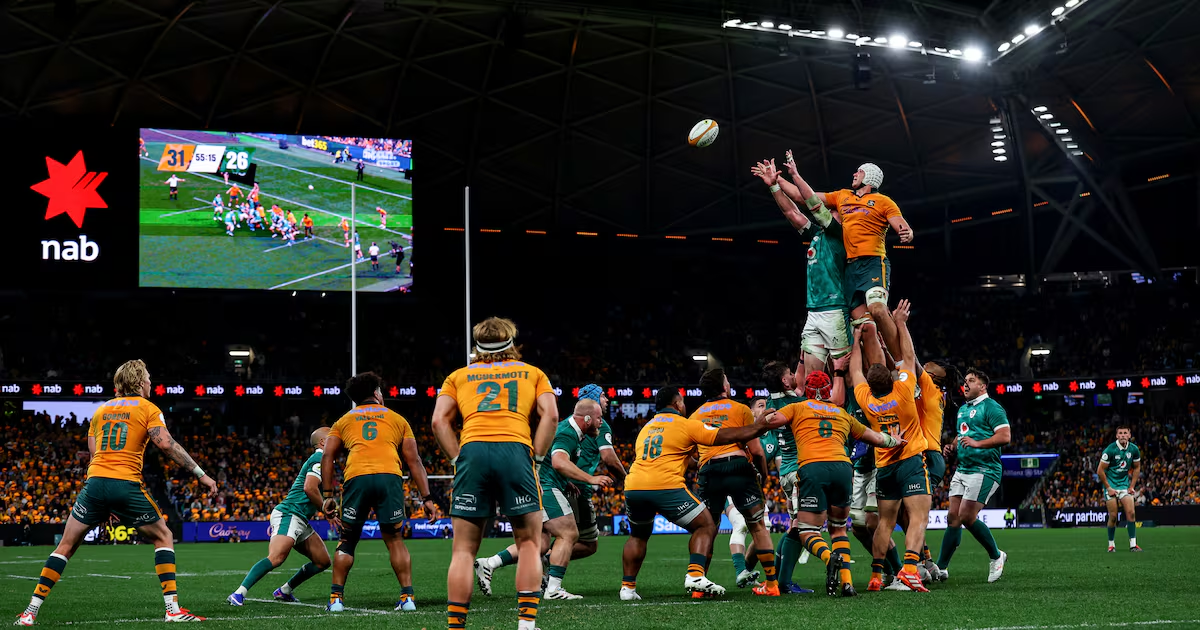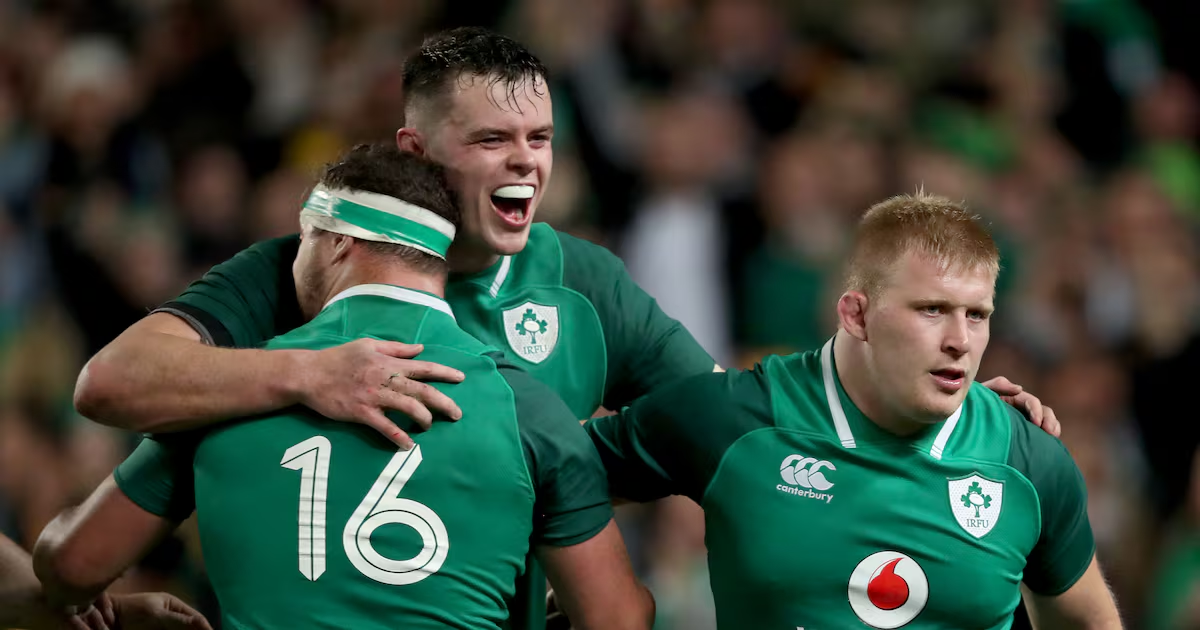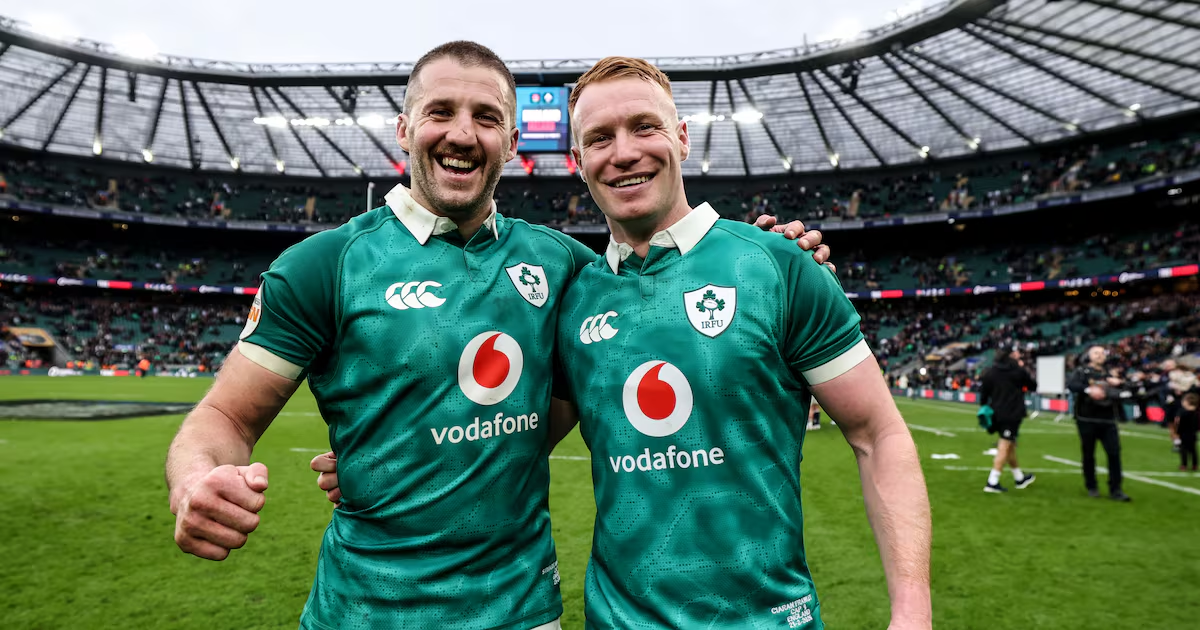
Home comforts matter. The statistics are there to back up the statement. Decamping to another hemisphere comes with a bagful of tests, long-haul travel, skipping through time zones, jet lag and the mental challenge of the last three matches of a conspicuously long season.I can still recall my first time on tour in South Africa and New Zealand, off the back of a full season, playing against the world’s best in their backyard. It was so intense. The fans were aggressively hostile, as if they could play an important role in securing a result for their team. The home players fed off it, ensuring every ounce of the advantage was squeezed out.The Nations Championship throws up some interesting fixtures, and with that there is a temptation – looking at the squad Andy Farrell has brought to Sydney – to reach for the familiar excuses or mitigations. It’s the end of a brutal season. The partisan home crowds. A travelling party thinned by injury. All of it true, and all of it beside the point.For me, the more honest way to read this tour is that it may be the most useful thing to happen to Irish rugby in the last two years or so. Start with the list of missing players. Andrew Porter, Jack Crowley, Mack Hansen, Calvin Nash, Ryan Baird and Edwin Edogbo are all out.Farrell has not rested a single player; he has chosen the strongest squad available to him. He named Caelan Doris as captain, until Doris broke down inside seven minutes of the URC final and limped off, returning after the whistle to lift the trophy on one broken foot that has now ended his summer.Tommy O’Brien went the same day with a groin issue. The armband passed to Dan Sheehan for a tour into the unknown. Farrell fully intends to win all three matches. But the injuries to Doris, O’Brien et al have opened a door to an inadvertent rather than calculated opportunity.Farrell’s tenure has been built on stability, a settled spine, and a “next man up” philosophy that when required usually came wrapped in experience. It has served him well. He’s a coach who rarely looks past the strongest 15 at his disposal, for whom injuries are a problem only when they become one.The new harmonised season – more rugby, more compressed, with less mercy in the calendar – has made those injury problems more commonplace. Perhaps there’s a touch of serendipity that it has arrived now, on Farrell’s terms, rather than in a World Cup quarter-final.Ireland's Jacob Stockdale in action against Wales at the Aviva on March 6th, 2026. Photograph: INPHO Outhalf commands a primary spotlight. Crowley reinstated himself as the starting 10 during the Six Nations. His injury means there’s a temporary vacancy. Who’s the next best currently? Harry Byrne lost his mojo at the tail end of the season. Sam Prendergast has recaptured some form but the best equipped, for me, is now Ciarán Frawley.His impending move to play his club rugby for Stuart Lancaster at Connacht has freed something in him, visible in his cameo end of season appearances. He no longer has the look of the utility option, summoned as cover in a variety of positions.Farrell knows Frawley will be employed primarily as a 10 between now and next year’s World Cup in Australia. It gives the Skerries man a gilt-edged chance to put a marker down.Put him alongside Stuart McCloskey and the picture gets more interesting again. McCloskey’s game would complement Frawley’s instinct to play with a little less structure. You then have the makings of something Ireland enjoyed in the Six Nations when the Ulsterman gave the attacking line its shape and ballast.Add a Bundee Aki, or perhaps as a wild card Jacob Stockdale to build on or develop the Ulster flair into a 10-12-13, and you start to see why this tour might be one where Ireland get to ask whether their attack can evolve in a different direction.Which brings me to the Ulster contingent, because their job here is not just to make up the numbers. Their style at club level champions transition rugby, attacking on instinct and with a less rigid approach. That can have a positive influence on their Ireland team-mates. This might be a step too far, but I would love to see a player like Stockdale given an opportunity to get on the ball, his ability to beat defenders is thrilling to watch. Look at what Bordeaux have done with Damian Penaud, a move to 13 to get one of their most dangerous runners into a more central role.Ireland's Bryn Ward attends a rugby training session at Leichhardt Oval in Sydney on June 30th, 2026. Photograph: Saeed Khan/AFP via Getty Images Could Stockdale benefit from something similar, generating pace on to the ball and offering some variety in the centre? I have written before about how a player imposing his identity on a match can be positively infectious. Is this an opportunity to be creative with selection as well as how we attack?There are genuinely new faces. Sam Illo and Sean Jansen, uncapped, called in off strong provincial seasons and Emerging Ireland form. My old Lansdowne team-mate Enda “The Bull” Bohan’s young fellah, Billy Bohan, is in the frontrow mix.The Ulster brothers Bryn and Zac Ward, drafted in for Doris and O’Brien; names that were not first choice, suddenly find themselves the next cabs off the rank. That is the gift of a tour like this. All any player wants is a chance. The good ones take it.This is where Farrell’s framing of the tour becomes so important. The tone is set from the top. There is no latitude given to excuses or lamenting missing players. Expectations do not drop. Ireland are coming to win. The coaches will prepare the players and then it’s up to them to step up. There is no soft landing, no easy out and there shouldn’t be.It is the same pressure the players felt around the Six Nations, the same transfer of responsibility on to the people who cross the white line. That is a healthy thing. It’s how selection becomes informed, how fringe players play themselves in or out of a World Cup conversation, 15 months out from the tournament.Australia at home will be hard. A well-organised Joe Schmidt side, in their own backyard, against a team that has crossed the world and is carrying the niggles of a long season in its legs. Ireland will need a lot to go right but adversity has never been the enemy of this group; it has usually been the making of it.We will judge the tour on results, we always do. But there is a layer that matters more than the results, and that is the performance. Performance first, then results, and on this tour, more than most, the performances can be where the real value lies. Three wins would be the cherry.
Gordon D’Arcy: This tour could be the most useful thing to happen to Irish rugby in two years
Injuries have thrown up an inadvertent opportunity for Andy Farrell
1,156 words~5 min read