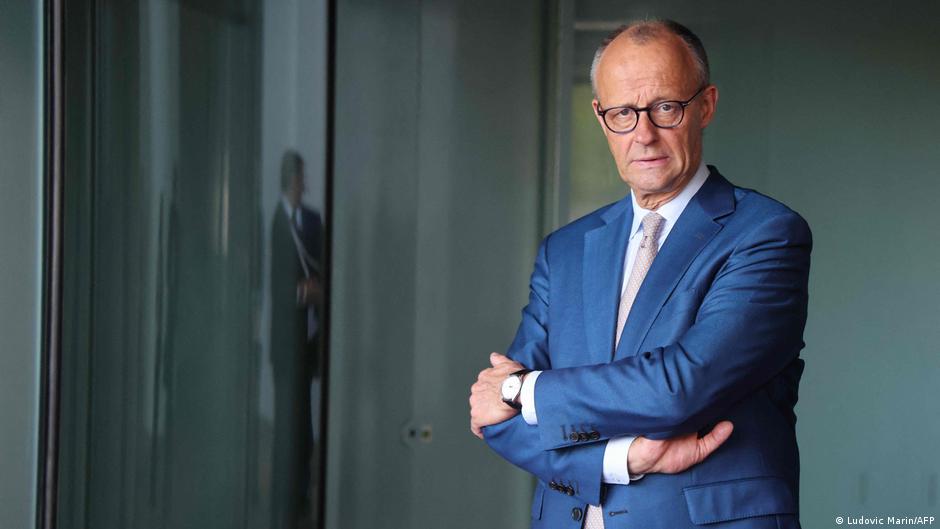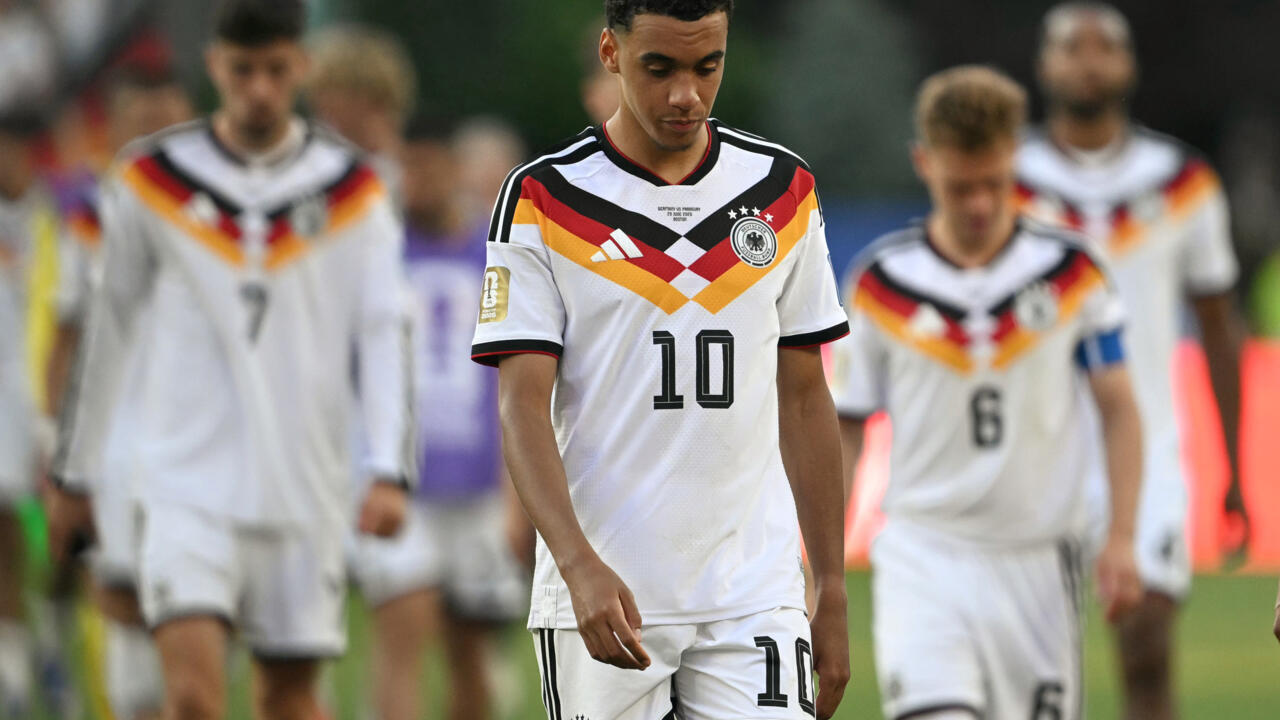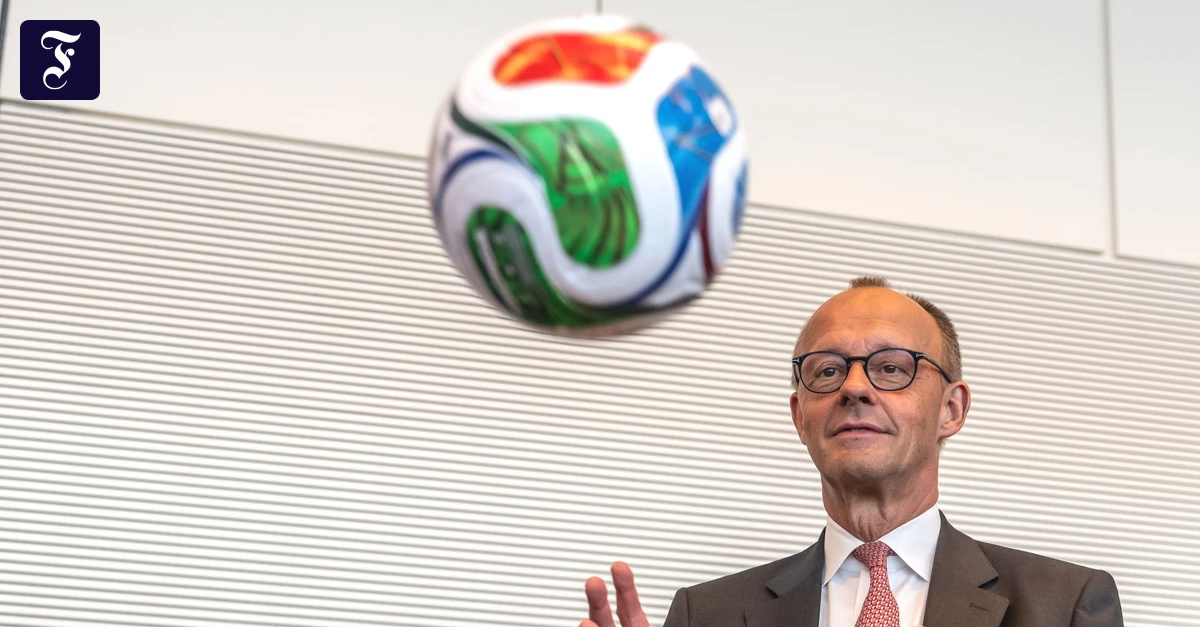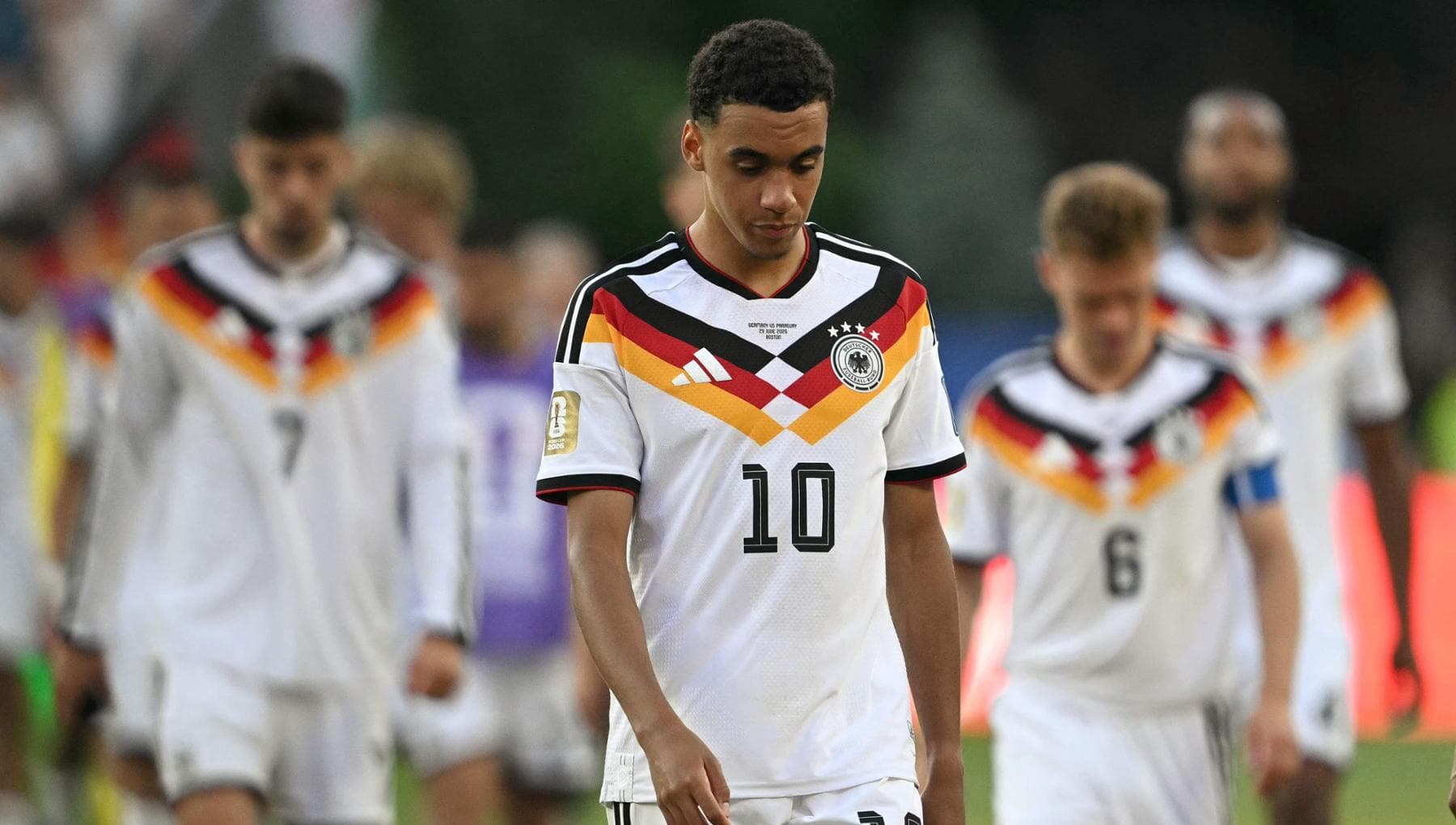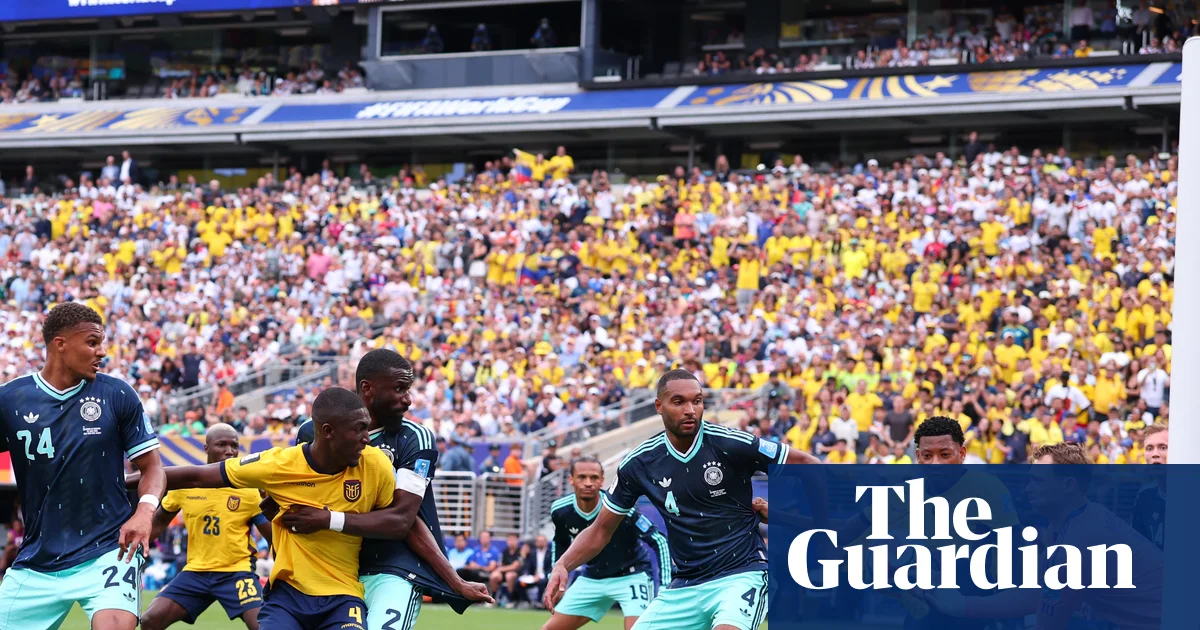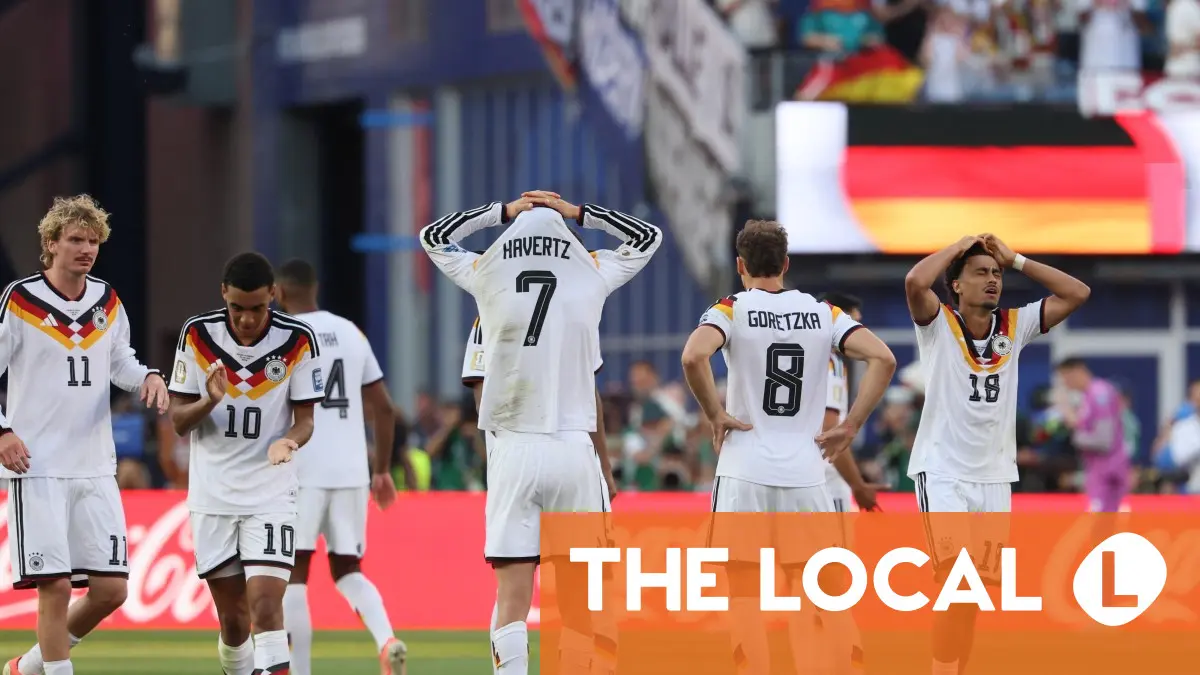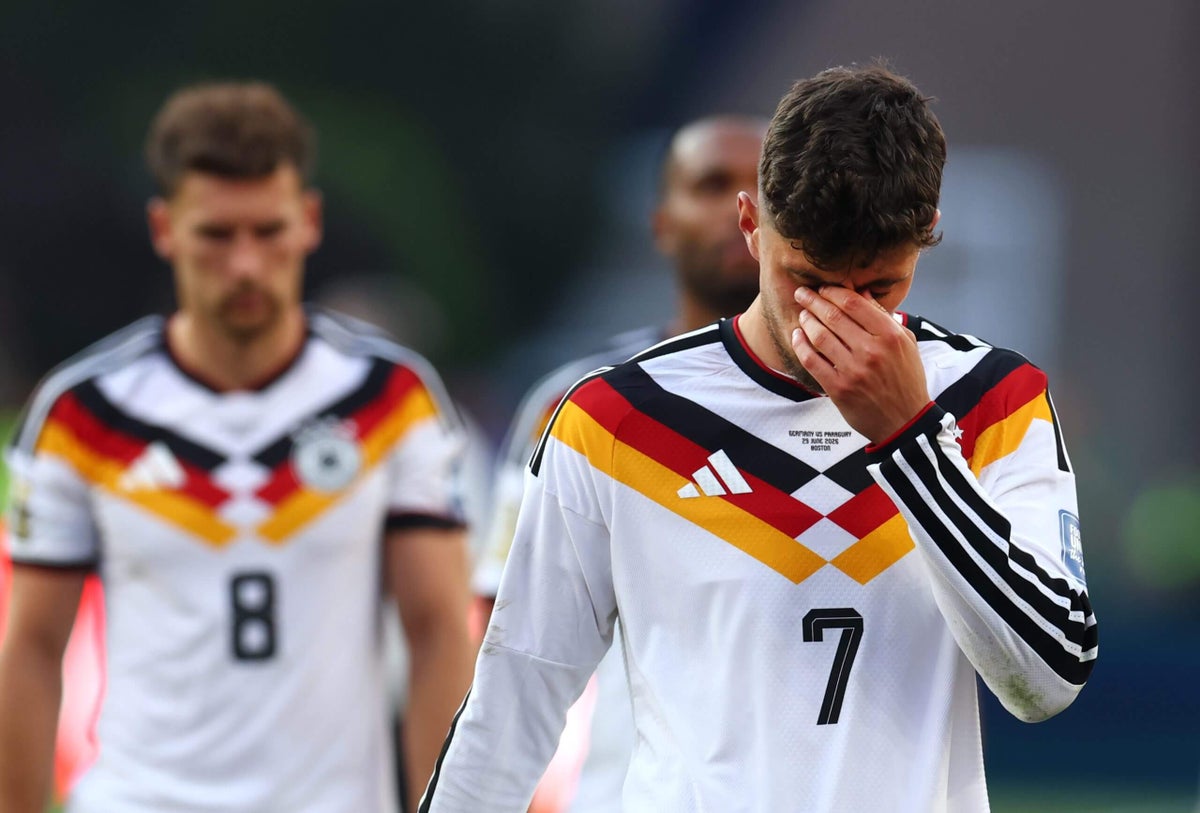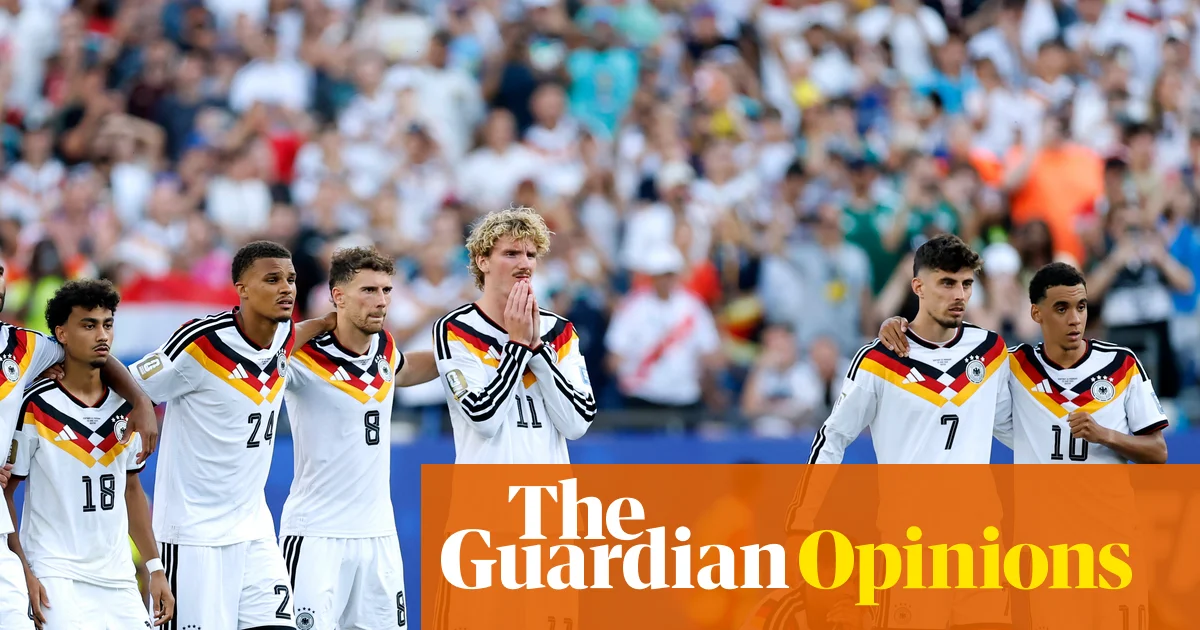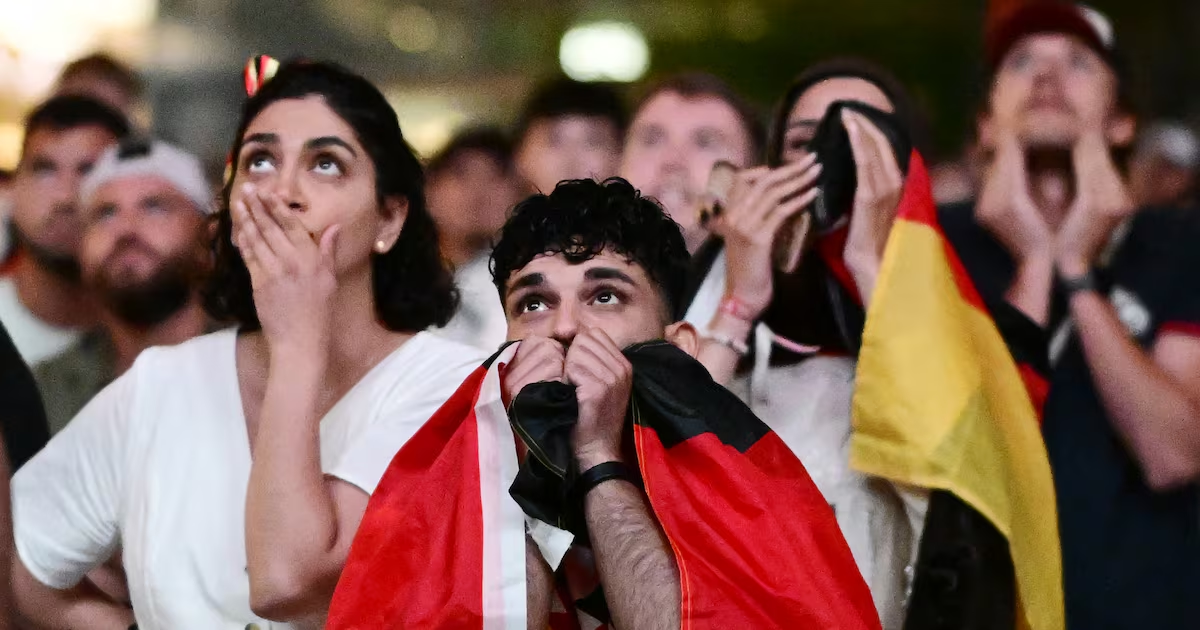
Hours after Germany crashed out of the World Cup, the soccer merch stand was doing bumper business in Berlin’s main train station.Amid the attraction of cut-price jerseys was real disappointment at the national side’s disaster.“I had a bad feeling this time, but it’s not the team’s fault,” said Tommy Graf a 28-year-old Berliner, blaming instead national coach Julian Nagelsmann. “He didn’t manage to put together a working strategy, his tactics are a mystery to me.”It’s 20 years since Germany hosted the World Cup. Berlin’s glass-and-steel central station, opened back then as a symbol of a confident new country, is now a mess.Four platforms are blocked off for urgent building works and defective escalators have been ripped out, while outside areas remain litter-and-loiter zones.Whether soccer or rail, many see a wider malaise gripping Germany, now in its seventh year of economic decline and political drift.On Tuesday morning chancellor Friedrich Merz delivered a textbook example of what Germans call verschlimmbessern: trying to improve something and, instead, making it even worse. On X he told the national side they had “thrilled our country. We are proud of you”. About 11,000 people disagreed vocally to the post, with user Linus saying: “This sugar-coating of failures is exactly the problem. We are Germany, not the Fiji Islands. Our standards must be higher. The whole thing is symbolic of the state of our country. Performance has become irrelevant.”Bild tabloid’s editor-in-chief Marion Horn agreed: “I do not accept second-class. I am not proud ... the team didn’t fight, the coach’s appearance was arrogant, everyone’s so sated. A real reflection of our society.”Yet the World Cup shock may have come at precisely the right moment, as Germany’s coalition government gathers outside Berlin on Wednesday to strike a deal on a series of major reforms of tax, pensions and healthcare.After a wobbly first year in office, and the rise of the far-right, coalition officials know this is a make-or-break moment. But they insist the government is making progress on long-postponed reforms.Last week the federal government struck a political deal with the 16 federal states that solves a long-running row over financing. In future Berlin has promised to provide 80 per cent of the funding for tasks it delegates to states and cities, in particular dealing with refugees and asylum seekers.New planning rules have just been agreed, too, that prioritise road and housing development over environmental objections, an effort to jump-start spending of a €500 billion public infrastructure fund.Wednesday sees the start of a new €300 million pilot programme to tackle Germany’s housing shortage, offering grants of €30,000 a unit to developers who convert disused offices, warehouses or schools into apartments.And, after years of pain, a rail revolution is looming in Germany after a landmark intervention on Tuesday by the country’s transport regulator.It has ordered state-owned rail operator Deutsche Bahn, which controls 95 per cent of long-distance travel, to hand over a quarter of its major routes to private competitors, a move the regulator says will boost competition and lower ticket prices.Even Merz decided to fight back, returning to social media to insist he would put Germany back on track: “We celebrate our successes and we stand together in defeat. That is what makes us strong.”To the baying mob of German social media soccer experts, he added: “Whoever wears the eagle on their chest has earned our support and not our scorn.”
On the rebound: Merz promises to get Germany back on track after World Cup disaster
Whether soccer or rail, many see a wider malaise gripping Germany
562 words~3 min read