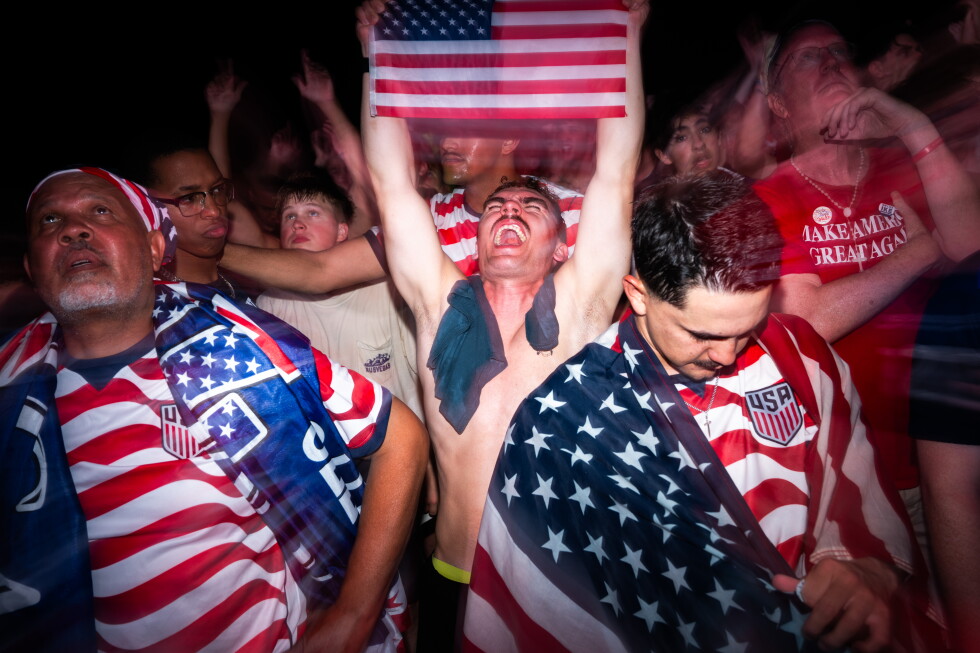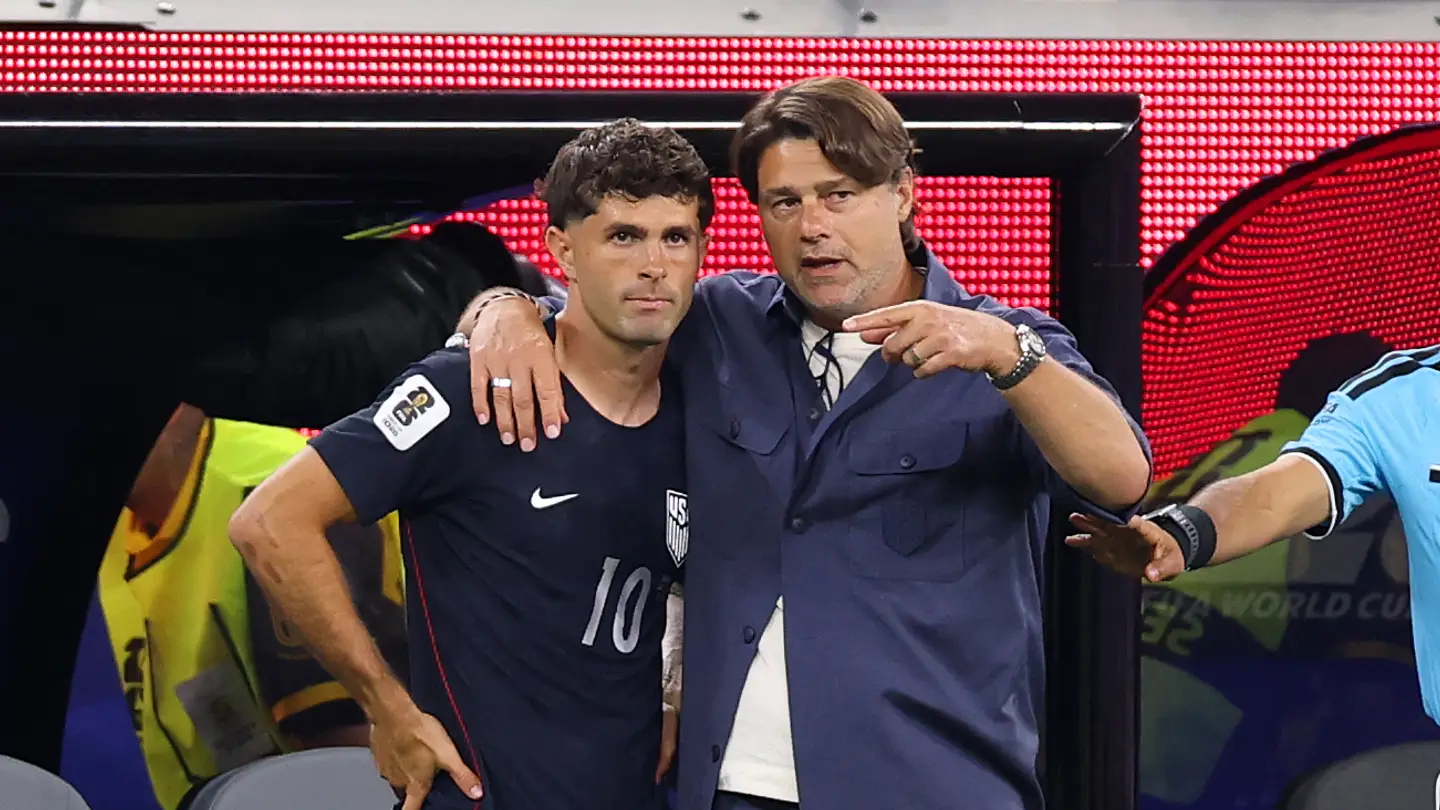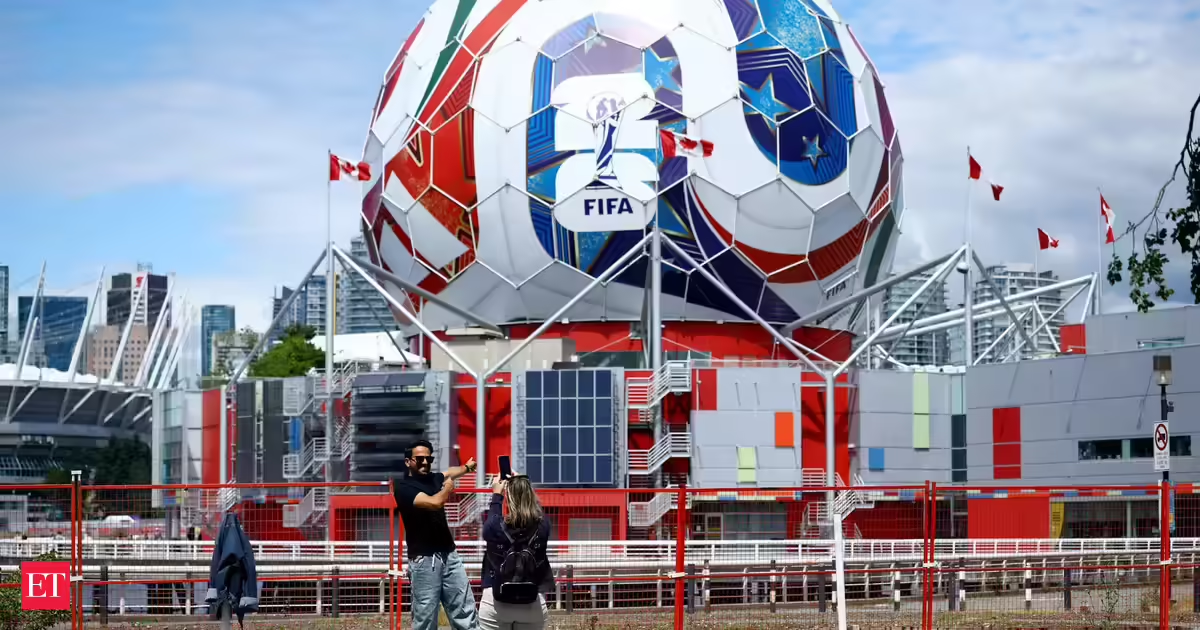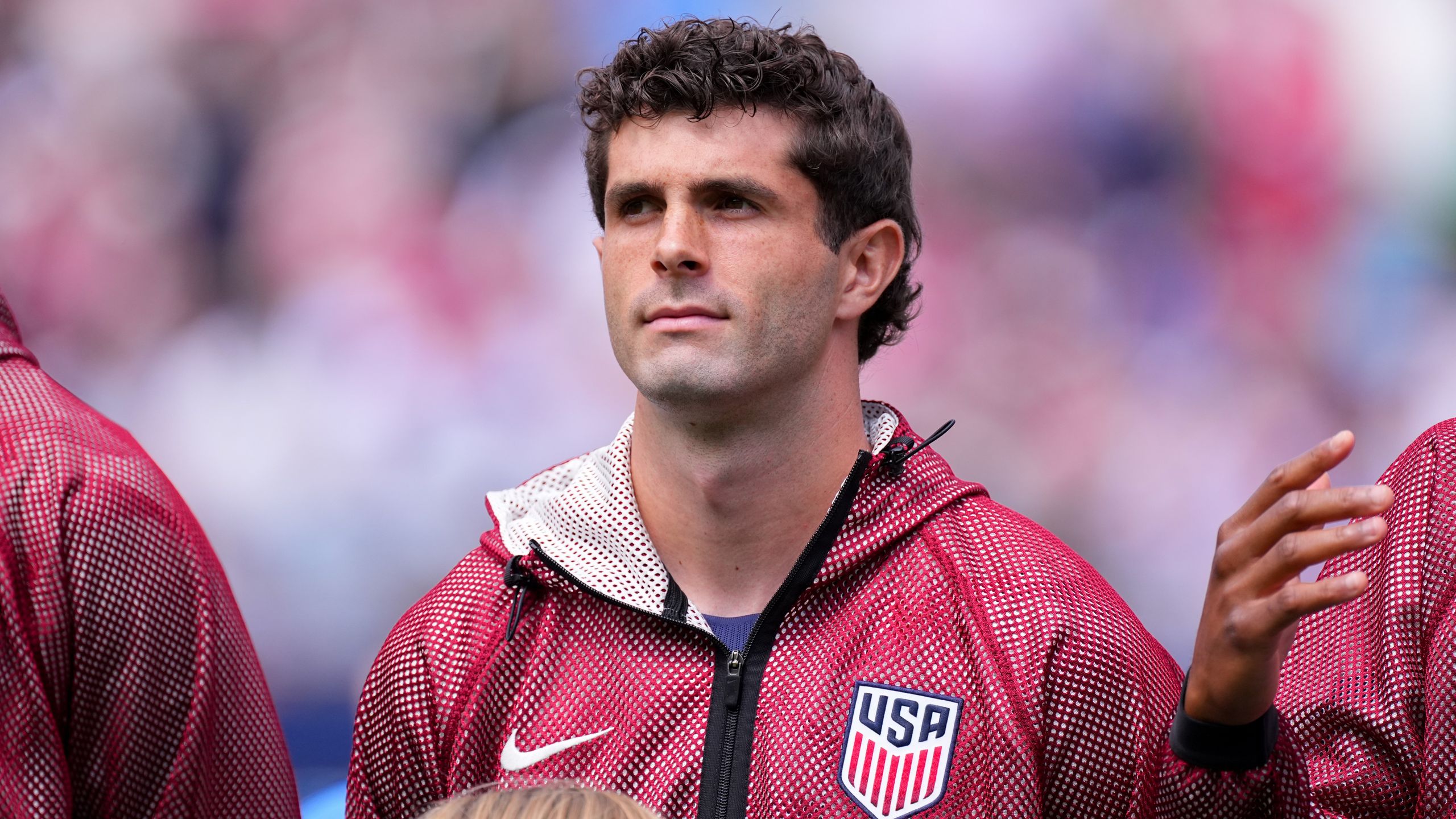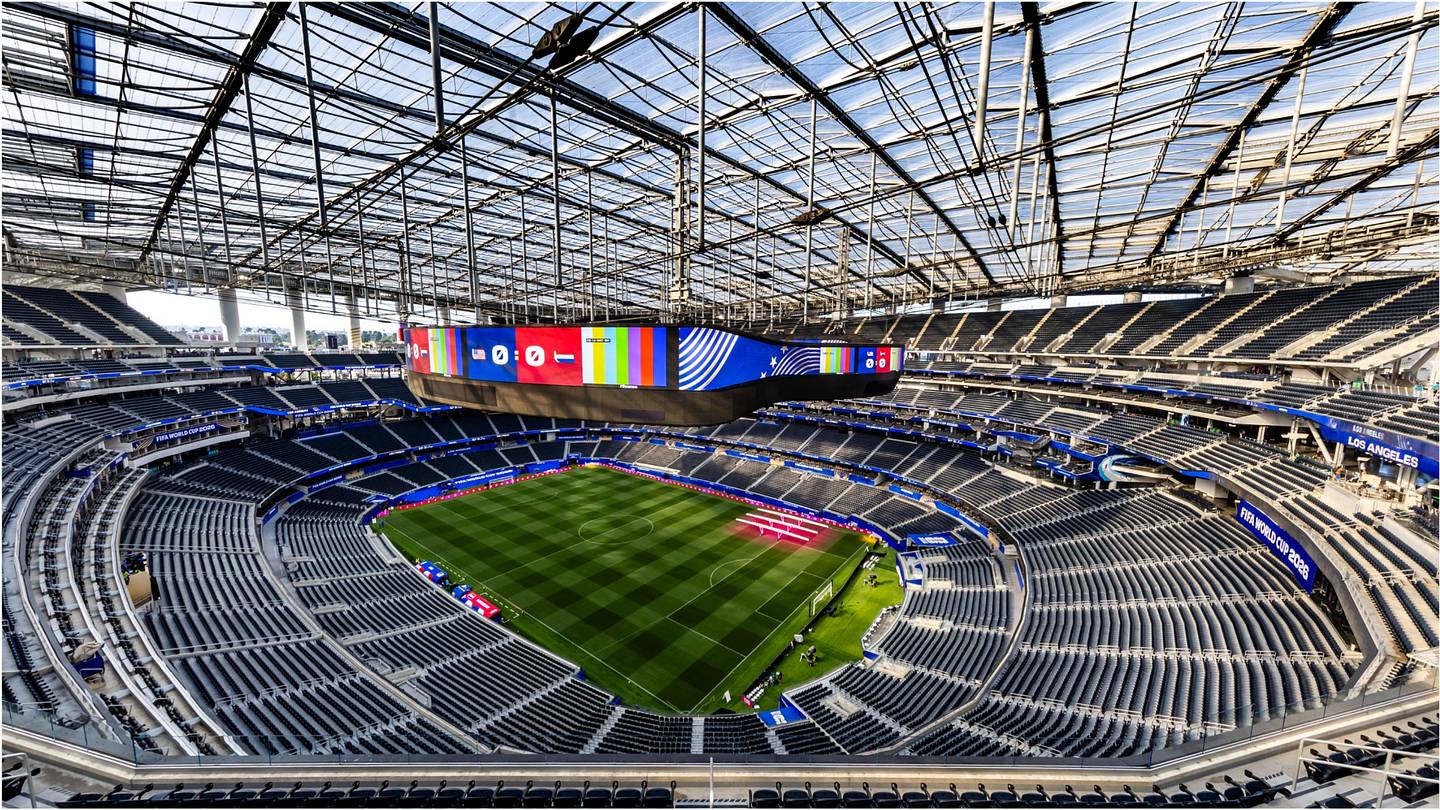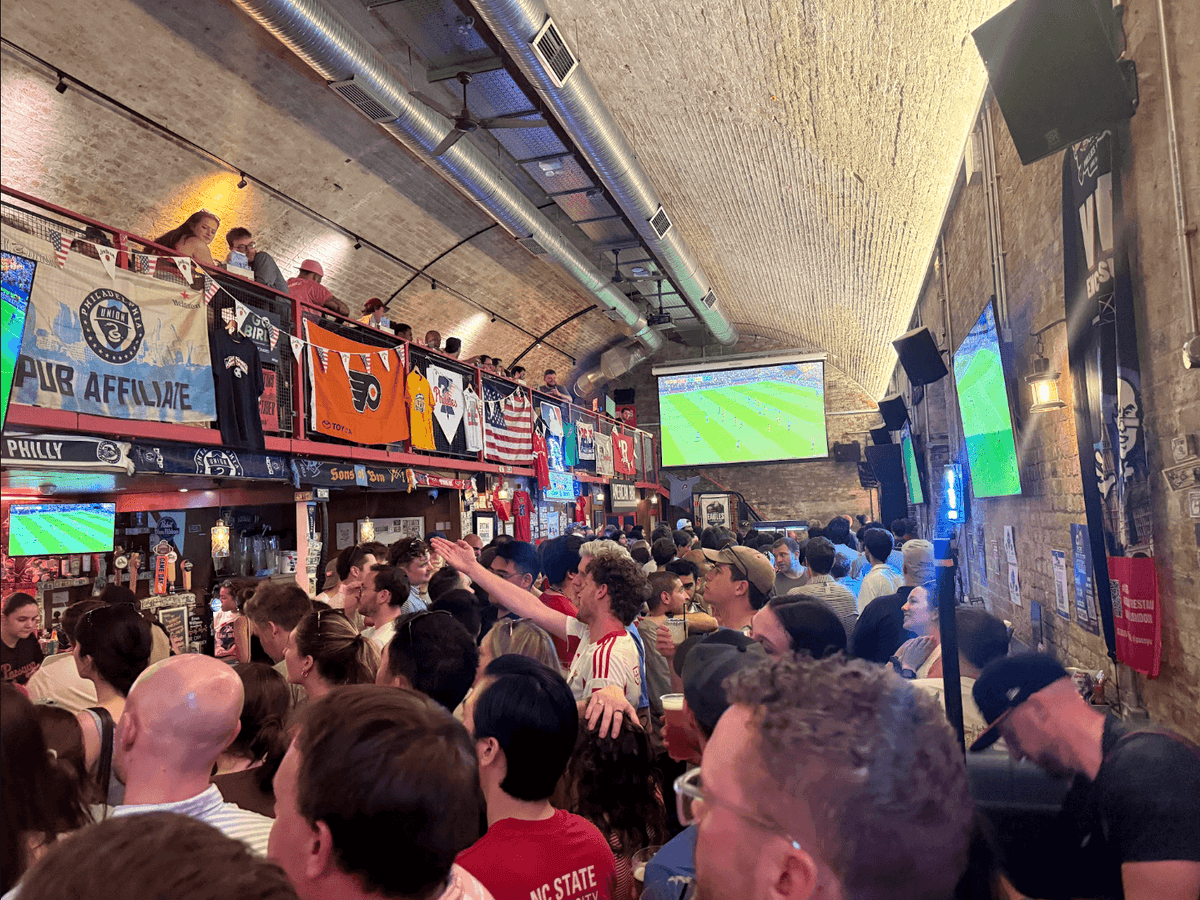
The U.S. finally has a soccer team to make this World Cup memorable and for one summer, American football is coming without helmets, huddles or fourth downs.Mauricio Pochettino arrived in 2024 with two years to prepare the USMNT for soccer’s biggest tournament on home soil and his work is paying off. They topped Group D, beating Paraguay and Australia, thanks to the exploits of Folarin Balogun, Weston McKennie and Chris Richards.Despite a last-gasp 3-2 defeat by Turkey, when several key players were rested, it has been a fine start — next up are Bosnia and Herzegovina in the round of 32.Though their country are co-hosting the World Cup, plenty of American fans are not there to see it. Scattered across cities and time zones, they are watching across the globe, from Tangier to Tokushima, and finding reminders of their homeland.The Athletic went in search of Americans around the world to discover how they are experiencing a tournament that feels closer than ever before — and impossibly far away.Tokushima, JapanWhile Mark Cotter’s friends in the U.S. fill bars, watch parties and stadiums, he has been awake in the middle of the night in Tokushima, the east side of Shikoku island, following their night through Instagram while watching the USMNT on Japanese television.“My home country is hosting the World Cup and I’m not there,” he says. “It’s a bit of a bummer.”Cotter, 29, moved from Chicago and now teaches English at a high school. He invites American friends and other soccer supporters over for games, while fitting the rest of the tournament around lesson planning and school breaks.Mark Cotter, right, with a friend as they head out to watch the World Cup in Japan (Mark Cotter)The schedule is compounded by seeing friends attend matches through Instagram. “I feel like I could go on my social media right now and find 20 people I know at a game,” he says.Cotter remembers the excitement around the U.S. team in 2014. They were beaten by Belgium in extra time in the round of 16, but he believes this tournament feels significantly bigger.“I had never seen so many fans come out for men’s soccer as I did for that game against Belgium,” Cotter says. “Seeing it now, it feels like it has quadrupled. It’s incredible.”Japan offers its own World Cup atmosphere. Cotter’s colleagues and students follow the national team closely, while Premier League clubs are popular among teenagers.“For the first time, it feels like the U.S. has the talent to play teams straight up instead of having to rely on hustle,” Cotter says. “I’m truly looking for them to make the quarter-finals.”Madrid, SpainFifteen Americans and five Australians squeeze into a Madrid living room, eyes fixated on the television showing a soccer match 5,000 miles away.It’s an unusual gathering in a city encapsulated by soccer that offers Stanton Marcum and his fellow expatriates a chance to reconnect with home.“Everywhere you look, whether it’s matches inside bars or T-shirts on the streets, you see soccer,” Marcum tells The Athletic.Marcum, 39, moved to the city two years ago from Seattle, and a passion he developed growing up as a Sounders fan has only expanded. “At my kids’ school, we have soccer matches with fellow parents after drop-off every Friday, where I’ve met a bunch of fellow internationals,” he says.
The USMNT fans watching from Tangier to Tokushima: ‘It’s soccer’s time at home’
The tournament is drawing a new audience to soccer, so what's it like for those Americans forced to watch from afar?
1,660 words~8 min read