Wednesday 01 July 2026 5:07 am
| Updated:
Tuesday 30 June 2026 11:02 am
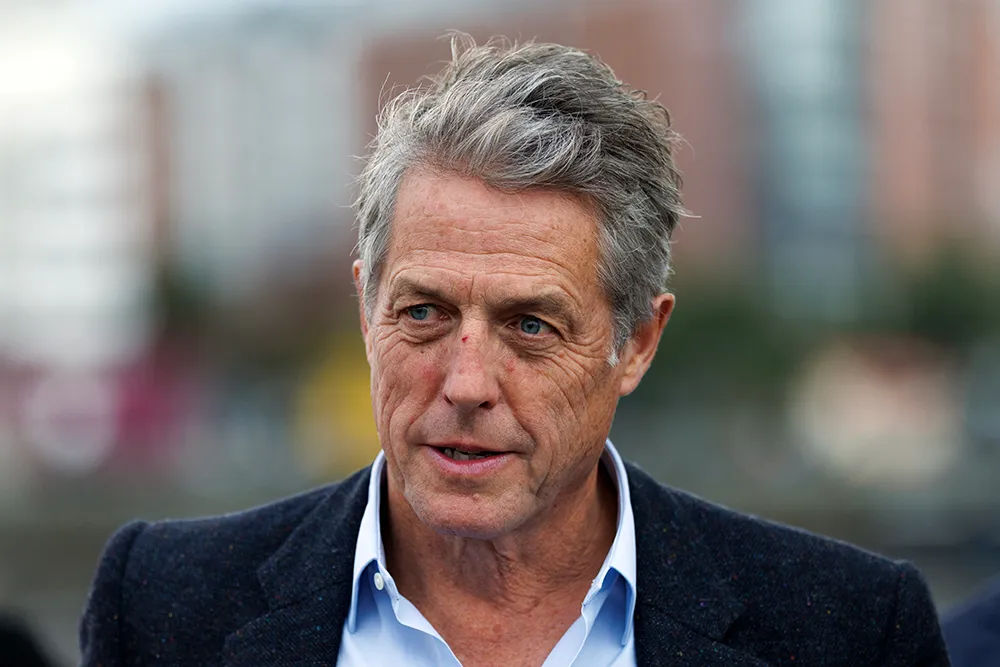
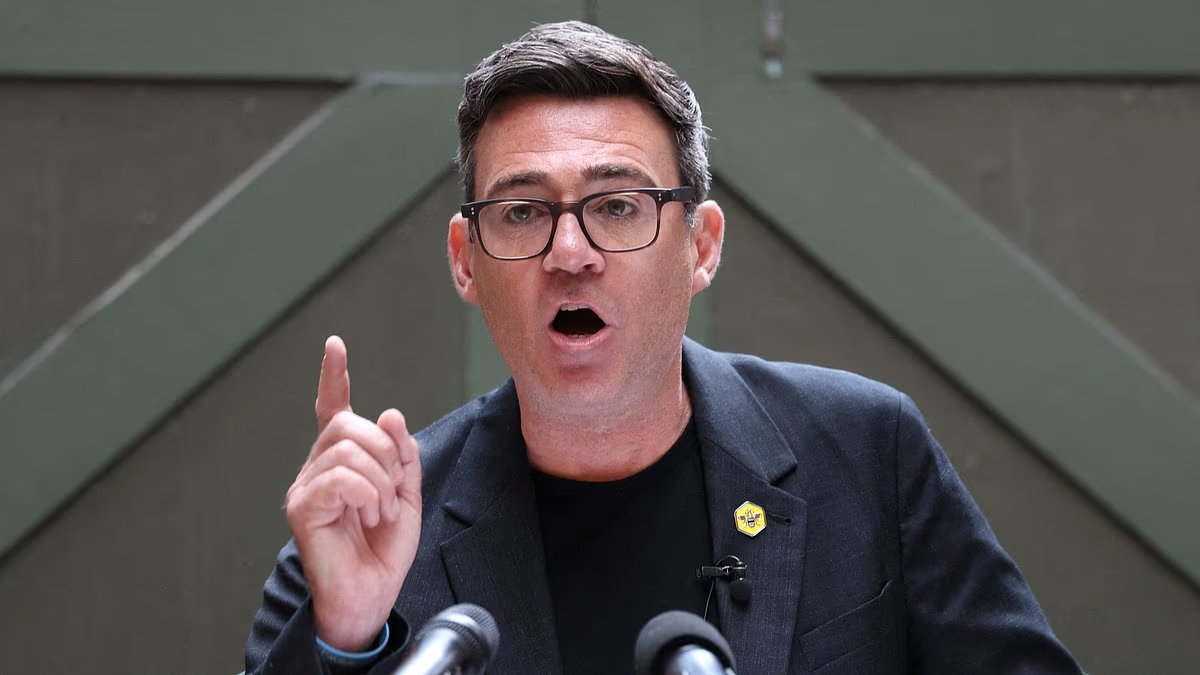
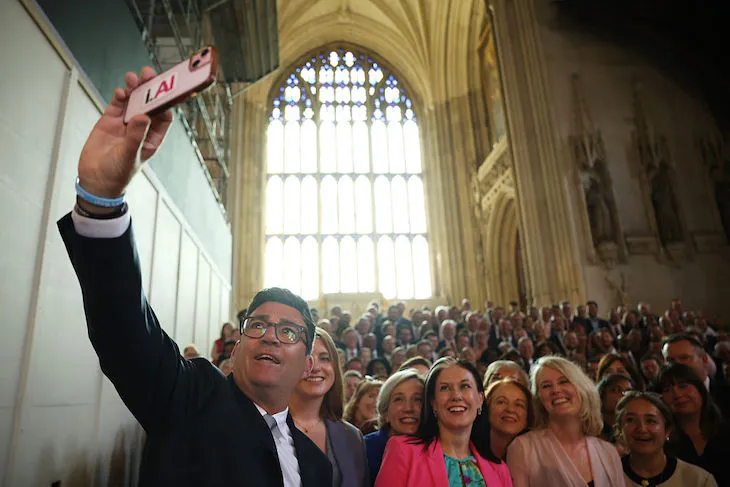
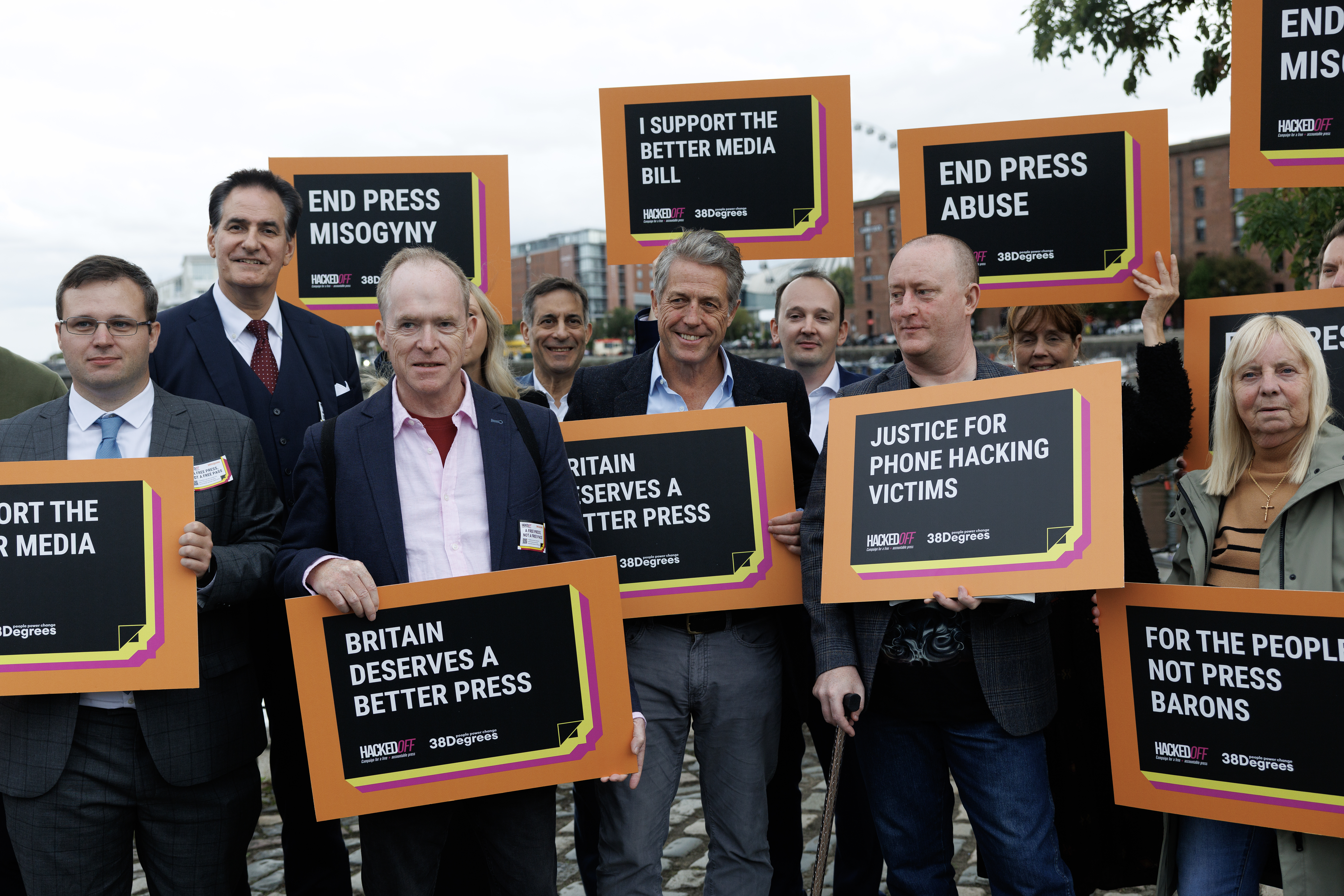
(Photo by Dan Kitwood/Getty Images)
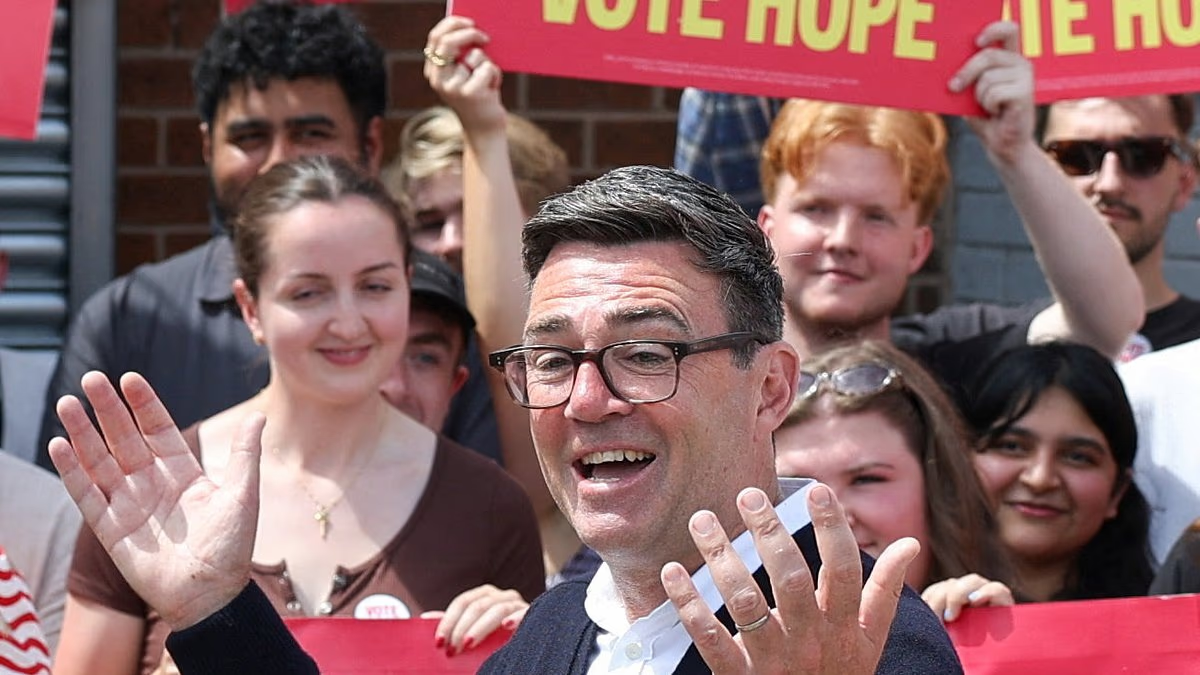
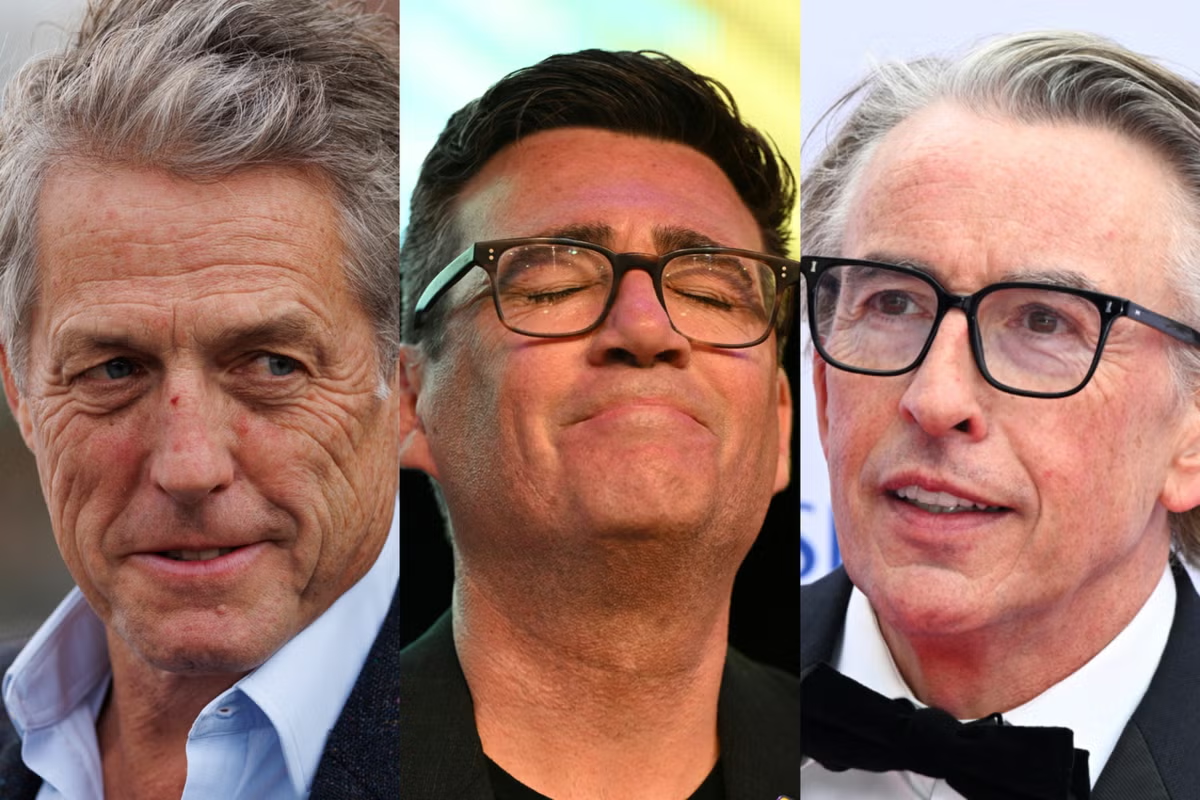
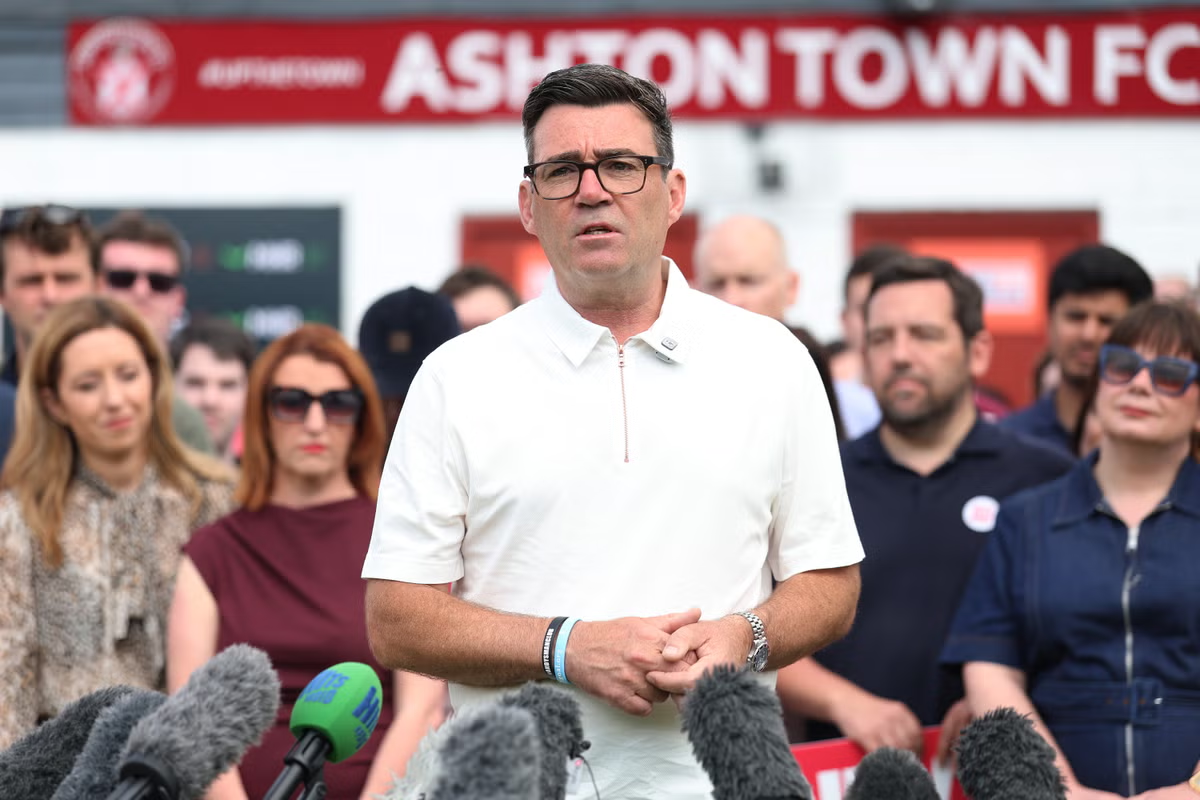
Hugh Grant hopes his long-running campaign to censor newspapers will find a receptive audience in Andy Burnham’s Downing St. Now is no time undermine free speech, says Joseph DinnageA lifelong Leftie, big in the 1990s, Oxbridge educated, and a famous on-screen Prime Minister: it’s no surprise that Hugh Grant is friendly with Andy Burnham. However, this friendship has taken a worrying turn. Grant is positioning himself as an adviser on press freedom to our likely future premier. The veteran actor and press regulation campaigner had this to say last week: “As we switch leadership of the Labour Party, switch prime ministers, there’s a chance finally to get something done.” What he means by “getting something done” is pushing ahead with the second part of the Leveson Inquiry into the culture and ethics of the press, launched in the wake of the phone hacking scandal at the News of the World. The first report, published in 2012, recommended legislative changes be made to the operations of the press, including the establishment of an independent body which would be able to fine newspapers found in breach of certain practices. The Conservatives under David Cameron then controversially enacted Section 40 of the Crime and Courts Act 2013, which would have required publishers to pay the legal fees for both sides of a libel case – even if they won – if they refused to sign up to the new regulator. The legislation was never formally enforced, and after years of lobbying by the press industry and civil liberties campaigners, the law was repealed under the Media Act 2024. Grinding the axeYet Grant, grinding his axe, has spotted an opportunity to revive this debate. The second stage of the Inquiry – which both the Tories and even Keir Starmer ruled out – would focus on the relationship between journalists and the police, and no doubt would propose yet more statute that would jeopardise editorial freedom. In Burnham, Grant may have found a receptive audience. As Shadow Home Secretary under Jeremy Corbyn, he was a vocal advocate for Section 40 and said in 2016 that section two of Leveson was “non-negotiable”. These positions might play with Burnham’s northwestern constituency, many of whom see press regulation as necessary to right the wrongs of the Hillsborough disaster. It’s hard to deny that the News of the World’s phone hacking was egregious. Yet even if you sympathise with Grant’s anger, that doesn’t justify heavy-handed regulation of our newspapers, many of which are already struggling in the age of digital media. Over the last 20 years, approximately 300 local papers in Britain have shut down, and between 2007 and 2022, the number of journalists employed by the three largest local news publishers in the UK fell from 9,000 to 3,000. The nationals aren’t doing much better. Paid national daily and Sunday newspaper sales have plummeted by over 60 per cent over the past two decades. Though they may be in decline, this doesn’t make their role any less important. From the Northern Echo’s campaign against Benjamin Disraeli’s complicity in Ottoman war crimes to The Times’ reporting on Lord Alli’s Downing Street access, traditional media still has the investigative firepower to hold our governments to account. If newspapers behave unethically, they should be punished, but righteous anger mustn’t overshadow the need to maintain press freedom – a pillar of our democracy. Besides, if Burnham truly wishes to mark a departure from the Starmer regime, then he could do worse than reverse his predecessor’s corrosive approach to free speech, which has seen people arrested for tweets and state surveillance cynically advanced via age verification and social media bans allegedly meant to protect children. Sadly, we are more likely to see Burnham recreate Love Actually’s Downing Street dance routine than we are to see him get serious about press freedom. Joseph Dinnage is senior press officer at the Prosperity Institute