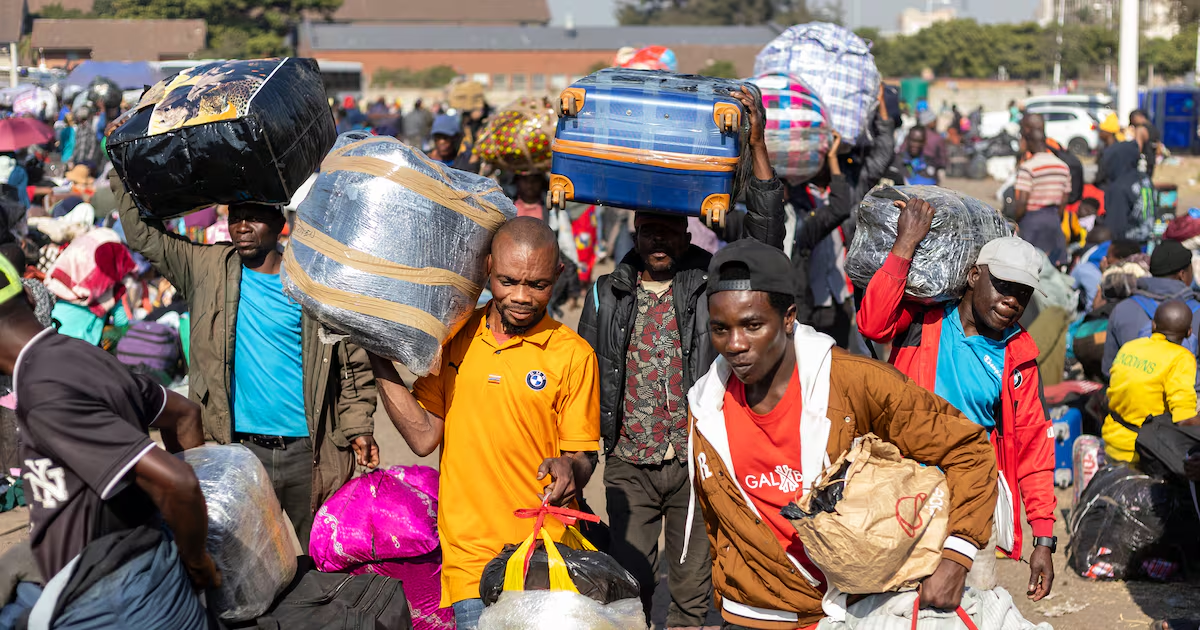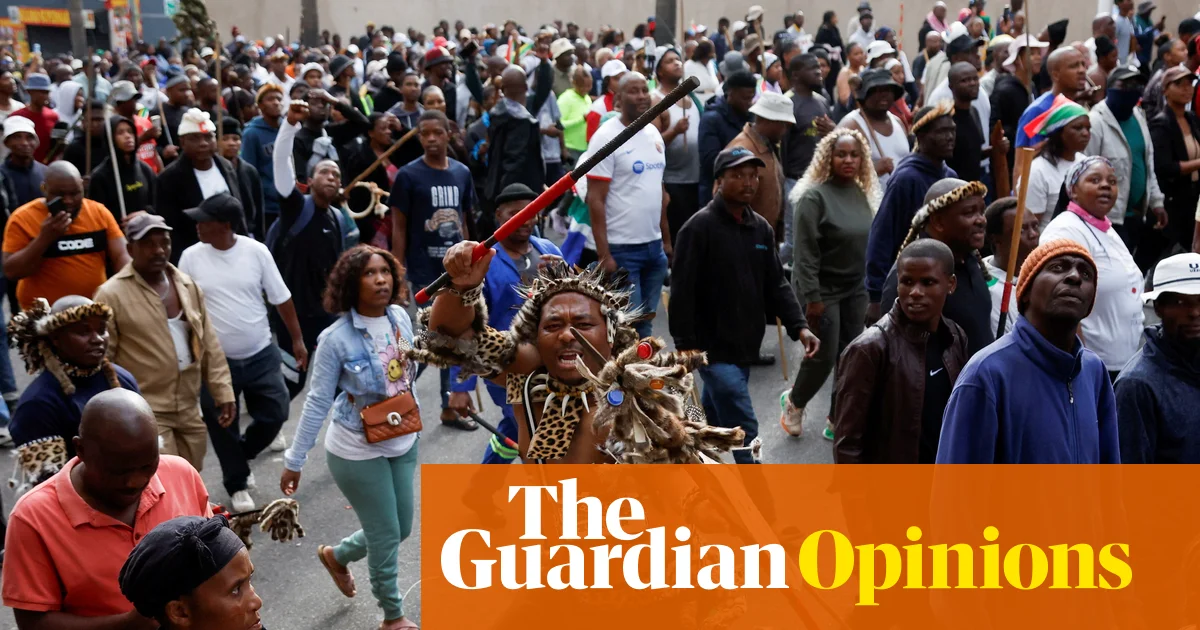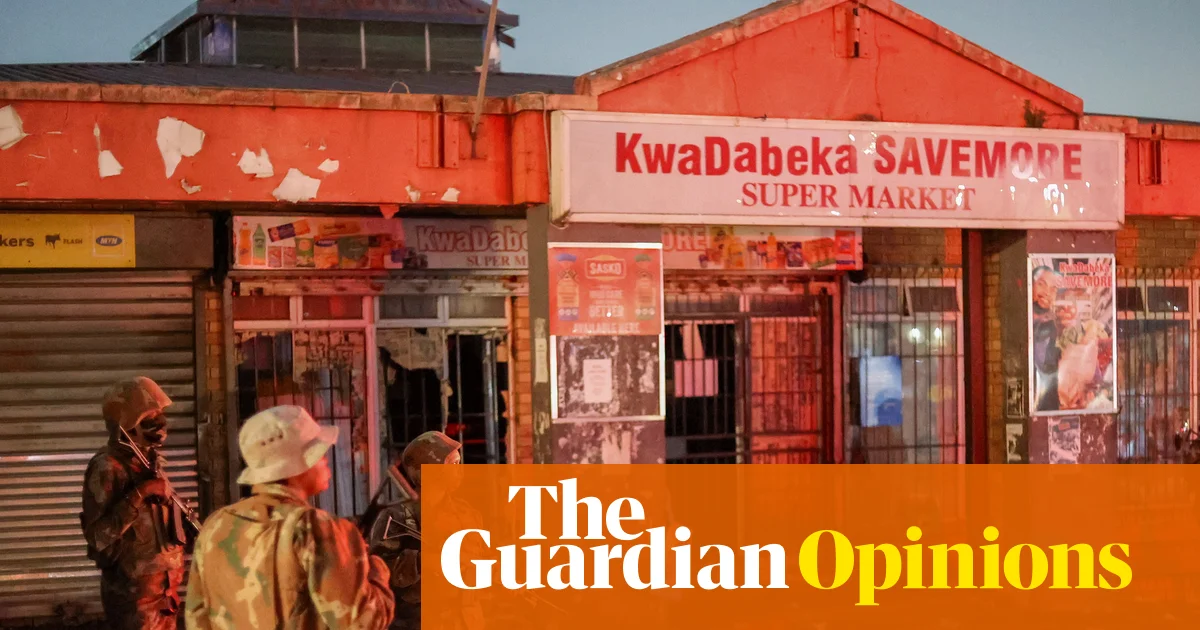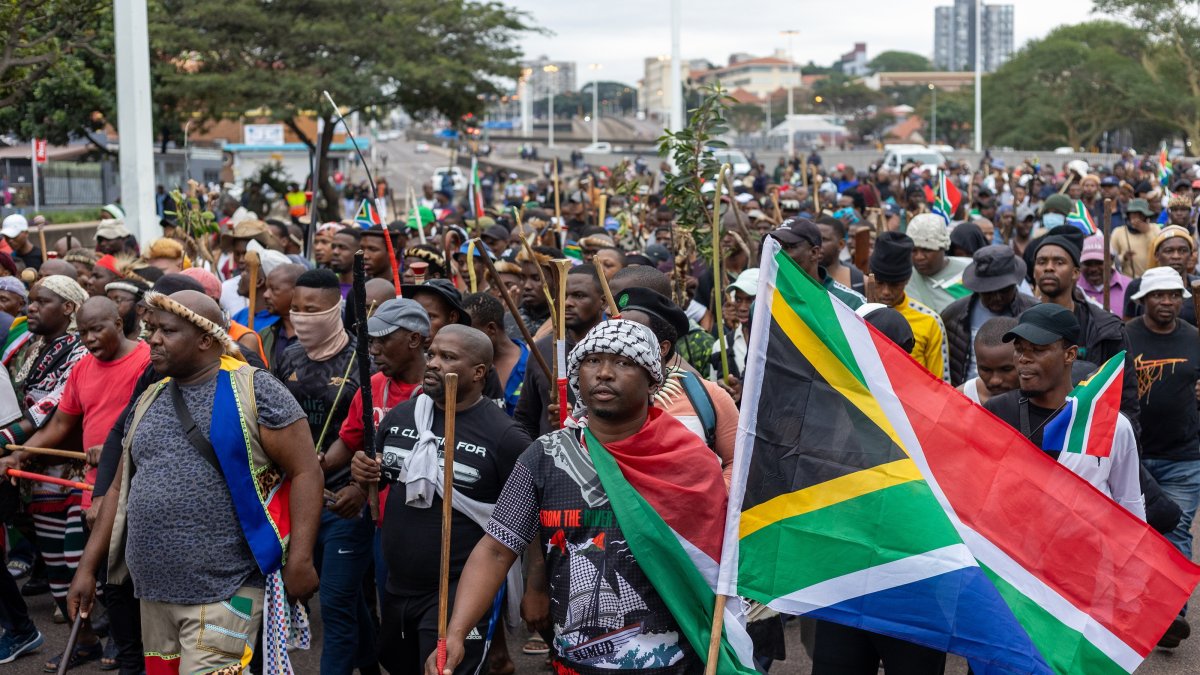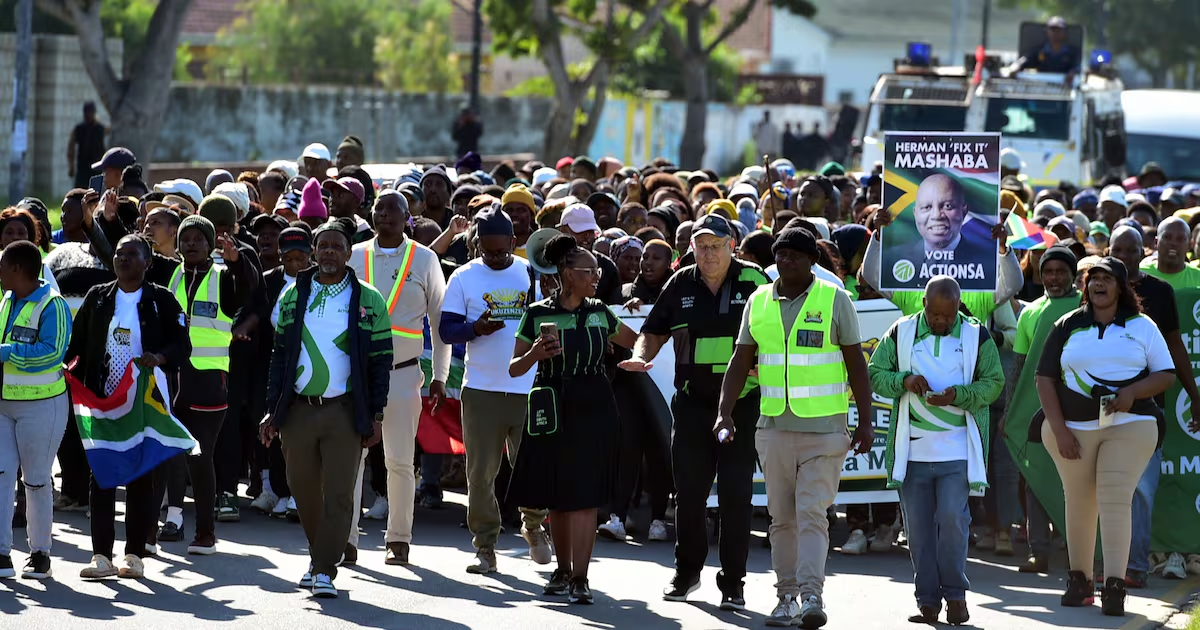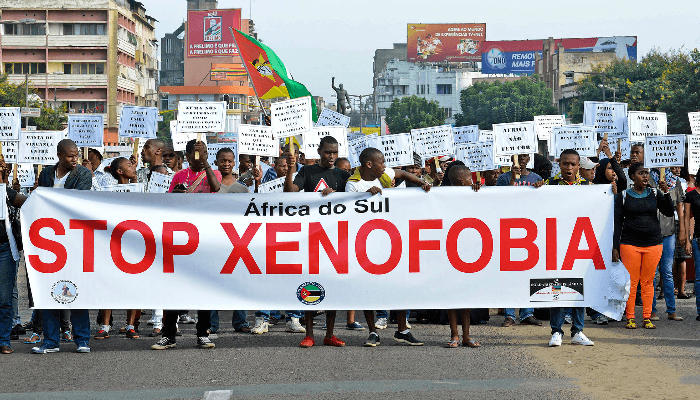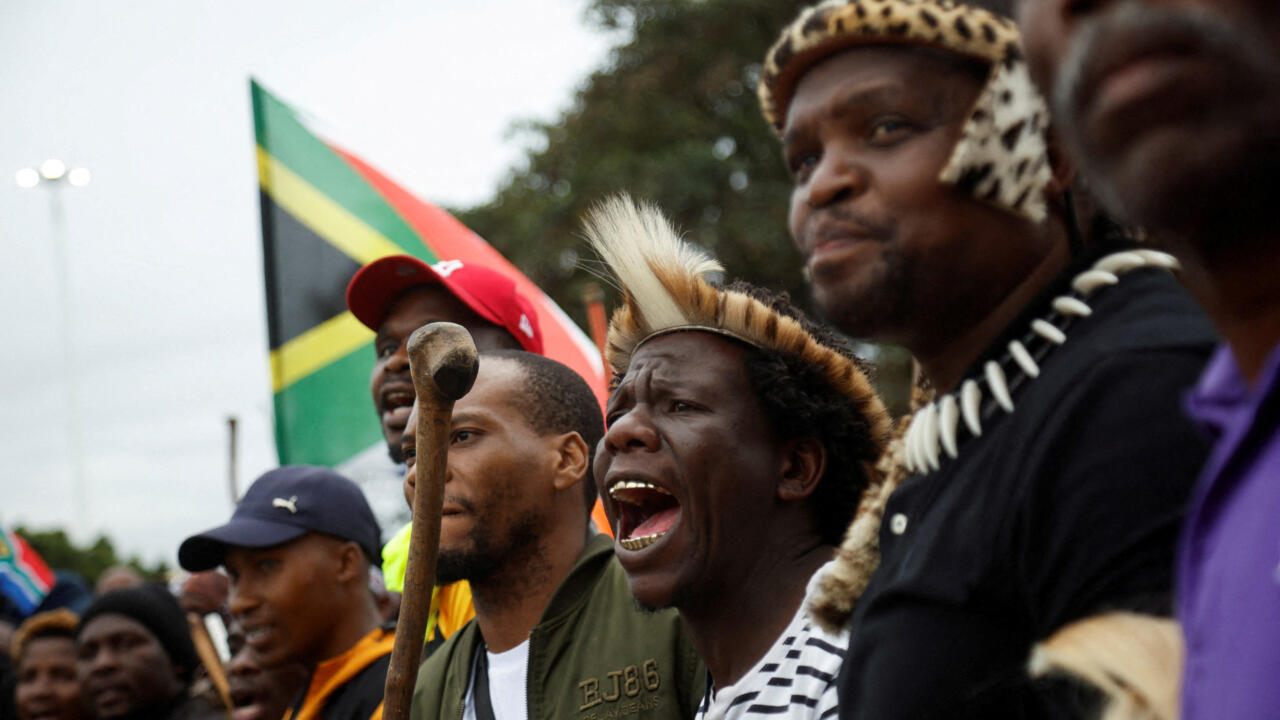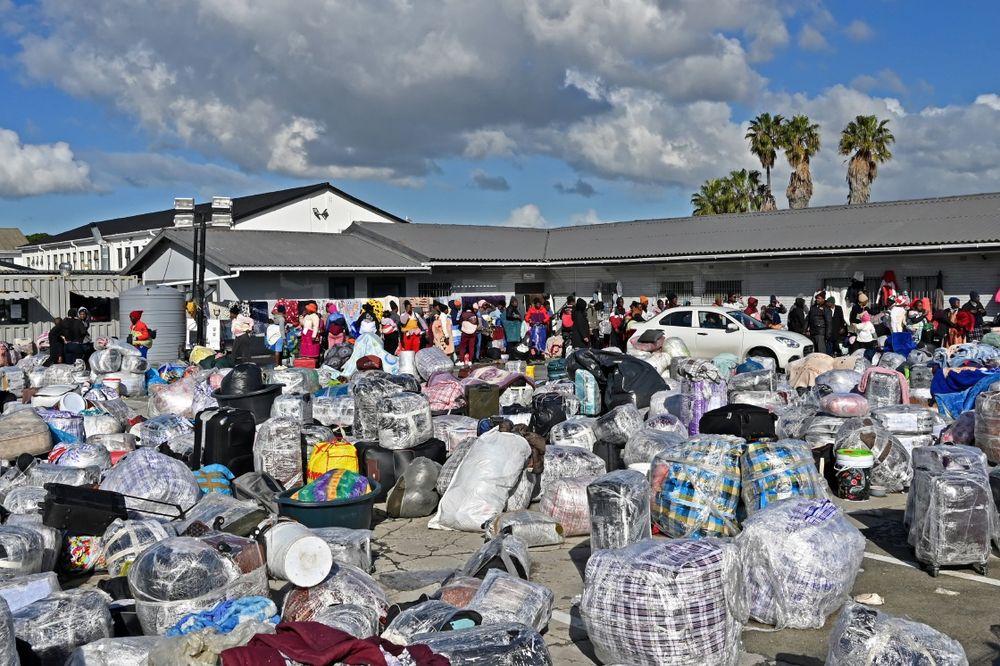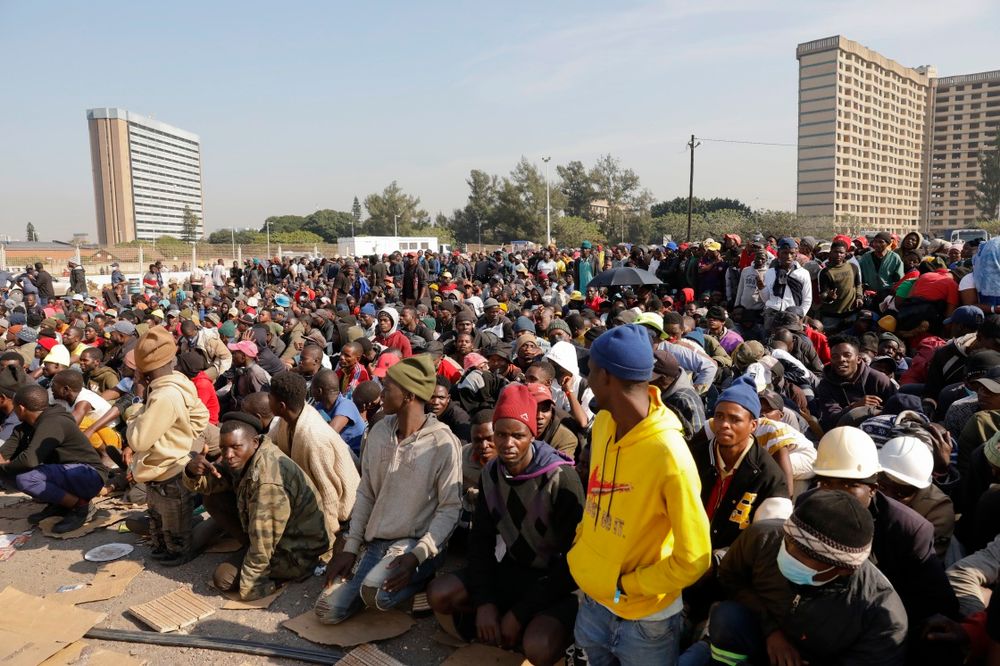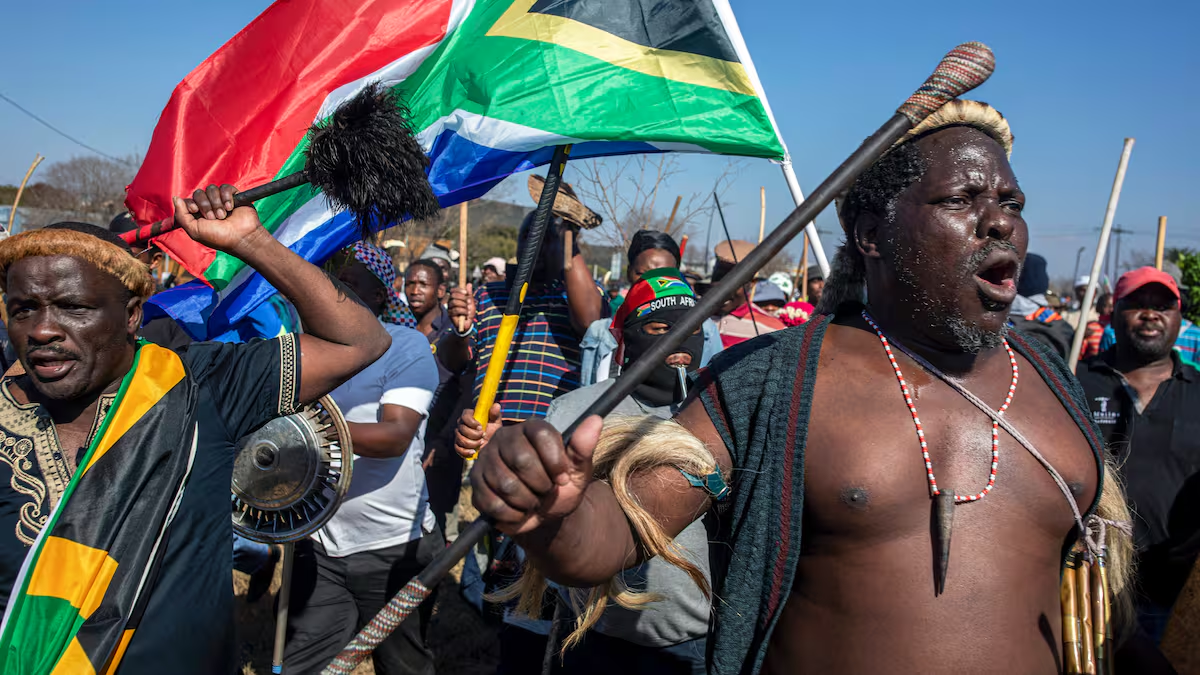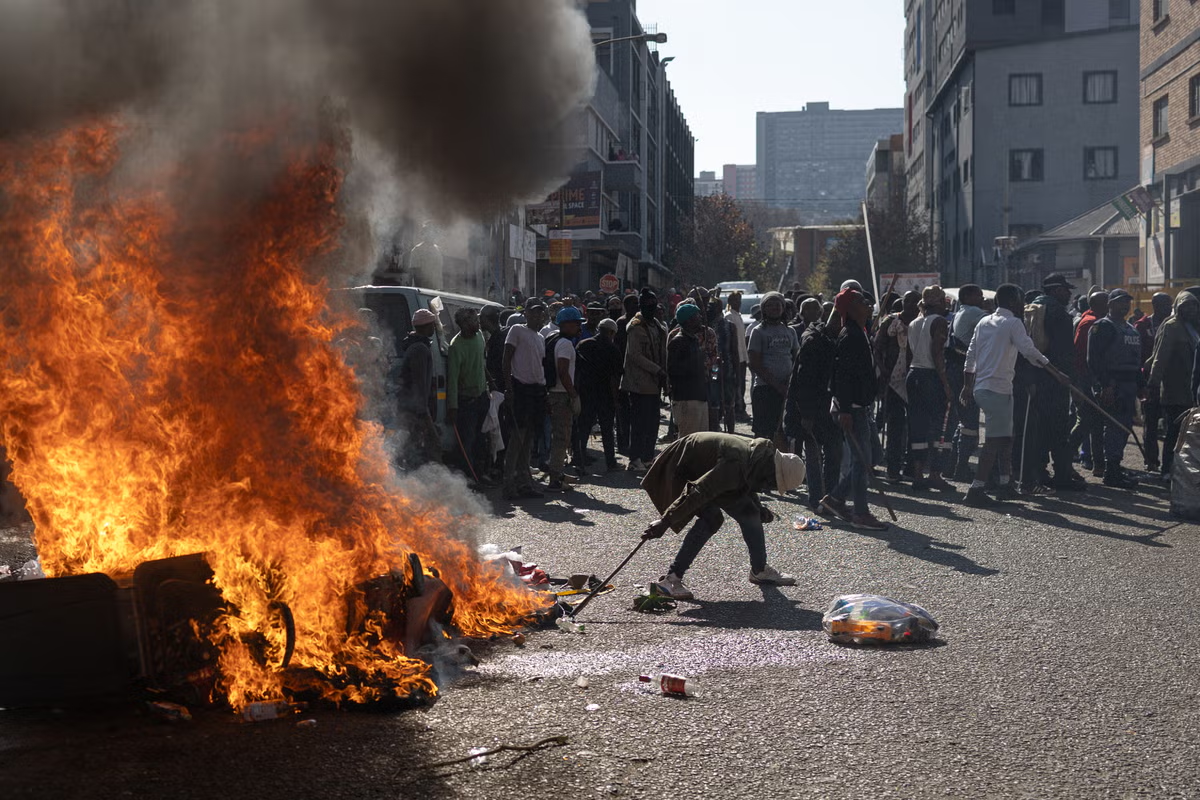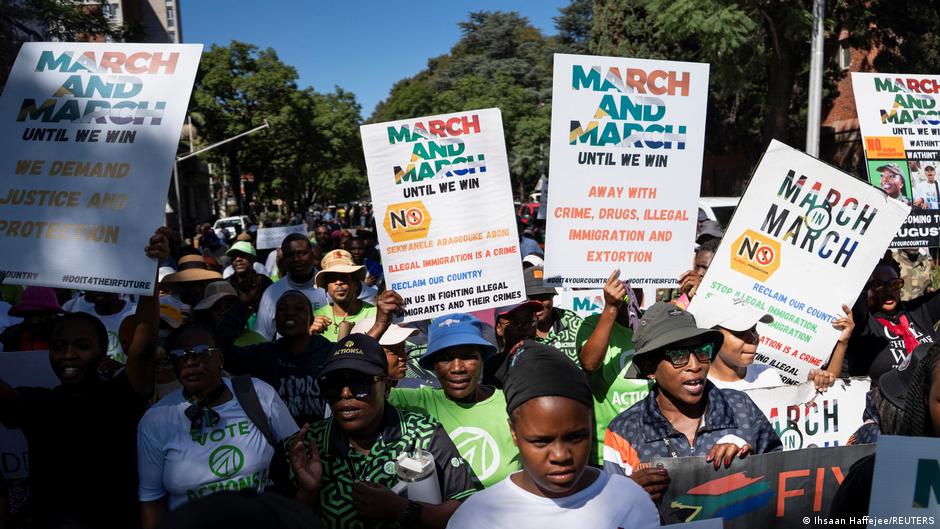
Most people probably wouldn’t shed a tear for a columnist who must write about a major event the day before it happens. Nevertheless, it perhaps offers a bit of detached perspective. The one thing that strikes me is that the unfortunate genie-out-of-the-bottle moment here is the success that the xenophobic agitators (and associated protesters) have had. Counting the number of formally and informally expatriate individuals leaving South Africa is challenging but is likely more than 30,000 in the past three months. The pile-on of associated political parties and uncertainty over safety and security has led to a real outcome that perhaps at the start of the year would have been difficult to foresee. The mix of justified socioeconomic grievances and unjustifiable xenophobia and outwards to more extreme fascist tendencies, however, is heady and toxic. The idea that somehow Tuesday happened and that’s it and everyone can go about their business again like nothing happened is a dangerous (even if common in South Africa) potential response. There is a slippery slope here that no number of police deployed or press conferences (or indeed national dialogue talk shops) can easily deal with. And it is worrying businesses a lot. The emergence of anti-Muslim and more general anti-foreigner calls is small for now but must be watched closely. I’ve been struck by the intense interest from clients of every type in the events running up to Tuesday, but also the interest in what happens afterwards and a deep, debilitating sense of uncertainty from many corporate leaders. The issue is not so much the xenophobia or even the violence or looting that may occur; it’s the worry that the countervailing forces are not there and that institutions in a healthy democratic dispensation to deal with such threats and keep things in check are too eroded.Institutional degradationRewinding to the unrest of July 2021, what alarmed businesses and investors was the lack of accountability and holding the line. There was (and indeed still is) a strong sense of it all being allowed to slide, of a lack of official closure. The increase in the cost of insurance and Sasria cover, especially in KwaZulu-Natal, has not been talked about enough since then. Equally, the interest in the post-Nhlanhla Mkhwanazi goings-on is as much about the institutional degradation and the lack of a sense of the thin blue line being held in the future as it is about the specific revelations. The government must urgently put together a post-Mkhwanazi institutional strengthening plan that needs to be formally socialised and bought into. Yes, everyone is waiting for various reports and so on, but the solutions and changes are already known. Waiting many more months just creates a vacuum. The shape of the change to come can be talked about more openly even if the detail comes later. As I mentioned in two columns on criminal justice issues a month or so ago, these issues and the lingering sense of uncertainty amount to waiting for the other shoe to drop regarding the uncertainty holding back growth. Such matters are too often not fully discussed and are seen as outside of the lane, and people default to issues like network industry reforms that are closer to home and more directly and visibly impactful day to day.Iran war Assuming June 30 went by largely peacefully, the government will have at least some sort of a base to build on, but one should be alert to the sense that the base is continually eroded by further revelations from the various commissions and committees. The sense is we have barely pulled on a handful of bits of string to see what unravels. If Tuesday turned for the worse, then more urgent and difficult conversations will be required. The slow exit from the Iran war now and the fall in oil prices still have a long road ahead of second-round effects on prices, but a path ahead is clear. Structural reforms are contested and noisy but advancing. The hunt for growth, however, is still not satiated, and underlying “doing business”, which includes not only security and rule of law but also a sense of certainty, accountability and consequence management from government and the security cluster, is a key component to remember. The first-quarter GDP numbers were widely misinterpreted, driven by a collapse in imports, in particular, as well as strong agriculture, while consumption and especially investments were weak. It feels as if we will keep asking, “Where is 3% growth?” forever until we understand and overcome the multitude of factors constraining investment — most notably the lack of a strong sense of security. The genie might well be out of the bottle now, and other provocateurs may also try to leverage outcomes with protest and threats. June 30 mustn’t be viewed as a one-off but rather a kicker to start holding the line. • Attard Montalto leads on political economy, markets and infrastructure at Krutham, a South African research-led consulting company.
PETER ATTARD MONTALTO | South Africa must restore confidence after anti-immigrant protests
The prevailing mood is a warning sign of deeper social and economic challenges ahead
826 words~4 min read