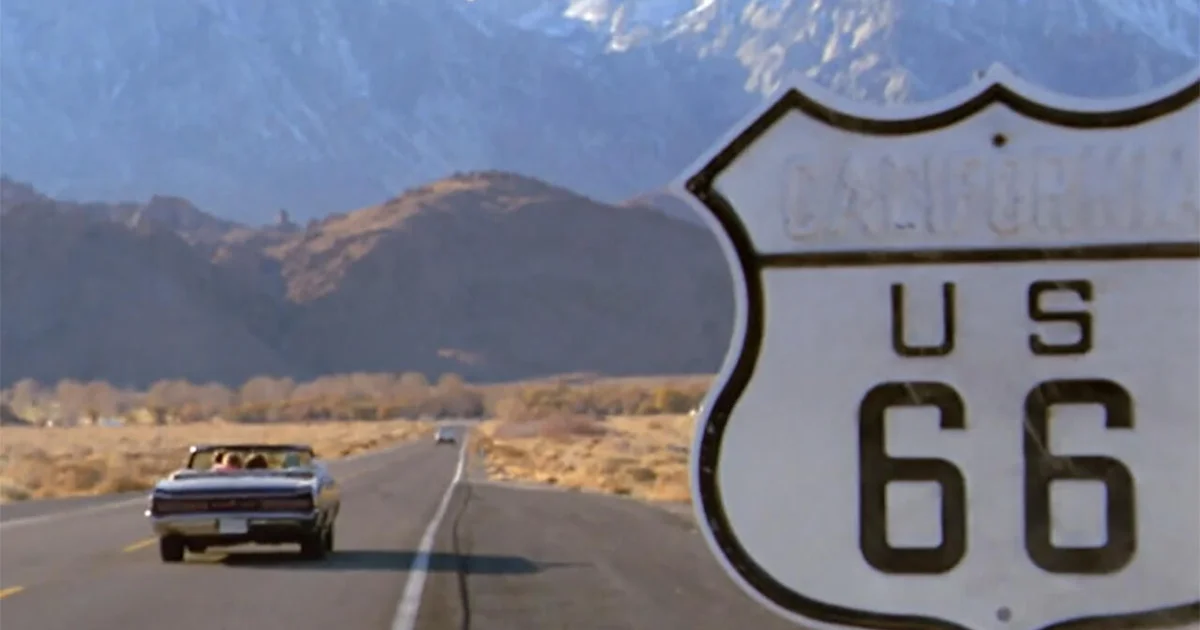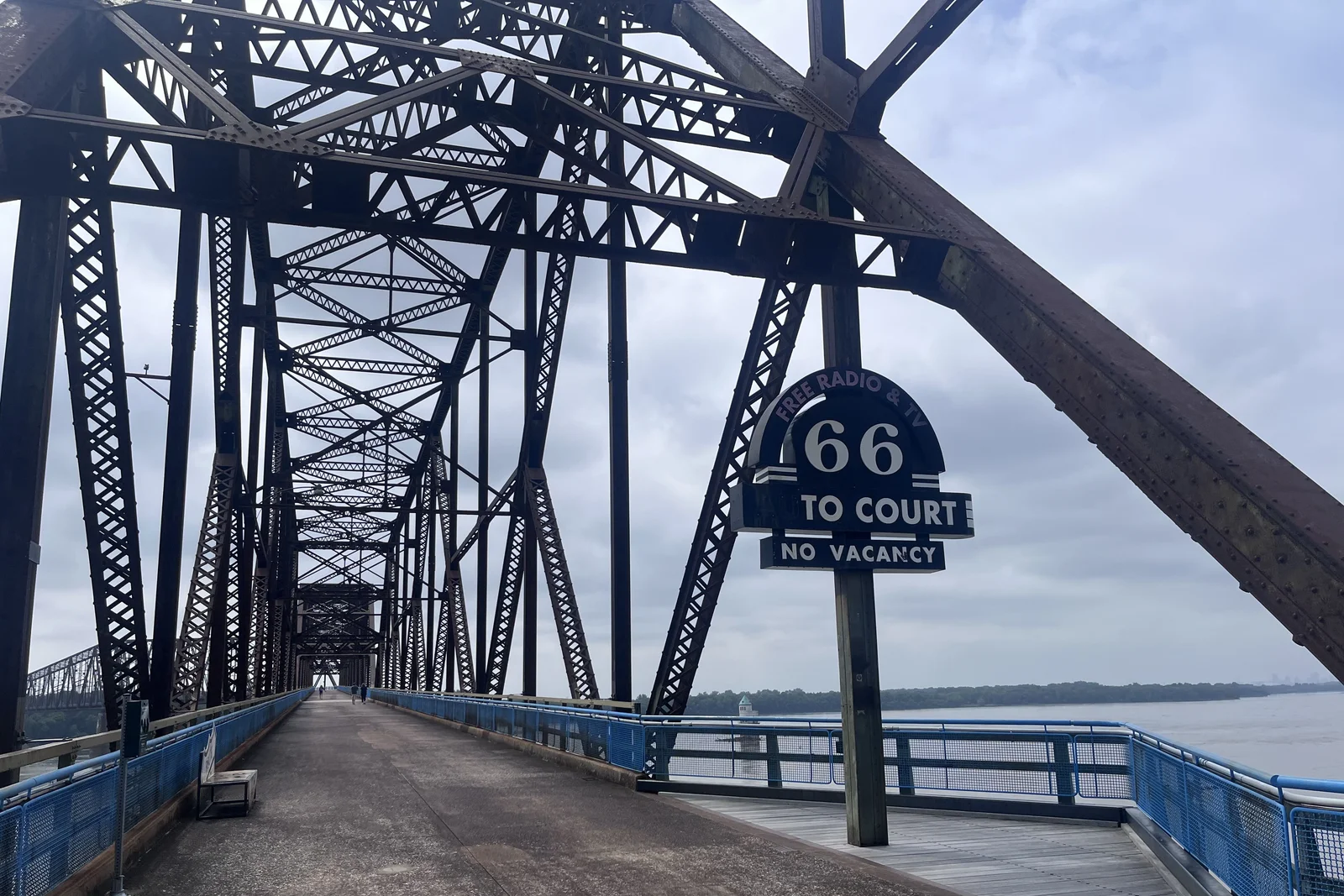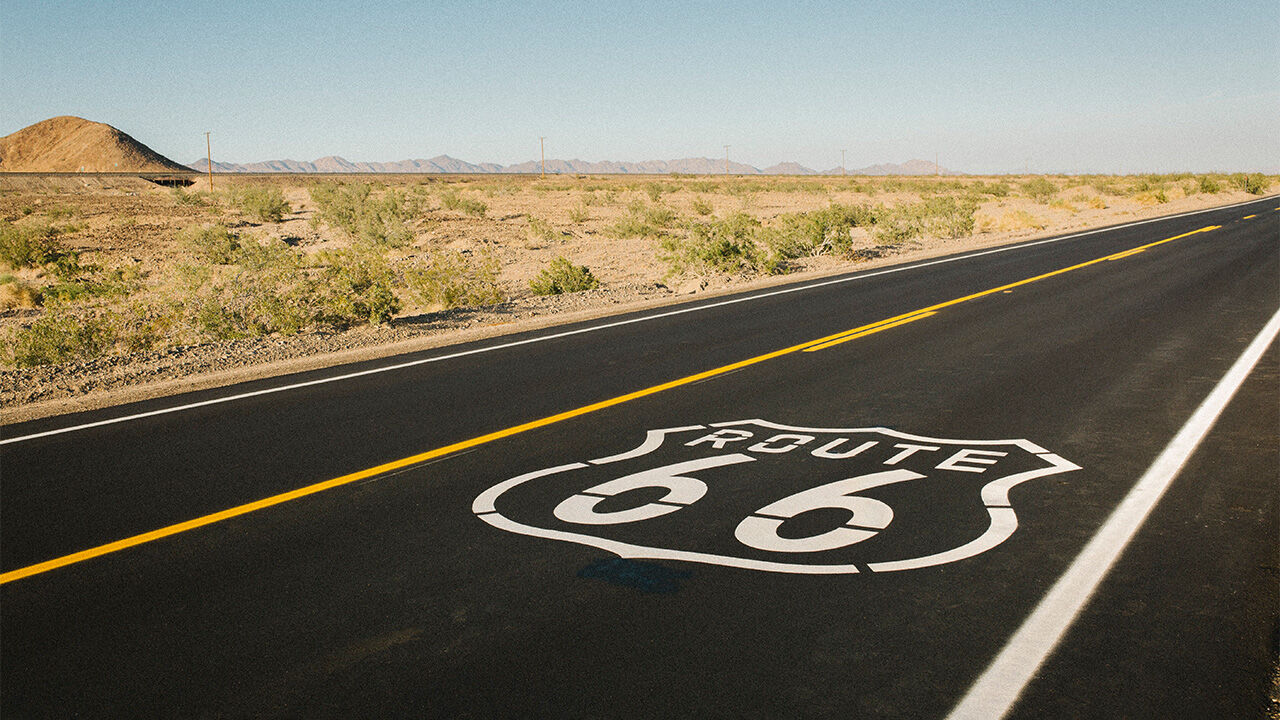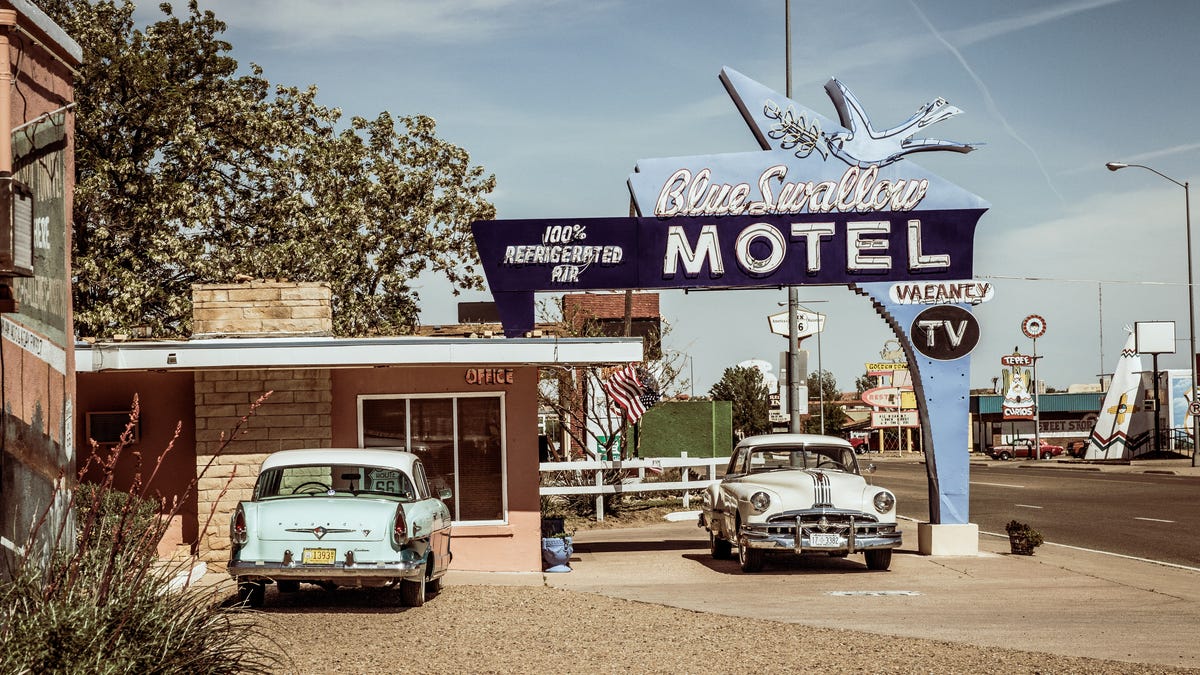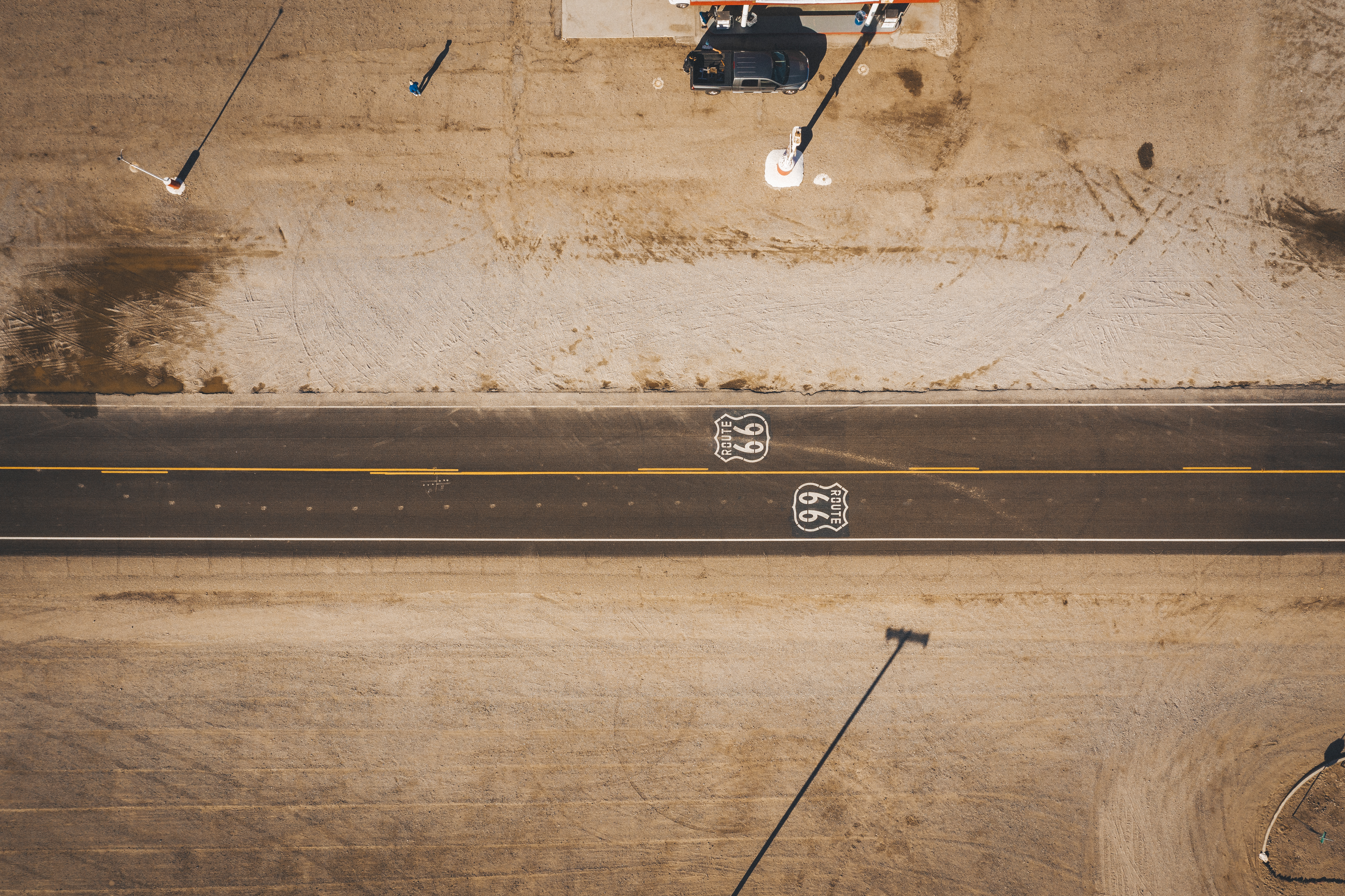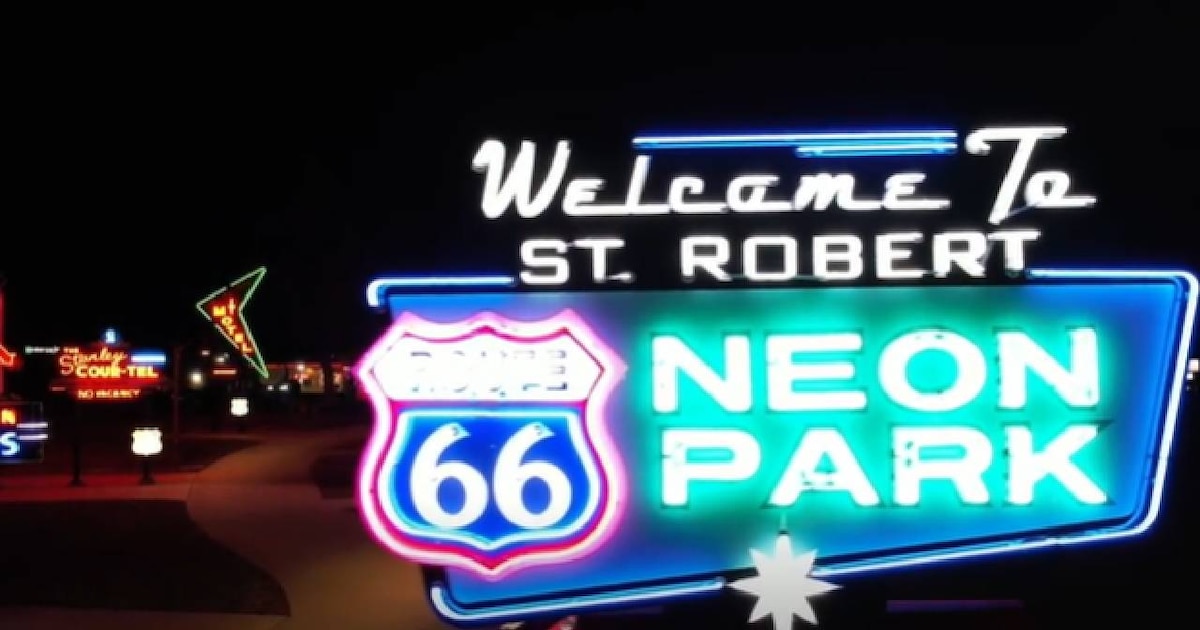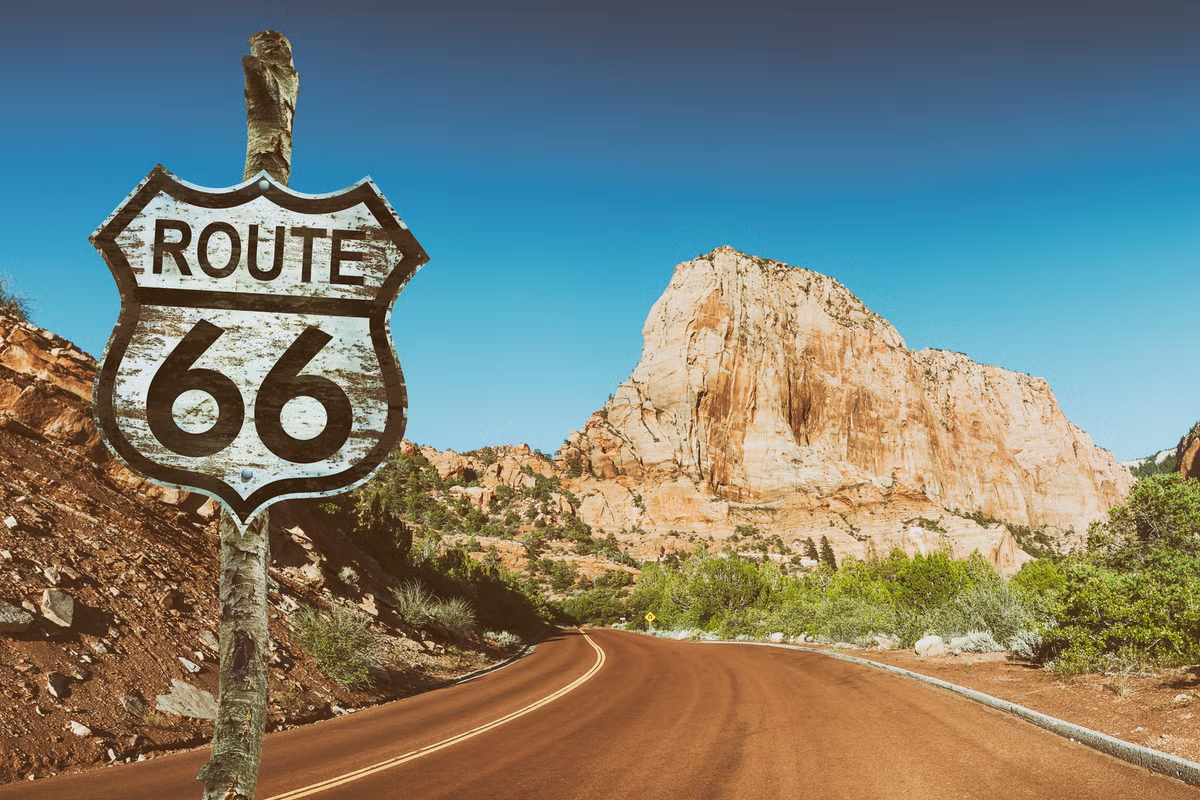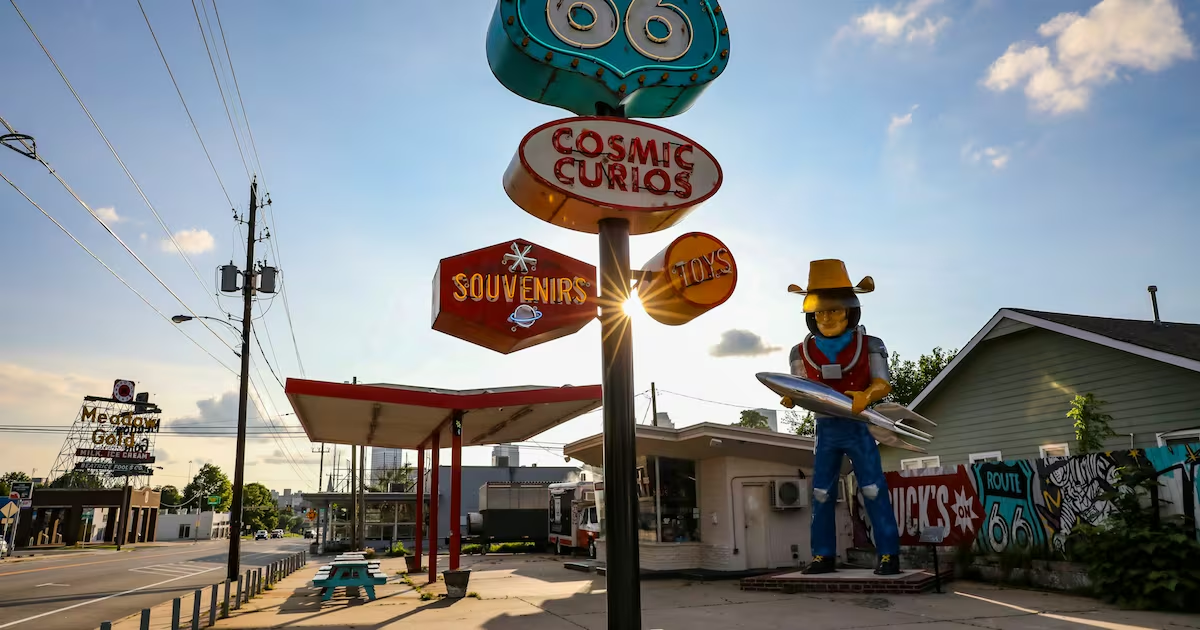
By Daniel MilowskiWorking in concert, the American Association of State Highway Officials and the Bureau of Public Roads adopted a uniform highway numbering system and corresponding map on November 11 1926. The numbering system and map replaced the confusing patchwork of highways and trails, such as the Lincoln Highway or the Old Trails Road, with an official network of numbered highways sanctioned by federal and state highway authorities.Since then, a small group of these highways has attained the status of cultural icon. There’s Route 1, which snakes all the way from Maine to Florida. Route 101 is celebrated for its majestic views of the Pacific Ocean, while Route 6 was immortalised in On the Road, Jack Kerouac’s classic novel.The most famous, though, is arguably Route 66, nicknamed the “Main Street of America” and the “Mother Road”.Yet as the towns that dot the highway prepare to celebrate its centennial, I’ve found myself wondering what it is, exactly, that’s being celebrated.As a historian of Route 66, I’ve written about how there are really two versions of this 3,940km stretch of pavement.There’s the actual highway, which reflected the 20th-century expansion of the nation’s infrastructure. Then there’s the mythic highway — a cultural icon imbued with nostalgia for a specific, 20th-century idea of romance, adventure, freedom and the American West.There was almost no 66As state highway commissioners in the 1920s wrangled over the specifics of the nation’s new highway system, they prized highway numbers that ended in zero, since they indicated a cross-country route. The thinking went that these routes would get the most traffic and, with it, the most business.Oklahoma State Highway commissioner Cyrus Avery had been a big booster for a Chicago-to-Los Angeles road to juice highway traffic through the Midwest. He suggested calling it Route 60, claiming a coveted cross-country number.But commissioners from Kentucky and Virginia objected, noting that Avery’s proposed road didn’t go from coast to coast. As an alternative, they suggested 62. Avery countered with a number that he thought had a better ring to it: 66.With the numbering controversy settled, the map of America’s first highway system was approved. But another 12 years would pass before Route 66 was fully built out, making it the first US highway to be paved end to end.Redemption and reinventionWhile it took more than a decade for the full, physical stretch of road to be completed, the making of the Route 66 myth began almost immediately.Construction of the road had barely begun when Avery, John T Woodruff and other prominent civic leaders along the highway’s path convened in January 1927 to form the US Highway 66 Association to promote travel along the route.The association began advertising Route 66 as the best West Coast travel route and even trademarked a slogan for the road, “The Main Street of America”. The association also sponsored spectacles such as the Trans-American Footrace to help publicise Route 66.The race, which started on March 4 1928, in Los Angeles, received widespread media coverage. Reporters breathtakingly described the epic struggles of the racers, with vivid descriptions of the southwest landscape. The effect was a marriage of Route 66 to ideas of adventure and romance in America’s collective subconscious.During the Great Depression and Dust Bowl years, thousands of migrants from the Great Plains and Midwest travelled west along Route 66, hoping to rebuild their lives in California.Author John Steinbeck dubbed Route 66 the “Mother Road” in The Grapes of Wrath, likening it to an umbilical cord that delivered Oakie refugees fleeing the Dust Bowl in the Oklahoma Panhandle to a new life in California. Working for the New Deal-era Farm Security Administration, photographer Dorothea Lange documented the same Oakies fictionalised by Steinbeck. Her 1938 photograph “Family on the Road” captured a husband, wife and their two young children hitchhiking on Route 66 near Weatherford, Oklahoma, after losing their farm.Together, Steinbeck and Lange helped imbue Route 66 with new layers of meaning tied to loss and redemption. Then, after World War 2, Route 66 came to mythologise the postwar boom.Bobby Troup’s 1946 song (Get Your Kicks) on Route 66, first recorded by the Nat King Cole Trio, cast the road as a postwar rite of passage. Millions of Americans went on to take family vacations to the American southwest via Route 66, staying at roadside mom-and-pop motels, grabbing burgers at neon-lit diners and posing beside oversized roadside landmarks.Myth versus realityBut the iconic imagery and myths of Route 66 are often at odds with the reality of the road.I’ve come to see Troup’s song as encapsulating the tension between these two versions of Route 66.In 1946, when Nat King Cole recorded (Get Your Kicks on) Route 66, Cole and his band were unable to get their own “kicks” on Route 66. That’s because few businesses located along Route 66 were willing to serve them. Jim Crow-era copies of the Green Book — a directory of businesses that would accommodate black road trippers — show just how few options there were.It would take the passage of the Civil Rights Act of 1964 — and subsequent enforcement efforts by the justice department — for the travel amenities and services along Route 66 to be equally available to all Americans, regardless of their race.Yet by the time the highway’s motels, diners, car repair shops and petrol stations were open to all travellers, Route 66’s downturn had already begun.The 1956 Federal Aid Highway Act turbocharged the construction of new, limited-access interstate highways. These new postwar highways prioritised fast travel between major cities and their suburbs, where Americans were flocking to in large numbers.Fast travel, however, came at the expense of small towns bypassed by the new highways, depriving many Route 66 businesses of the customers they needed to survive.In contrast to older mom-and-pop businesses, national corporate chain motels, restaurants and petrol stations dominated the new interstate highway exits. Rather than risk exposing themselves to the justice department’s civil rights scrutiny, they made it known that they welcomed all travellers, further enticing drivers away from older establishments.Now, as Route 66 turns 100, there’s a gap between how the road is remembered by some and how it functioned for most. Free and easy travel on the road and “getting your kicks” were limited to white Americans. Much of Route 66’s iconography emerged from early highway association marketing efforts aimed at white Americans. Few African American or Latino travellers were likely to have felt the same nostalgia.Today, a lot of Route 66 nostalgia has a “back to the 1950s” vibe that celebrates pre-Civil Rights America as a purer, simpler, more authentic era. This faux-authentic America better reflects the place some Americans today wish they could live in — a less complicated, less diverse land of adventure, romance and opportunity, rather than the nuanced, complicated America they actually inhabit today.This article appeared first on The Conversation.Milowski is an adjunct professor of history at Arizona State University.
Route 66 is an icon of American freedom and adventure
The 'Mother Road', which links Chicago to Los Angeles, was constructed 100 years ago
1,146 words~5 min read