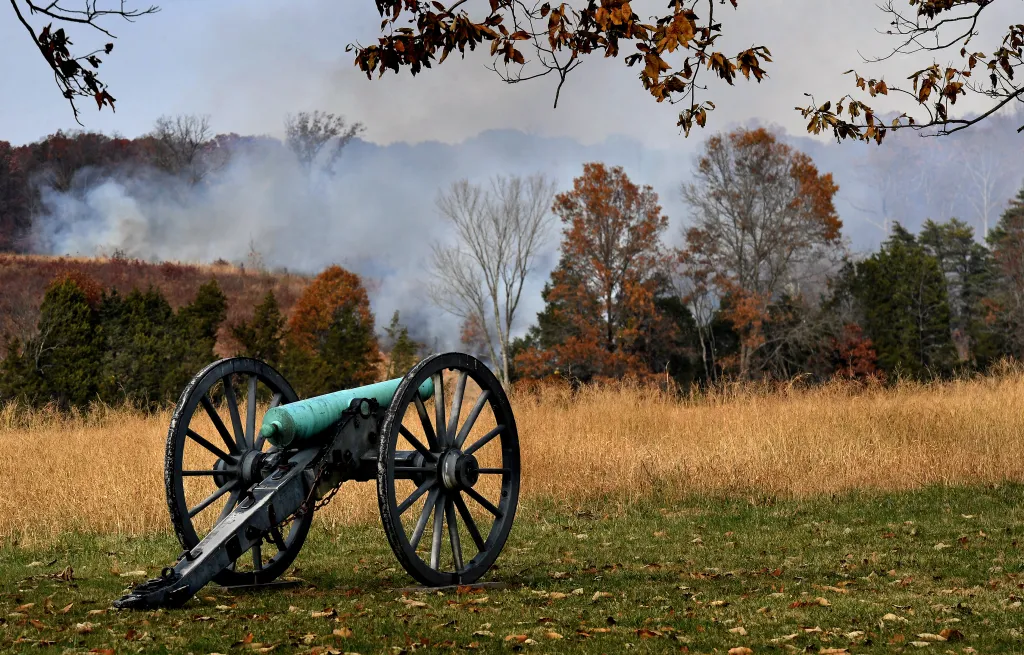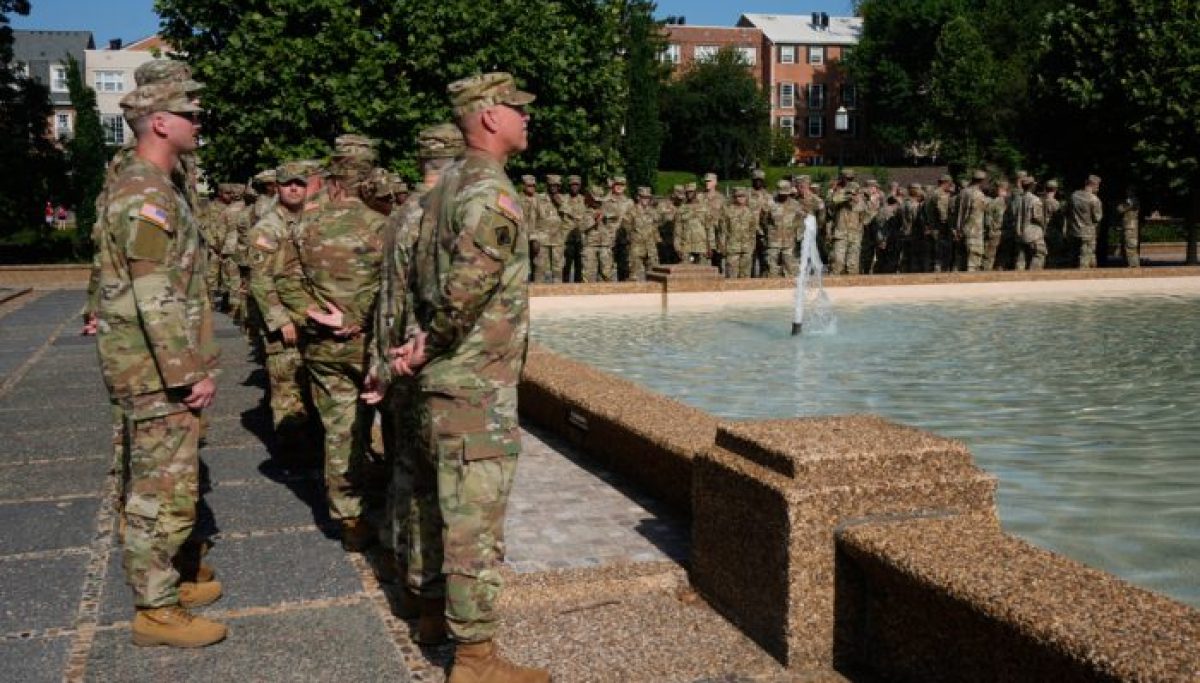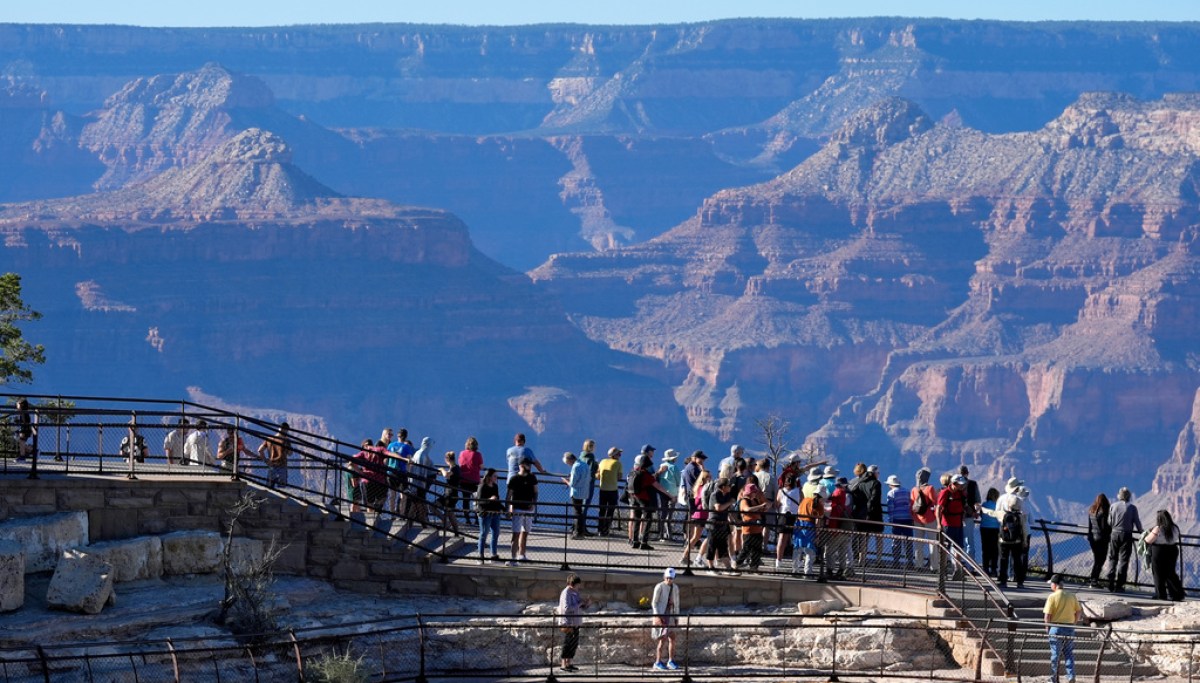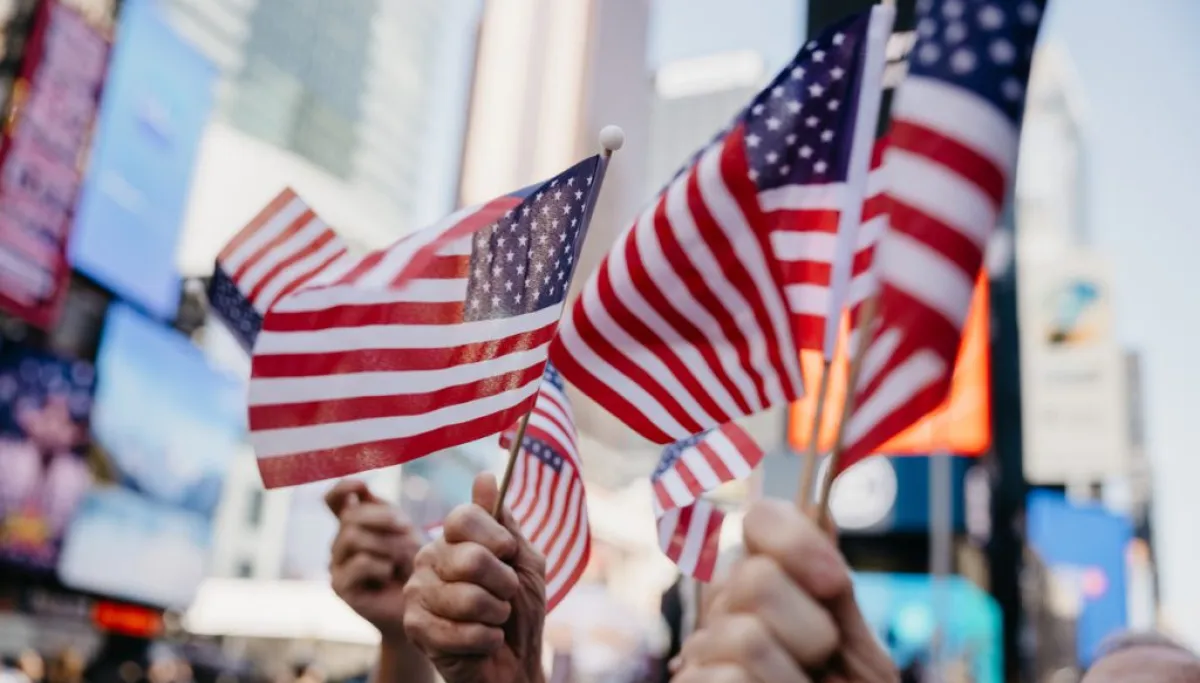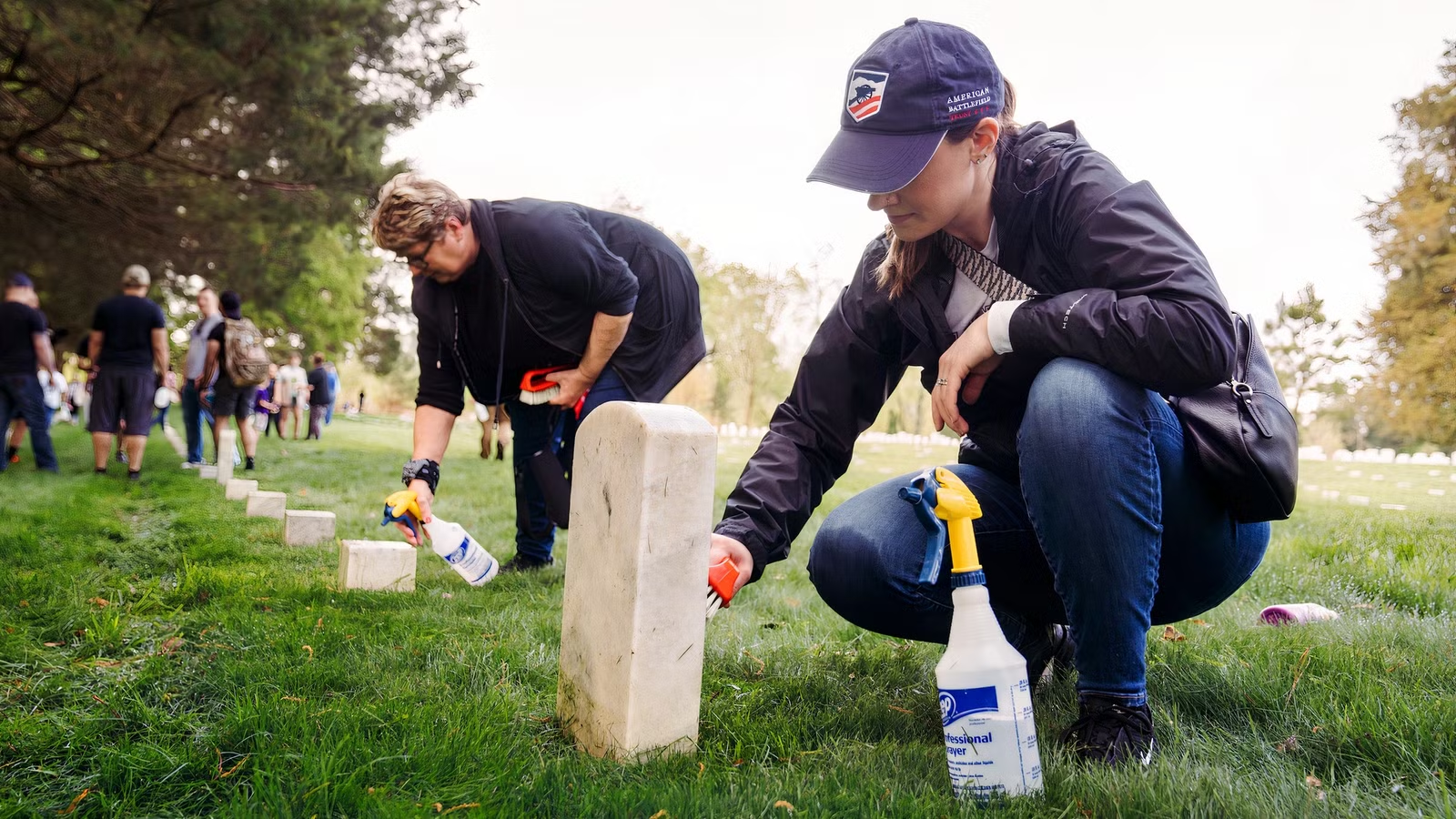
Every spring for the past three decades, volunteers have fanned out across more than a hundred American battlefields with rakes, shovels, and trash bags to do the work that national parks and historic sites cannot always afford to do themselves. This year, Park Day turned 30. The milestone arrived the same week the American Battlefield Trust secured a significant legal victory in Virginia, where a court sided with the organization in its challenge to zoning that would have placed the largest data center complex in the world alongside Manassas National Battlefield Park. For David Duncan, president of the Trust, the two moments — one a quiet annual tradition, the other a hard-fought legal win — reflect the same underlying reality: The battlefields where American history was decided are not safe by default. They require sustained, active defense. Military.com sat down with Duncan ahead of this year's Park Day to talk about what three decades of volunteer labor has built, why Manassas mattered, and why the people responsible for protecting these grounds cannot afford to let up.
The Manassas Victory — and What It Did Not Settle
The legal dispute over Manassas had been working through the Virginia courts for several years before the Trust received good news from an appellate court earlier this spring. The Prince William County board subsequently decided not to continue challenging the lower court ruling, removing one of the principal obstacles to a final resolution. "We recently had good news from an appellate court in Virginia, and … the new board of Prince William County decided to no longer be a party to the lawsuit,” Duncan said. “The developers still could take this to the Virginia Supreme Court, but I'm hopeful they're realizing the tide has turned against them and the county isn't going to put any more money into fighting this. I'm not popping the champagne corks quite yet, but we're bringing them up from the basement." Duncan was careful not to overstate what the ruling achieved. The broader question of how to balance commercial development pressure against historic preservation has not been resolved by any single case, and the Trust has fought versions of this battle repeatedly across multiple states and multiple decades.