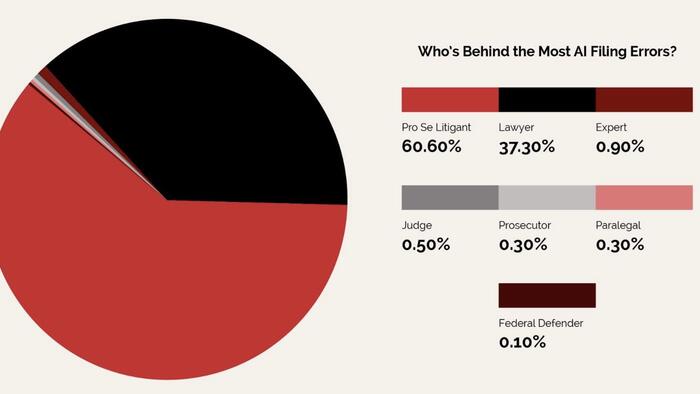
Lawyers have been using AI to do their homework. The courts are now grading that homework, and the results are not pretty.
A new study tracking AI-related legal misconduct found that Damien Charlotin’s global database logged 1,667 legal matters tied to AI hallucinations by mid-2026. That is up from roughly 230 cases documented just a year earlier. In plain terms: the problem nearly septupled in twelve months.
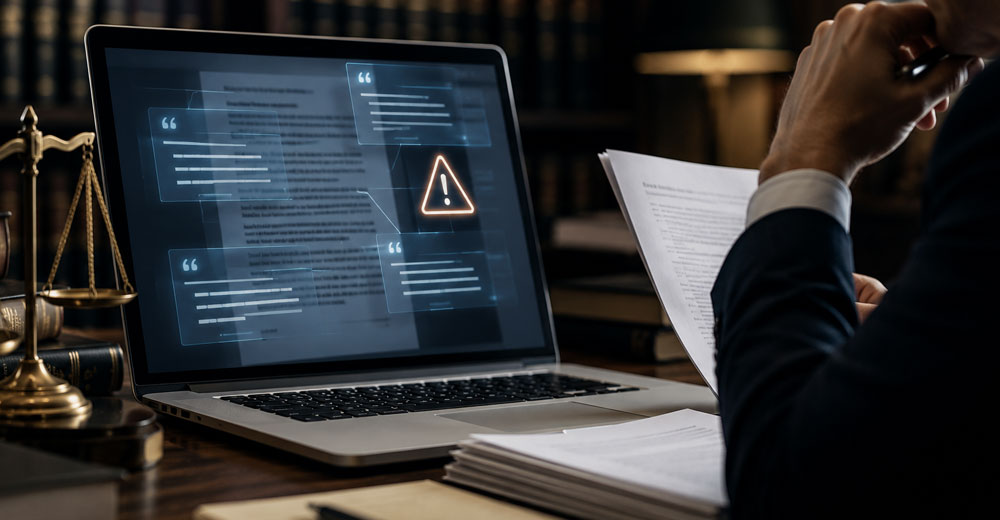
AI hallucinations, for the uninitiated, are not dramatic robot breakdowns. They are confident, fluent, completely fabricated outputs. A legal AI tool asked to find supporting case law might invent a citation that sounds real, formats correctly, and cites a judge who absolutely never wrote those words. Attorneys who submit that research without verifying it are the ones who end up in front of a very unamused judge.
The errors are not edge cases
The assumption that hallucinations are rare flukes does not survive contact with the benchmarks. Lexis+ AI and Thomson Reuters AI tools, two of the most prominent names in legal research technology, produced incorrect information more than 17% of the time in documented assessments. Some systems crossed the 34% error threshold in certain benchmarks.