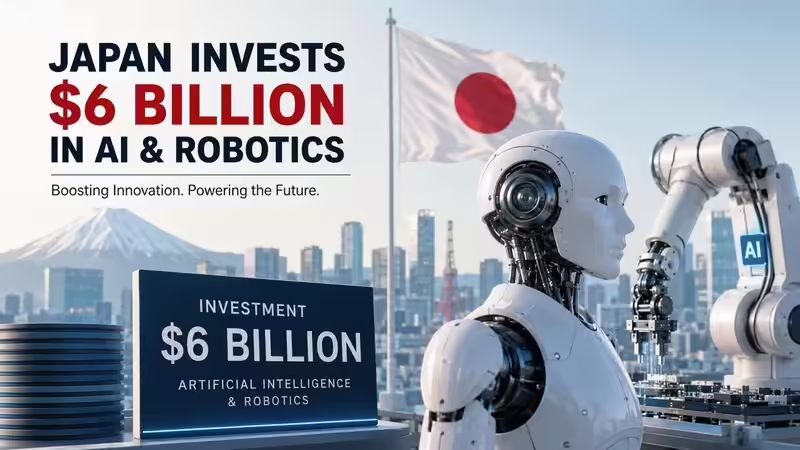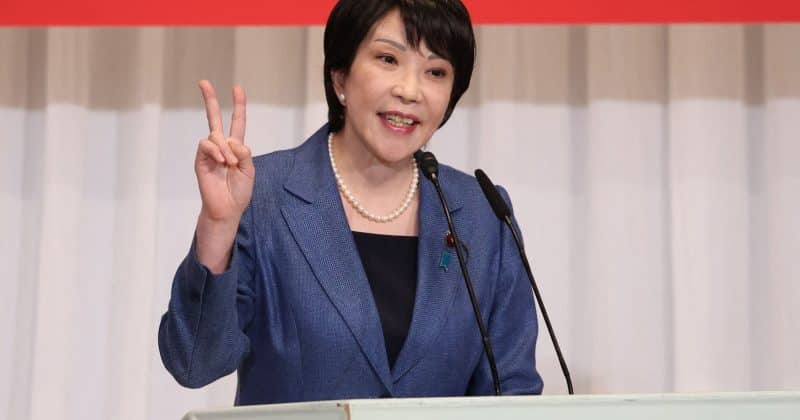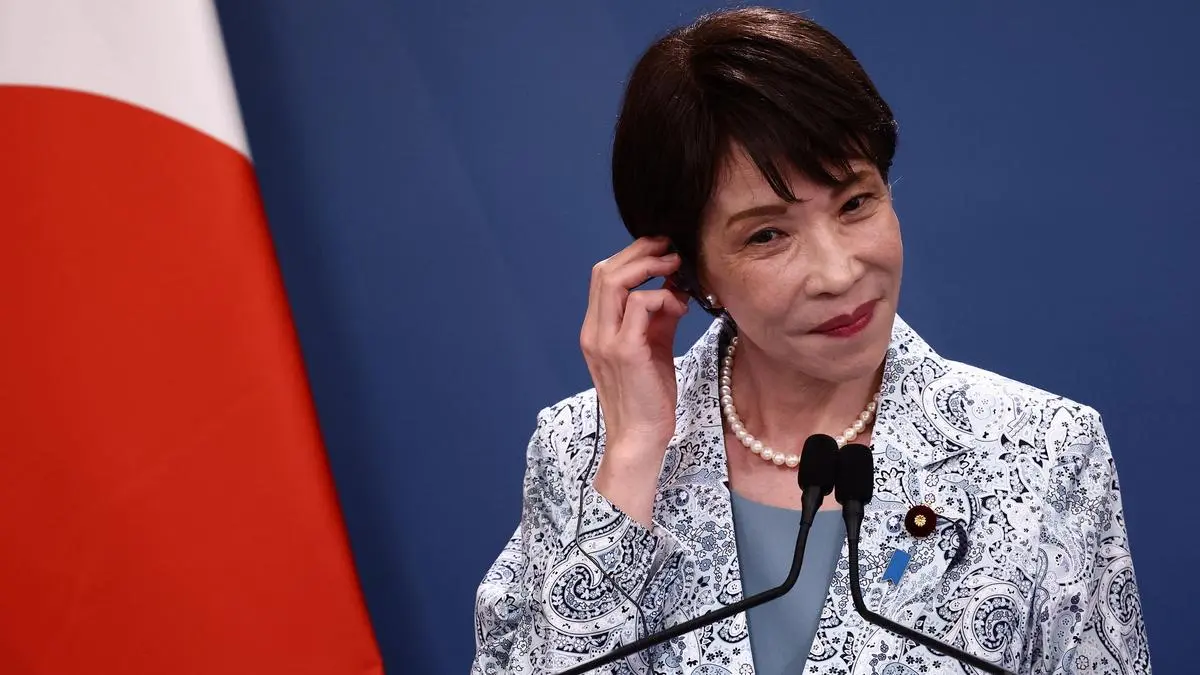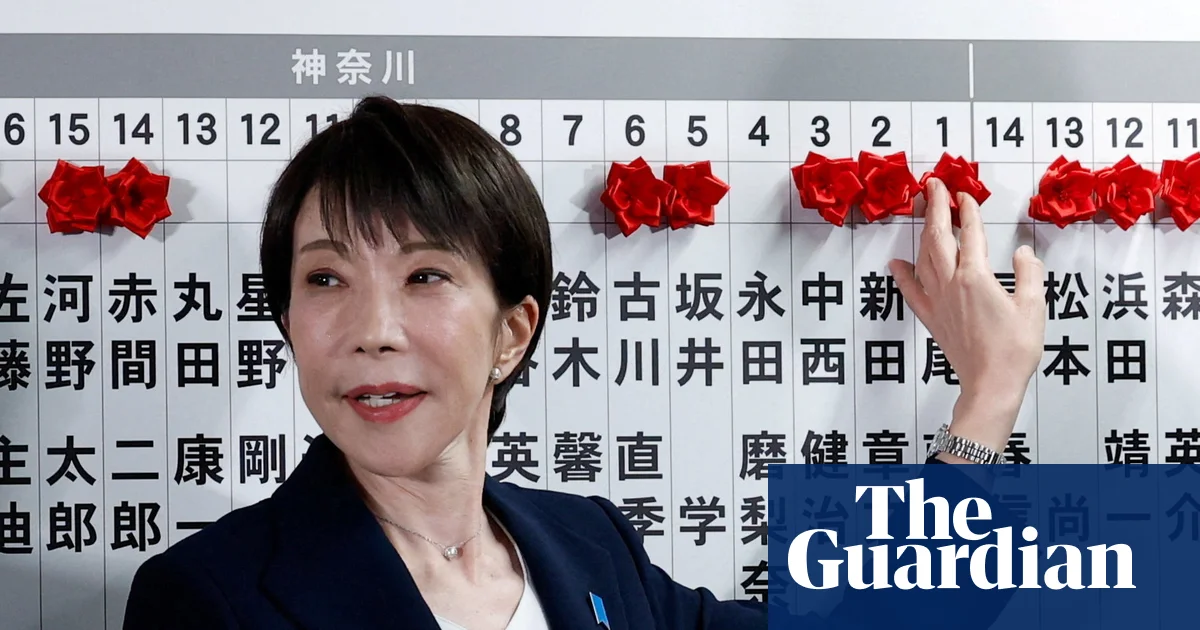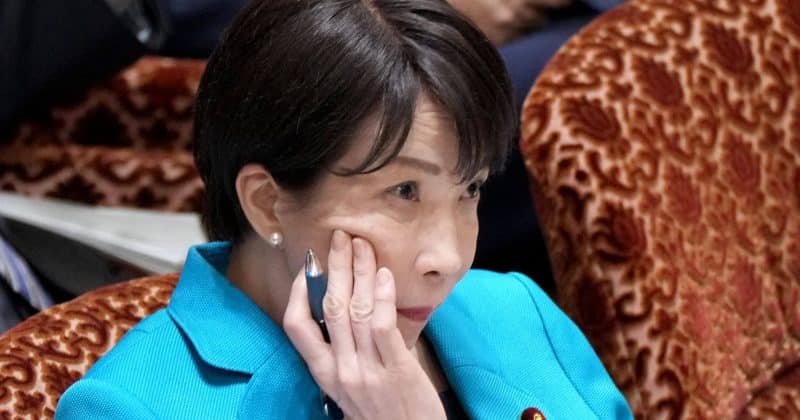
Japan’s Prime Minister Sanae Takaichi just laid out the most ambitious economic roadmap the country has seen in over a decade. The target: nearly ¥1,100 trillion in nominal GDP, roughly $6.8 trillion, by fiscal year 2040.
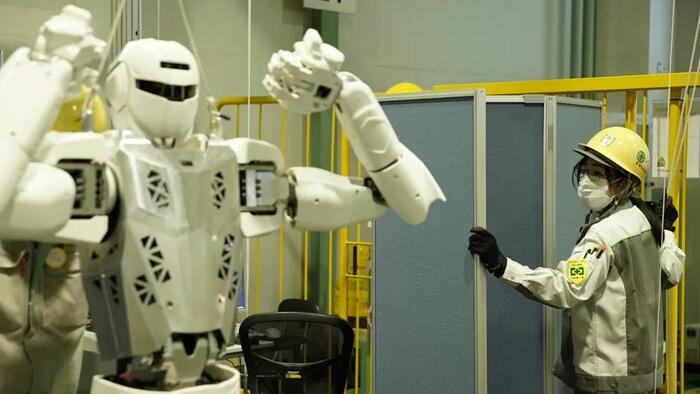
That’s not a modest stretch goal. It’s a wholesale reimagining of what Japan’s economy could look like, backed by a combined ¥370 trillion (approximately $2.3 trillion) in planned investments across 17 strategic sectors. Think AI, semiconductors, defense, biotechnology, shipbuilding, and space exploration.
The growth math and what it requires
Takaichi’s blueprint calls for roughly 2% real GDP growth and nominal growth exceeding 3% annually. For most economies, that would be unremarkable. For Japan, which has spent the better part of three decades wrestling with deflation and demographic decline, it’s a fundamentally different posture.
The plan draws heavy parallels to former Prime Minister Shinzo Abe’s 2013 growth strategy, the “Japan is Back” vision that used aggressive fiscal stimulus and monetary easing to jolt the economy out of stagnation. Takaichi’s version updates the playbook with a stronger emphasis on technological sovereignty and defense spending.