At the home of a Senate ally in December 2011, then-president Noynoy Aquino sat down with his key advisers to talk about the mega political battle that he started barely a year into his presidency: the impeachment of a chief justice. It was a go or no-go meeting. Two of them made one final effort to caution Aquino against doing it, saying it would cost him hefty political capital.
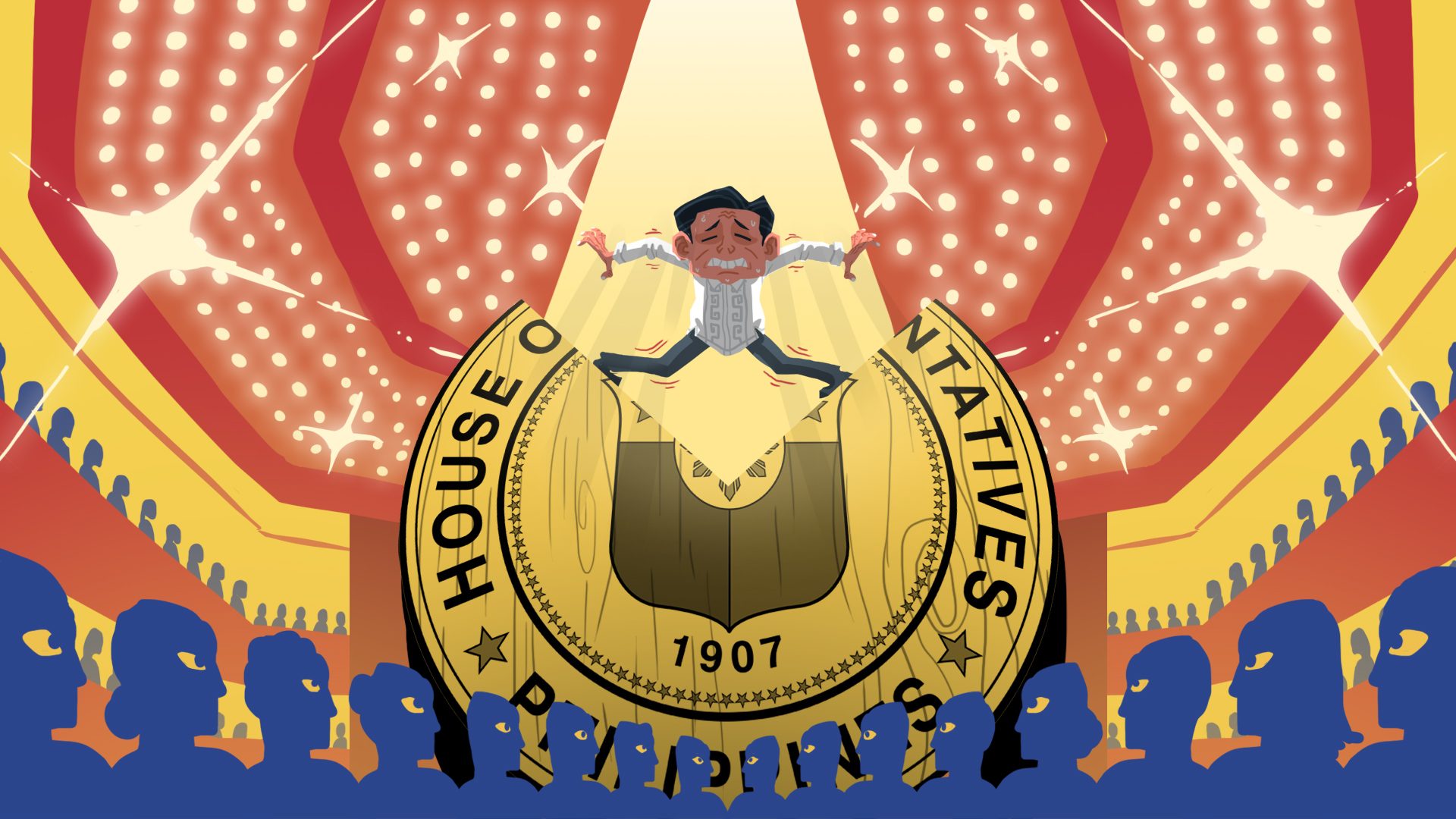
Aquino listened then walked to the garden for a smoke. Minutes after he settled back in, he asked for the draft of the Articles of Impeachment that lawyers had prepared, reviewed it, and then handed it to a Cabinet secretary present for final editing by wordsmiths in the coming weekend. By Monday, December 12, 2011, the House received a copy of the impeachment complaint from Malacañang, voted on it, and made the historic move of impeaching then-chief justice Renato Corona. The Senate, as an impeachment court, convicted Corona five months later. (Corona died in 2016.)
As president, Aquino made clear what he wanted — or did not want — in his presidency. It didn’t bother him, for instance, that the impeachment complaint was crafted by lawyers he himself had chosen and on his say-so. The status quo can’t go on, the president, who died in 2021, would say often. He was not oblivious to risks, such as those that accompanied his dogged pursuit of Corona, but he did not flee from them once he had set his mind on a goal.