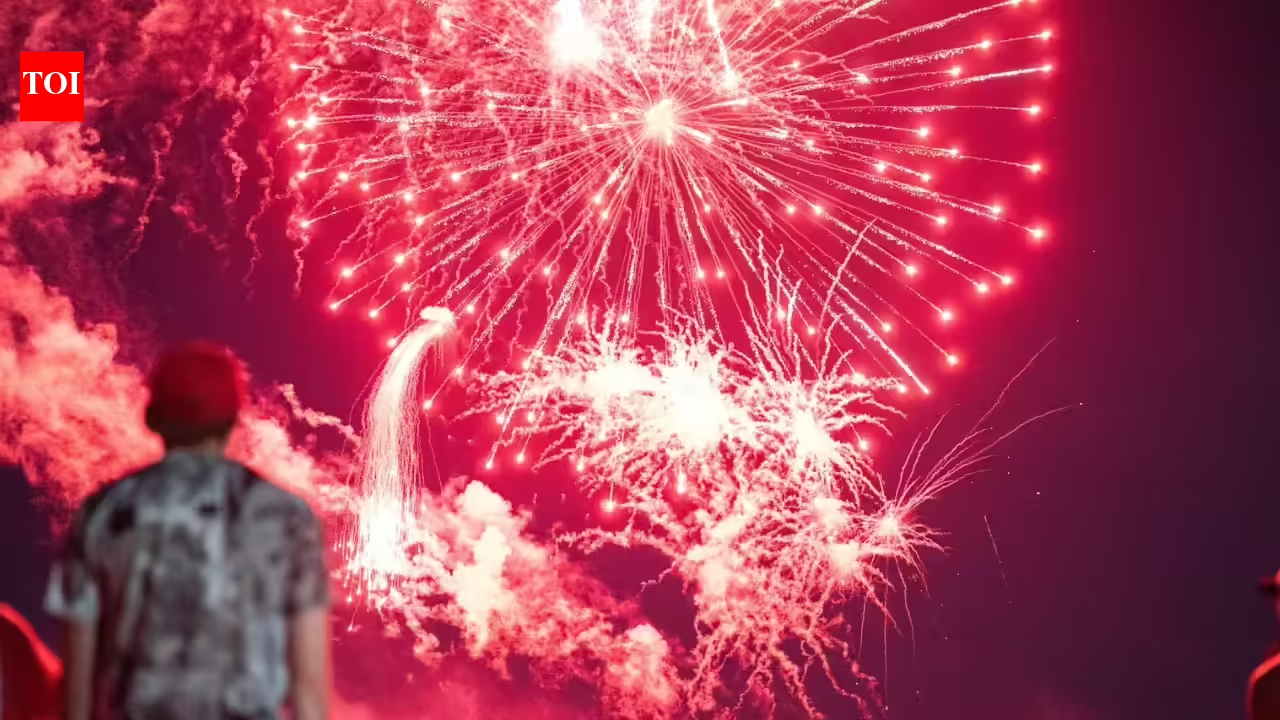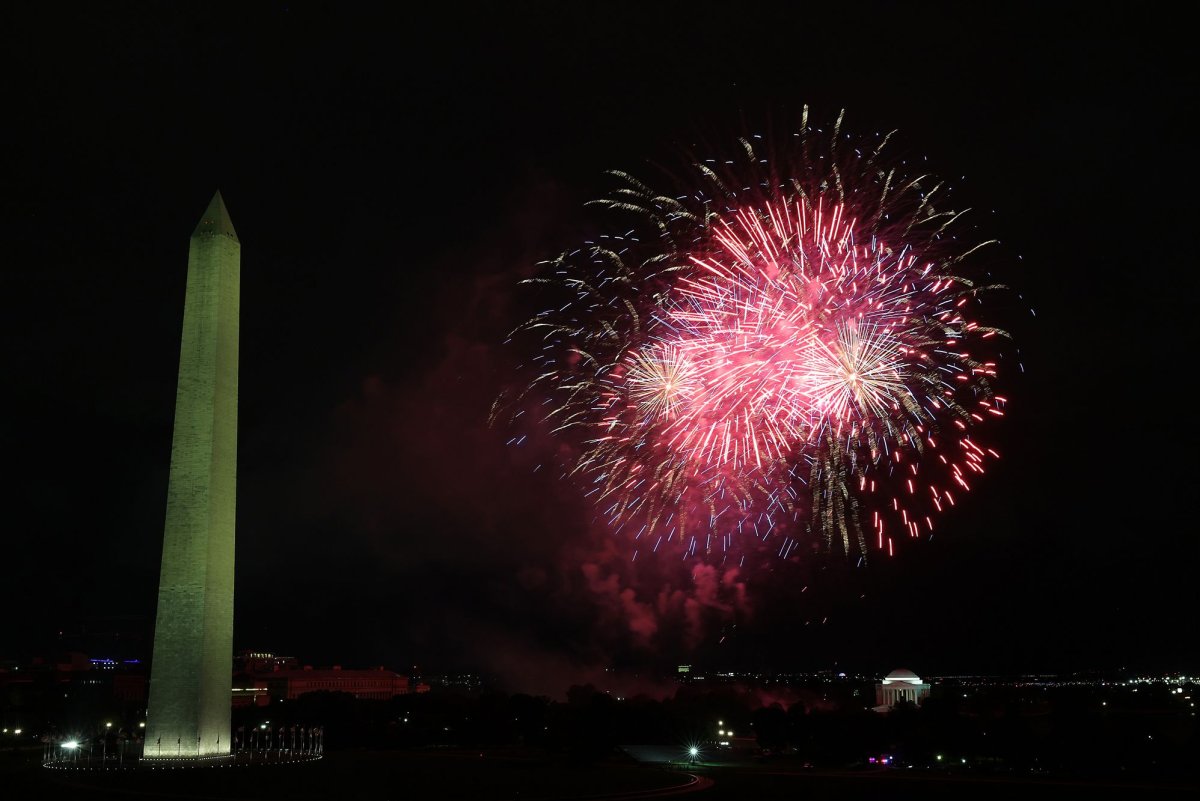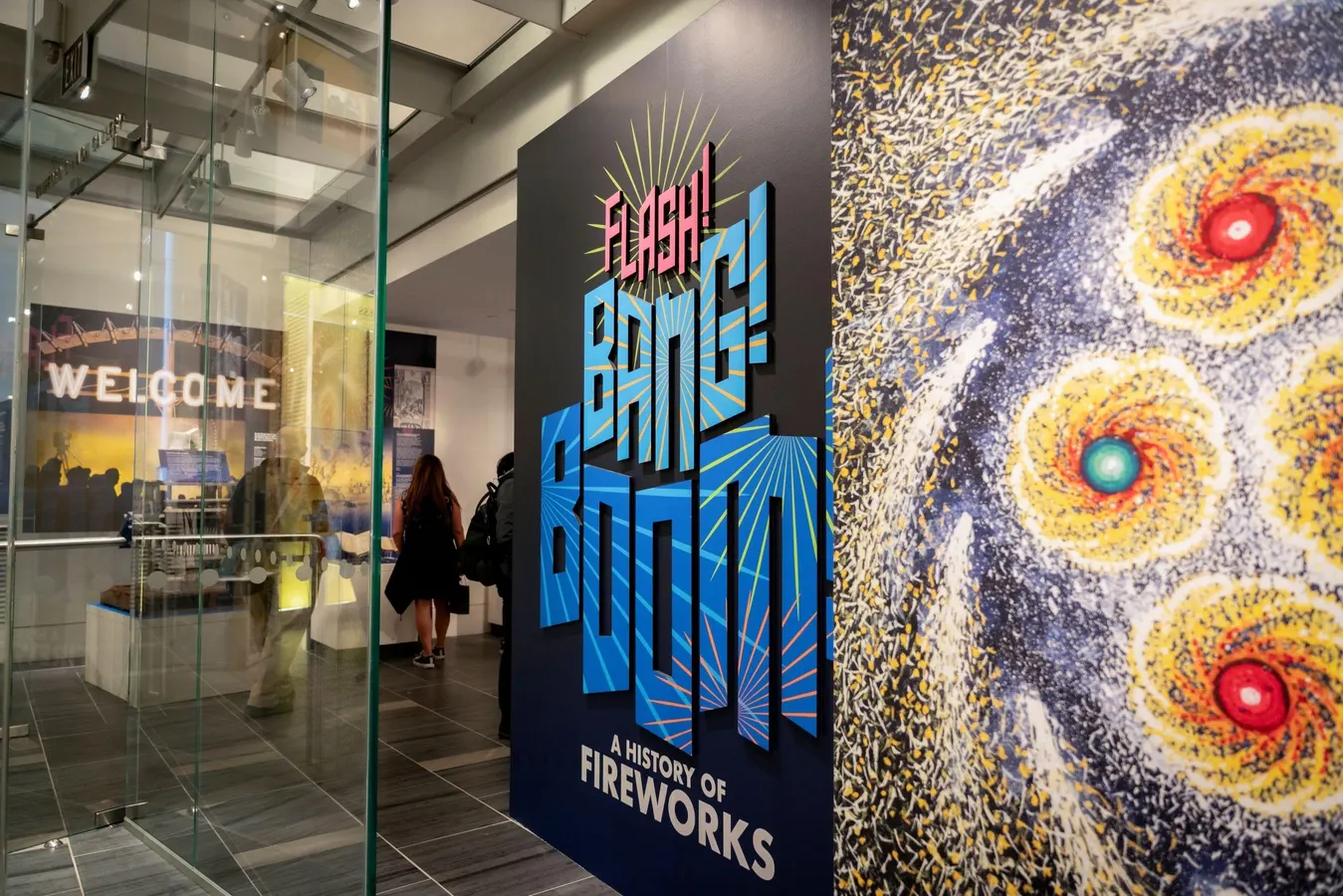
"Flash! Bang! Boom! A History of Fireworks” at the Science History Institute in Philadelphia puts a central part of America 250 celebrations into a colorful international context.Science History Institute Philadelphia is rich with U.S. history and will be a centerpiece of America 250 celebrations and attention this summer. As part of the anniversary festivities, the city’s Science History Institute is currently hosting a museum display of the history of fireworks from China and the world called “Flash! Bang! Boom! A History of Fireworks” that puts a central part of American celebrations into a colorful international context.The history of fireworks is “long and global,” notes Jesse Smith, director of the museum. The record is intertwined with gunpowder, so also dangerous, he added in a recent interview at the exhibition. One of the biggest challenges faced by the non-profit institute, founded in 1982 and which promotes education in the fields of science and technology, was how to squeeze more than a millennium of history into its “relatively modest gallery” in downtown Philadelphia. “Rather than arranging the story chronologically, we've arranged it according to the different elements of putting on a fireworks show -- designing, making, testing, selling and launching” that highlight both the chemistry and artwork, as well as the range of amateur enthusiasts, professionals and hobbyists involved in bringing fireworks to life, Smith said. “We also wanted to make sure that the U.S. story did not dominate here,” he added.China Gets A ShoutoutChina, generally considered to be the birthplace of fireworks, gets a shoutout for its early development of gunpowder, which was once thought of “fire medicine” and a toxic to increase vitality. “Gunpowder’s leap from elixir-of-life to flash-bang-boom required the addition of a new element: the container,” the exhibit notes. “The loud crack of a bamboo cylinder – stuffed with gunpower, bursting open from the forces unleashed during the reaction – was a new application, an amplification of the mixture’s potency. These devices – proto-firecrackers, were used to banish demons around the New Year celebrations and other rituals.” China suppliers today dominate the U.S. market for fireworks. Besides China, the museum highlights fireworks from Japan, Italy, Mexico and elsewhere to show the fireworks have looked different in different times in a variety of countries across the world and shaped by a variety of influences. MORE FOR YOU“For much of the 20th century in the U.S., we were making cylindrical shells in the Italian style. Many of the U.S. fireworks companies were started by Italian immigrants who brought with them this style of making fireworks at the start of the 20th century,” Smith said. Italian fireworks had the biggest impact in the U.S., and were also widely popular across Europe, used by British and French royalty. “They were known for creating elaborate scenes and what was considered perhaps the finest artistry in terms of developing fireworks,” Smith said. Starting around the 19th century, fireworks displays advanced from a whiteish image to a broader spectrum of colors through the introduction of potassium nitrate. “Before the arrival of the Italians in the U.S., fireworks would have been pretty modest. They would have been things like crackers and sparklers,” he noted. Artist Cai Guo-Qiang Also HighlightedSince the 1970s when China launched economic reforms in the post-Mao era, U.S. fireworks purchases have shifted to manufacturers there, and Chinese styles dominate, Smith said. Production is mostly by companies in the city of Liuyang in Hunan province, an area with long ties to pyrotechnics, the museum notes. The museum exhibition also includes work by Cai Guo-Qiang, an American who immigrated from China and creates art using gunpower and fireworks. About 2,500 enthusiasts turned up to learn more about the history and science behind fireworks at a pop-up museum organized by the Science History Institute at the Wawa Welcome America’s Philly Fair 250, a multiday celebration held in the city’s Fairmount Park’s Centennial District on June 20-21. In July, the museum will be showing the film “Passfire,” a 2016 film that explores the global fireworks culture. This Thursday, July 2, the Institute will team up with the American Chemical Society on a free webinar to explore "the origins and global history of fireworks, from ancient innovations to modern spectacles."ForbesAmerica 250: China Will Enjoy A Big Day In The U.S. On July 4th, TooBy Russell FlanneryForbesA Pioneering China Billionaire Is Upbeat About Giving And The FutureBy Russell Flannery
Boom! Institute Tracks Colorful Fireworks History From China Onward
China gets a shoutout at a Philadelphia exhibition for its early development of gunpowder, which was once thought of a toxic to increase vitality.
729 words~3 min read