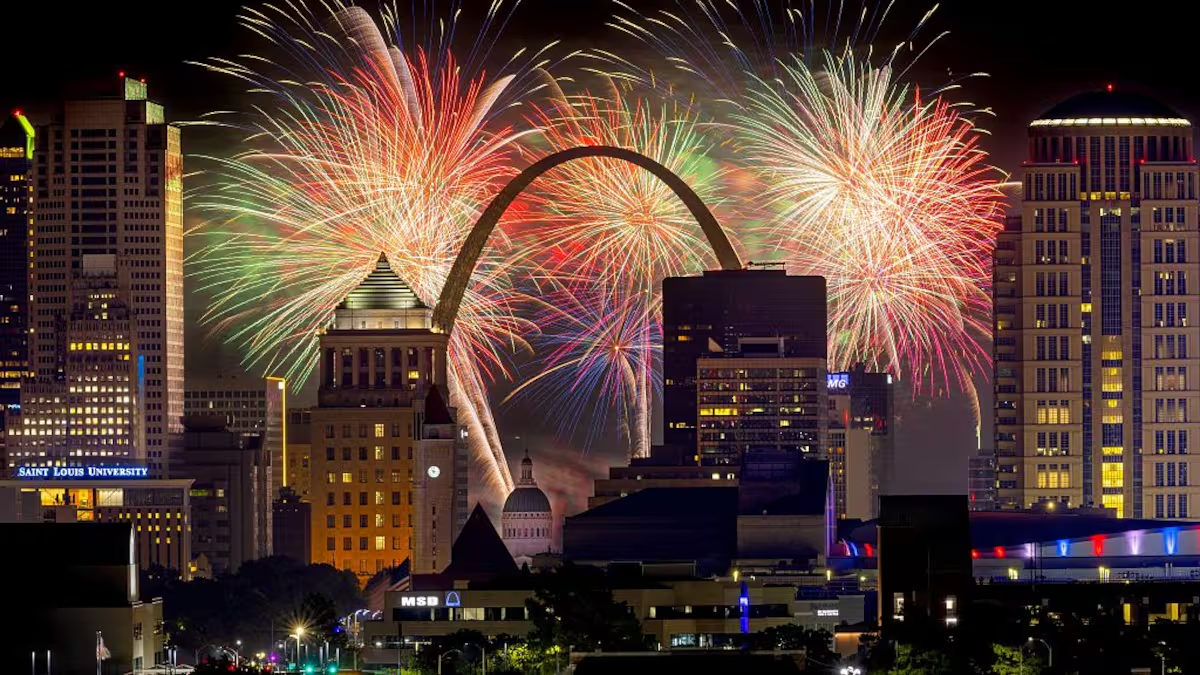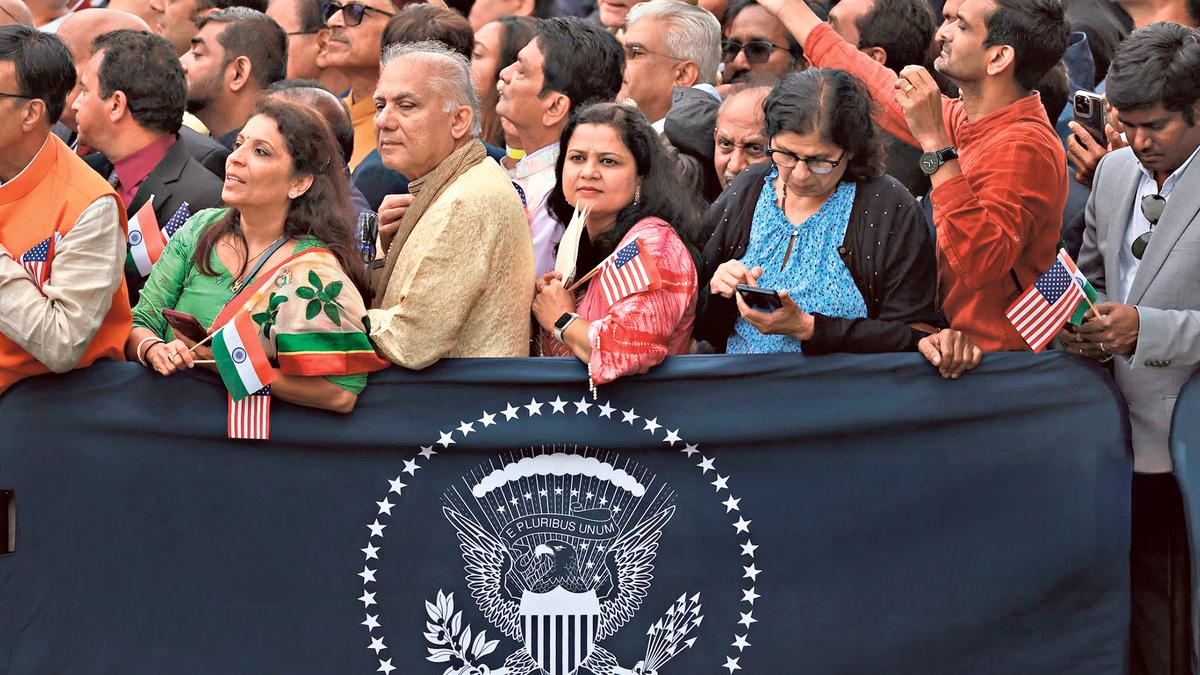
Casie, a co-worker, catches hold of me in the hallway. “So, where will you go to see the fireworks?” Fireworks? My mind goes blank for a moment.“Oh, I mean the July 4 fireworks,” she says, reading the unsure look in my eyes. “Have you made any plans yet? This time will be special. It’s the 250th year.”I have been in the U.S. for exactly one year after spending close to two decades in Sweden. I am still discovering American traditions, and in this first year, I have realised that many of us outside America think we know the country better than we actually do. Its music, movies, technology, universities, wars, presidents and slogans have travelled so widely that America often feels familiar before one has lived in it. Yet, familiarity is not the same as understanding.The Fourth of July was one such ritual for me. I knew it from films: flags, fireworks, barbecues and marching bands. But as America marks 250 years of independence, I want to understand what the day means to those who live here, those who were born into its story, those who arrived later and made it home, and those who live between more than one country.What emerges is that July 4 is not a simple celebration. It has evolved into something more layered: gratitude mixed with anxiety, belonging mixed with caution, pride mixed with embarrassment, and a dream that is still alive but no longer unquestioned.
America at 250 | Fireworks and fault lines
Indian immigrants, students and professionals weigh opportunity against uncertainty, asking if the American Dream is still worth chasing
2,282 words~10 min read