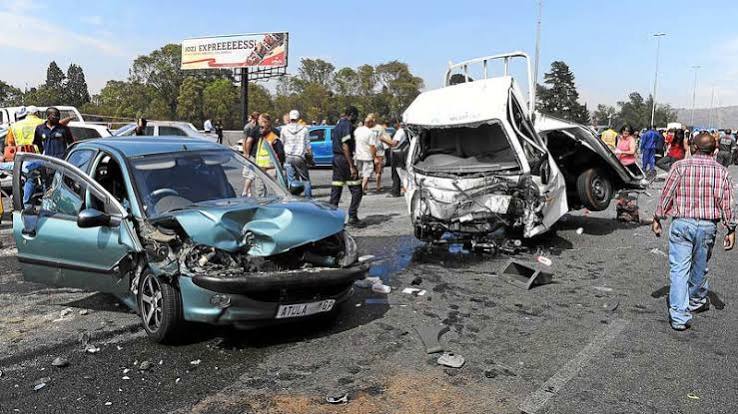
Last Saturday morning, I witnessed a scene that has refused to leave my mind. A hit-and-run driver knocked down a man at the Lotto Bus Stop end of the ever-busy Lagos-Ibadan Expressway and sped off, leaving him lying in a pool of blood by the roadside.
For what seemed like an eternity, the victim remained there, bleeding profusely and helpless, while passers-by watched in shock and uncertainty. Commercial motorcyclists at the scene and some green-and-white-uniformed members of the National Union of Road Transport Workers looked on. It was not that people were unwilling to help. Many genuinely wanted to, but fear held them back.
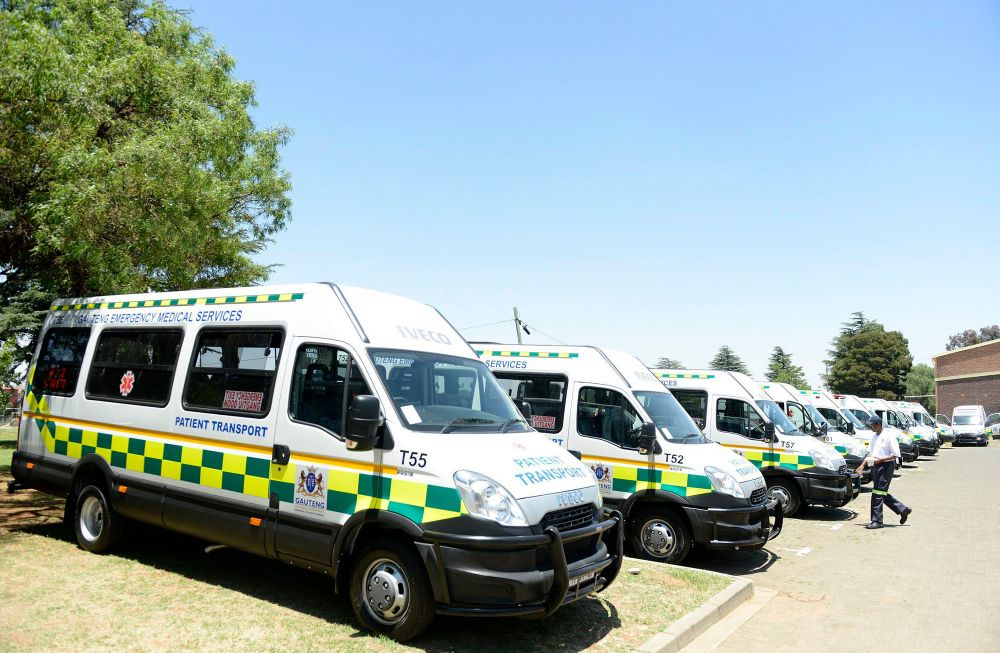
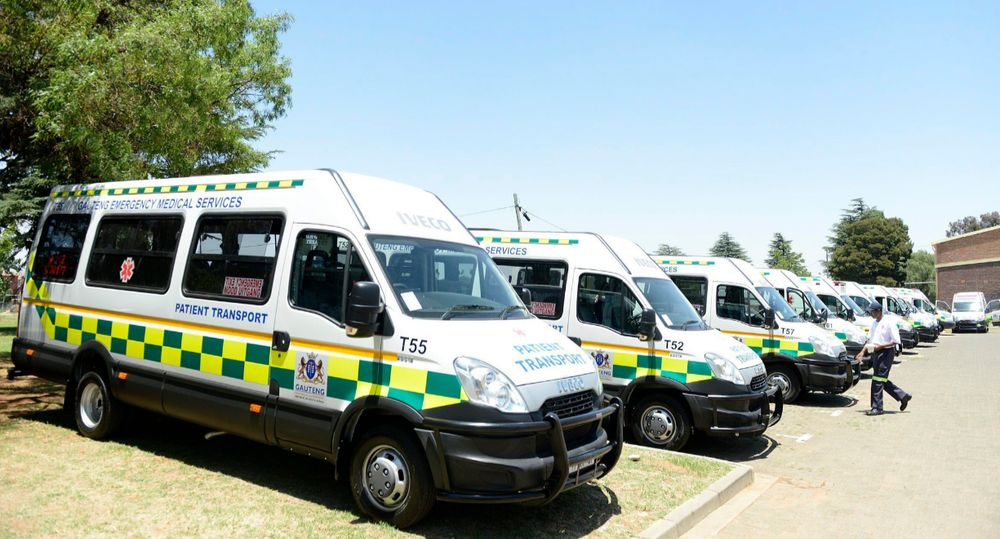
Some were worried that hospitals would insist on a police report before commencing treatment. Others feared they would be detained, asked to make statements, or become entangled in a process that could consume their time and resources. By the time help eventually came, the injured man was placed on the back of a commercial motorcycle—not an ambulance—and taken away. The scene was a heartbreaking reminder that, beyond reckless driving, Nigeria still lacks the coordinated and responsive emergency medical system that saves lives in many parts of the world. Experience has shown that sometimes accidents do not kill people immediately; delayed emergency response does.