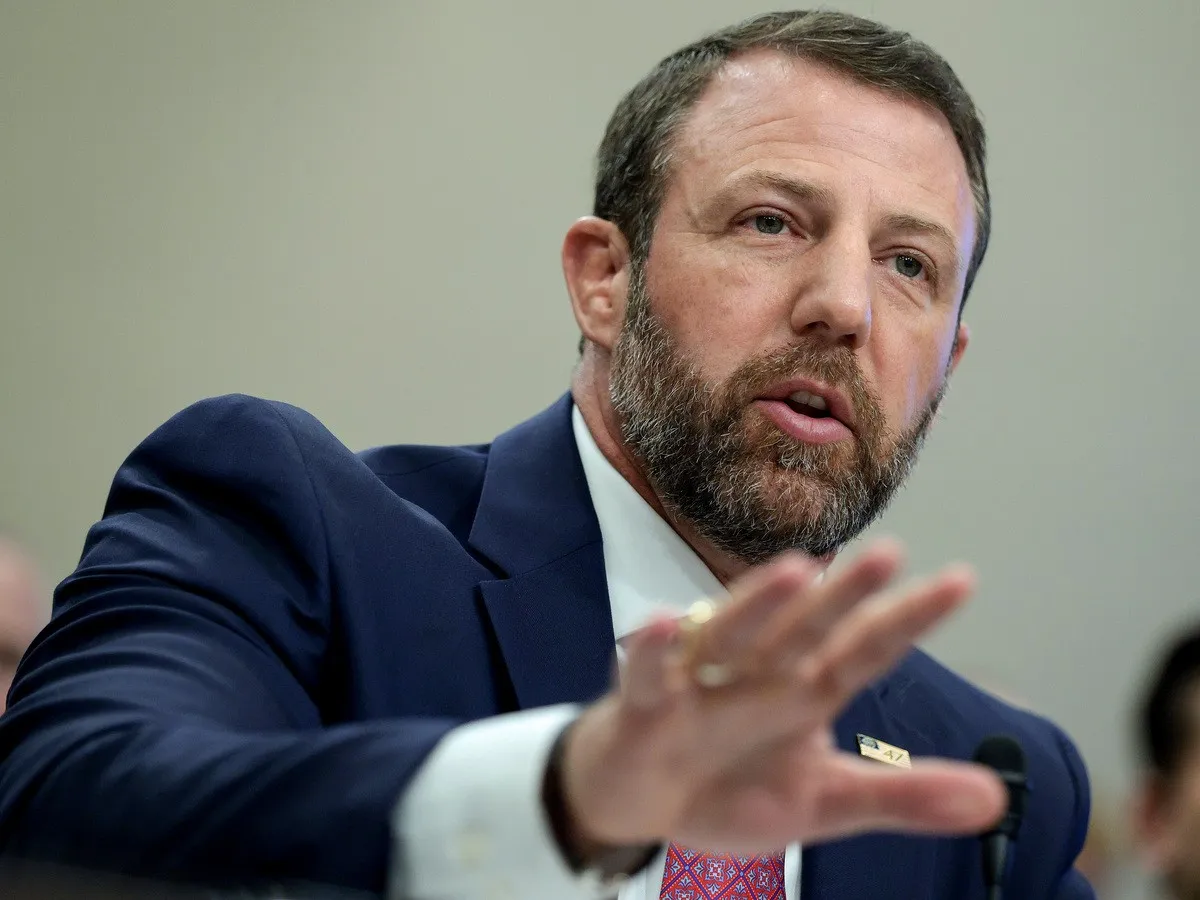
Skip to Content Subscribe Our Offers My Account Manage My Subscriptions FAQ Newsletters Canada Canadian True Crime Canadian Politics Health World Israel & Middle East Financial Post NP Comment Longreads Puzzmo Diversions Comics NP News Quiz New York Times Crossword Horoscopes Life Eating & Drinking Style Sponsored Play for Ontario Travel Travel Canada Travel USA Travel International Cruises Travel Essentials Culture Books Celebrity Movies Music Theatre Television Business Essentials Advice Lives Told Tails Told Shopping Buy Canadian Home Living Outdoor Living Kitchen & Dining Tech Style & Beauty Personal Care Entertainment & Hobbies Gift Guide Travel Guide Amazon Prime Day Deals Savings National Post Store More Sports Hockey Baseball Basketball Football Soccer Golf Tennis Driving Vehicle Research Reviews News Gear Guide Obituaries Place an Obituary Place an In Memoriam Classifieds Place an Ad Celebrations Working Business Ads Archives Healthing Epaper Manage Print Subscription Profile Settings My Subscriptions Saved Articles My Offers Newsletters Customer Service FAQ Newsletters Canada World Financial Post NP Comment Longreads Puzzmo Diversions Life Shopping Epaper Manage Print Subscription HomeNewsU.S. Republicans are casting the Canadian border as a rising security threatWhile the northern border is patrolled better than in the past, it’s not fully secure, the authorities testifying repeatedly claimedLast updated 39 minutes ago You can save this article by registering for free here. Or sign-in if you have an account.U.S. Homeland Security Secretary Markwayne Mullin testifies before the House Appropriations Homeland Security Subcommittee in the Rayburn House Office Building on Capitol Hill on June 25, 2026 in Washington, DC. Photo by Chip Somodevilla /Getty ImagesWASHINGTON, D.C. — The U.S. administration and its congressional allies are continuing to make the case that America’s northern border is facing a rising national security threat.Enjoy the latest local, national and international news.Exclusive articles by Conrad Black, Barbara Kay and others. Plus, special edition NP Platformed and First Reading newsletters and virtual events.Unlimited online access to National Post.National Post ePaper, an electronic replica of the print edition to view on any device, share and comment on.Daily puzzles including the New York Times Crossword.Support local journalism.Enjoy the latest local, national and international news.Exclusive articles by Conrad Black, Barbara Kay and others. Plus, special edition NP Platformed and First Reading newsletters and virtual events.Unlimited online access to National Post.National Post ePaper, an electronic replica of the print edition to view on any device, share and comment on.Daily puzzles including the New York Times Crossword.Support local journalism.Create an account or sign in to continue with your reading experience.Access articles from across Canada with one account.Share your thoughts and join the conversation in the comments.Enjoy additional articles per month.Get email updates from your favourite authors.Create an account or sign in to continue with your reading experience.Access articles from across Canada with one accountShare your thoughts and join the conversation in the commentsEnjoy additional articles per monthGet email updates from your favourite authorsSign In or Create an AccountorTwo weeks ago, Homeland Security Secretary Markwayne Mullin said during a CSIS panel discussion in Washington that pressure on Mexican cartels at the southern border was pushing criminal operations and fentanyl trafficking northward toward the Canadian border. Drug researchers notably questioned the claim. But on Tuesday, a Congressional Subcommittee on Border Security and Enforcement and the Subcommittee on Counterterrorism and Intelligence held a joint hearing entitled “Northern Exposure: Assessing the Evolving Threat Landscape at America’s Northern Border.” Republicans at the hearing and the witnesses appeared to be justifying the need for more enforcement resources and technology to police the northern border.Get a dash of perspective along with the trending news of the day in a very readable format.By signing up you consent to receive the above newsletter from Postmedia Network Inc.A welcome email is on its way. If you don't see it, please check your junk folder.The next issue of NP Posted will soon be in your inbox.We encountered an issue signing you up. Please try again“We cannot allow the northern corridor to become the next preferred corridor for these criminal networks,” hearing chair and Rep. Michael Guest (R-MS) said as he opened proceedings. Guest said Customs and Border Protection data show the northern border’s share of encounters has risen sharply and seizures are up, though it was unclear which dataset he was referring to for this claim.Rep. August Pfluger (R-TX) doubled down on the notion that the threat from the northern border was a growing problem.“Individuals of concern, including those appearing on the terror watchlist, are increasingly attempting to reach the United States through Canada,” he said, explaining that because the U.S. and Canada do not enforce immigration the same way, it can create openings for smugglers or other people he considers risky to cross the border.“Combined with differing immigration postures between the U.S. and Canada, cross-border travel demonstrates increasing risk that we must be prepared to preempt at border crossings,” Pfluger said.The theme throughout was Republicans arguing for a tougher stance on border security, while Democrats repeatedly highlighted overreach by ICE agents domestically. Guest and Pfluger made it clear that they were trying to identify the resources, technology and authorities needed to support frontline personnel and stop the U.S.-Canada border from becoming a liability.While the northern border is patrolled better than in the past, it’s not fully secure, leaving it vulnerable to shifting threat conditions, the authorities testifying repeatedly claimed.Acting Deputy Chief of U.S. Border Patrol Jason Schneider explained the northern border is a large, difficult, and evolving security environment that requires a layered mix of more agents, enhanced technology, and flexible enforcement, even though Border Patrol says it has made measurable progress. He emphasized how quickly smugglers can adapt. Chris Holtzer, executive director of operations for the U.S. Customs and Border Protection (CBP) office of field operations, testified that the northern border is a corridor facing multiple evolving threats.“The trafficking of narcotics and other contraband, inadmissible travellers, human smuggling, as well as biological and agricultural threats that could harm our communities and economy,” he warned.“Human smuggling remains a persistent and dangerous threat,” said Assistant Director for Domestic Operations within U.S. Immigration and Customs Enforcement (ICE)’s Homeland Security Investigations, Michael J. Krol, noting how a failed smuggling attempt from Canada into the United States led to the deaths of eight aliens, including two children.He also said seizures of cocaine and fentanyl at the Northern Border have increased, noting that weapons trafficking follows similar routes — but CBP data show fewer pounds of fentanyl being seized. In fact, the data show that only seizures of marijuana have increased.Despite progress being made at the northern border, when Schneider was asked whether the northern border is secure, he responded with, “No, not right now. We’re getting there though, sir.”“We’re close,” Schneider said, noting the holistic approach to increasing staffing, infrastructure and technology, but acknowledged: “We do not have 100 per cent situational awareness along the 5,500 miles on the northern border.”National PostOur website is the place for the latest breaking news, exclusive scoops, longreads and provocative commentary. Please bookmark nationalpost.com and sign up for our newsletters here. Join the Conversation This website uses cookies to personalize your content (including ads), and allows us to analyze our traffic. Read more about cookies here. By continuing to use our site, you agree to our Terms of Use and Privacy Policy.
U.S. Republicans are casting the Canadian border as a rising security threat
Congressional Republicans used a House hearing to frame the U.S.-Canada border as a growing security concern and to push for more resources.
1,207 words~5 min read