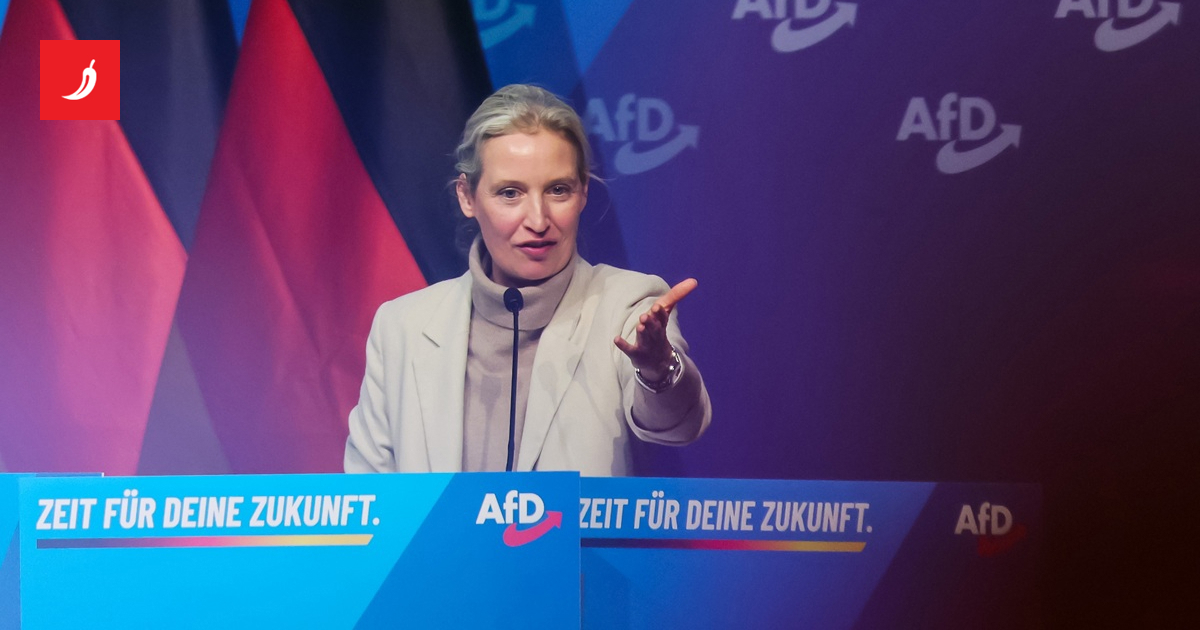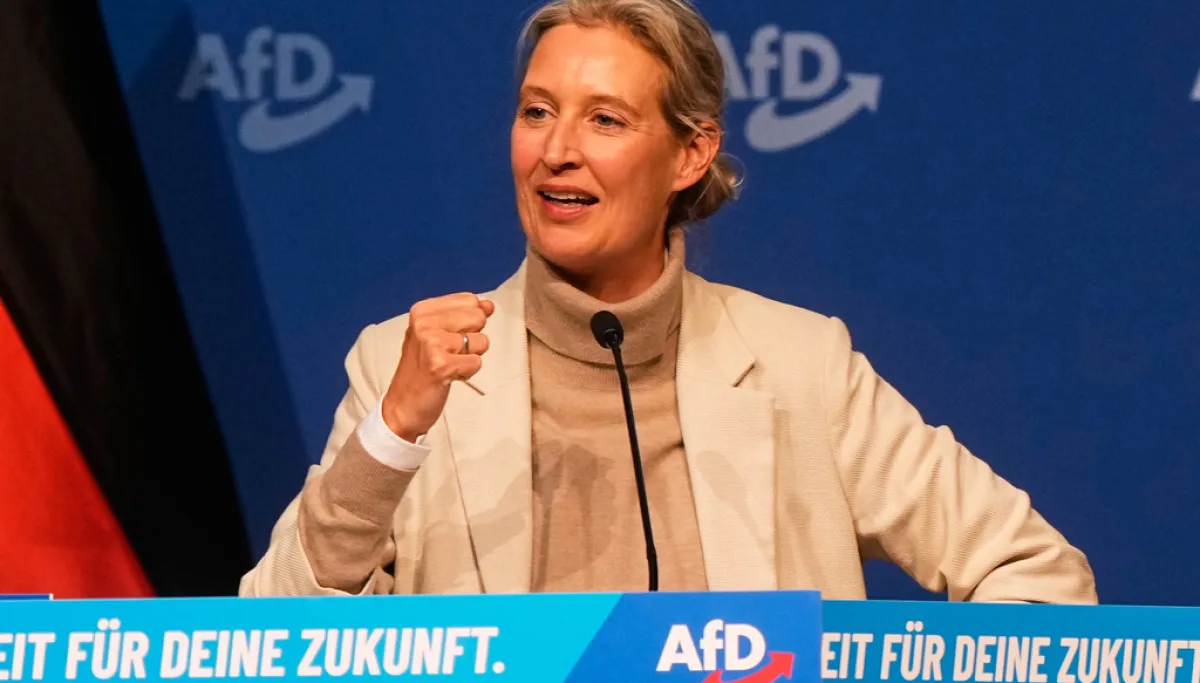
The Alternative for Deutschland, the rising right-wing party of Germany, is pitching an end to boycotts on Russian energy as its leader lays out her road map to leading the national government.AfD leader Alice Weidel said in an interview Tuesday that she is highly optimistic about upcoming state elections in Saxony-Anhalt and Mecklenburg-Vorpommern, predicting her party to be “in the chancellery either by the next elections or the ones after.” And with this high-office aspiration in mind, she is making a pitch for economic relief.“Cheap energy from Russia was the secret of the success of ‘Made in Germany.’ We need it back,” Weidel said. “The loss of this energy has set us back years. Hundreds of thousands of jobs have been lost. It has made us dependent on the United States, which sells us energy at far higher prices.”
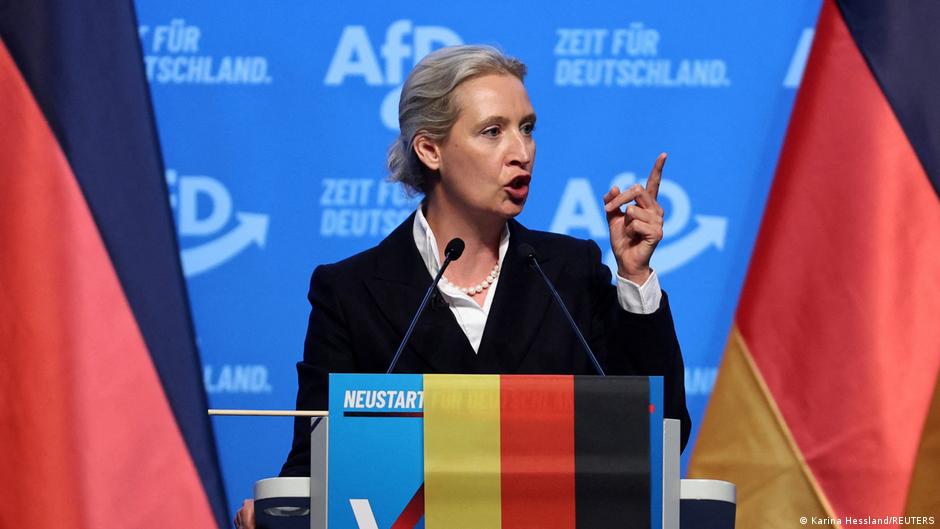
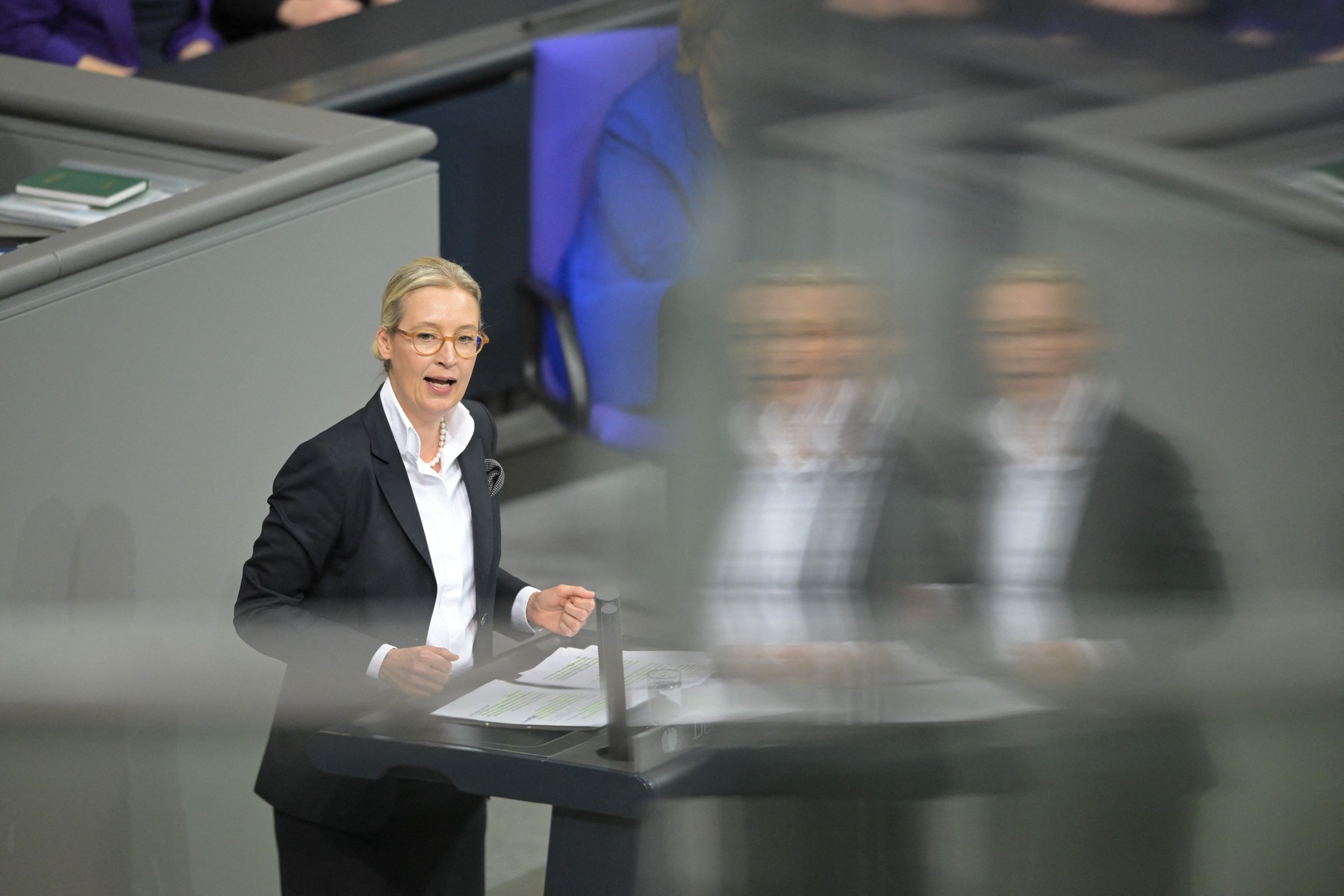
AfD party leader Alice Wridel speaks during the re-founding of the AfD youth organization in Giessen, Germany, early Saturday, Nov. 29, 2025. (AP Photo/Martin Meissner)
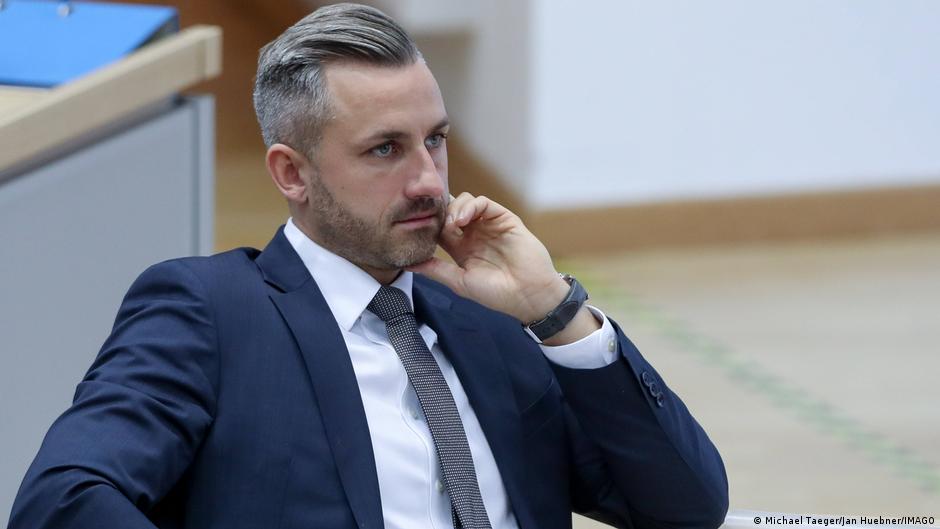
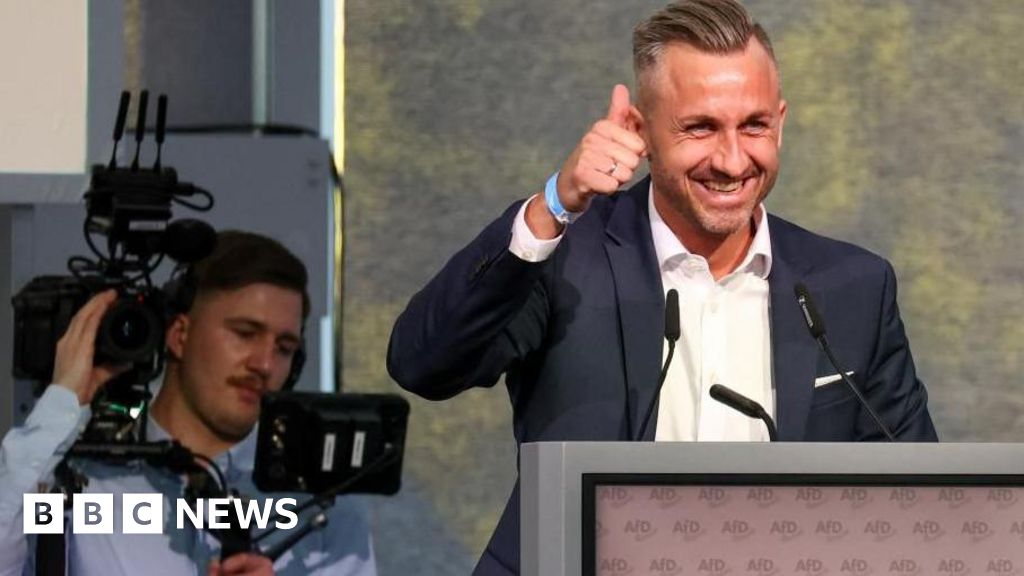
Beatrix von Storch, an AfD member of the Bundestag, affirmed in an interview with the Washington Examiner that Germany and Russia should have “friendly relations where we exchange as much goods as possible and have a lot of trade.”AfD has always been more relaxed toward the Kremlin compared to the mainstream parties of Germany.A senior member of the party, lawmaker Markus Frohnmaier, visited St. Petersburg earlier this month to attend a forum at the invitation of Kremlin adviser Anton Kobyakov. He additionally met with Russian state-owned energy company Gazprom and Presidential Envoy Kirill Dmitriev.Frohnmaier said that “all options must be put back on the table” to address Germany’s “economic downward spiral” — including reopening the Nord Stream pipeline that was attacked and taken out of service in 2022.NATO governments have been sounding the alarm for years, warning the Russian conflict will eventually spill over into the Eastern flank of the alliance if their aggression is not checked. The AfD is unconvinced.Von Storch said that the Russian invasion of Ukraine “didn’t work out, clearly,” and that such ineffectiveness signals a lack of immediate threat against her country and its neighbors in Western Europe: “This is why we, as a party, do not think that now, after not being able to overtake Ukraine within 4 years, [Russia] will then start the next war on NATO and on Poland and on Germany.”The Bundestag member told the Washington Examiner that “we also do not think that it’s in our interest to pay for weapons attacking Moscow and we do not think that this is what brings peace to Ukraine and Russia.” She questioned why the behavior of those who provide oil is even a consideration when Germans are struggling to heat their homes.