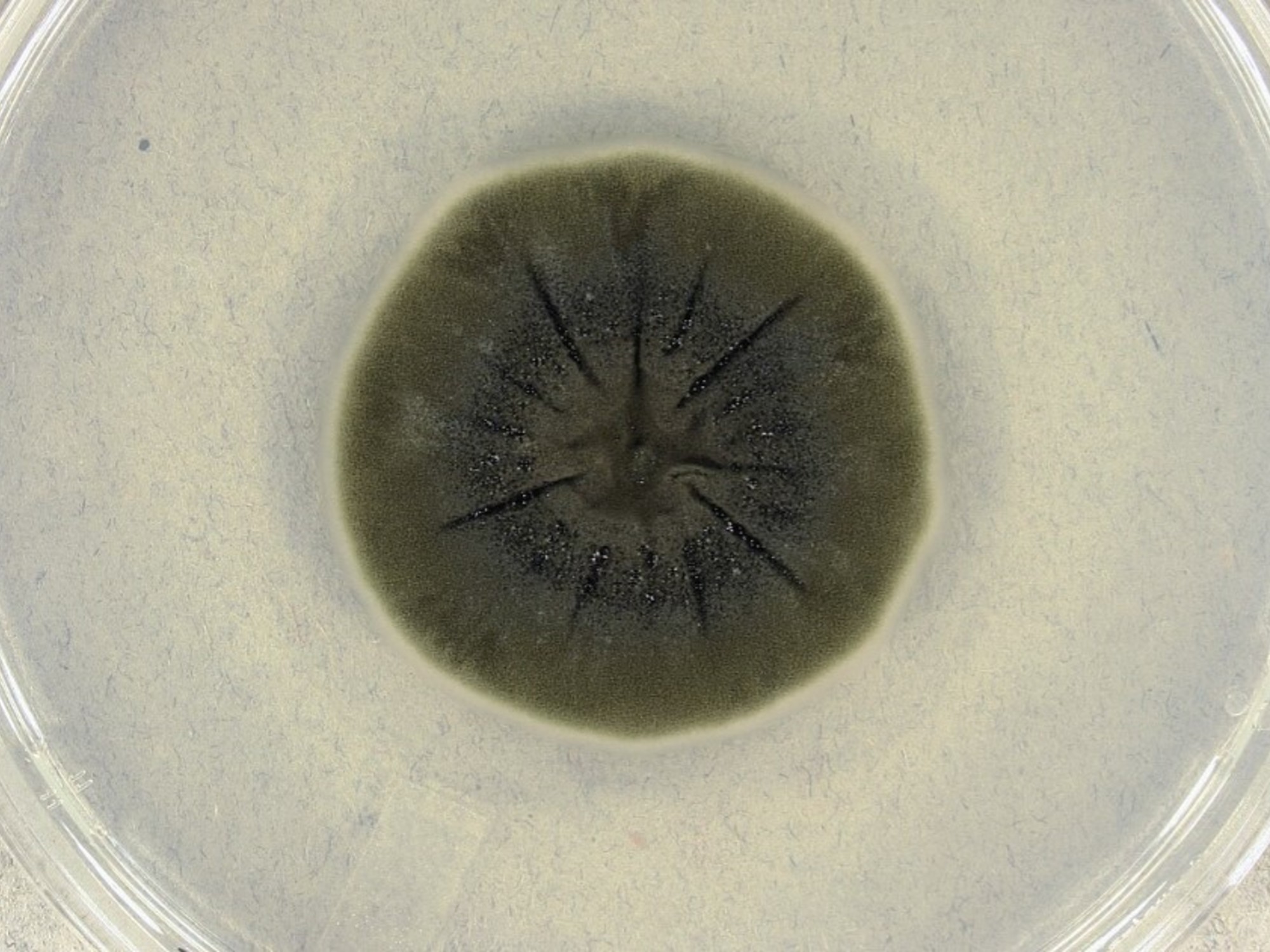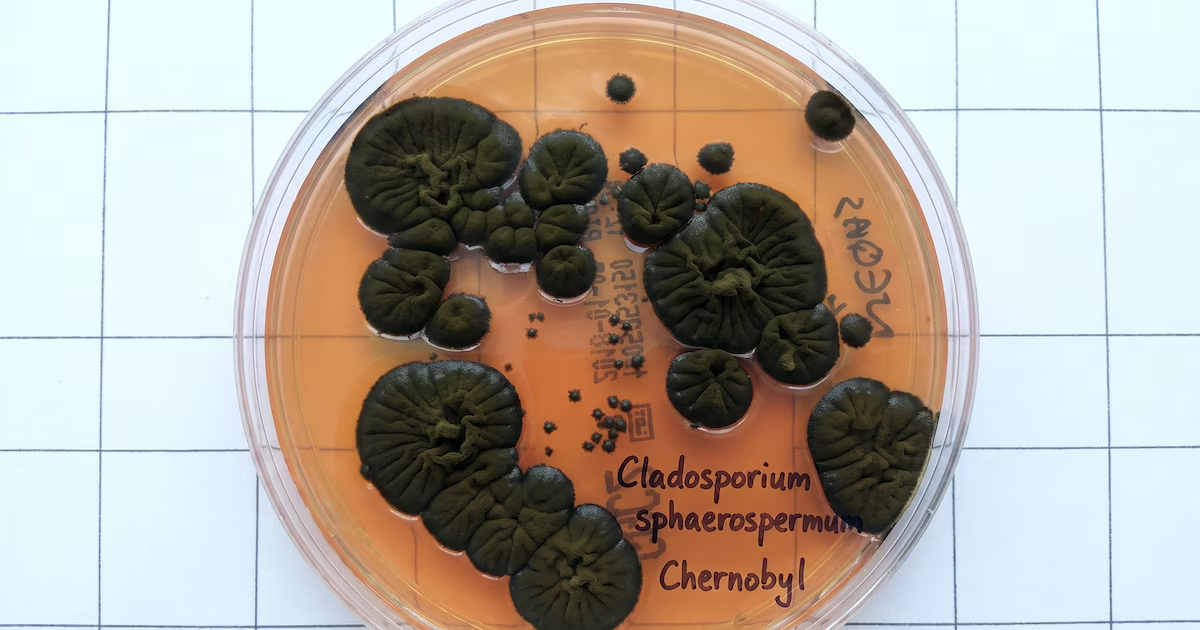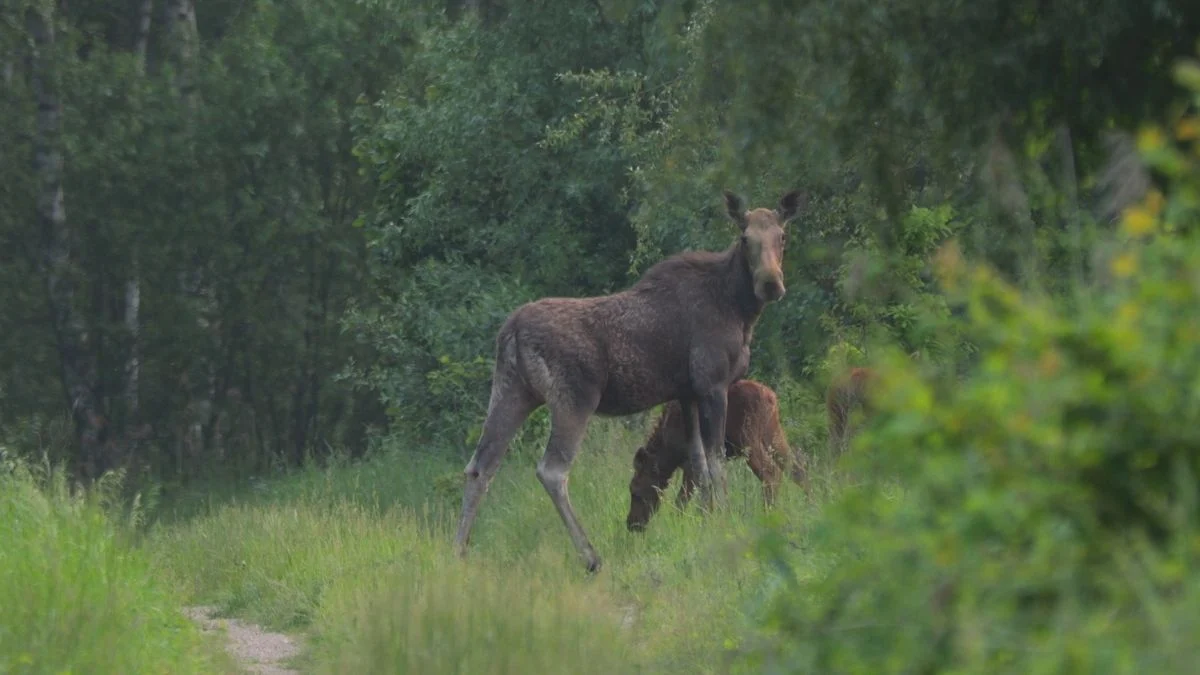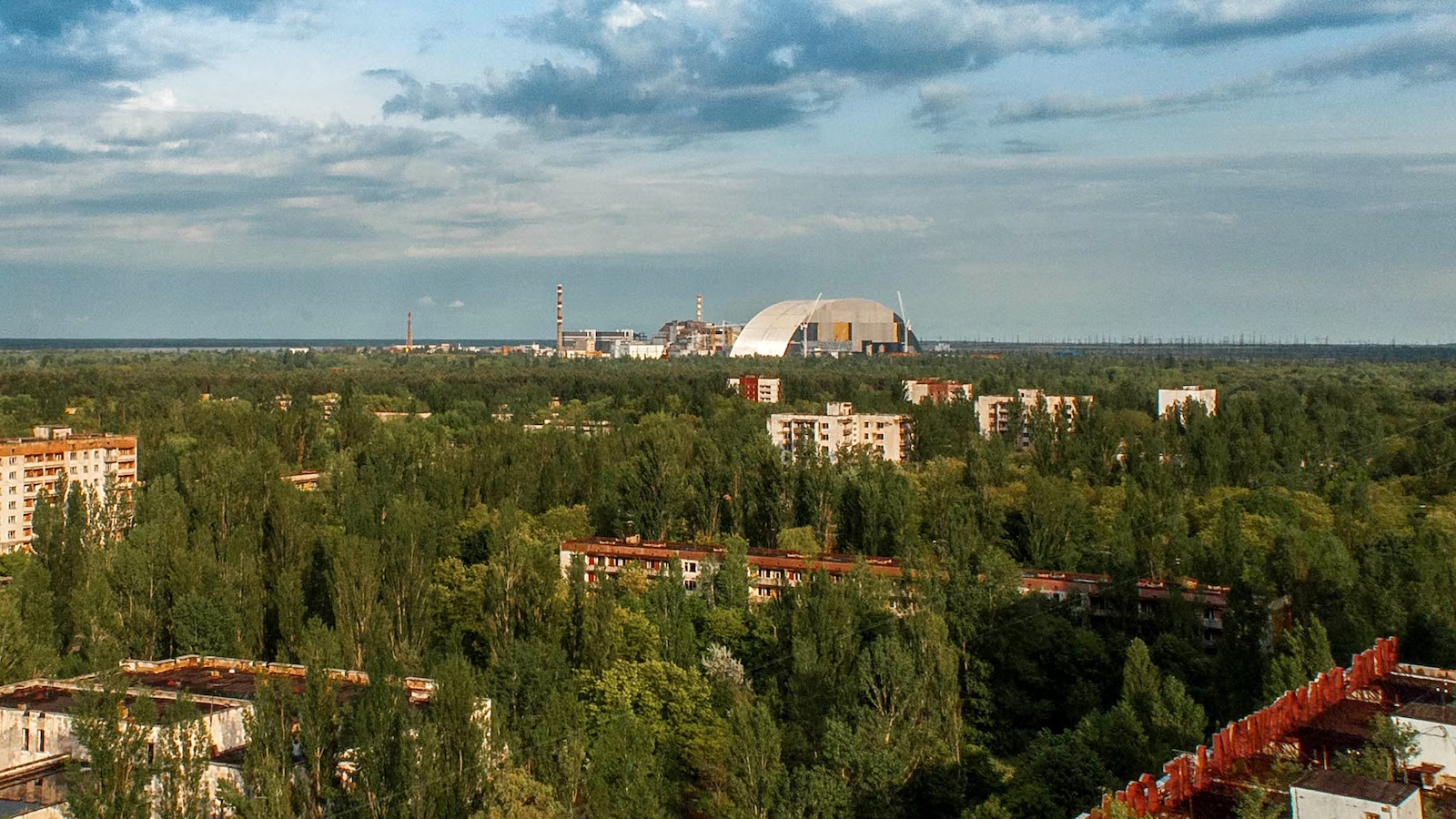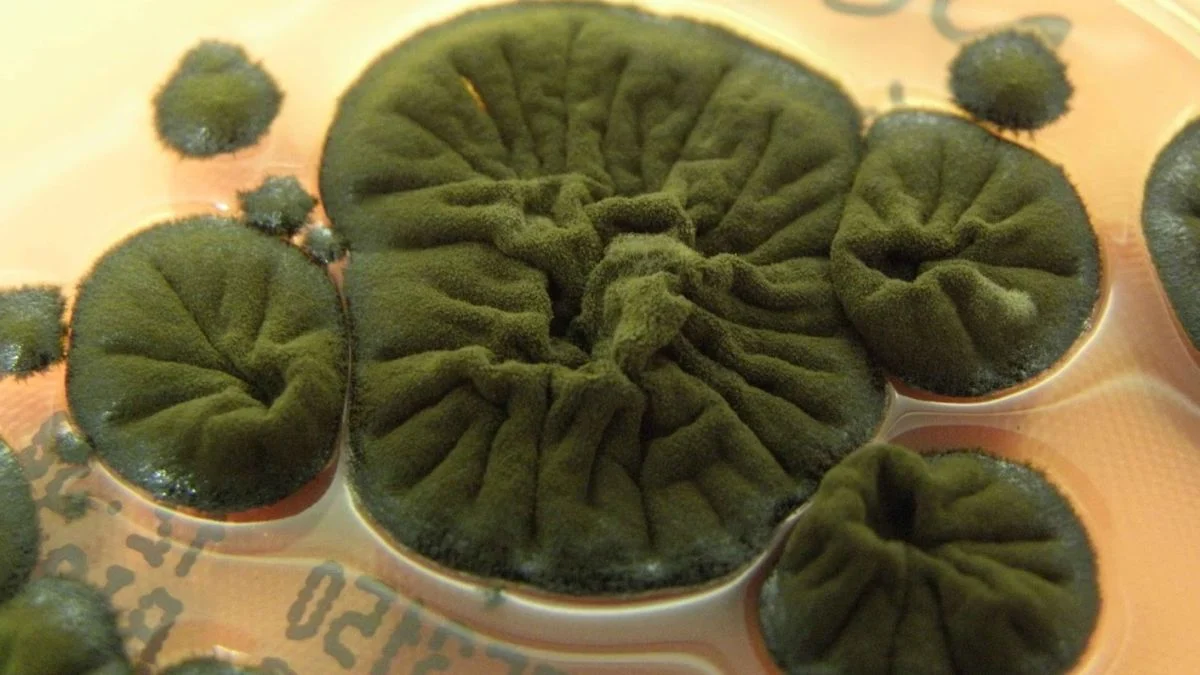
The Chernobyl exclusion zone may be off-limits to humans, but that doesn't mean every form of life finds the conditions inhospitable.Ever since the Unit Four reactor at the Chernobyl Nuclear Power Plant exploded nearly 40 years ago, other kinds of life-forms have moved in and survived, adapted, and appeared to thrive.Part of that may be the lack of humans of course.But for one organism, at least, the ionizing radiation lingering inside the reactor's surrounding structures may actually be an advantage.Clinging to the interior walls of one of the most radioactive buildings on Earth, scientists have found a strange black fungus curiously living its best life.That fungus is called Cladosporium sphaerospermum, and some scientists think its dark pigment – melanin – may allow it to harness ionizing radiation through a process similar to the way plants harness light for photosynthesis. This proposed mechanism is even referred to as radiosynthesis.Watch our video below for a summary of this strange fungus and its unusual gift: But here's the really funky thing about C. sphaerospermum.Although scientists have shown that the fungus flourishes in the presence of ionizing radiation, no one has been able to pin down how or why. Radiosynthesis is a theory, one that's difficult to prove.The mystery began back in the late 1990s, when a team led by microbiologist Nelli Zhdanova of the Ukrainian National Academy of Sciences embarked on a field survey in the Chernobyl Exclusion Zone to find out what life, if any, could be found in the shelter surrounding the ruined reactor.Melanized C. sphaerospermum. (Rui Tomé/Atlas of Mycology, used with permission)There, they were stunned to find a whole community of fungi, documenting an astonishing 37 species. Notably, these organisms tended to be dark-hued to black, rich with the pigment melanin.C. sphaerospermum dominated the samples, while also demonstrating some of the highest levels of radioactive contamination.
This Chernobyl Fungus Seems to Have Evolved an Incredible Ability
The Chernobyl exclusion zone may be off-limits to humans, but that doesn't mean every form of life finds the conditions inhospitable.
949 words~4 min read