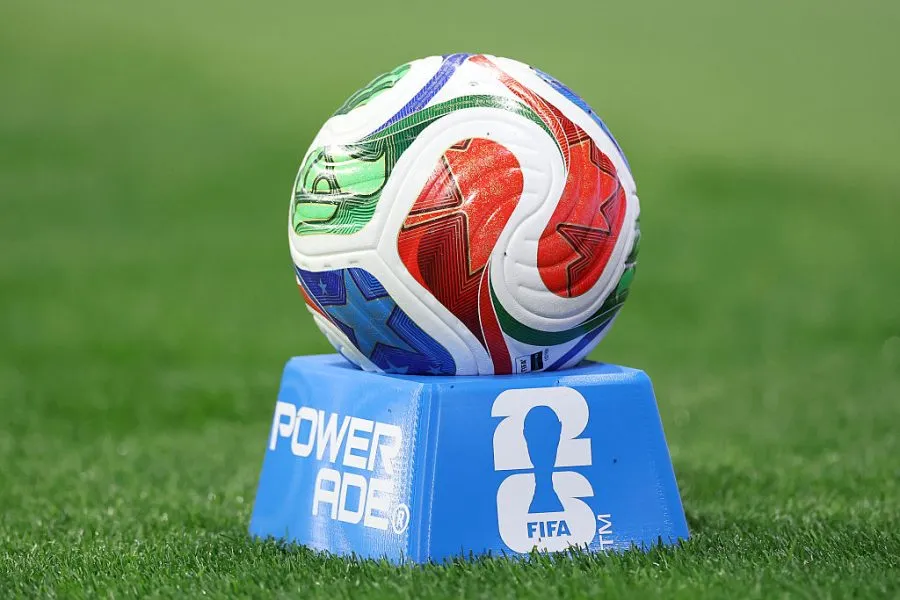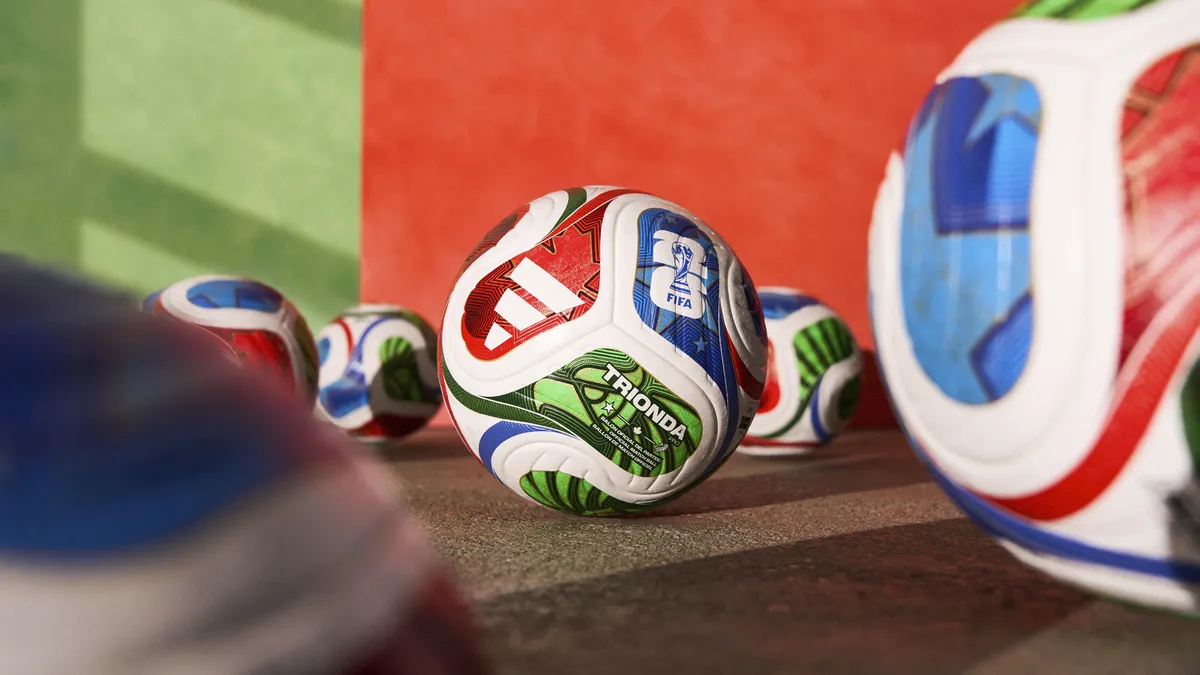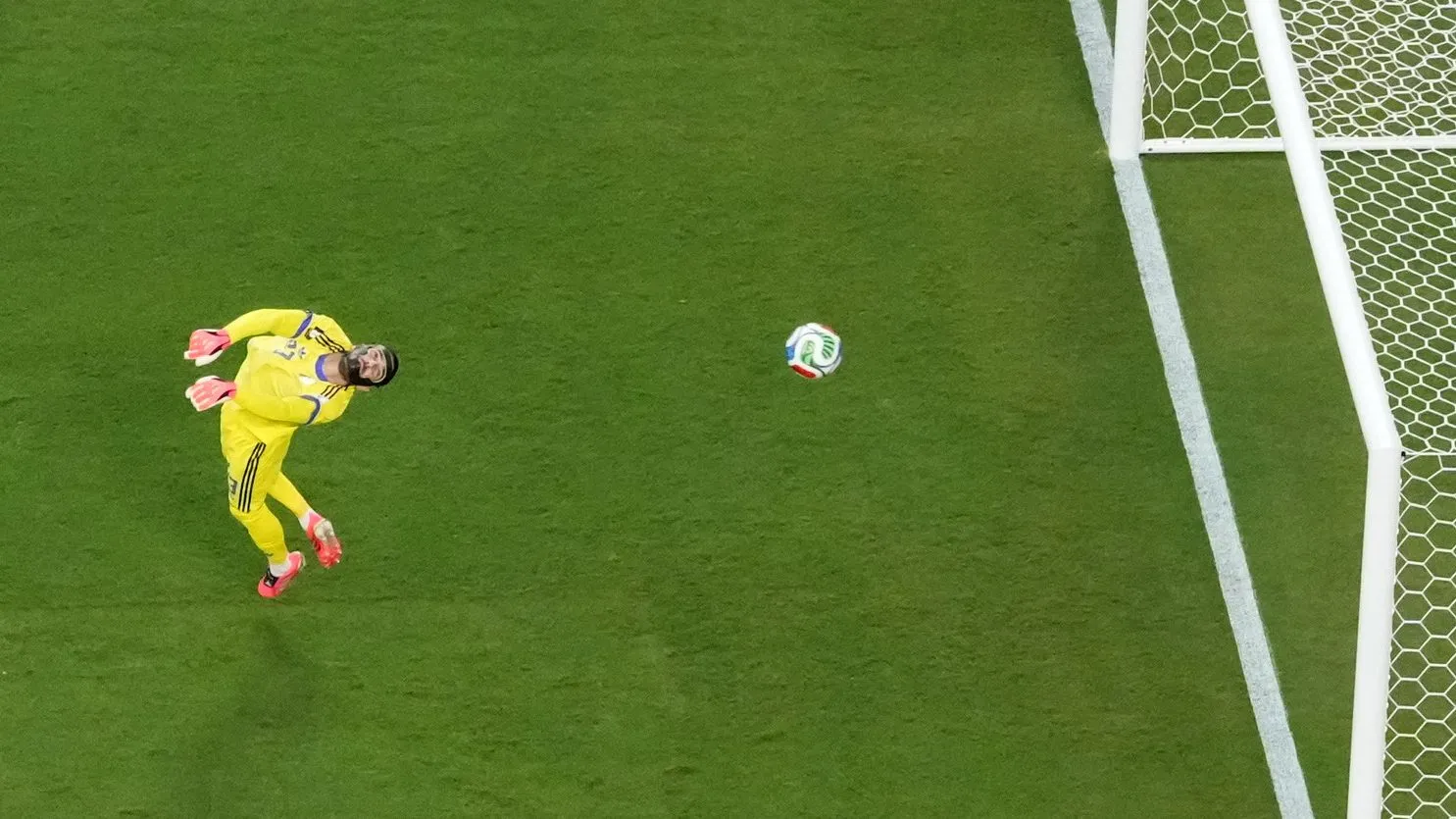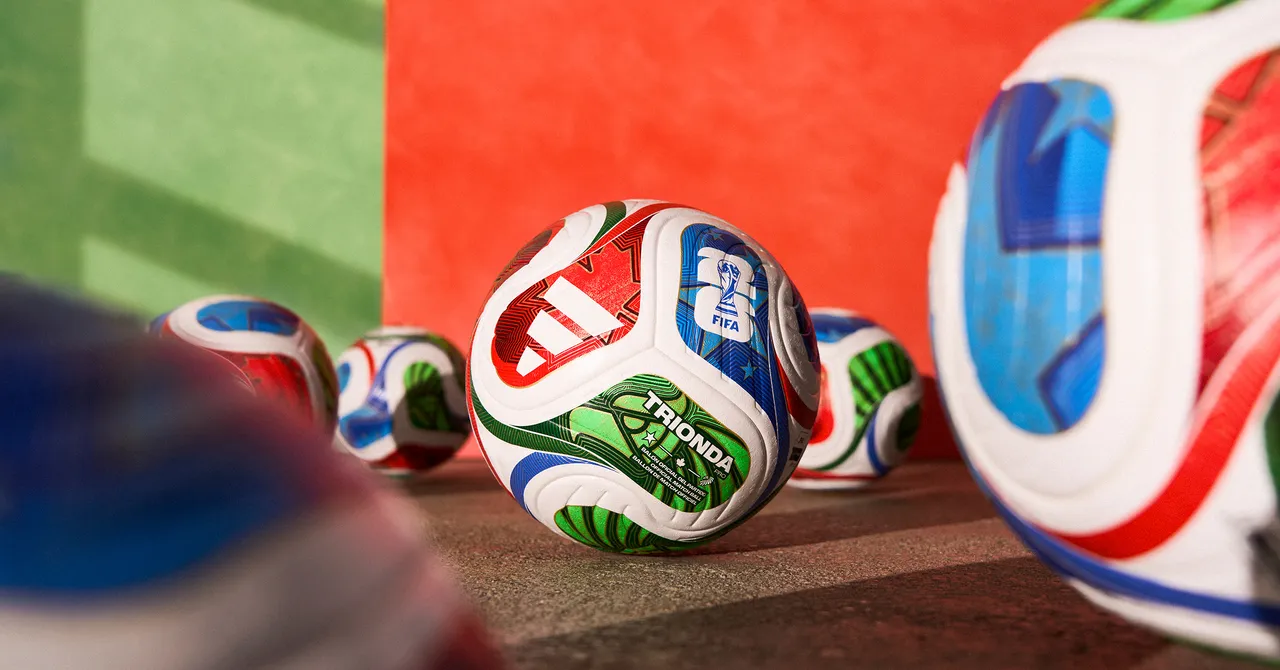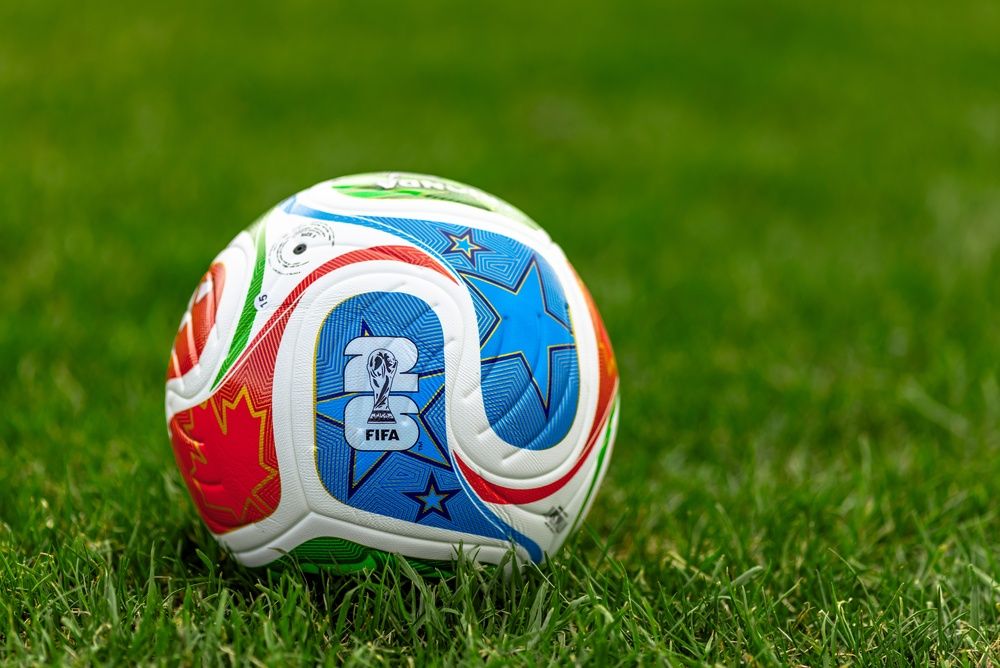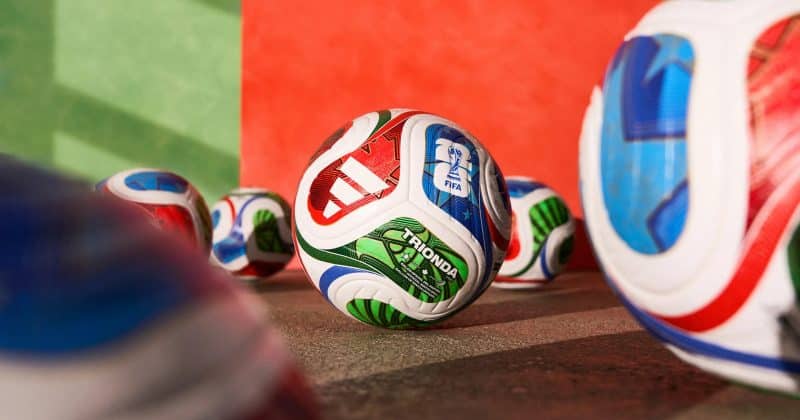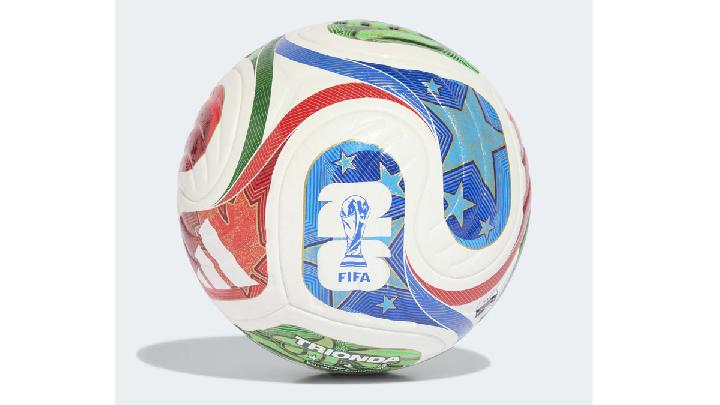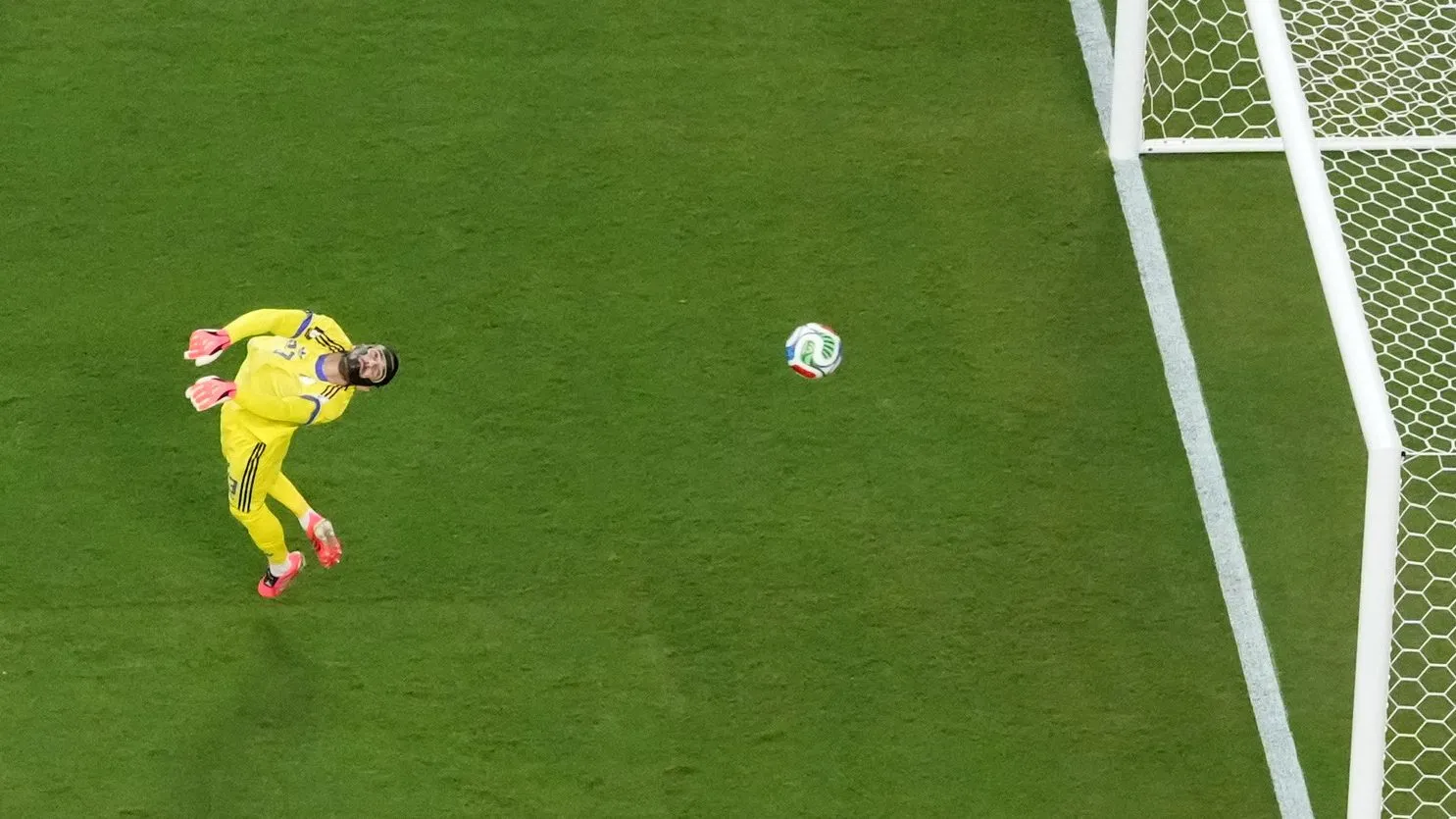
Every World Cup, the new ball Adidas manufactures for FIFA becomes its own storyline. This summer, scoring is up, and some retired goalkeepers have suggested that this year’s ball, named the Trionda, is moving in a way that makes shots harder to stop. The year’s tournament broke the World Cup scoring record in its 59th match with 177 goals—five more goals than were scored in Qatar in five fewer games.
The Trionda is also a “connected ball.” A rechargeable chip embedded in one of its four panels transmits data to assist with offside decisions and track how the ball moves.
Purdue physicist John Goff specializes in sports physics and has studied the aerodynamics of World Cup soccer balls for more than a decade. He spoke to Front Office Sports about the science behind the ball’s flight, how its design compares with previous tournament balls, and how factors like weather can affect its movement.
This conversation has been lightly edited and condensed for clarity and brevity.
Front Office Sports: After the 2010 World Cup, you conducted research into the tournament ball. What did you find, and how did Adidas respond when you shared your findings?