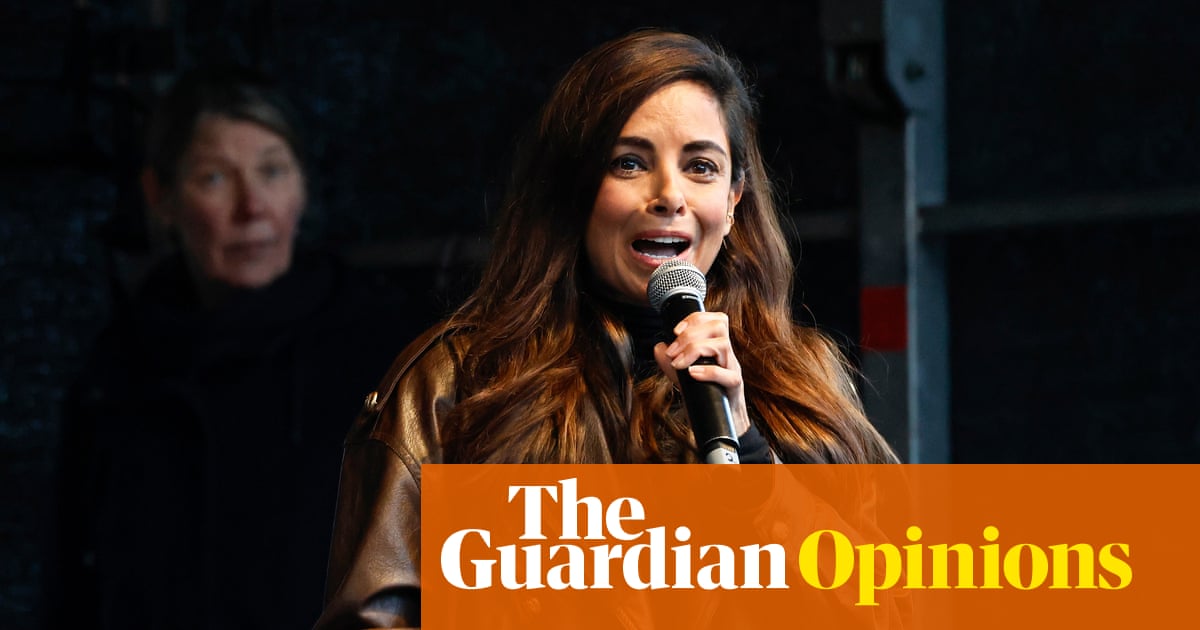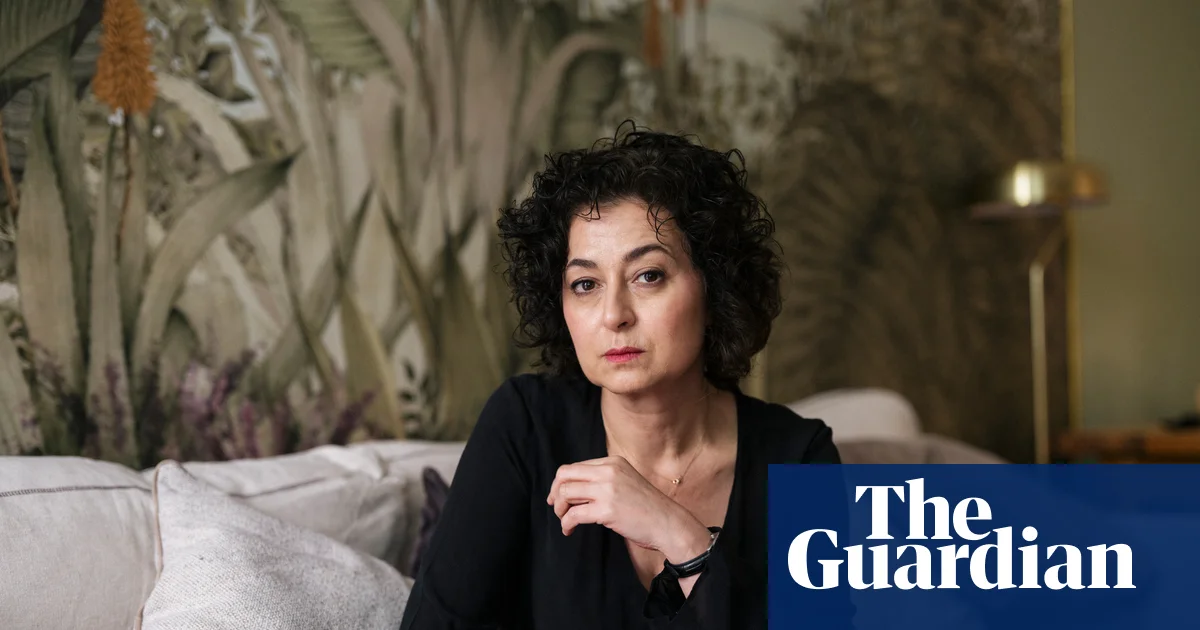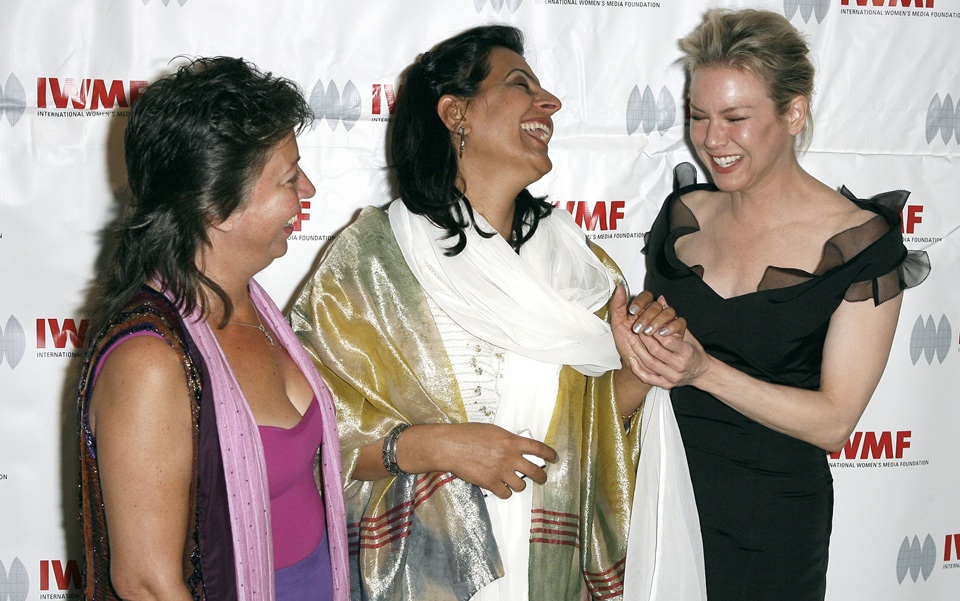
Actress Renee Zellweger (right) shares a moment with honories Turkish-Cypriot journalist Sevgul Uludag (left) and Farida Nekzad of Afghanistan during arrivals at the International Women's Media Foundation's Courage in Journalism Awards, in October 2008, in Beverly Hills, California. [Gus Ruelas/AP]
Where hearts are hard and people divided, each side seeks security in the narrative of its own virtues and the inhumanity of others. There we see the divide between people who are “comfortable” with enmity and hate, and those who seek to heal wounds, to bridge chasms, who use kindness and decency to open a way for hope. The lives of those who resist the charms of the herd are not easy, nor is their success assured. They do what they do because this is what our common human fate demands – that we help each other deal with pain, that we find a way to live together.
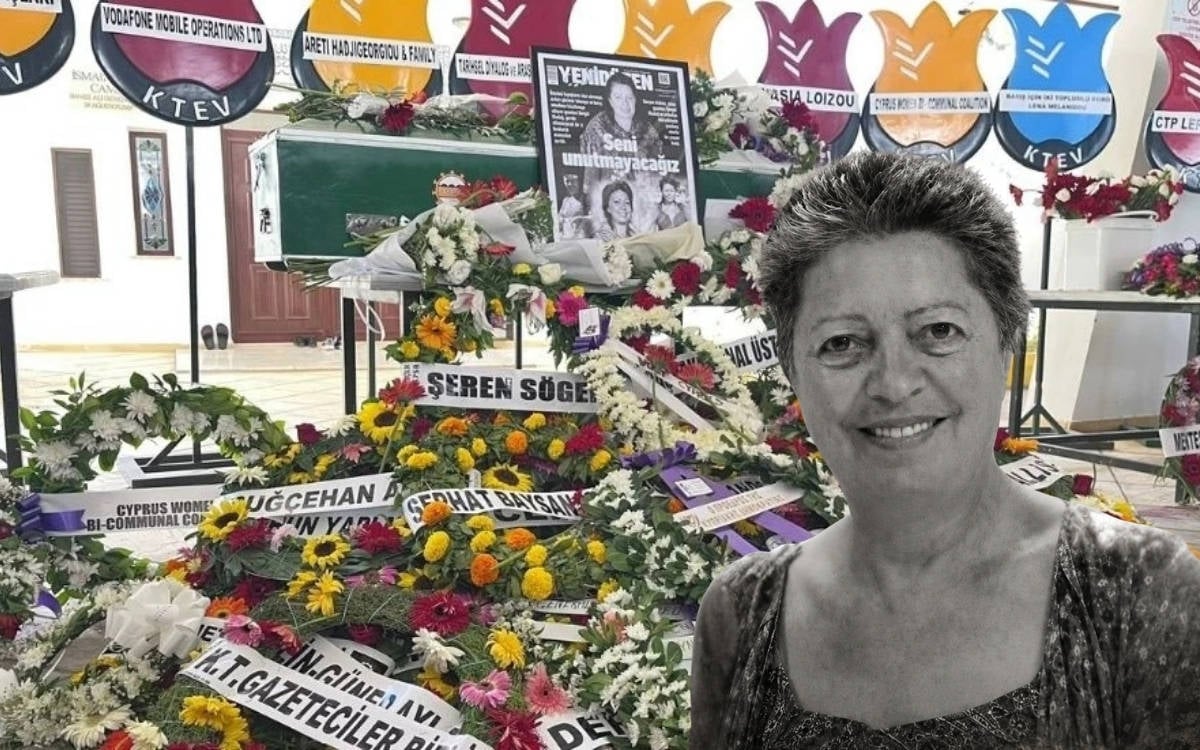
Sevgul Uludag, the Turkish-Cypriot journalist who died a few days ago, aged 68, devoted her life to serving the people of both communities of Cyprus, dead and alive. From 2001 or 2002, before crossing points on the Green Line opened, she dedicated herself to researching the fate of the missing of both sides. Finding their remains became “her life’s work,” as fellow journalist Andreas Paraschos noted Monday. The distinguished Greek-Cypriot journalist worked with her, and both were honored for their investigations. Things were not easy, though. Speaking on Cyprus’ Politis radio, Paraschos described how Sevgul (as she was known) would open a dialogue with readers through her daily column in the Turkish-Cypriot paper Yeniduzen, looking for tips on Greek Cypriots buried in the Turkish-occupied part of the island. This would annoy the occupation force, the local authorities, intelligence agents and extremists “who would not let her be,” as Paraschos said.