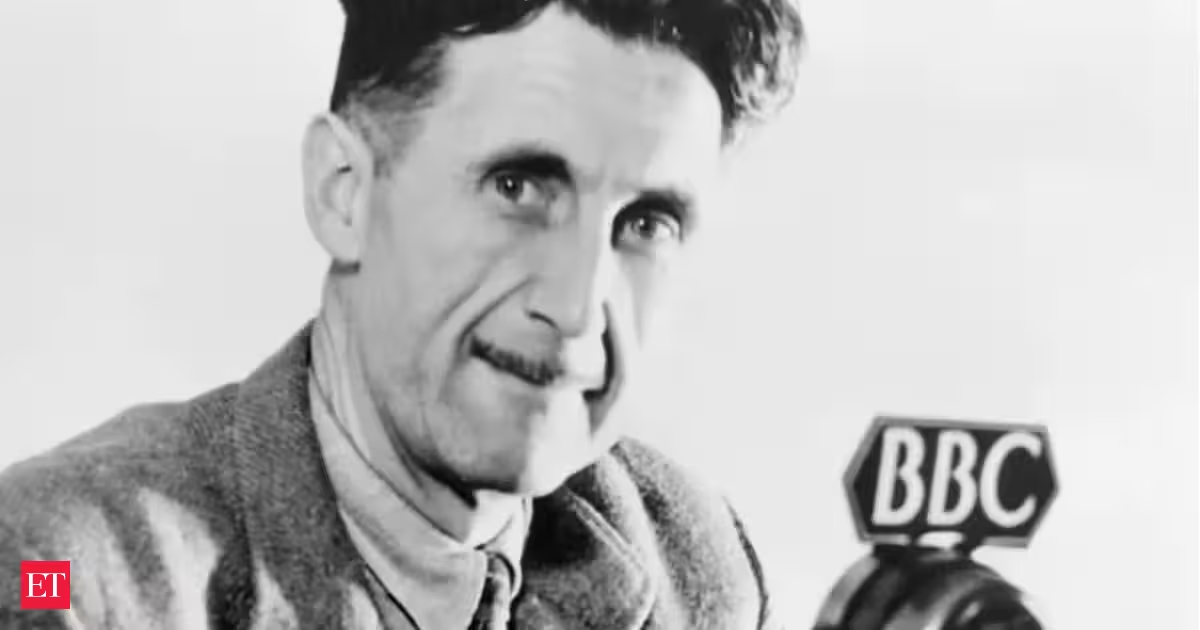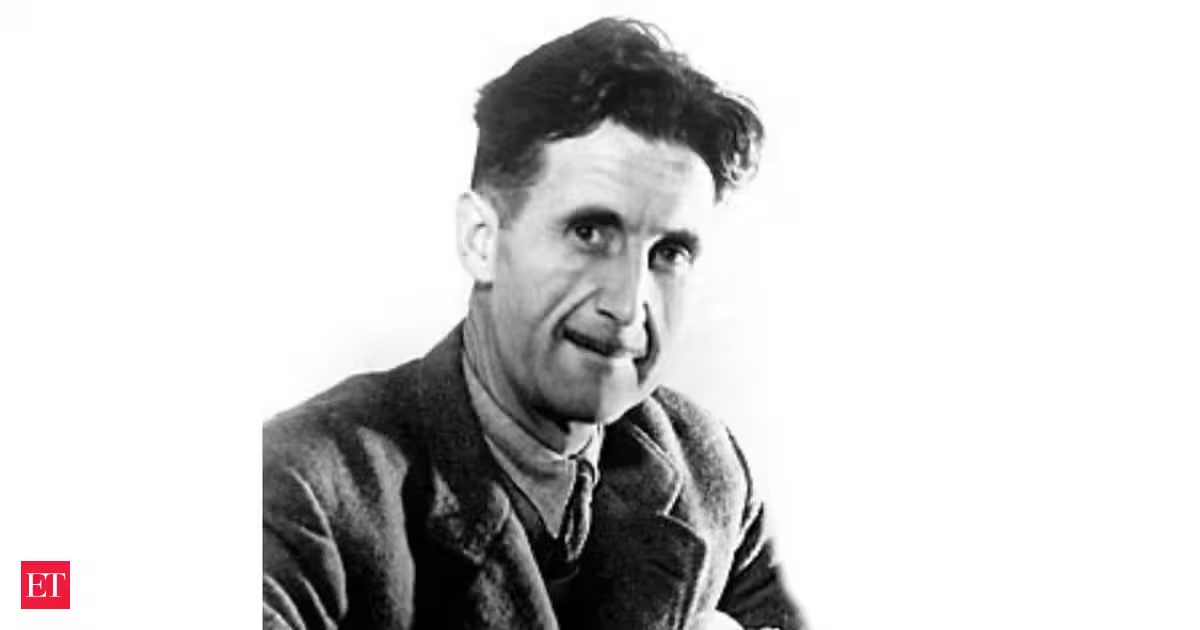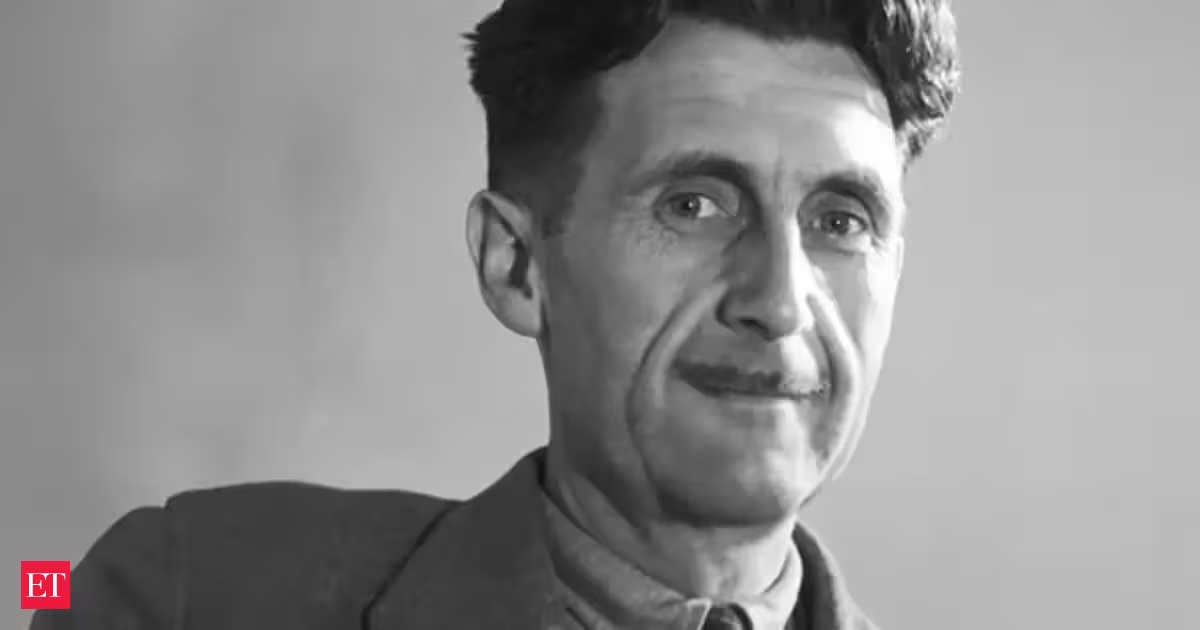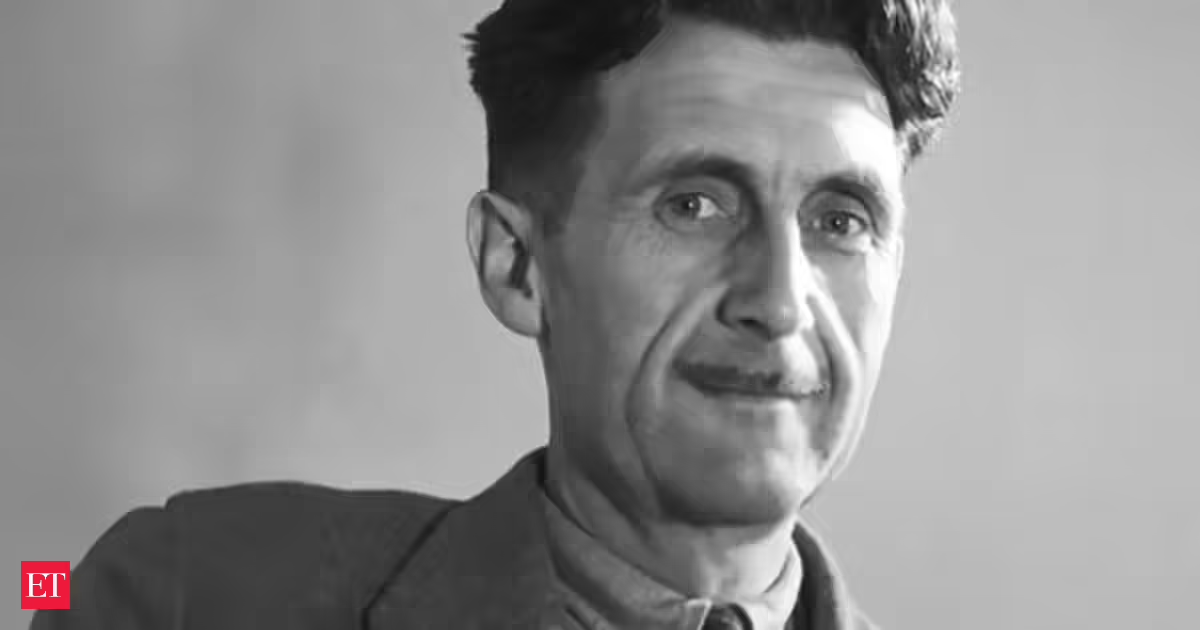
Some quotes remain relevant decades after they were written. George Orwell's famous line is one of them. At first glance, the quote may seem complex. But its message is surprisingly simple: those who influence how history is remembered often shape how people think about the future.In an age of social media, instant news and competing narratives, Orwell's words continue to spark discussion around truth, memory and power.Quote of the Day“Who controls the past controls the future. Who controls the present controls the past.”What does the quote mean?The quote suggests that control over information can influence society's understanding of both the past and the future. When individuals, governments or institutions decide which events are remembered, highlighted or forgotten, they can shape public perception.The first part — "Who controls the past controls the future" — means that the stories people believe about history often influence future decisions, values and beliefs.The second part — "Who controls the present controls the past" — suggests that those in positions of power today may have the ability to shape how past events are interpreted and remembered.Where does the quote come from?The quote comes from George Orwell's renowned novel Nineteen Eighty-Four, commonly known as 1984. Published in 1949, the novel explores themes such as surveillance, censorship, propaganda and the manipulation of truth.In the story, a powerful regime constantly rewrites historical records to maintain control over society. By altering the past, it seeks to influence how people think in the present and what they believe is possible in the future.Although the novel was written more than 75 years ago, many readers continue to find parallels between its themes and modern debates about information, media and historical narratives.Why the quote still resonates todayThe digital age has transformed the way people access information. News spreads instantly, social media platforms amplify different perspectives, and vast amounts of historical content are available online. At the same time, misinformation, selective storytelling and debates over historical interpretation have become increasingly common.This is one reason Orwell's quote continues to be widely shared. It encourages people to think critically about where information comes from, how narratives are formed and why understanding history matters.The quote serves as a reminder that history is not just about the past. It can influence policies, identities, public opinion and future generations.A lesson for WednesdayMidweek is often a good time to pause and reflect.George Orwell's quote encourages readers to look beyond headlines and consider the larger story behind events and information.It reminds us that understanding history is not simply about remembering dates and facts. It is about learning how the past shapes the choices we make today and the future we create tomorrow.History influences the future, but understanding history requires curiosity, critical thinking and a willingness to seek the truth. Orwell's words challenge us to question narratives, learn from the past and think carefully about the information we consume every day.FAQsWho said, "Who controls the past controls the future. Who controls the present controls the past"?The quote was written by George Orwell in his novel 1984.What is the meaning of Orwell's quote?The quote suggests that those who influence how history is remembered can shape public opinion, beliefs and future decisions.Why is this quote still relevant today?The quote remains relevant because debates about information, media, historical narratives and misinformation continue to play an important role in modern society.Which book contains this quote?The quote appears in Orwell's famous dystopian novel Nineteen Eighty-Four.
Wednesday quote of the day: George Orwell’s thought-provoking lesson on truth, memory and power may change the way you see the world
George Orwell's quote of the day: George Orwell's chilling words from "1984" resonate powerfully today: "Who controls the past controls the future. Who controls the present controls the past." This adage highlights how shaping historical memory dictates future thought and action. In our digital age, where narratives clash and information is fluid, understanding who curates our history is crucial for navigating truth and power.
568 words~3 min read