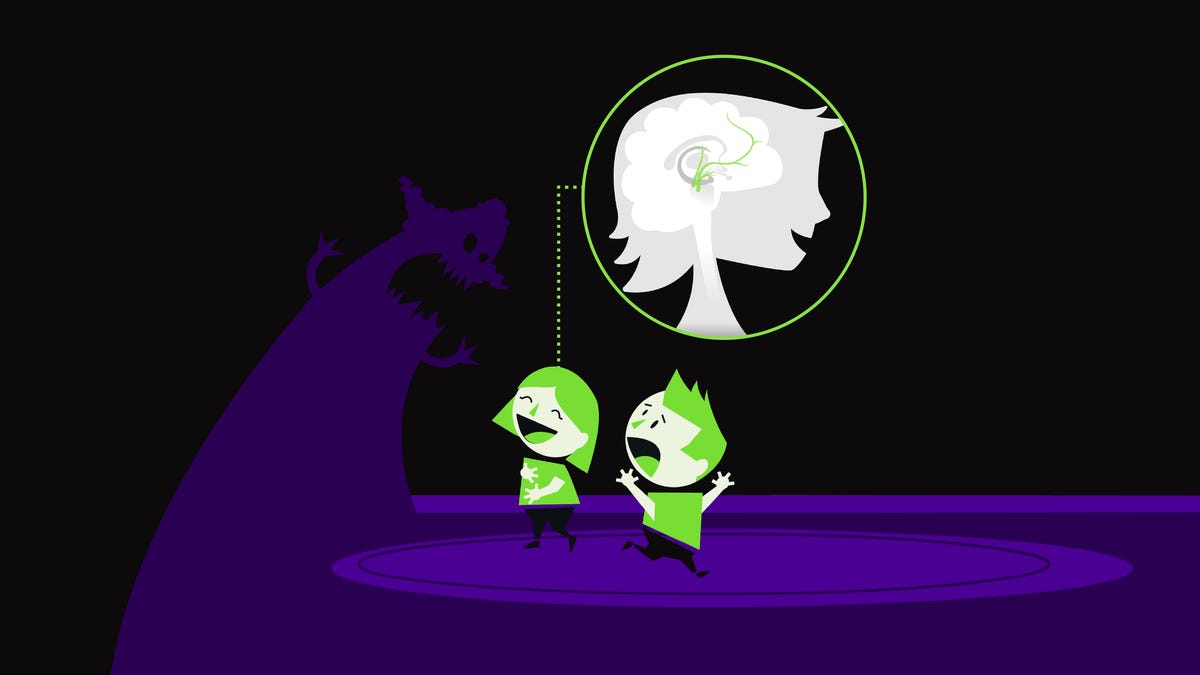
SynopsisAmidst the anxieties of modern life, the allure of horror movies provides an intriguing diversion, presenting thrilling experiences that echo our everyday fears without real peril. For viewers navigating this film genre, some find a therapeutic release, while others grapple with intense feelings of dread, often referred to as 'cinematic neurosis.Why do horror movies attract so many people? Could it be that they serve as spa treatments in our over-anxious age? With terrible crime, shocking bigotry and 'normalised' terror lurking from every corner, millions still pay good money to be terrified by soundtracked on-screen evil.Why? Because fear, when packaged in Dolby surround and served with right snacks, provides dread in the lap of safety.You scream, but you know the seatbelt is holding. Horror offers what reality cannot - risk-averse believability. Monsters, we know, may inhabit our world, but they inhabit it from behind the screen without posing the inconvenience of actual zombies. And few things bond strangers faster than getting jumpscared together. It's cheaper than therapy and certainly cooler than yoga.Yet, for many, horror is less catharsis than vandalism of the psyche. Shrinks now speak of 'cinematic neurosis', the lingering dread that refuses to fade with the credits. This afflicts not just children who worry about monsters under the bed, but also adults who can be overwrought with the thought that their home is possessed.So, some leave horror refreshed, as if fear were exfoliating. Others emerge with psychic rashes. Perhaps that's the genre's true genius: it reminds us that beauty and terror are twins, much like shrieks of joy can be indistinguishable from those of terror. ...moreElevate your knowledge and leadership skills at a cost cheaper than your daily tea.Subscribe Now
Why we love horror movies even when they terrify us - The Economic Times
Amidst the anxieties of modern life, the allure of horror movies provides an intriguing diversion, presenting thrilling experiences that echo our everyday fears without real peril. For viewers navigating this film genre, some find a therapeutic release, while others grapple with intense feelings of dread, often referred to as 'cinematic neurosis.
281 words~1 min read