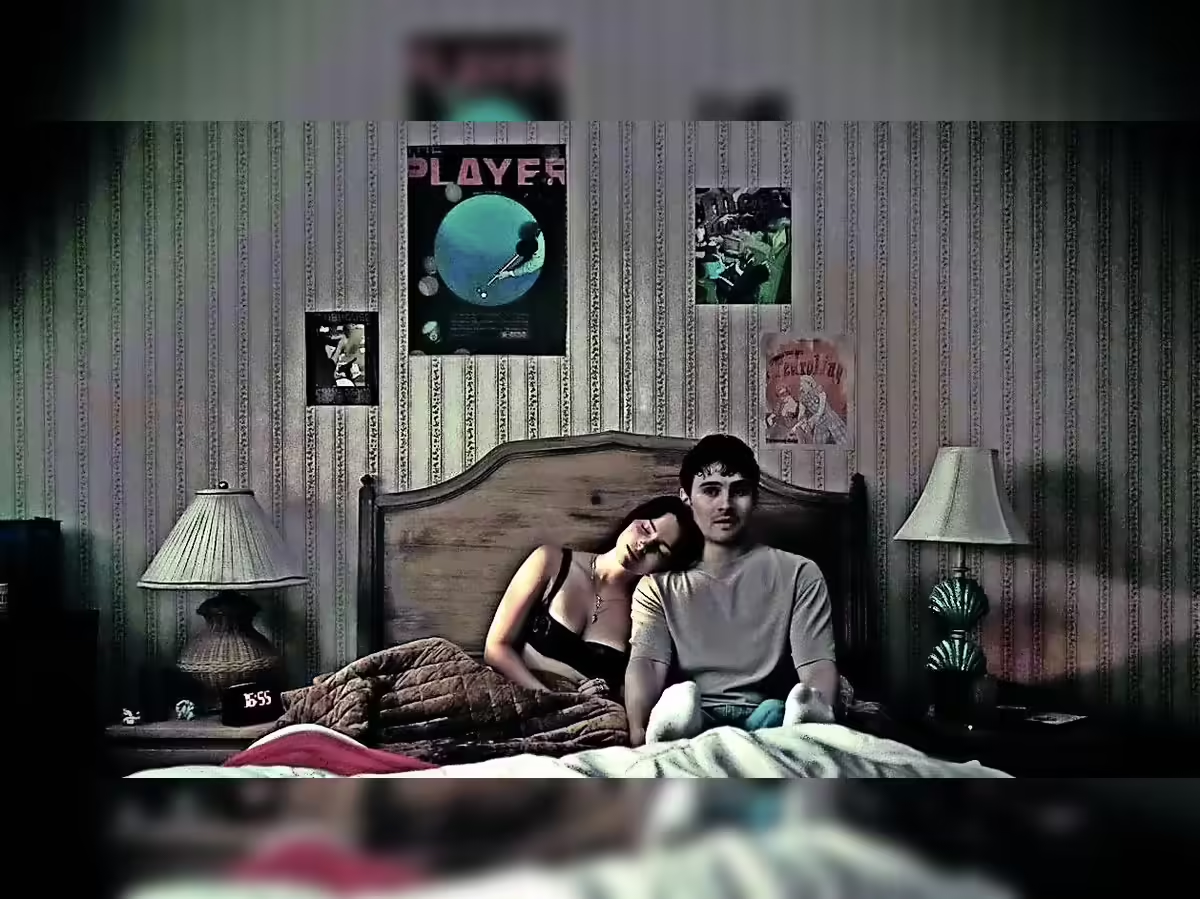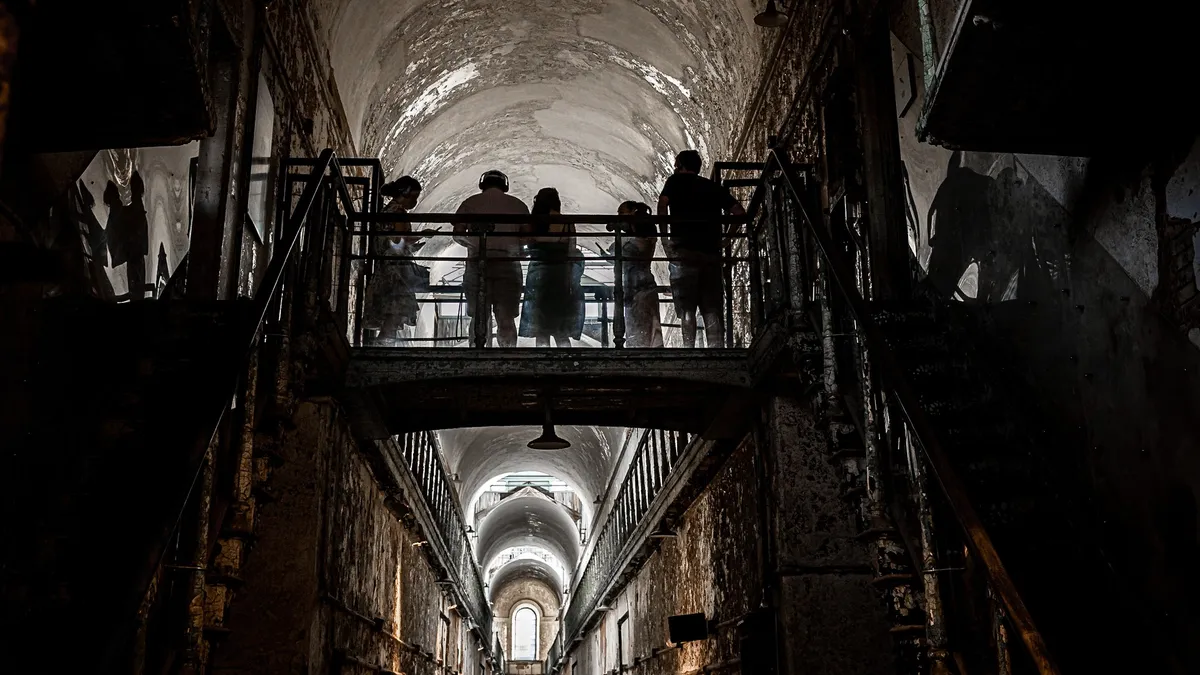
A creepy clown and a chainsaw-wielding maniac lurking in the dark corners of a haunted house can truly frighten some people. For thrill seekers, however, the fear is an essential part of the fun during Halloween. Whether you’re watching a spine-chilling horror movie or navigating through a haunted maze, the adrenaline rush − a hormone that stimulates excitement, alertness, and responsiveness − is hard to match.
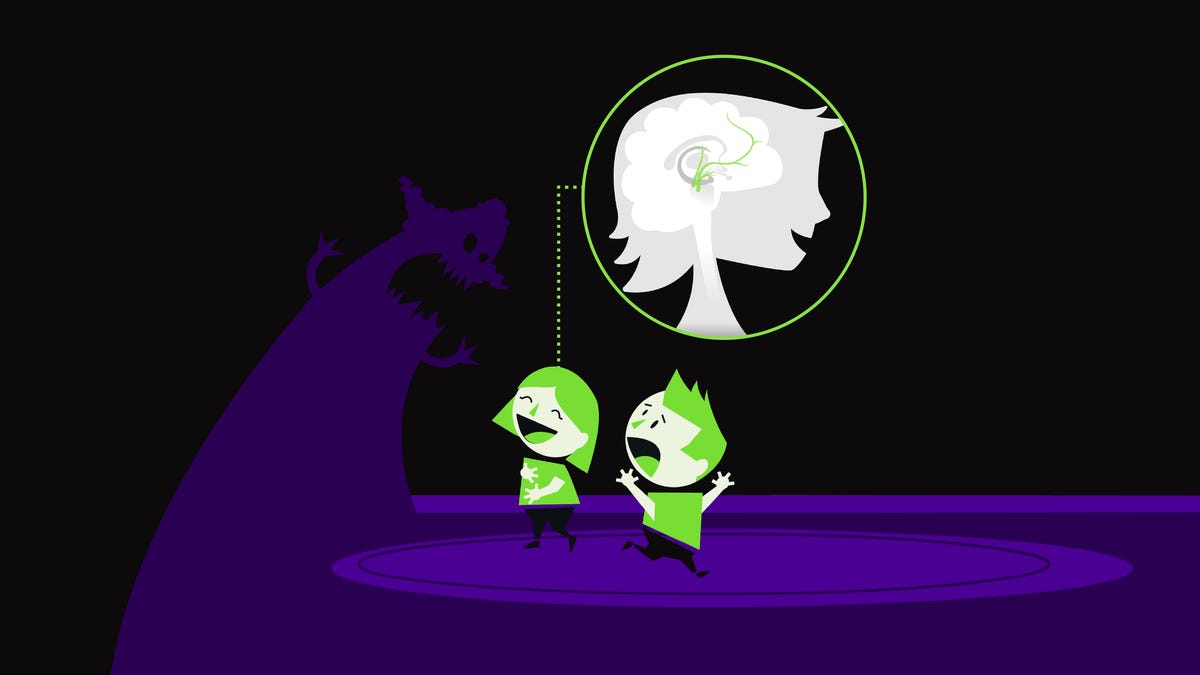
Fear originates from one of the oldest parts of the brain, the limbic system, which goes into overdrive when people are faced with scary situations. A threat stimulus triggers the amygdala. It rings an alarm to the hypothalamus, which sends a message to the adrenal glands, giving you an instant burst of adrenaline.
Pupils dilate, breathing accelerates, heart rate and blood pressure rise. It all happens within fractions of a second − even before you’ve fully processed what happened. Your body is preparing for fight or flight.
When the amygdala takes the reins, other parts of your brain receive less blood flow and become impaired − it’s difficult to make good decisions or think clearly. That’s why you might scream during a scary movie or throw your hands up at an actor in a haunted house, unable to see that the threat is not real. A moment later, “thinking” circuitry of the brain kicks in and reassures our “emotional” areas that we are, in fact, OK. At the same time, it takes 20 to 60 minutes for the body to fully return to its pre-arousal levels.