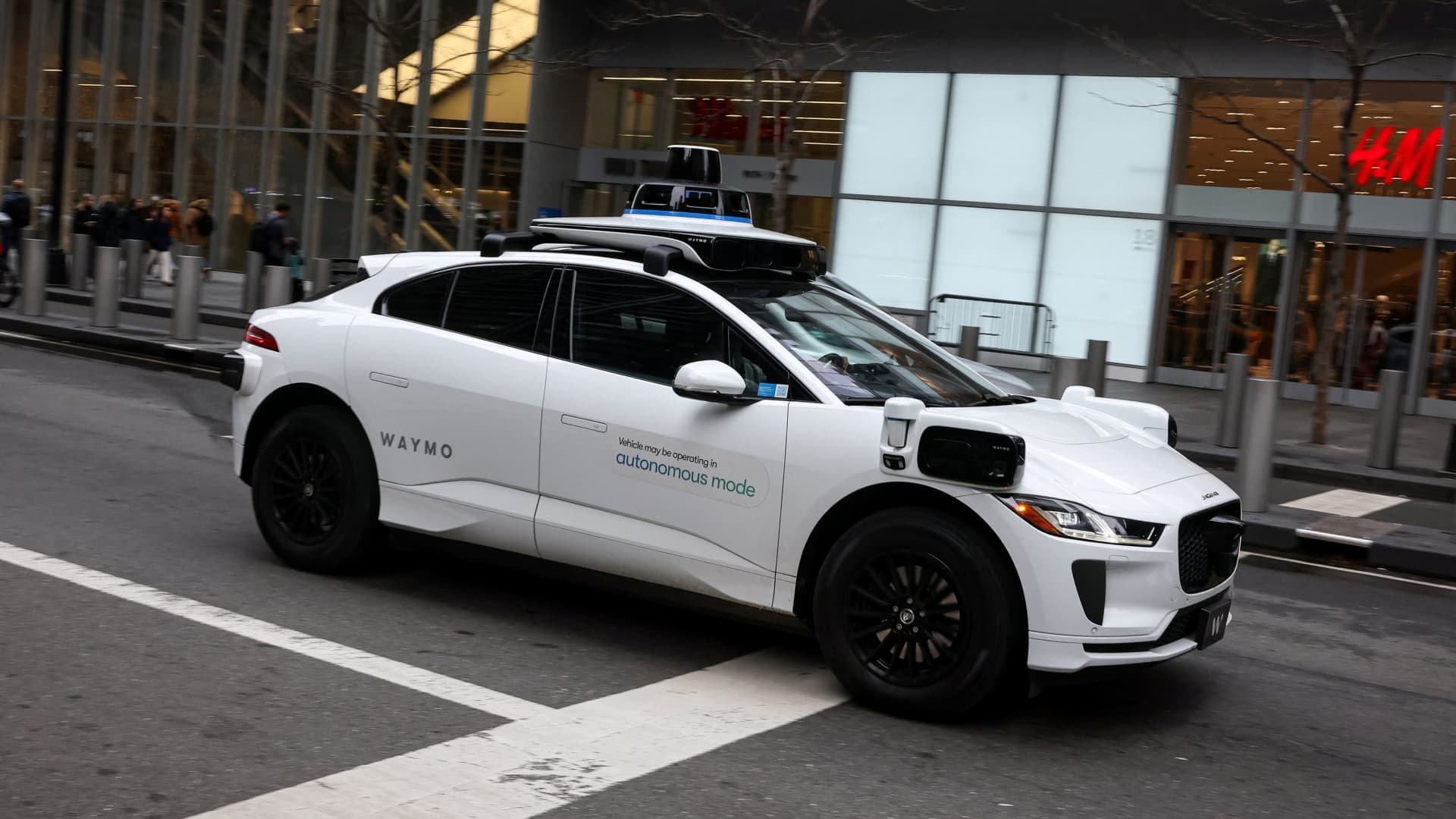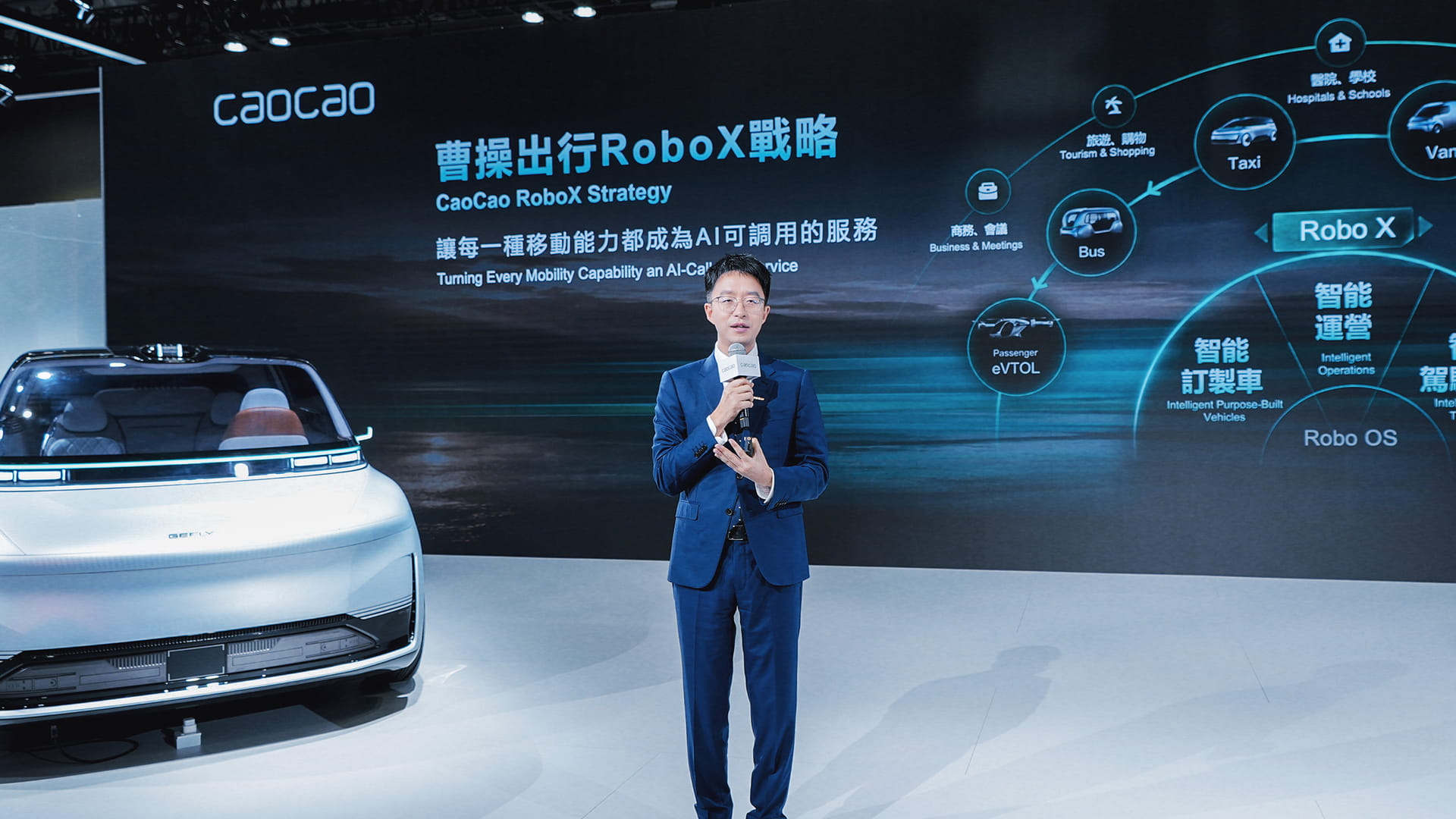
The autonomous driving sector is moving from early technical validation toward commercial rollout at scale. For CaoCao Mobility, that shift is taking shape through RoboX, a new strategy built around driverless vehicles, artificial intelligence-based operations, and a broader range of mobility services.
Unlike upgrades that focus mainly on driving assistance technology or new vehicle models, RoboX is designed as a systemwide upgrade across products, technology, and operations, according to CaoCao. The company plans to expand from robotaxis into robovans, robobuses, and robotrucks. Its autonomous driving technology will continue to advance toward Level 4 capabilities, meaning vehicles that can operate without human intervention under defined conditions. Its operating system will also introduce an AI-driven “brain” intended to connect demand forecasting, supply matching, and service fulfillment.
The significance extends beyond CaoCao’s own business. If the company can execute, RoboX could become a test case for the commercial use of AI in the physical world, where revenue is generated through transportation and logistics services rather than digital tools alone.
Three years after the global wave of large language models began, the industry is looking for more examples of real-world implementation. 36Kr spoke with CaoCao CEO Gong Xin about how the company sees the next phase of physical AI.