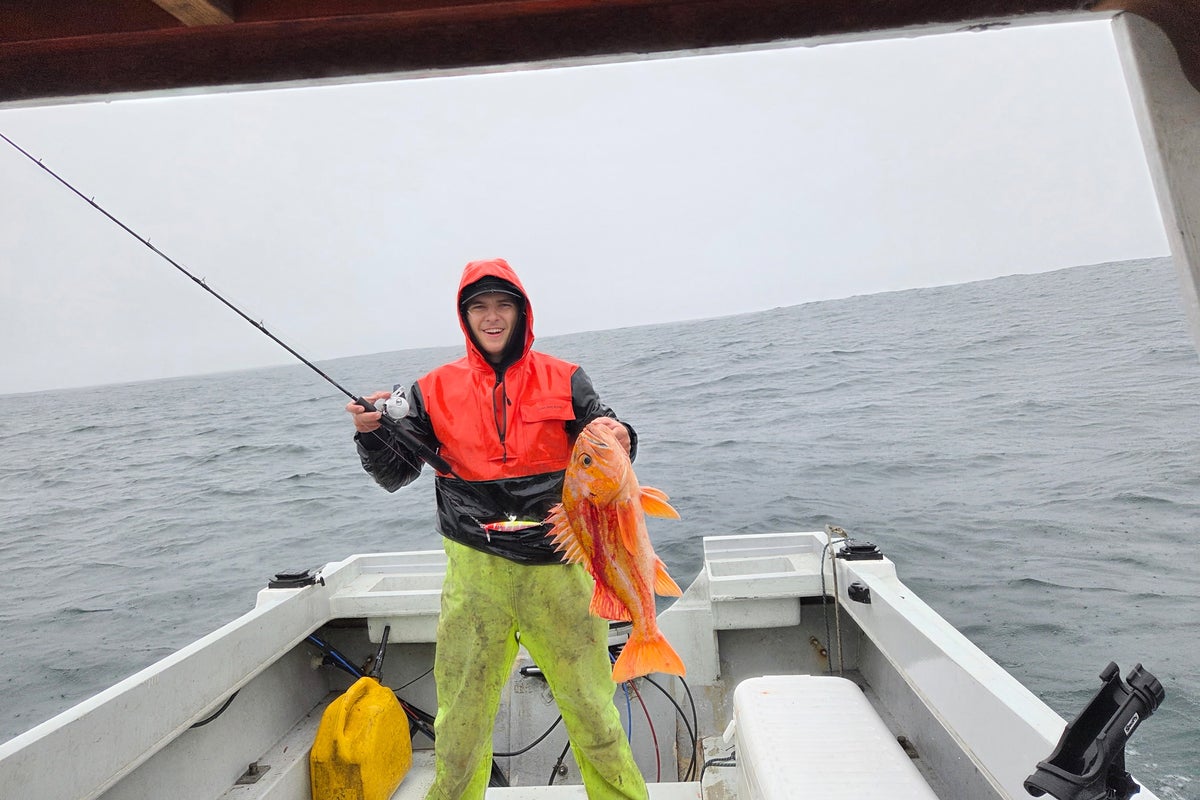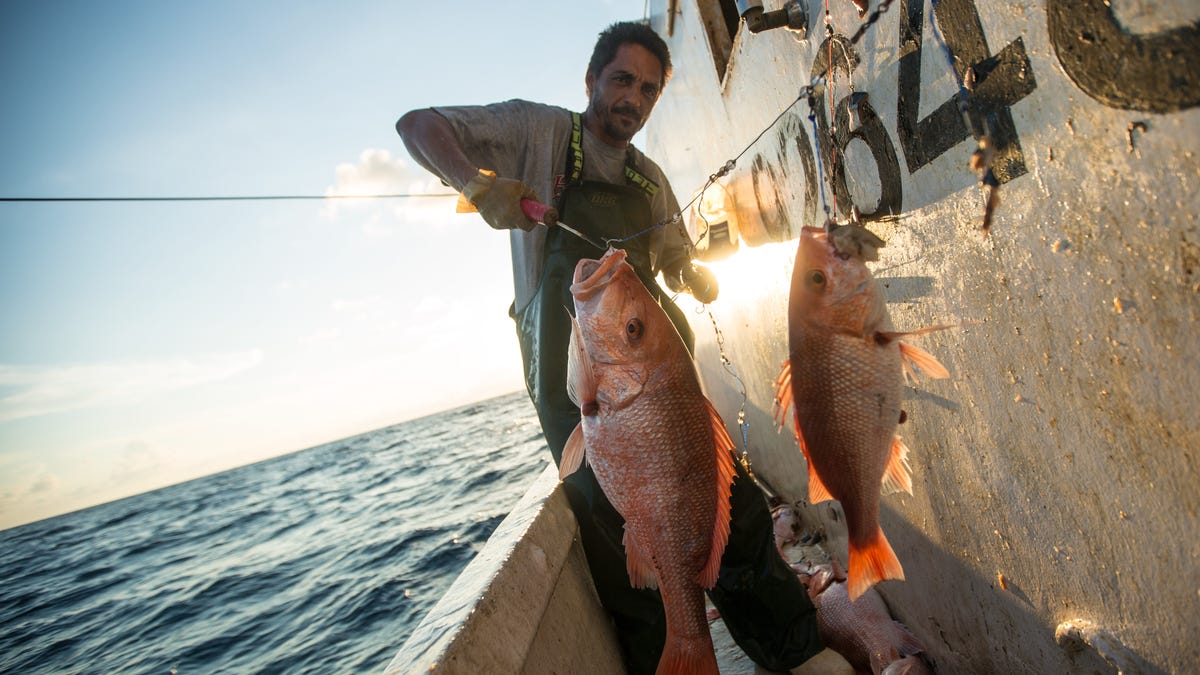
In choppy surf off of La Jolla, fisherman Shane Volberding fought to land a yellowtail, a silver and gold fish prized in the sushi seafood trade.Gulls wheeled above the water as the fish dove and darted against him, dragging the line. One crank at a time, Volberding reeled it in, jabbed it with a gaffe and then hoisted it on deck. As he grappled with the thrashing fish, his deckhand Destiny Louise Silva hauled in another yellowtail and dunked it in a bucket, tail up.The swift, back-to-back catch was the highlight of an unusually productive day on the water that yielded seven yellowtail and other fish, not counting the ones snatched by thieving sea lions.“That’s a really good day for yellowtails,” Volberding said. “They’re usually very hard to catch.”That lucky happenstance belies the unpredictability of California’s commercial fishing sector, where the speculative nature of the catch collides with complex regulations, economic hurdles and a graying fleet.Volberding, 27, is one of the younger captains in a fleet in which the average age is 48 and many captains are looking toward retirement. And he’s one of relatively few who didn’t enter the trade through family connections.
To address those shortfalls and protect the supply of locally caught seafood, UC San Diego Scripps Institution of Oceanography launched a fishing apprenticeship, designed to train new commercial fishermen on fishing techniques, rules and safety protocols.