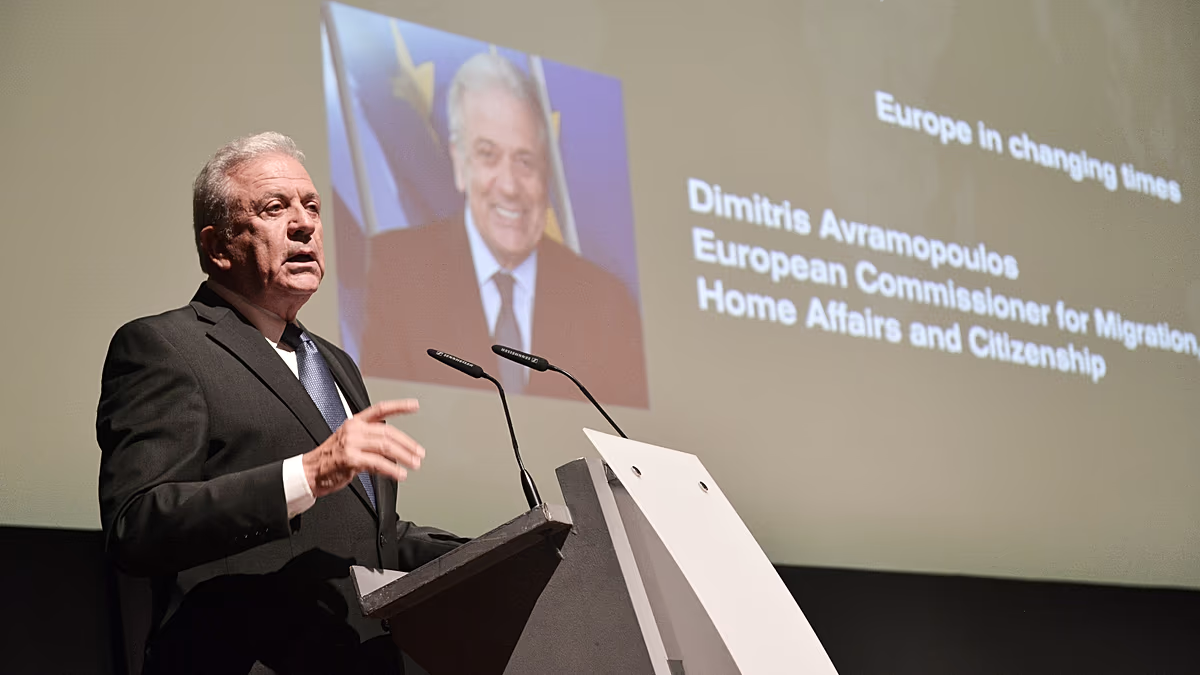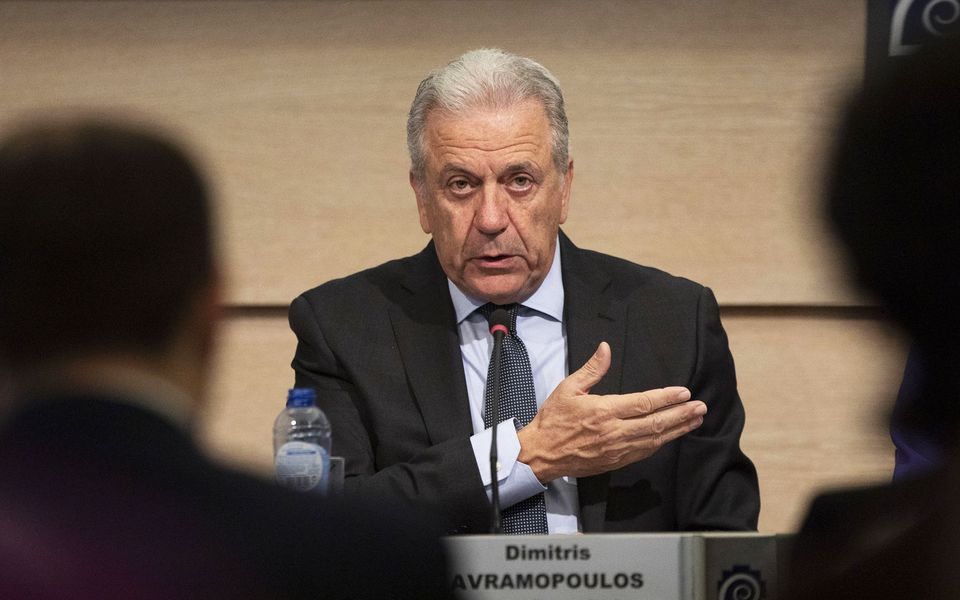
The words “scandal,” “corruption” and, above all, the high-profile Qatargate case usually immediately evoke reactions in the institutions of the European Union and pique the interest of European correspondents in Brussels. But the news last week that a European arrest warrant had been issued for former commissioner Dimitris Avramopoulos did not stir up any excitement in the Belgian capital.
The relative indifference is not due to the heatwave that has hit Brussels, but rather to a certain fatigue caused by an investigation that has now lasted three and a half years, without leading to a trial, despite the fact that it concerns the largest corruption case that has ever affected European institutions, involving influential MEPs and a former vice president of the European Parliament, Eva Kaili.
“The media here is not really covering the case, because, for many, the story has stalled,” says an experienced European correspondent who wanted to remain anonymous. “There is a feeling that the case has been lost in the legal proceedings and that there are no tangible results.”
When Kathimerini asked what has happened in the past 3.5 years and why the case is now coming back to the fore with a new arrest warrant, the answers varied. Lawyers following the case speak of mistakes made by the investigating authorities from the start, but also argued that “the investigations since December 2022 have led nowhere.”