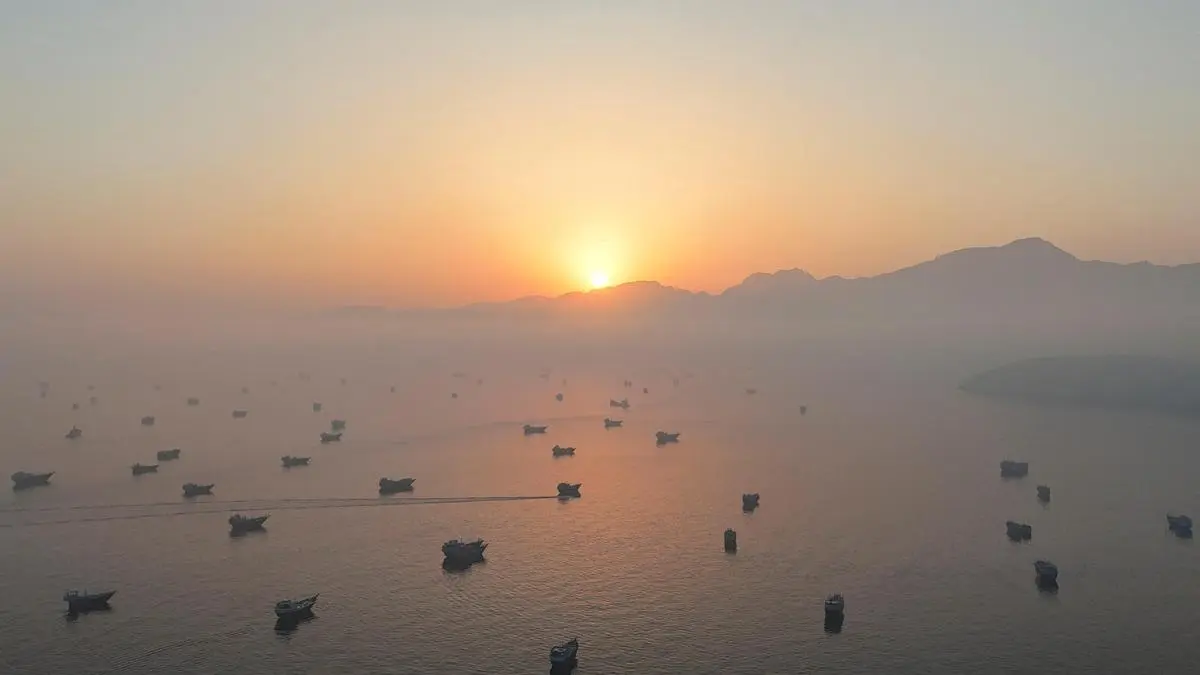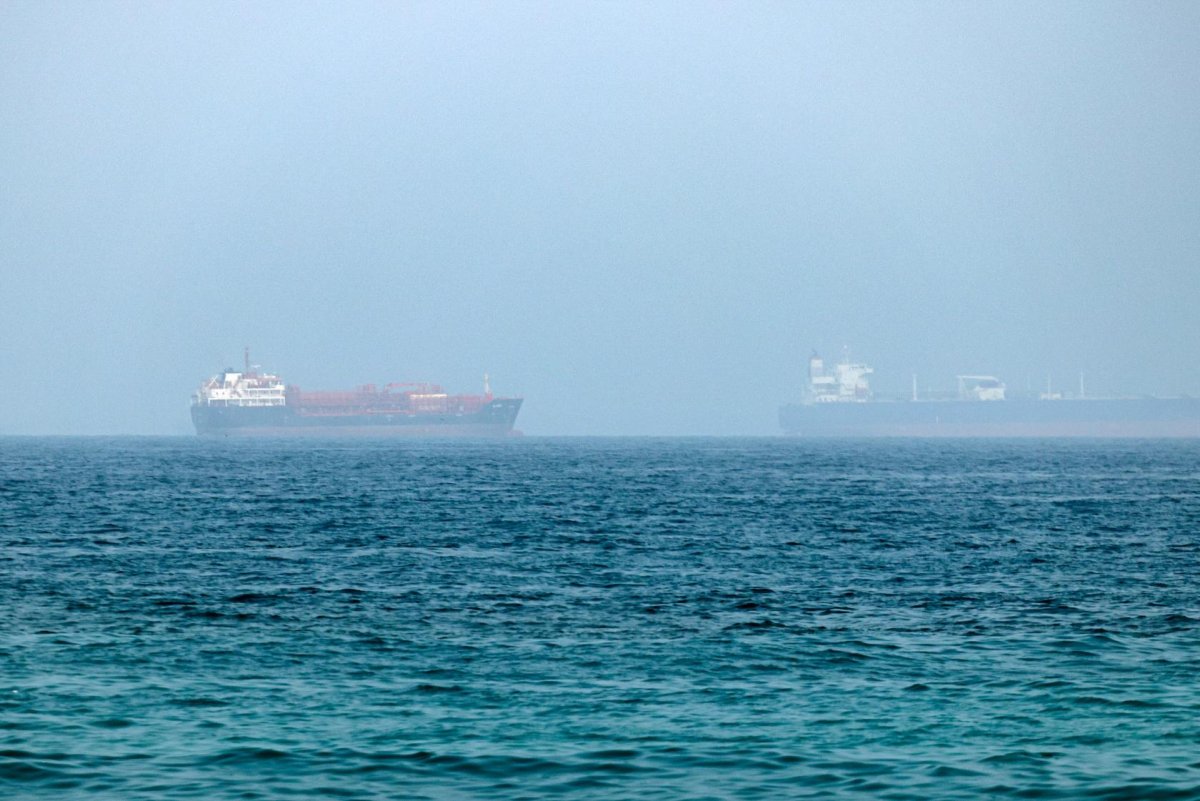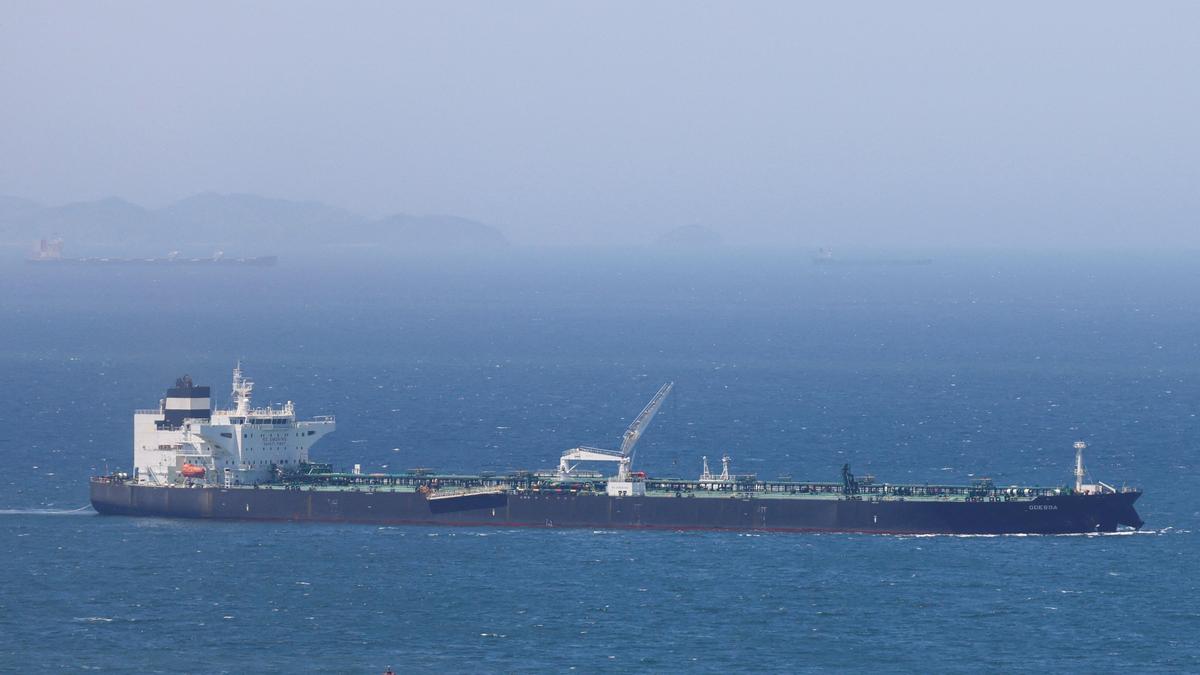
Image used for representational purposes only.
| Photo Credit: Reuters
With Iran and Oman setting up a Joint Hormuz Committee to come up with a framework for the management of the Strait of Hormuz, tracker agencies have reported a surge in transits across the strait, including west-bound ships entering the strait for loading cargo.Early last week, Iran and Oman’s Ministers met and agreed to set up a joint committee. But Iran, saying its role in managing the strait was not being recognised, launched a drone attack on a ship transiting through the Omani route.On Thursday (June 25), the Foreign Ministers of Iran and Oman spoke on the phone and agreed to move forward on talks. On Monday (June 29), Kazem Gharibabadi, Deputy Foreign Minister of Iran, met with Abdulaziz Al Hinai, Oman’s Minister of State for Foreign Affairs, to mark the first meeting of the Joint Hormuz Committee in Muscat, Oman. Mr. Gharibabadi posted on X that he discussed with his Omani counterpart the future management of the strait and the sovereignty of coastal states.Despite a surge in attacks by both sides last week, ship transits over the week of June 22-28 increased 70% over the previous week, as per Lloyd’s List data. More than 240 ship transits happened last week, compared to some 130 the previous week. Almost all the increase came across the non-Iranian route, presumably along Oman, and these had no links to Iran. Four Indian ships that had applied for permission from both the nations for transiting continue to be anchored inside the gulf, as per marinetraffic.comShips not related to Iran accounted for almost the entire increase in traffic, indicating that both the northern Iranian and the southern Omani routes are now popular among shippers seeking to evacuate. Significantly, Lloyd’s List records 85 ships moving into the Persian Gulf last week.The MoU calls for 60 days of toll-free traffic, following which a mutually agreed framework will need to be put in place. While Iran has indicated a preference for tolls, Oman, last week, signed on to a Gulf Cooperation Council statement that called for no tolls. In 1968, the two sides proposed an inbound and outbound channel with a buffer in between, in the middle of the strait, for ship transit; this became the norm and was accepted by the International Maritime Organisation, but there was no mention of sovereignty, tolls, or governance then. Iran has said it has mined these channels during the current war. Published - June 30, 2026 10:30 pm IST