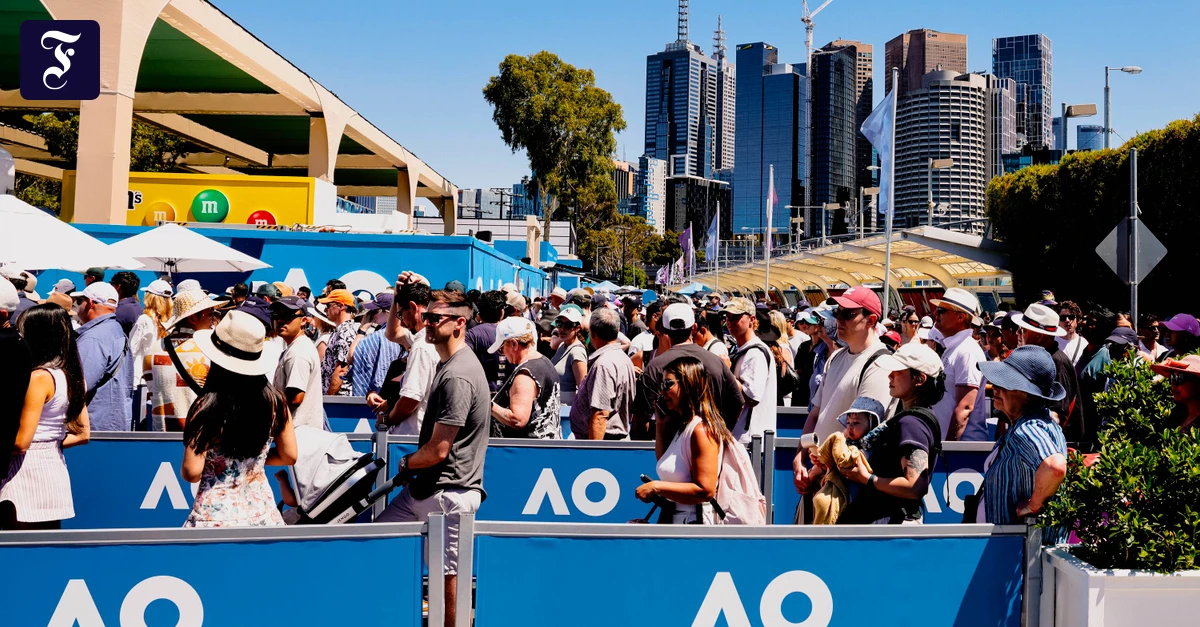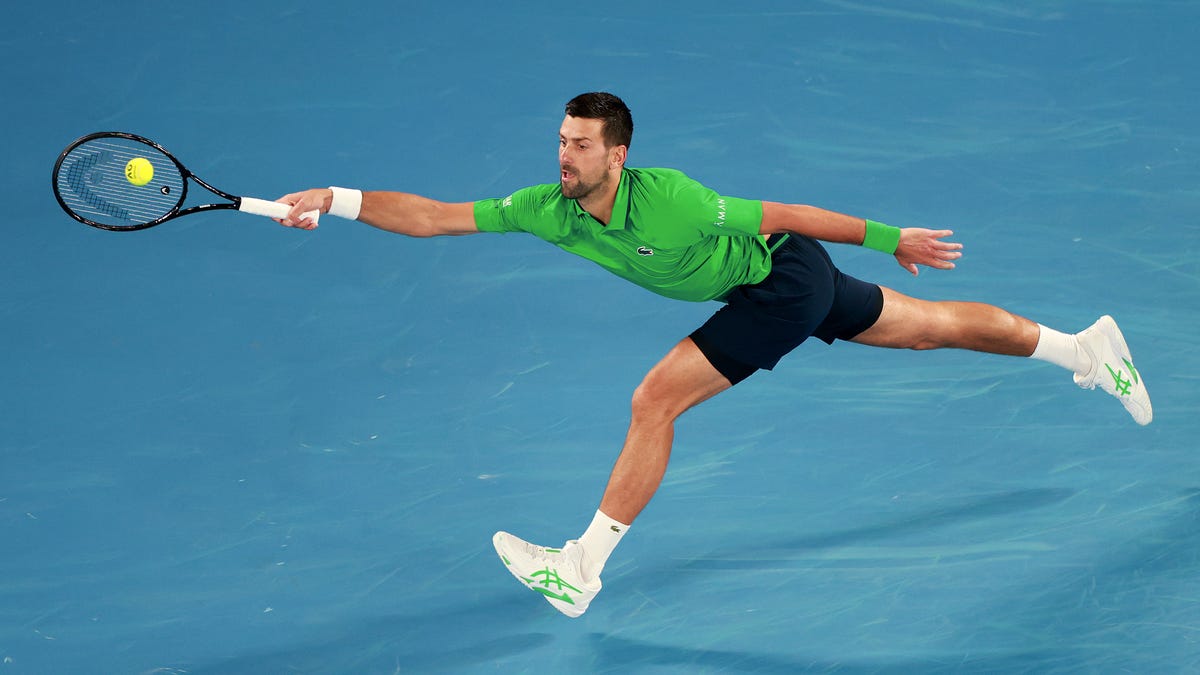
With a globally renowned brand, a seat at the top table of annual sporting must-sees and more than 1.3 million visitors each year – more than any other Grand Slam event – tennis’s Australian Open (AO) could be forgiven for resting on its laurels. But for Tennis Australia, the sport’s regional governing body, complacency has never been part of the game. At Cannes, the team behind the event, and its fast-expanding brand, told an audience of marketing leaders how they were ensuring the AO’s longevity by growing new audiences and building deeper partnerships. They’ve done it by re-examining the brand’s values and remit as well as, crucially, developing an internal marketing capability that is consistently restless and thrives on innovation. It’s led to everything from a festivalisation of the core event each January to highly relevant local campaigns, all driven by a keen attention to detail and a determination to turn the unifying “Hits Different” tagline into a rallying cry.As Britt Wickes, the Australian Open’s head of event brand marketing, explained at Cannes, the key realisation behind this operational transformation was that a sporting event today is up against more than just other sports. “You’re competing with everything your audience could choose instead,” she said. “Every experience, every night out, every reason to stay home.” That desire to become more culturally relevant – “something more people want to be part of” – has powered a new era for the AO. And Wickes, alongside Tennis Australia director of partnerships and international business Roddy Campbell, gave marketers six key principles for building a broader culture that turns into a “way of showing up in the world”. 1) Your biggest audience opportunity hasn’t found you yet. While the AO had an “incredible core audience”, said Wickes, growth had to come from people outside the existing brand universe: “We couldn’t just keep asking the same tennis fans to come more often, spend more money, stay longer and bring three friends.” The result was a range of new entry points designed to attract fresh audiences, from the AO Live music festival that has become an essential part of Melbourne’s summer calendar, to the vibrant TopCourt tennis precinct, the high-stakes 1 Point Slam tournament and a revamped Opening Week.2) Don’t chase sponsorships, look for co-authors. A lot of sponsorship, said Campbell, doesn’t work because it may be visible but it lacks genuine emotional resonance. AO aimed to put fans’ needs and cultural relevance back at the heart of its partnerships. With New Balance, for example, that meant pop-ups and surprise gigs, examining “the overlap between their skate and street culture and our ambition”; for ANZ bank, it meant turning Melbourne’s tram network into a “moving canvas”.3) Take control of how your brand story is told. While AO always had a “world-class content engine”, it had become fragmented. With the introduction of the Hits Different tagline came a revamped identity and, critically, more in-house capability, including broadcast-quality content, partner-ready packages and a production house, moving the marketing function from client to creator.4) Global scale starts with local truths. Local relevance is every bit as vital as global recognition, which is why AO marketers wanted to “understand what is true about the AO, and then translate it locally,” said Campbell, flexing the brand’s energy “through the culture and behaviours of each market.” In key APAC markets, that has meant Happy Slam events encompassing fan zones and creator content, as well as influencer hosting and ballkid trials in different countries.5) Live their values and they will come. Brand values can be useful, said Wickes, but they only become meaningful when audiences can actually feel them. As she put it: “Having values and acting on them are two very different things.” AO is delivering on its promises by embedding openness into its activations, ensuring LGBTQIA+ programming, First Nations recognition and women and girls initiatives sit at the heart of a genuinely accessible live experience .6) Don’t wait for disruption, drive it. “Disruption doesn’t happen because a brand says it wants to be bold. It happens because the organisation is built to keep moving,” said Campbell. AO has set itself a challenge to feel at least 50% different every year, which might be “slightly insane” for such a huge event but has acted as a rallying cry for embedding innovation into the organisation’s mindset and banishing complacency.In a follow-up round table event at Cannes, marketers talked about how AO’s principles translated into their own contexts. “We could not have asked for a better ecosystem to really bring to life multiple priorities,” said Kaveri Khullar, Senior Vice President Consumer Marketing & Sponsorships of Mastercard, who said the brand utilised its AO partnership across transactions, SME engagement, security, customer engagement and more. “The sheer depth and breadth makes it so holistic for us. We're really delighted that we've been doing this and hopefully we will continue to do it for a long, long time to come.”AO wrapped up its Cannes showcase with a bold offer to the next generation of marketing talent, launching a search for the “Federers and Serenas” of the function through its Future Champions initiative. Six lucky marketers will visit the Australian Open in 2026 and experience behind-the-scenes access and curated conversations with local leaders, alongside courtside seats for the event itself. It’s all part of a commitment to hitting differently, said Campbell: “The future of our industry won’t be built by people who just know how to buy attention. It will be built by people who know how to earn it.”
How the Australian Open unlocked new audiences by embracing a disruptive marketing mindset
The world-famous sporting showcase told Cannes Lions why its “Hits Different” tagline has become a rallying cry for teams to create new experiences and partnerships – and help it compete beyond a core of tennis obsessives
922 words~4 min read