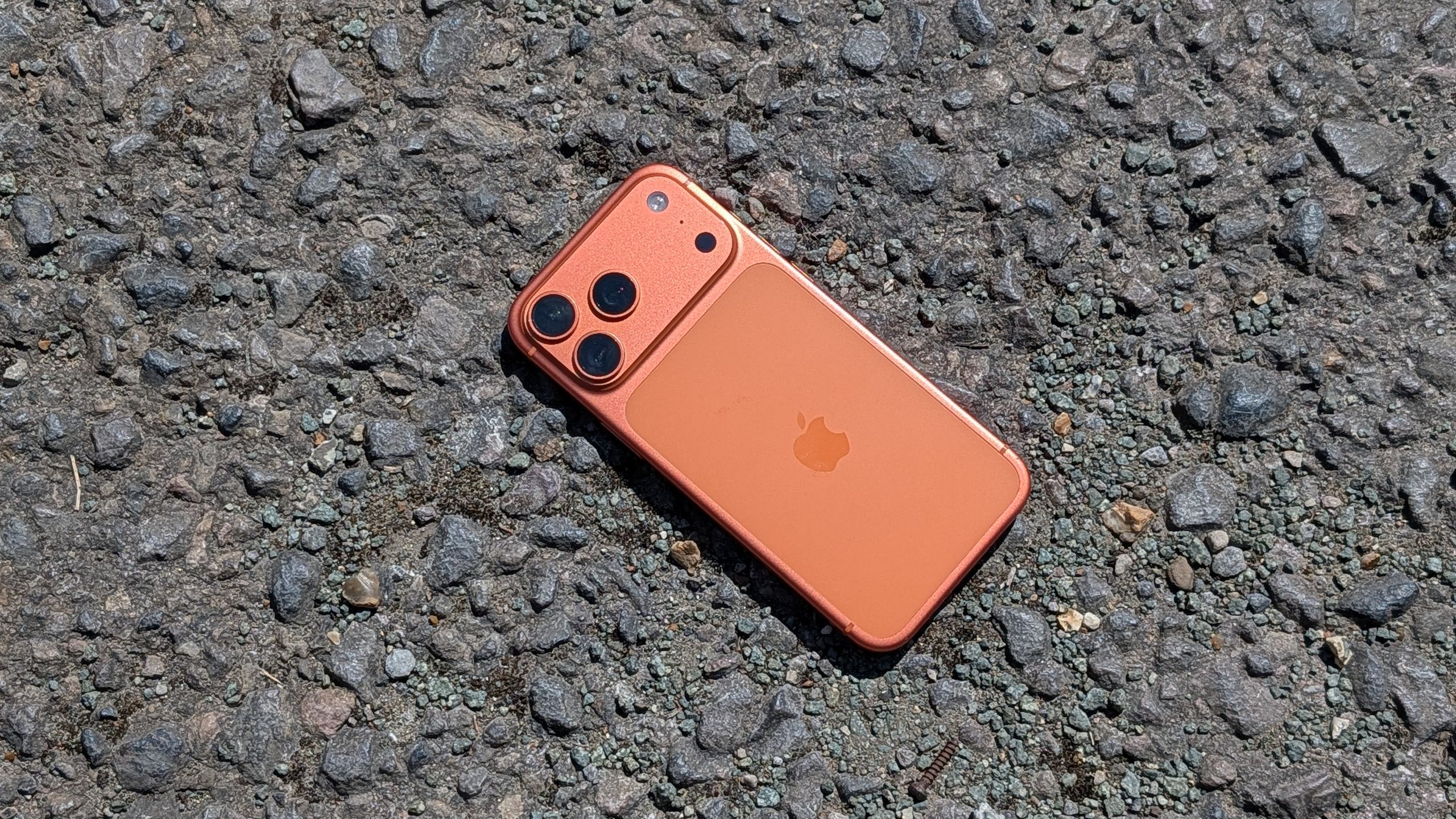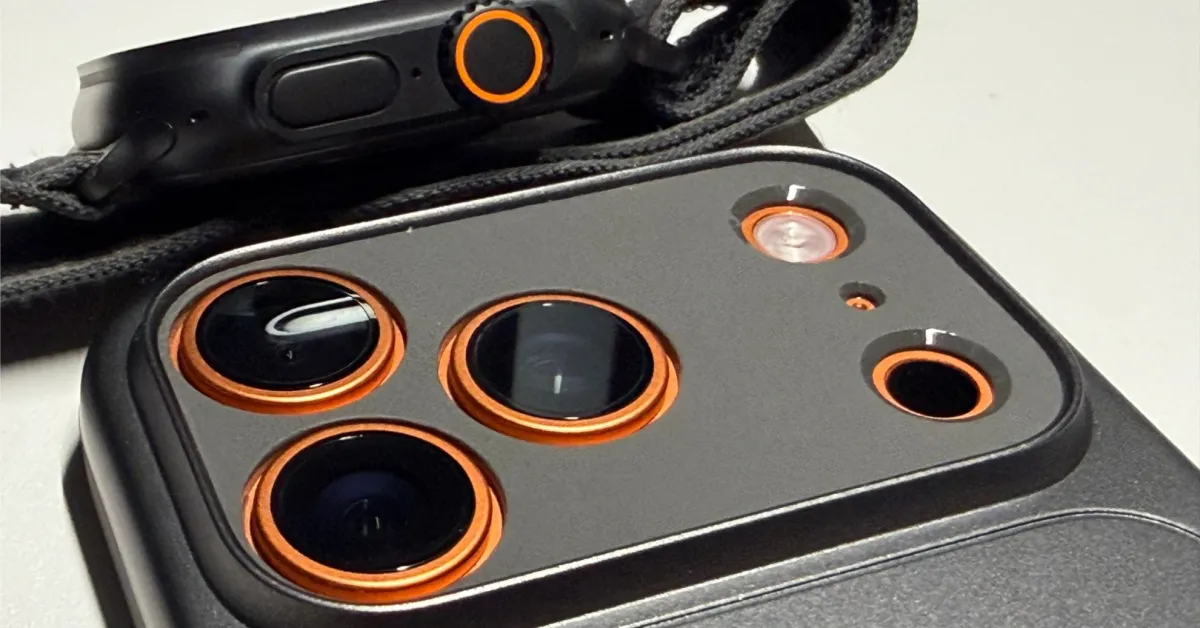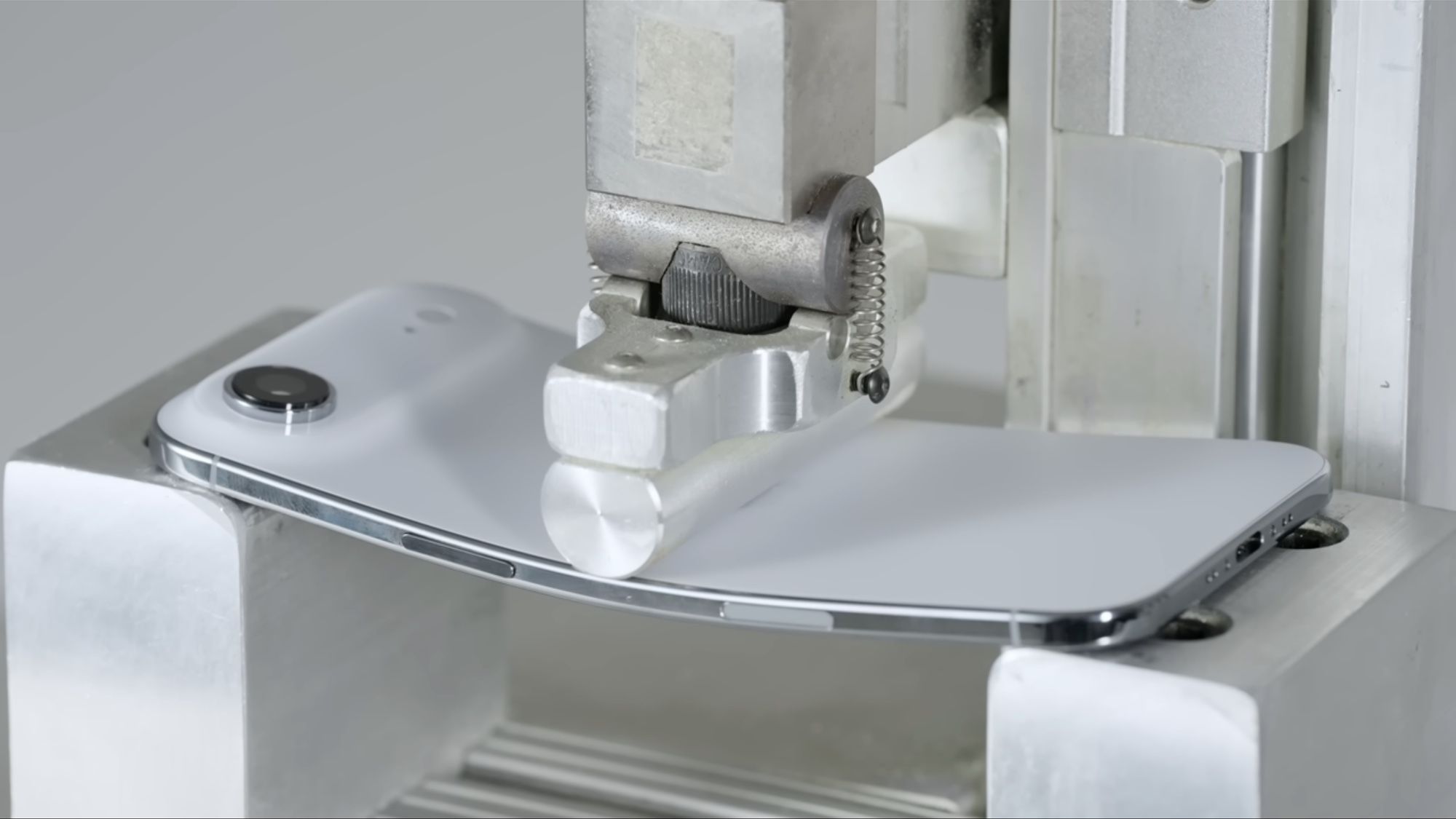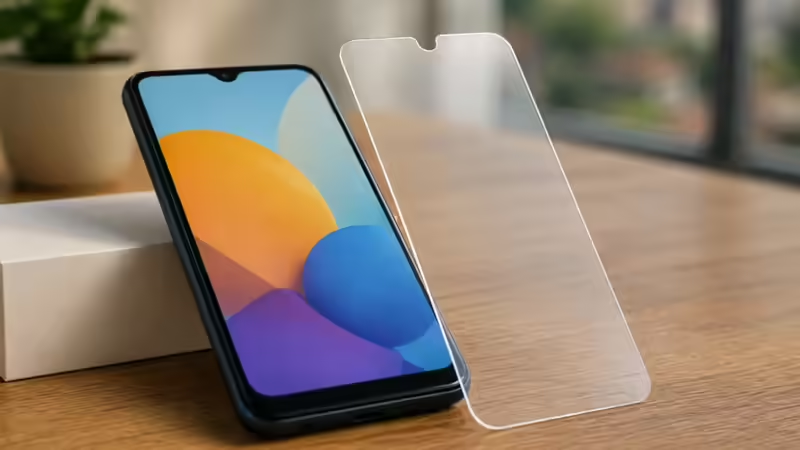
Ceramic Shield and Gorilla Armor can skip the screen guard. On Gorilla Glass 5 and the sub-Rs 20,000 phones that lead India by volume, that Rs 300 sheet stays the smartest insurance in tech.Key TakeawaysFlagship glass — Apple's Ceramic Shield 2, Corning's Gorilla Armor 2 — has improved enough that a careful owner of a premium phone can run it bare with a good case.That advice rests on the toughest glass on sale. Most phones bought in India wear older Gorilla Glass that scratches far sooner.Sand and street grit sit at Mohs 7 hardness. Even the latest iPhone glass picks up scratches around Mohs 6.Counterpoint puts sub-Rs 20,000 phones at 29 per cent of India's market value in 2025; by units, the Rs 10,000–20,000 band still leads the country.A Rs 150–500 screen guard pays off hardest exactly where the phone is cheapest. It turns optional only at the top of the range.Apple sells the iPhone 17 Pro on the strength of Ceramic Shield 2, glass it rates as the toughest ever fitted to a phone — tough enough that a loud chorus of reviewers now tells you to run the thing bare and bin the screen guard. Popular Mechanics put it plainest in April: skip the protector, the glass can take it. For a phone north of Rs 1.3 lakh, that call holds up. For the Rs 12,000 handset most Indians actually carry, it books you a date with a scratched display.Do modern phones still need a screen guard?For the best glass on sale, the honest answer leans towards optional. Corning's Gorilla Armor 2, fitted to the Galaxy S26 Ultra, survives drops onto a concrete-like surface from past two metres by the company's own testing, and shrugs off scratches deep into the range that matters. Apple's Ceramic Shield 2 trades blows with it on the iPhone 17 line.Stefan Vazharov, writing in Popular Mechanics, said he abandoned screen guards back in the late 2010s and has dropped dozens of phones since with little to show for it. He compared a guard on a modern flagship to water wings on an Olympic swimmer. On a Rs 1.3-lakh phone, his logic travels. The glass is genuinely good, a case handles the falls, and a thin plastic sheet on top earns its keep only at the margins.Downforce against dragHere is the part the breezy verdicts skip. Glass engineers face the same bargain a car aerodynamicist does: chase downforce and you pay in drag, tune for one quality and the other gives way. Hardness and shatter-resistance pull against each other. A glass set up to survive a tumble onto marble surrenders some scratch resistance to get there. A glass set up to laugh off grit turns brittle under impact.Corning picks drop-survival on purpose, and the reasoning is sound. A cracked screen sends you to the service centre; a few hairline scratches send you nowhere. So the company tunes its chassis for the crash you fear most and accepts the scuffs you can live with. The tradeoff is deliberate. The marketing leaves it in the small print.Sand winsReach for the hardness numbers and the picture sharpens fast. On the Mohs scale, beach sand and ordinary street dust — quartz — sit at 7. Independent testing by JerryRigEverything, picked up across the tech press, puts Apple's Ceramic Shield 2 scratching around level 6, with deeper marks at 7. Samsung's Gorilla Armor holds out to 7, and resists deeper abrasion to 8.Read that back at half speed. A fistful of Chowpatty sand outranks the glass on the latest iPhone. A grain trapped against the screen in your trouser pocket on a Delhi afternoon carries enough hardness to leave a mark Apple's own glass would wear. Samsung's top armour is the rare sheet that truly outguns the stuff a pocket collects. Every tier below it bows to silica.MaterialMohs hardnessWhat it meansFingernail2.5Harmless to any phone glassOlder Gorilla Glass (3, 5)~6.5Scratches below sand levelCeramic Shield 2 (iPhone 17 Pro)Marks at 6, deeper at 7Sand can still scratch itSand / quartz / street grit7The real enemy in an Indian pocketGorilla Armor (Galaxy S Ultra)Marks at 7, deeper at 8The one tier that resists sandDiamond10The hardest natural materialScratch figures from JerryRigEverything testing, as reported across the tech press; treat as third-party rather than lab-certified by Apple or Corning.3 things a cheap screen guard gets wrongThe case for going bare deserves a fair hearing, because a poor guard creates its own headaches.It dulls the glass. A flagship ships with an oleophobic coating that repels finger oil and a screen tuned for brightness and colour. A budget tempered sheet laid on top can mute both, trading a crisp panel for a slightly foggy one.It scratches first. A cheap guard is softer than the glass beneath it, so it collects the very scuffs the phone would have shrugged off. After a sandy weekend, the sheet frosts over while the screen below stays clean.It traps bubbles. Smoothing one out is a chore, and a misaligned guard with a dust speck under it nags every time you look at the phone.These are real costs. The honest reading: a bad guard makes a good phone worse, which is the strongest plank in Vazharov's argument. The catch is that it argues for a better guard, rather than no guard at all, the moment the glass underneath stops being flagship-grade.What Rs 12,000 buys you in glassAll that armour talk describes phones a sliver of India buys. Walk down to the volume tiers and the glass changes generation. The Moto G05, a familiar sub-Rs 10,000 pick, ships with Gorilla Glass 3 — a formulation past a decade old. Across the under-Rs 10,000 shelf, Gorilla Glass 5 counts as a step up, and plenty of entry models lean on unbranded or older Asahi panels.These sheets do a fair job against a fingernail at Mohs 2.5. Against quartz at 7, they surrender early and often. The "skip it" advice was written with Ceramic Shield in the test bench, then handed down to a phone wearing glass three eras behind. Same sentence, very different physics. On a Rs 1.3-lakh flagship the glass is the bouncer at the door; on a Rs 12,000 phone it is a polite usher who scratches when sand walks in.The median Indian phone tells another storyMarket data closes the gap between thesis and reality. Counterpoint Research reckons phones under Rs 20,000 slipped to 29 per cent of India's market value in 2025, down from 38 per cent two years earlier — clear proof the money is climbing the price ladder, helped by a memory and display cost squeeze that keeps lifting the entry floor.Yet value and volume part company. By units shipped, IDC places the Rs 10,000–20,000 band at 45 per cent of the market in early 2026, its share rising even as entry-level volumes fell by well over half. So the rupees pool at the top while the handsets pool in the middle. The typical phone in an Indian palm stays a mid-tier device on mid-tier glass — precisely the phone the flagship-grade verdict forgets to mention.The arithmetic of a cracked screenNow run the sums, because this is where the advice turns pricey. On a Rs 1.3-lakh flagship, a screen guard shields a display worth perhaps Rs 25,000 to replace — useful, yet a rounding error against the phone. On a Rs 12,000 phone, a cracked or deeply scored display can cost Rs 4,000 to Rs 6,000 to set right, often a third to half the value of the device.A screen guard at Rs 150 to Rs 500 is the cheapest insurance in consumer tech, and it pays off hardest exactly where the phone costs least. The percentage logic flips as you walk down the range. Vazharov's swap — bin the guard, buy an extended protection plan instead — assumes an AppleCare-style safety net that stays thin on the ground below Rs 20,000, where many buyers self-insure with a Rs 300 sheet of tempered glass and call it a day.Until your glass crosses Mohs 7A clean rule falls out of all this, and it travels by price band rather than brand loyalty.Your phone's glassRough price bandThe verdictGorilla Armor 2 / Ceramic Shield 2Rs 60,000-plusRun it bare with a good caseGorilla Glass Victus / Victus 2Rs 30,000–60,000Optional; a guard buys peace of mindGorilla Glass 5 or older / unbrandedUnder Rs 20,000Keep the screen guardOwn a phone with Gorilla Armor or Ceramic Shield and you can go bare and sleep fine. Sit anywhere below, on Gorilla Glass 5 or older, and a guard stays the smart buy until the glass under it crosses Mohs 7. There is a privacy wrinkle worth a line: guards that hide your screen from the next seat on the Metro cost you brightness and colour, so reserve those for the days your phone holds something a stranger should miss.Play the percentagesTreat the "ditch your screen guard" headline for what it is — sound advice wearing the wrong jersey. It was written from the top order, where the glass is armour and the bankroll absorbs a knock. Most of India bats lower down, on a Rs 12,000 phone, on a result pitch of sand and keys and pocket grit, where one bad bounce costs real money.Down there, the screen guard is the helmet grille: a small, unglamorous Rs 300 that keeps a cheap phone whole. Read the conditions before you take guard. The flagship can play its shots. The budget phone plays the percentages.FAQDo I need a screen guard on an iPhone 17 or Galaxy S26?For scratch protection, treat it as optional. Ceramic Shield 2 and Gorilla Armor 2 resist everyday wear well. Pair the phone with a case and you cover the bigger risk, which is a drop onto a hard floor.Does a screen guard protect against drops?A case does most of that work. A tempered-glass guard adds a thin sacrificial layer and can soak up a minor knock, yet edges and corners stay exposed, so a case matters more for falls.Will sand really scratch my phone screen?Yes. Quartz in sand and street dust sits at Mohs 7 hardness, above most phone glass. Even Ceramic Shield 2 marks around Mohs 6, so a sandy pocket can leave fine scratches over time.Which phones still need a screen guard in India?Phones on Gorilla Glass 5 or older — most handsets under Rs 20,000 — gain the most. A Rs 150–500 guard is cheap insurance where a screen repair can cost a third of the phone.end of article
Why The Screen Guard Still Earns Its Place On Budget Phones In India
Flagship glass got tough enough to go bare. The phone most Indians carry still wants cover.
1,748 words~8 min read