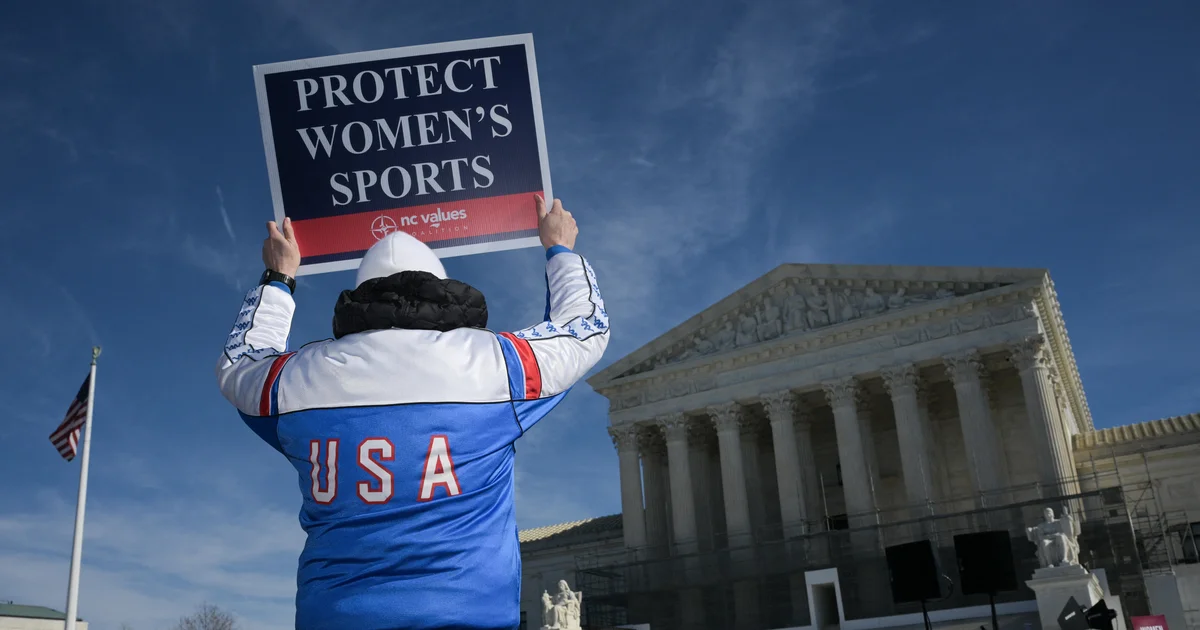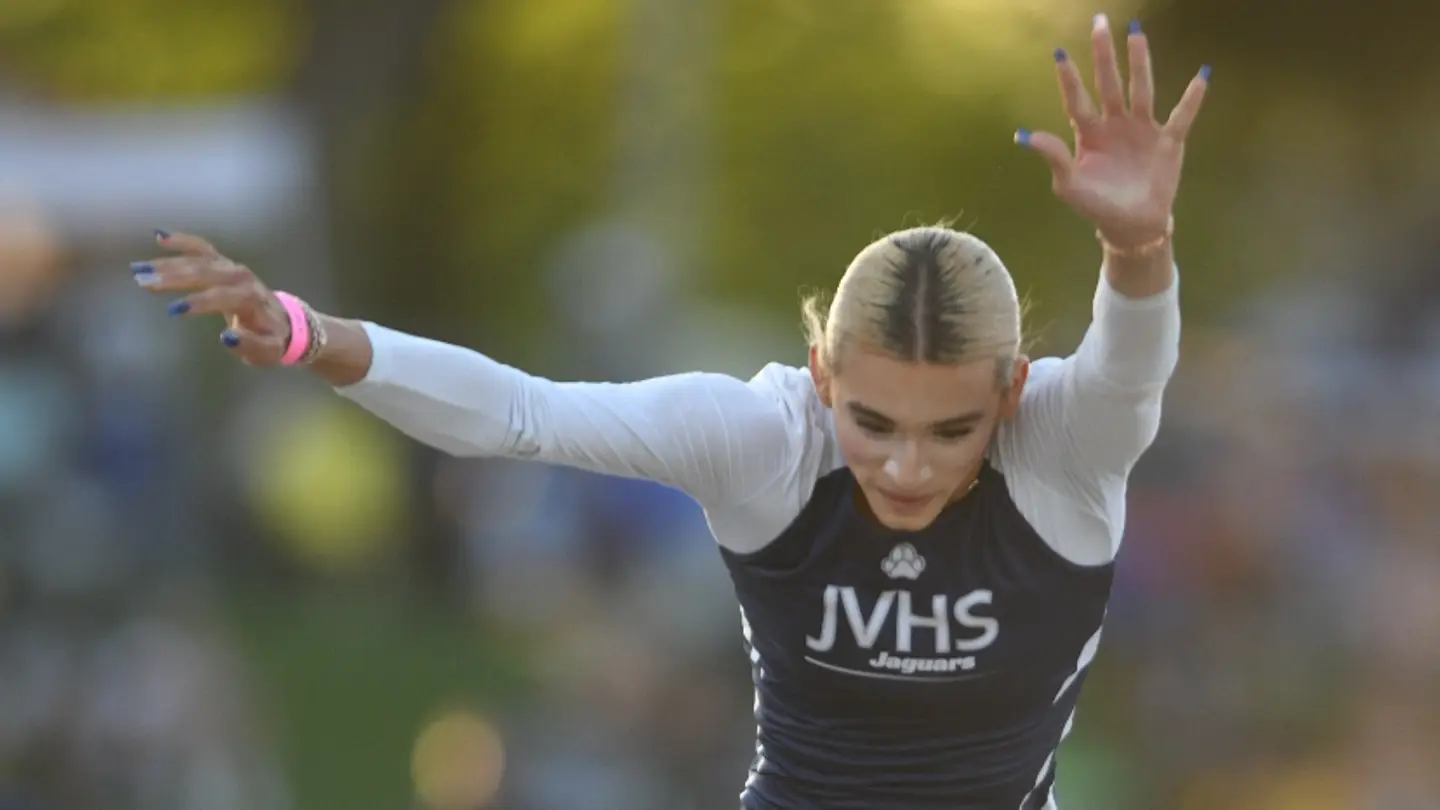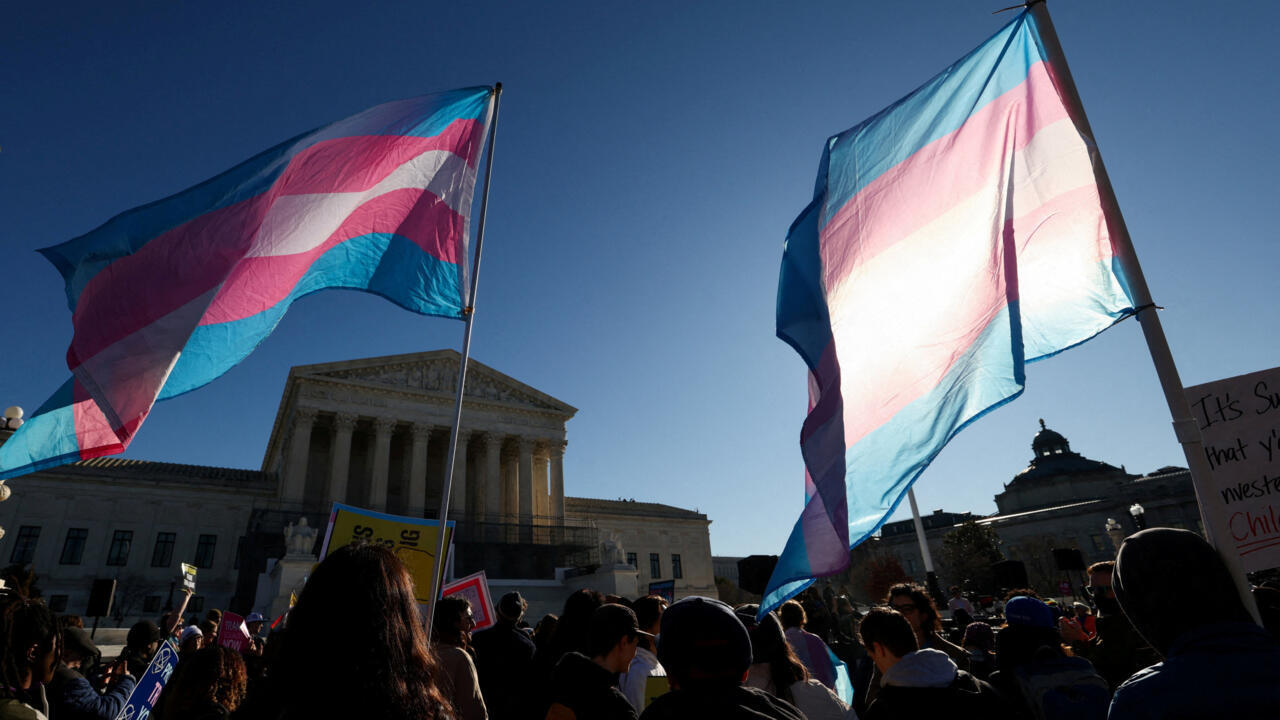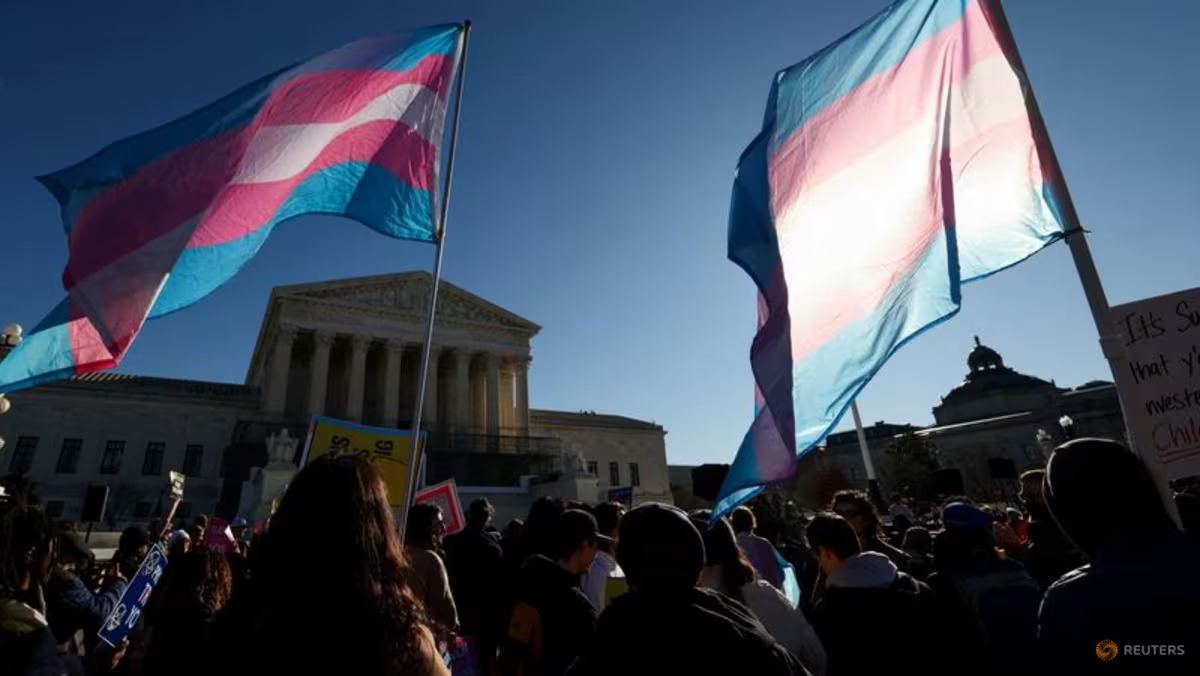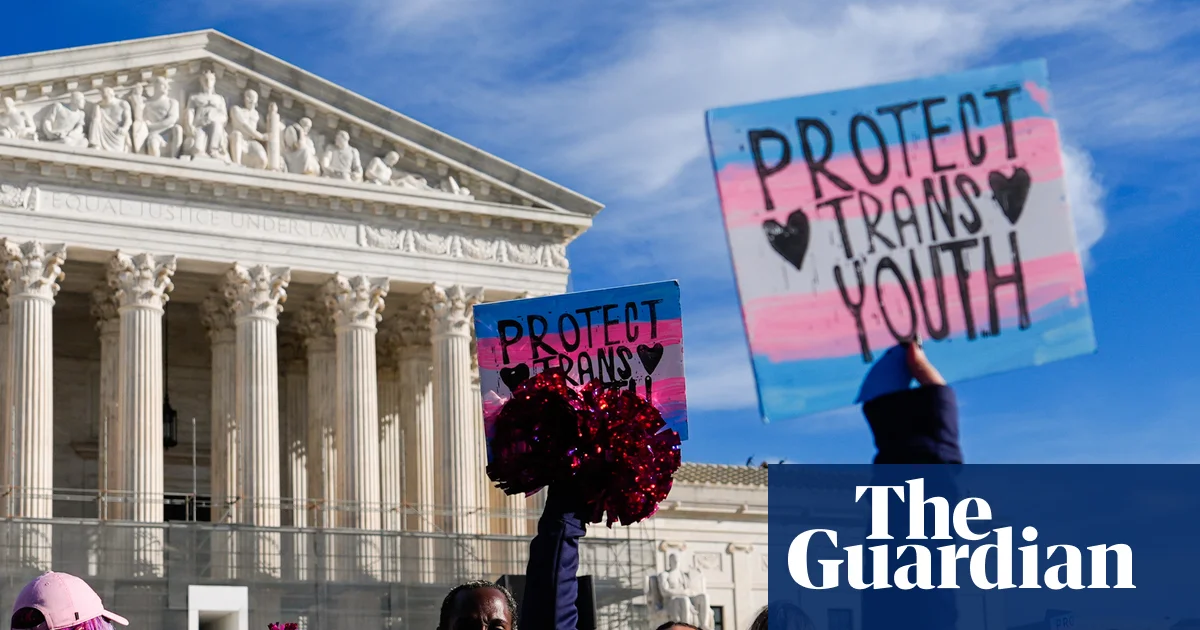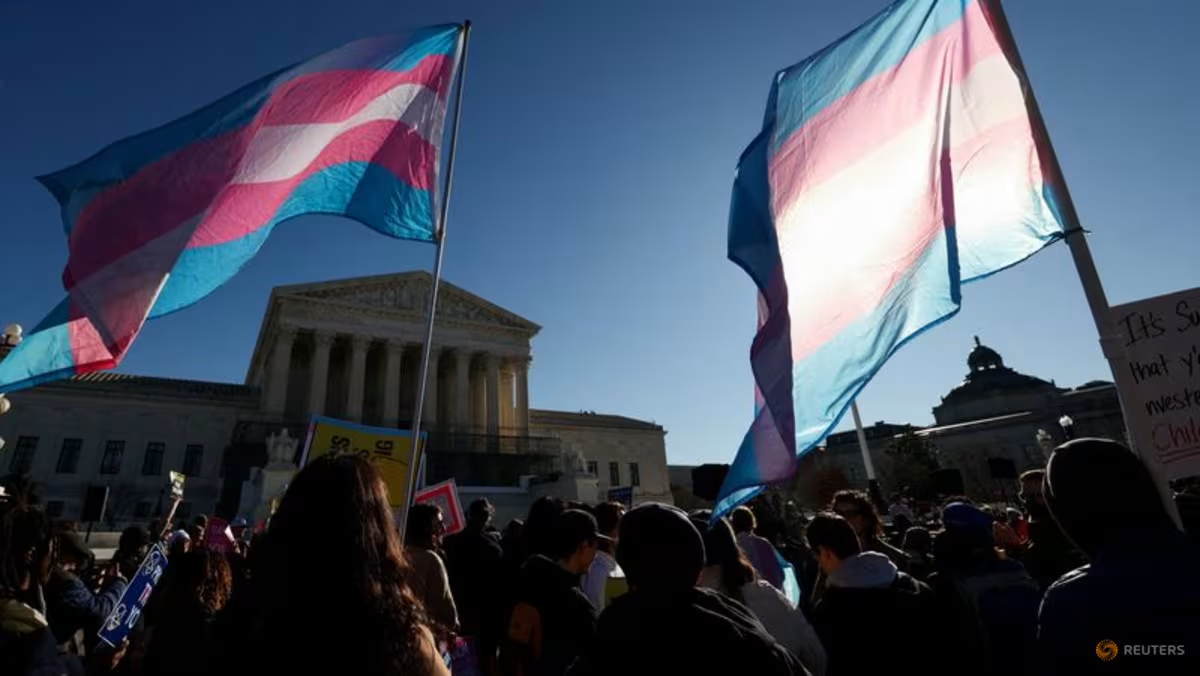
WorldThe U.S. Supreme Court has ruled in favour of laws in West Virginia and Idaho barring transgender girls and women from competing on girls' and women's sports teams at public schools and universities.Ruling could reshape transgender rights and school sports across the countryThomson Reuters · Posted: Jun 30, 2026 10:09 AM EDT | Last Updated: 1 hour agoListen to this articleEstimated 3 minutesThe audio version of this article is generated by AI-based technology. Mispronunciations can occur. We are working with our partners to continually review and improve the results.Protesters wave transgender pride flags outside the U.S. Supreme Court as it hears arguments over state laws barring transgender girls and women from playing on school athletic teams, on Jan. 13, in Washington. (Julia Demaree Nikhinson/The Associated Press)The U.S. Supreme Court cleared the way on Tuesday for states to impose restrictions on transgender student athletes, upholding laws in Idaho and West Virginia banning them from female sports teams — a contentious issue enmeshed in the nation's culture wars.The justices overturned decisions by lower courts siding with transgender students who challenged the bans in the two states as violating the U.S. Constitution and a federal anti-discrimination law. The Idaho and West Virginia laws designate sports teams at public schools including universities according to "biological sex" — as assigned at birth — and bar "students of the male sex" from female teams. Twenty-five other states have similar laws on the books.Republican President Donald Trump's administration, which has cracked down on transgender rights, has backed the states in the litigation.Idaho and West Virginia say the laws preserve fair and safe competition for women and girls, while critics see the measures as part of a broader assault on the rights of transgender Americans.The students who challenged the measures said they discriminate based on a person's sex or status as transgender — in violation of the Constitution's 14th Amendment guarantee of equal protection under the law, and of the Title IX civil rights statute that bars discrimination in education "on the basis of sex." Breaking down the IOC policy banning transgender women from female Olympic eventsAlberta's transgender ban in women's sports won't apply to out-of-province athletesLast year, in another major transgender rights ruling, the Supreme Court said states can ban medical treatments such as puberty blockers and hormones for people under age 18 experiencing gender dysphoria. That term refers to the clinical diagnosis for significant distress that can result from an incongruence between a person's gender identity and sex at birth.The Supreme Court, which has a 6-3 conservative majority, has backed other restrictions on transgender people, letting Trump ban transgender people from the military and bar passport applicants from selecting the sex reflecting their gender identities for the document.And yet, the court in 2020 delivered a landmark ruling protecting transgender people from workplace discrimination under a federal law called Title VII of the Civil Rights Act of 1964 that contains wording similar to Title IX.Trump's policiesThe issue of transgender athletes playing on female sports teams has become part of the U.S. culture wars.Trump has taken a hard line on transgender rights since returning to office in January 2025. He has cast the gender identity of transgender people as a lie and issued executive orders to limit their rights including one involving sports participation.Poilievre backs J.K. Rowling's support for Olympic ban of transgender women from women's sportsGirls' softball was an inclusive sport in Alberta. For this teen, a new law could end thatThe challenge to West Virginia's law was brought by Becky Pepper-Jackson and her mother Heather Jackson. Pepper-Jackson attends high school in Bridgeport, W.V., and participates in shot put and discus.The Idaho challenge was brought by Lindsay Hecox, a transgender student who previously participated in soccer and running clubs at Boise State University, a public university.Hecox decided to quit playing sports and sought to dismiss the case in part due to a fear of harassment and growing intolerance toward transgender people. Hecox's lawyers argued that the development rendered this challenge moot.The Supreme Court heard arguments in January. Its conservative justices raised concerns about imposing a uniform rule on the entire country amid disagreement and uncertainty over whether medications like puberty blockers or gender-affirming hormones eliminate male physiological advantages in sports.
U.S. Supreme Court upholds Idaho, West Virginia laws banning transgender athletes from women's sports | CBC News
The U.S. Supreme Court has ruled in favour of laws in West Virginia and Idaho barring transgender girls and women from competing on girls' and women's sports teams at public schools and universities.
703 words~3 min read