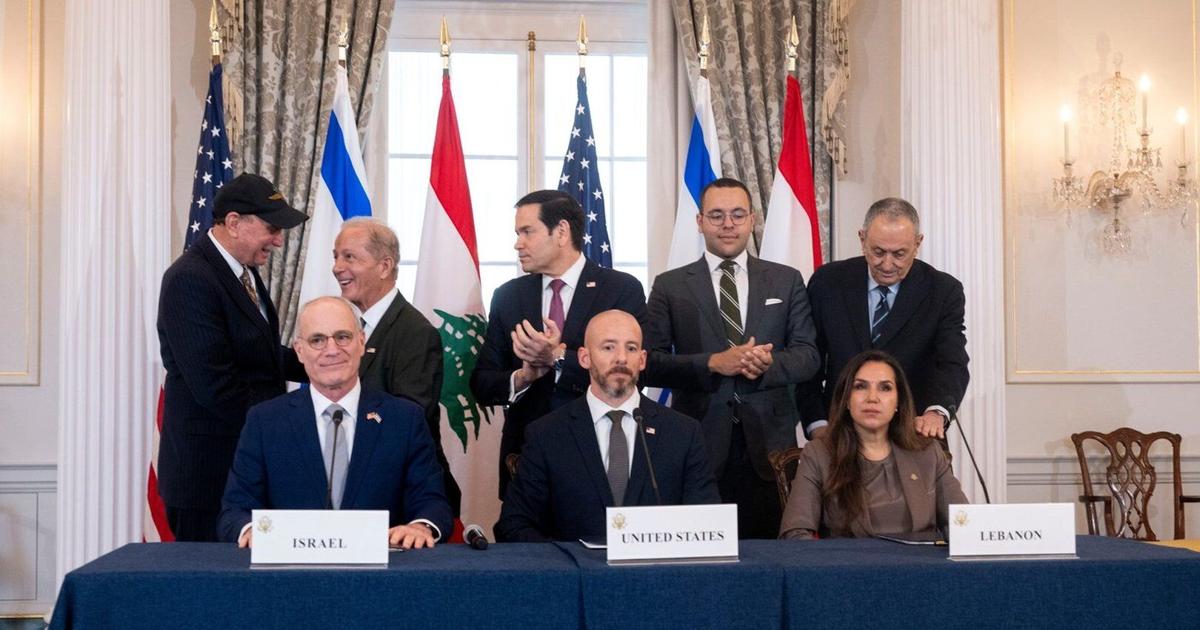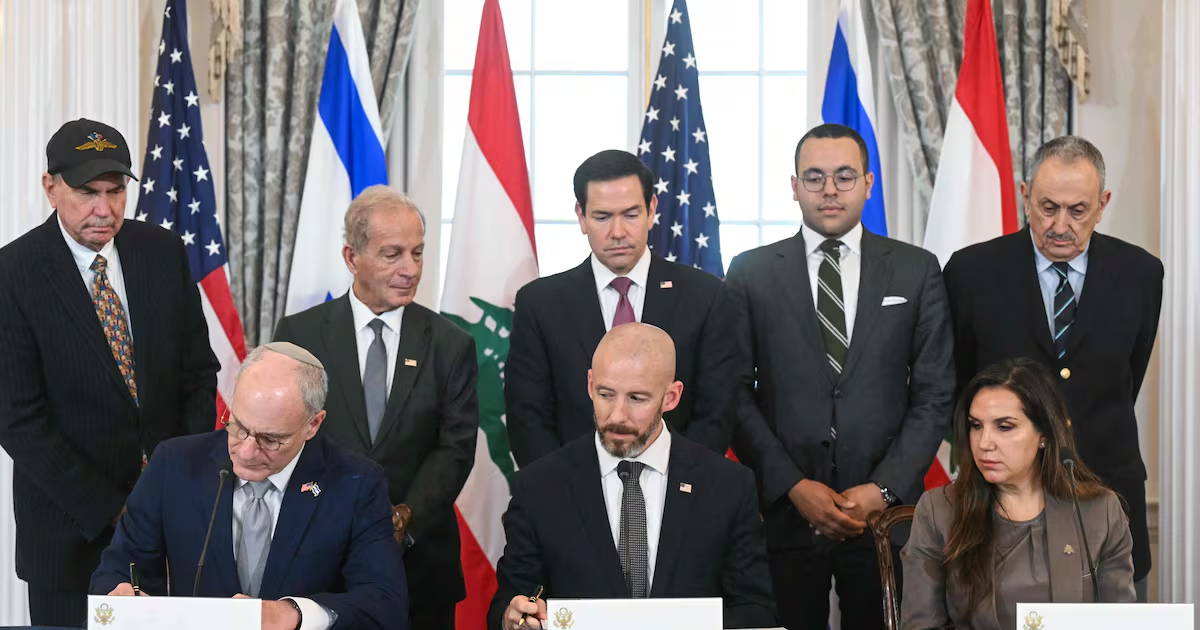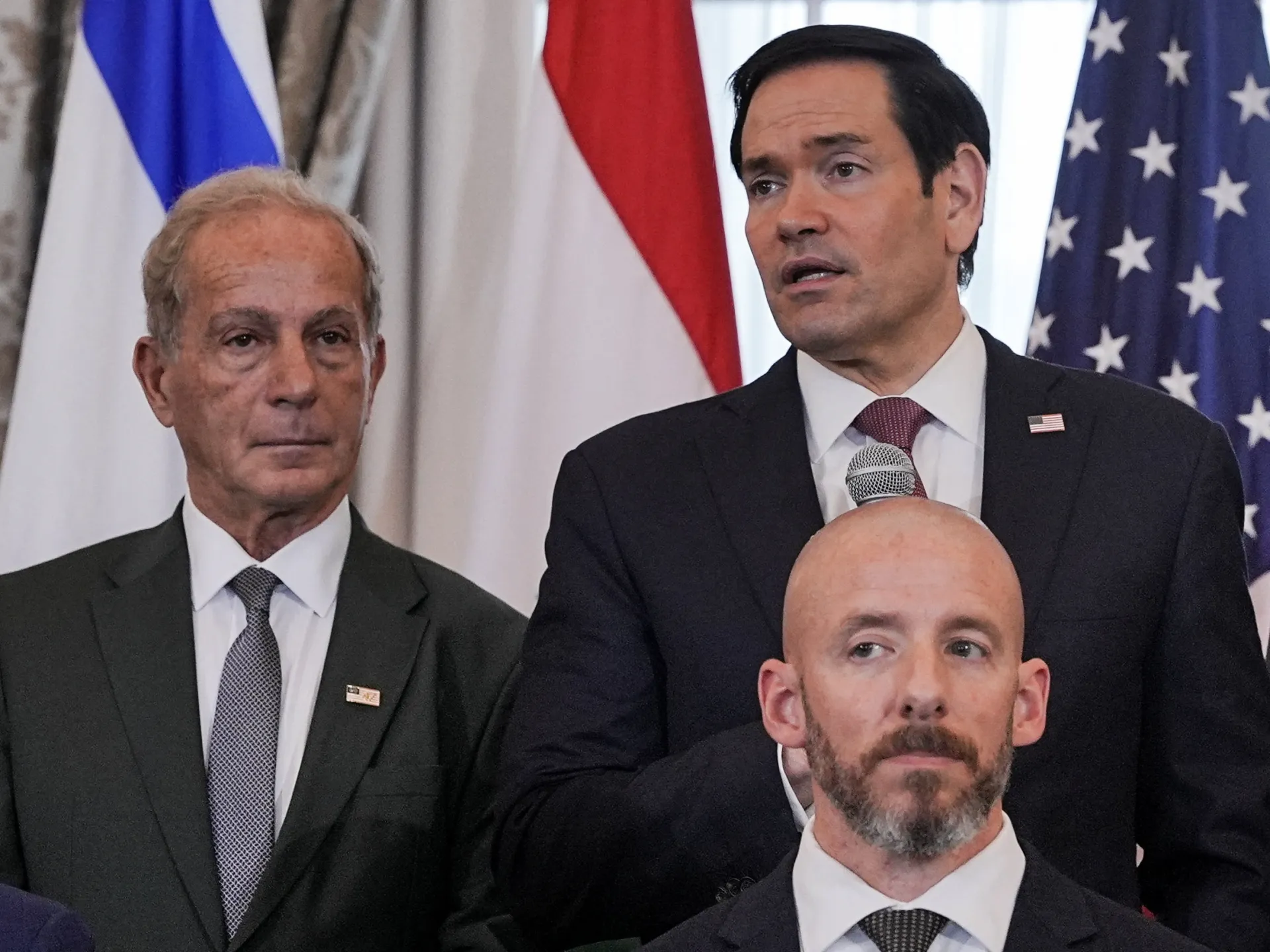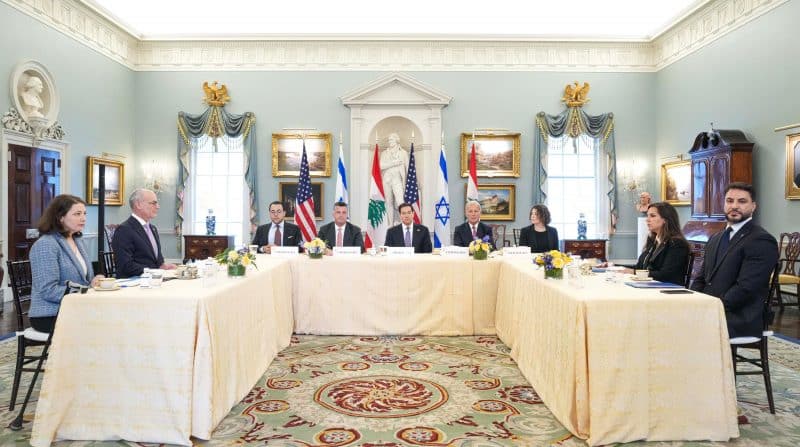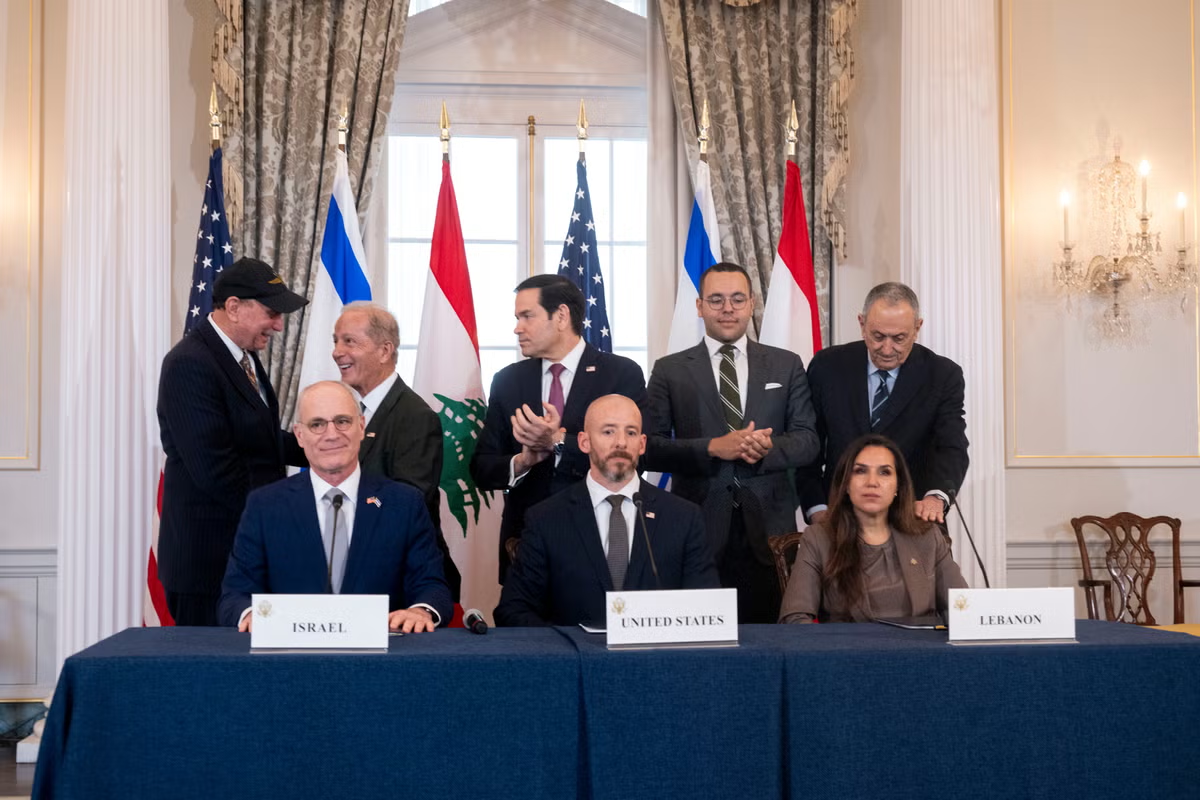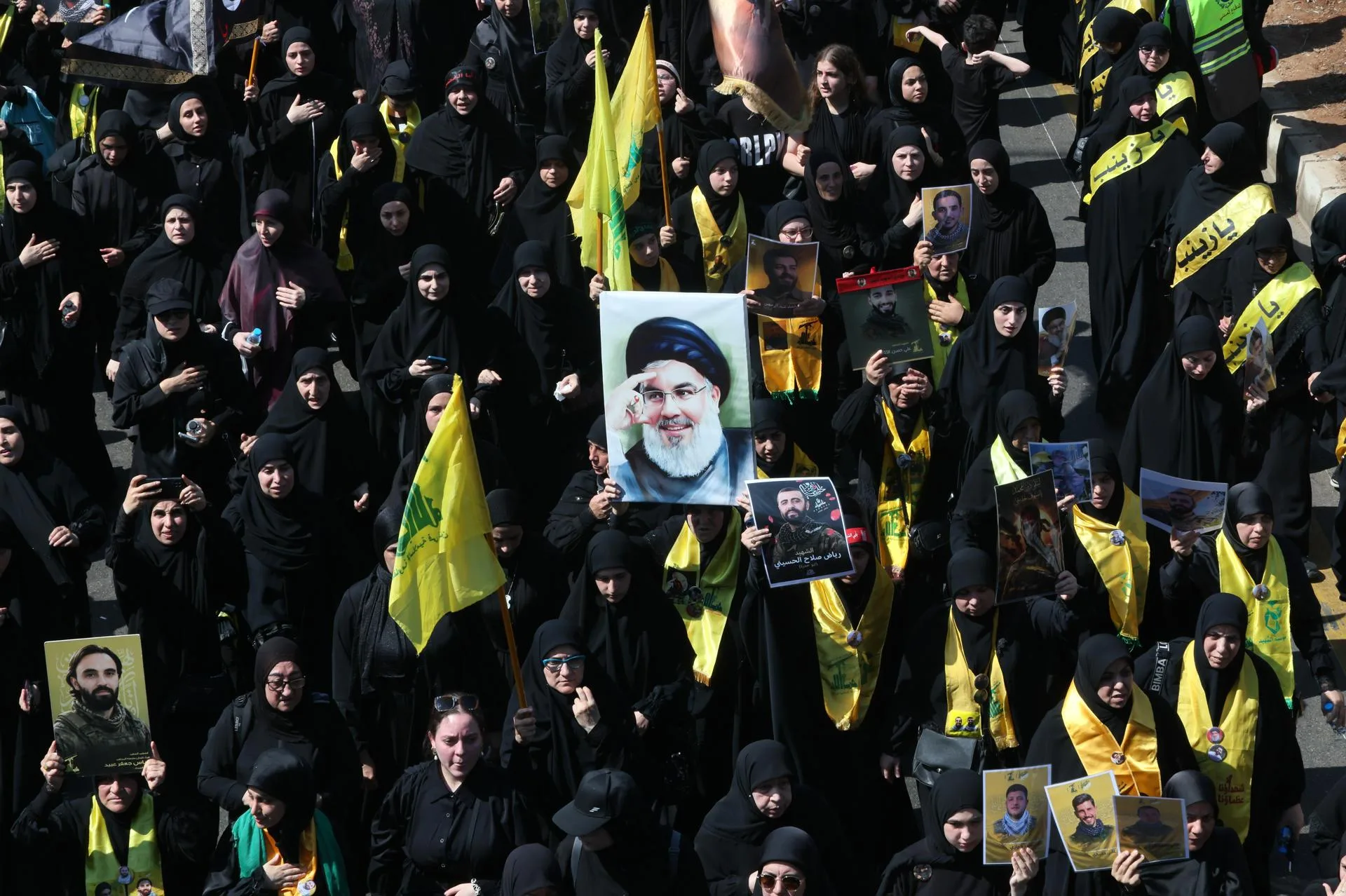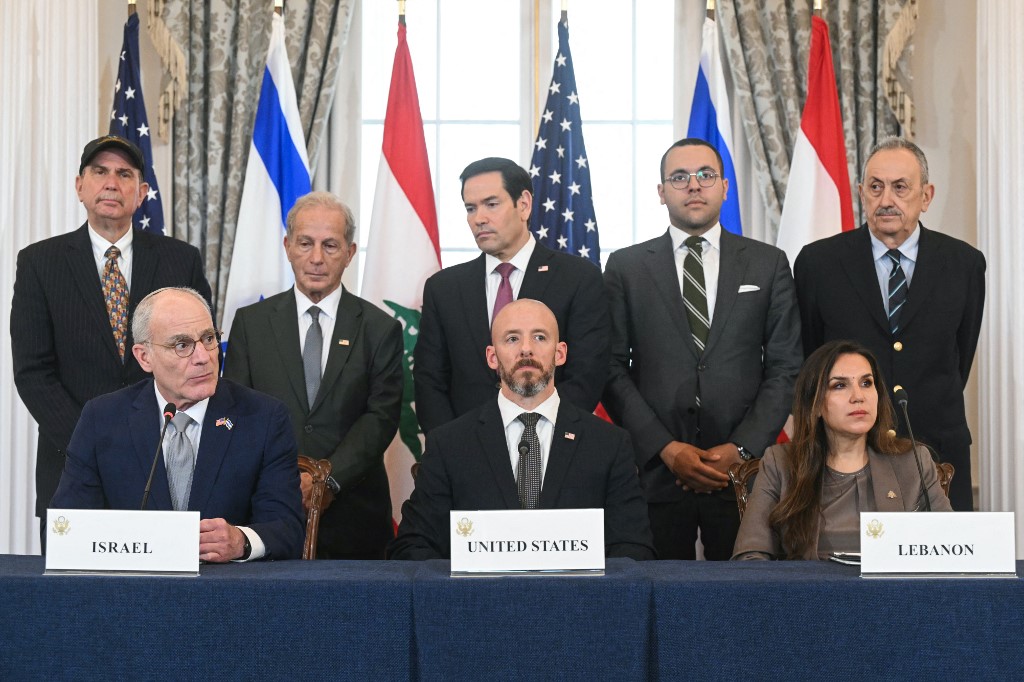
The US-brokered framework agreement signed by Lebanon and Israel in Washington on 26 June has triggered widespread political opposition in Lebanon, raising questions over sovereignty, accountability and the balance of obligations imposed on both sides.
Israeli Prime Minister Benjamin Netanyahu’s presentation of the agreement as an achievement for Israel intensified the backlash, reinforcing the view amongst Lebanese critics that Beirut had made substantial concessions without securing an immediate ceasefire or a binding timetable for Israel’s withdrawal.
Under the framework, the Lebanese army would assume control of designated “pilot zones”, dismantle the infrastructure of non-state armed groups and verify their disarmament before Israeli forces gradually redeploy.
Lebanese President Joseph Aoun and Prime Minister Nawaf Salam have defended the agreement as the start of a process intended to restore state sovereignty and secure a complete Israeli withdrawal.
But the political response has exposed a wide gap between the official narrative and the way much of Lebanon’s political class has interpreted the deal.