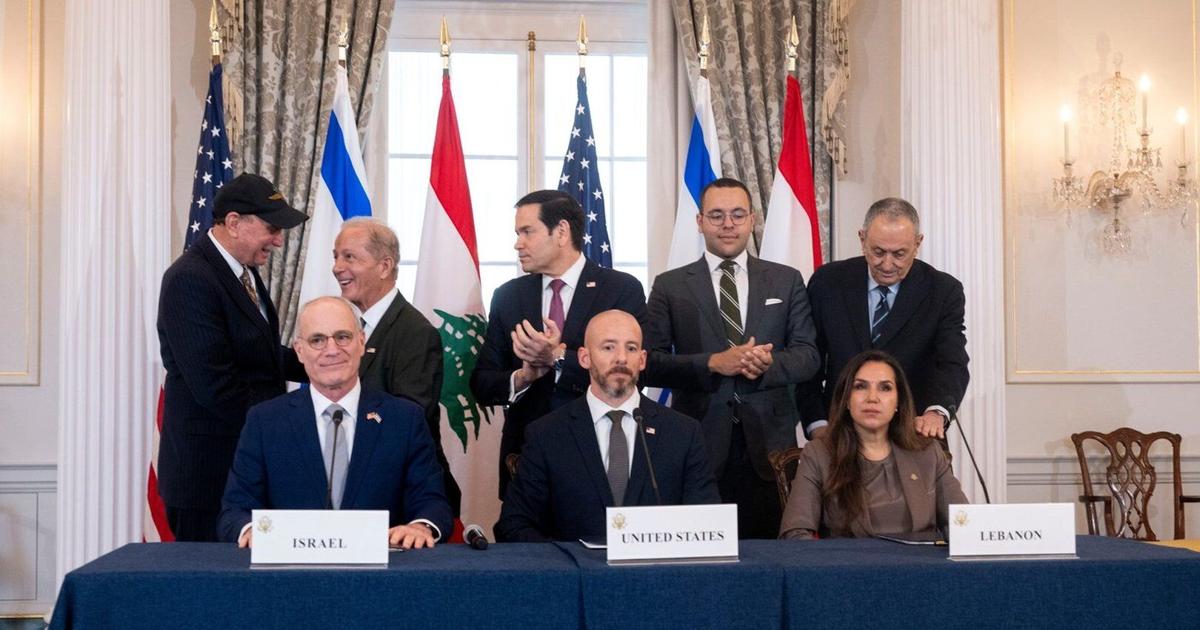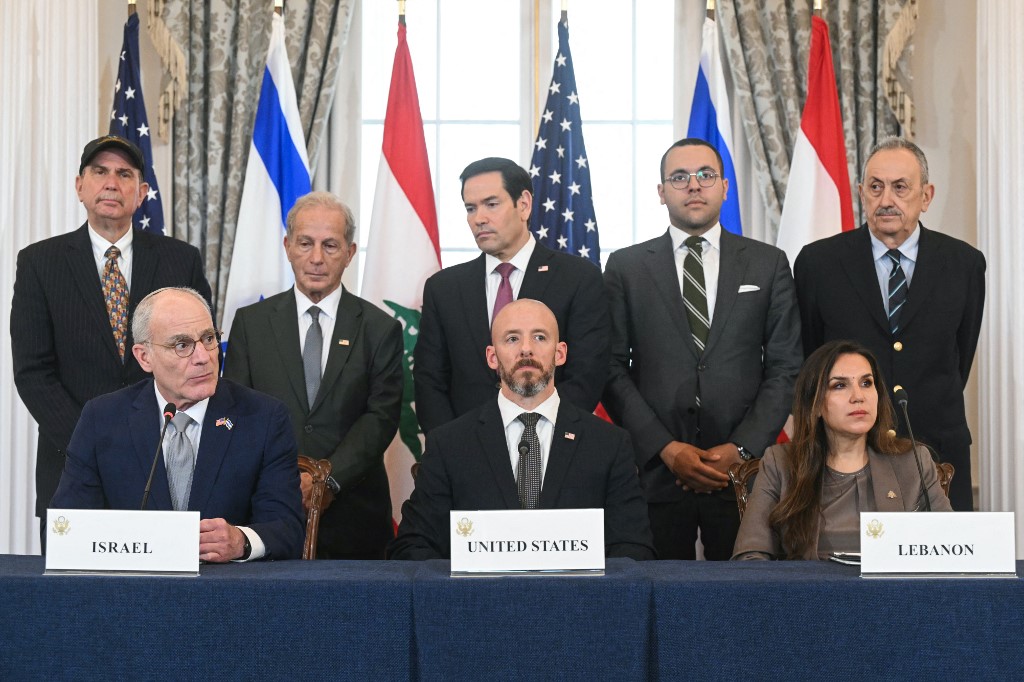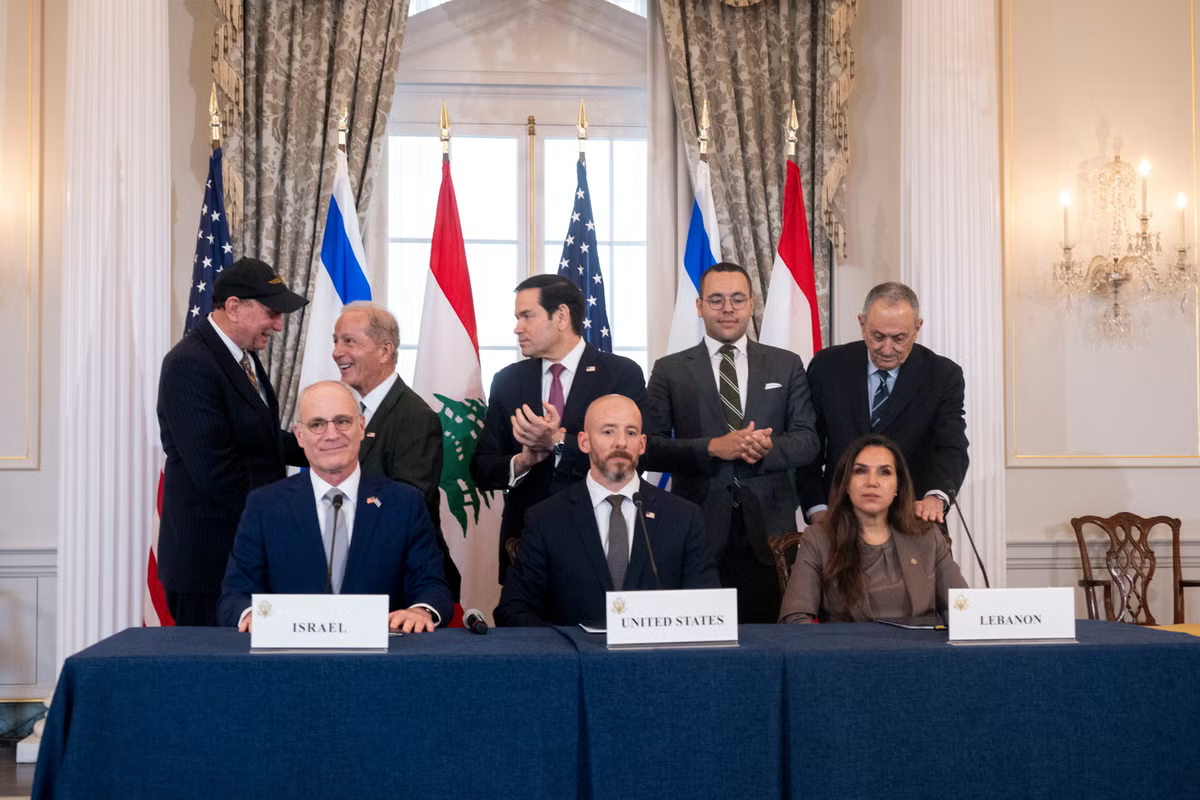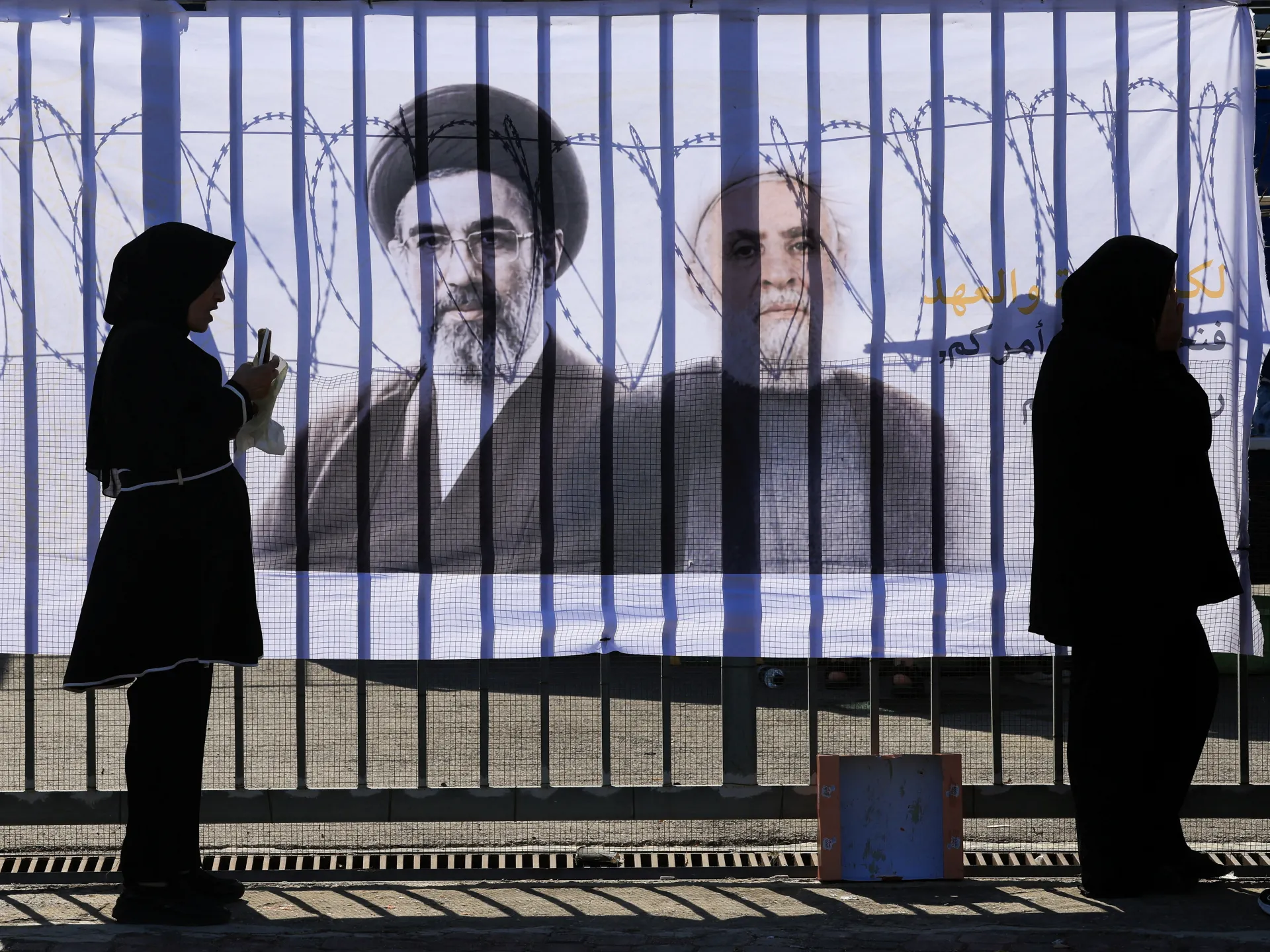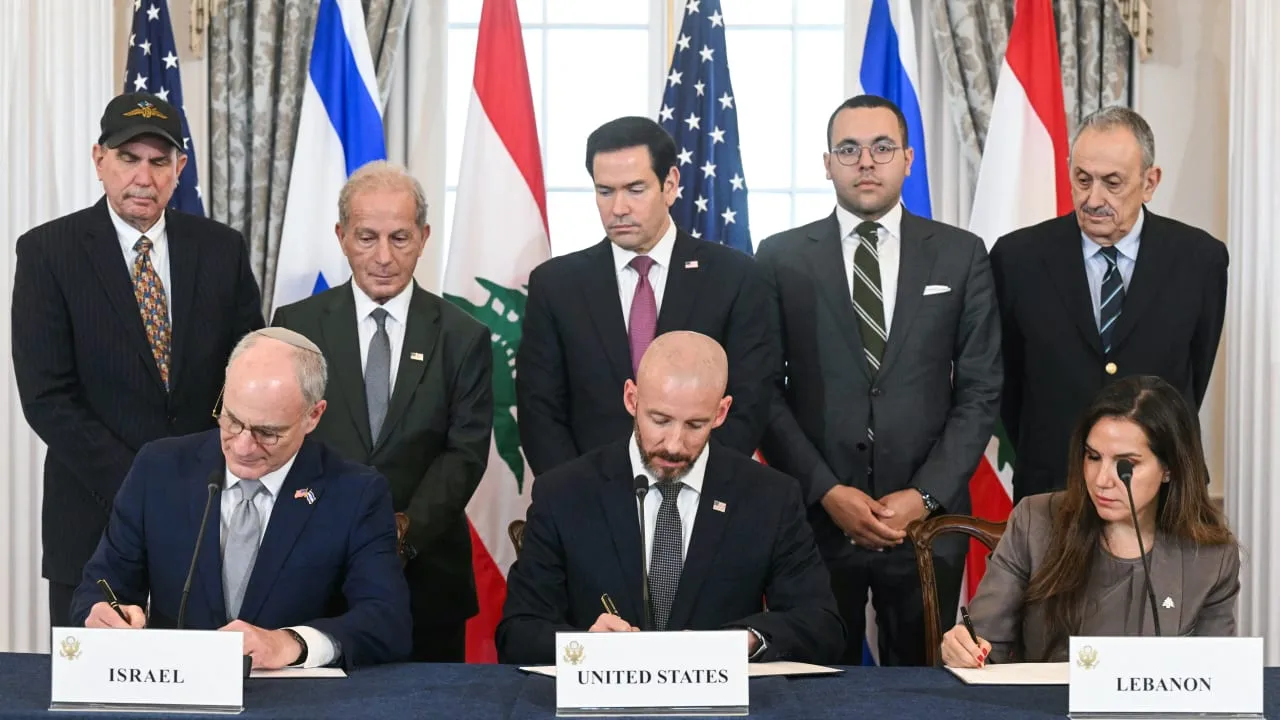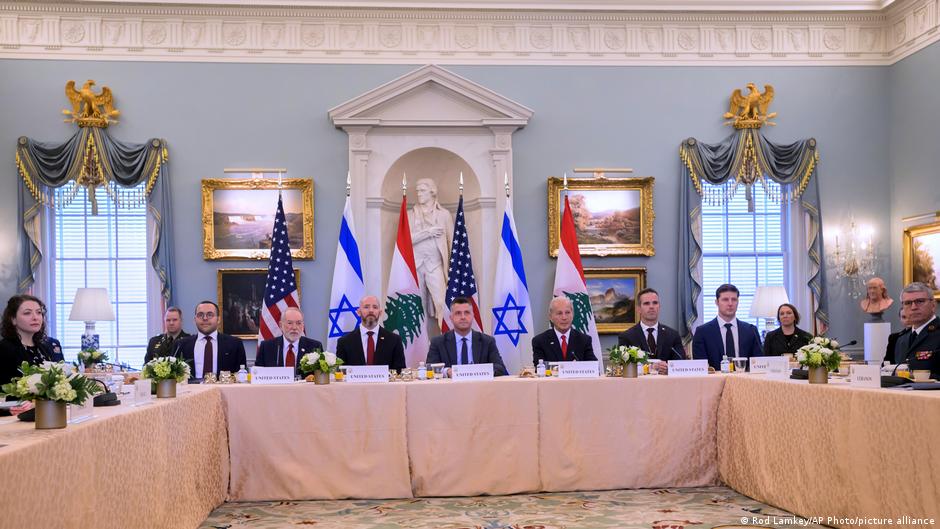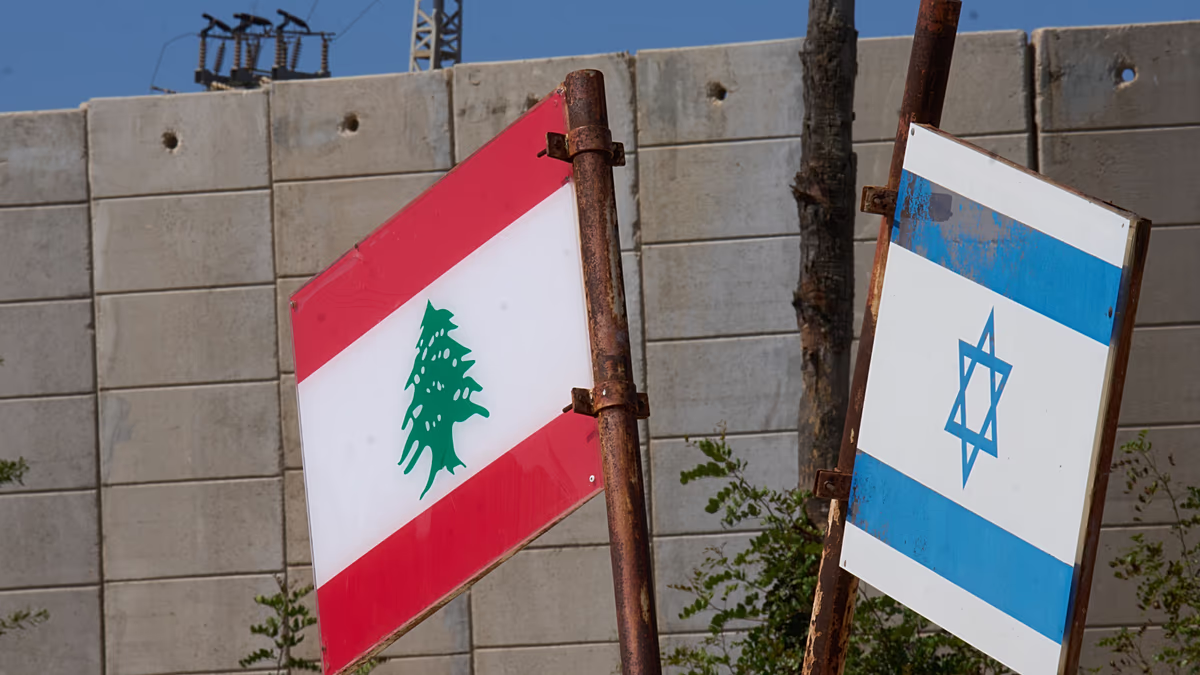
Israeli prime minister Binyamin Netanyahu was quick to praise the framework agreement signed between Israel and Lebanon in Washington over the weekend as a “historic accomplishment” for Israel, but the fierce opposition of Hizbullah raises serious doubts over the ability of the Beirut government to assert its authority and disarm the powerful Shia militia.Israel has occupied a swathe of southern Lebanon in a war with Hizbullah that began on March 2nd, when the militant group opened fire at Israel in solidarity with Tehran after it came under US-Israeli attack.Netanyahu stressed in a televised address that both the US and Lebanon “have recognised Israel’s right to maintain a security zone inside Lebanon for as long as it remains necessary to safeguard our security”.But Hizbullah leader Naim Qassem called the agreement “humiliating, shameful, and a surrender of sovereignty” and warned that it could lead to the Israeli annexation of southern Lebanon. “This agreement is null and void,” he stated.The agreement calls for the phased transfer of operational control to the Lebanese army in areas from where the Israel Defense Forces (IDF) withdraw. Two areas were chosen as part of a joint pilot project, one north and one south of the Litani River, but it is still unclear when the scheme will commence.For the Israeli military the litmus test will be whether the Lebanese Armed Forces will be able to prevent the return of Hizbullah militants to the south, as Lebanese residents, displaced in the recent fighting, return to their homes.In addition to restoring calm along the border, the framework stresses the importance of Lebanese sovereignty and the disarmament of non-state armed groups. In Lebanon, the response to the framework was divided.Pro-government supporters welcomed it as a path to end the country’s perpetual state of war, restoring Lebanese sovereignty and paving the way for reconstruction.In a show of strength, hundreds of Hizbullah supporters took to the streets of Beirut in a motorcycle convoy, prompting the Lebanese army to deploy reinforcements to the capital.Hizbullah MP Hassan Fadlallah warned that the implementation of the agreement could lead to civil war, saying “the resistance will stand against any attempt to harm it” and that it would continue to hold on to its weapons.The previous ceasefire agreements between Israel and Lebanon, signed in April and in November 2024, were partially implemented and eventually collapsed. The key question remains: will the Lebanese government and army be able to impose their authority on the Iranian-backed Hizbullah, without plunging the country into civil war.The weekend agreement followed the memorandum of understanding reached between the US and Iran that called for a ceasefire in Lebanon as well as in the Gulf.The danger of an escalation in Lebanon remains, despite the weekend agreement, and with it the danger of torpedoing the shaky Gulf ceasefire. – Additional reporting: Reuters
Hizbullah’s opposition raises doubts over Israel-Lebanon peace deal
There are serious questions over the ability of the Beirut government to disarm the powerful Shia militia
466 words~2 min read