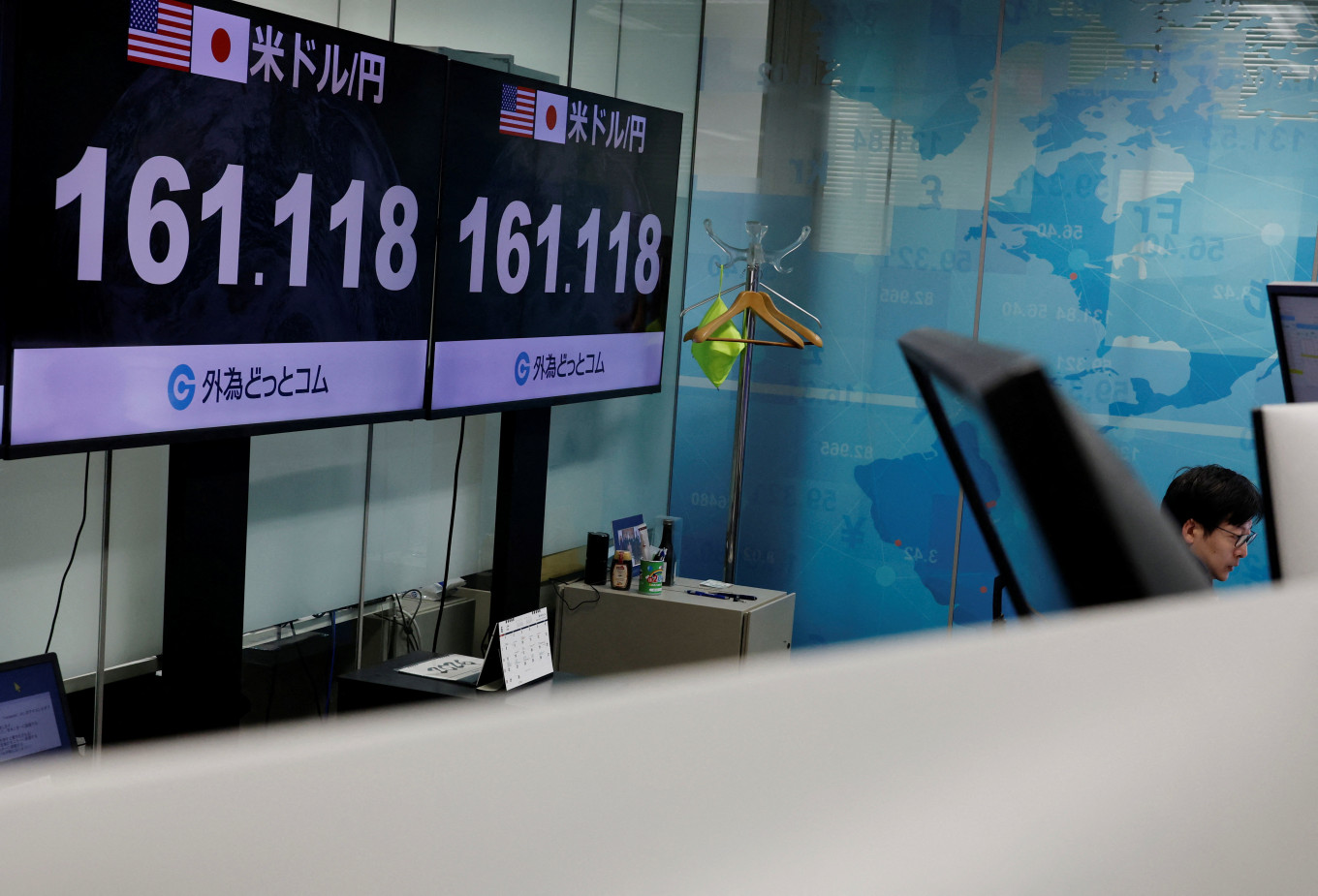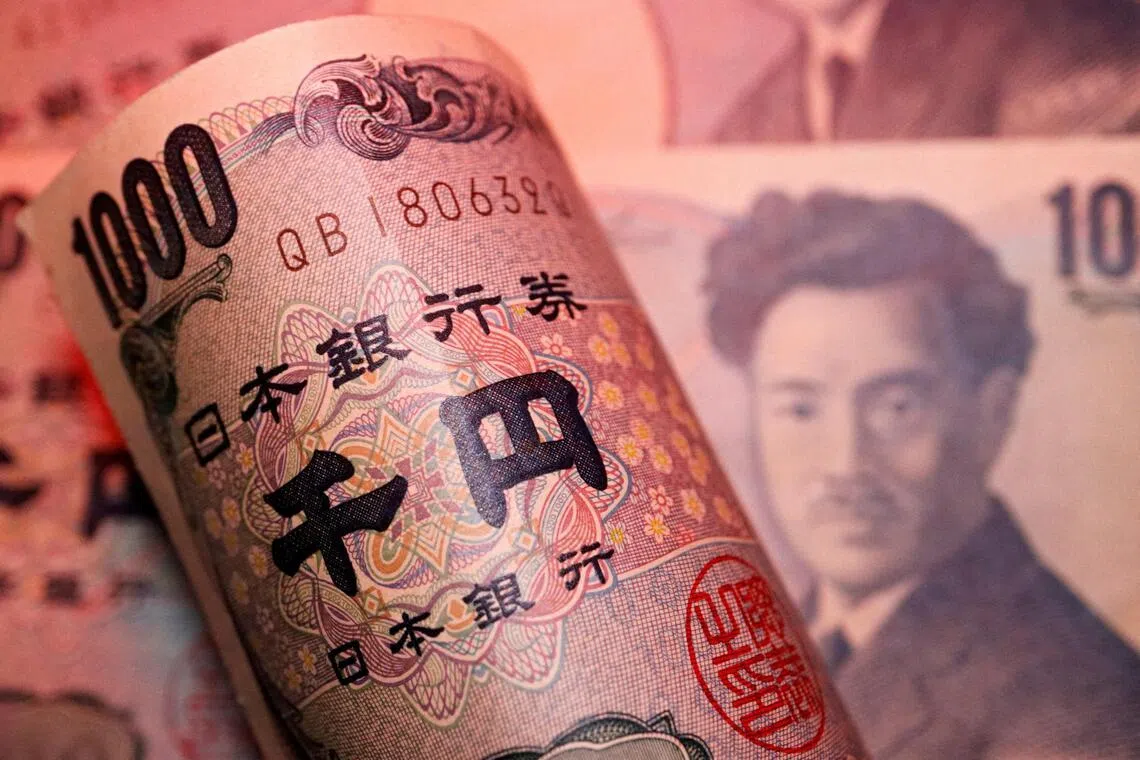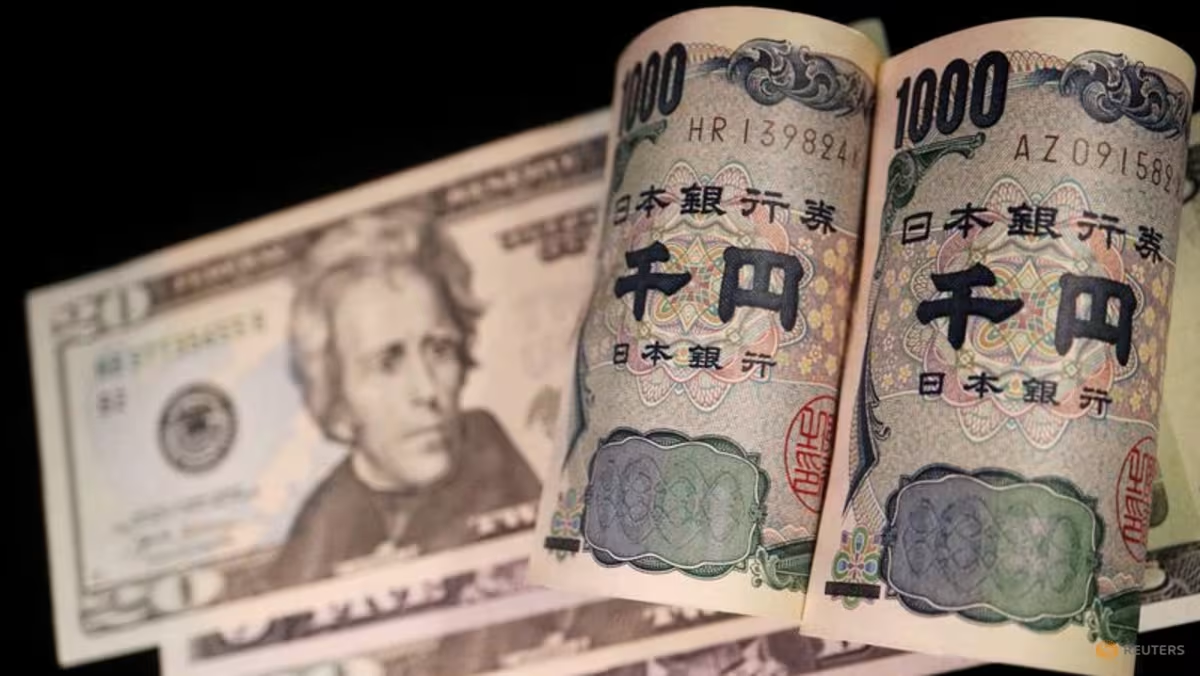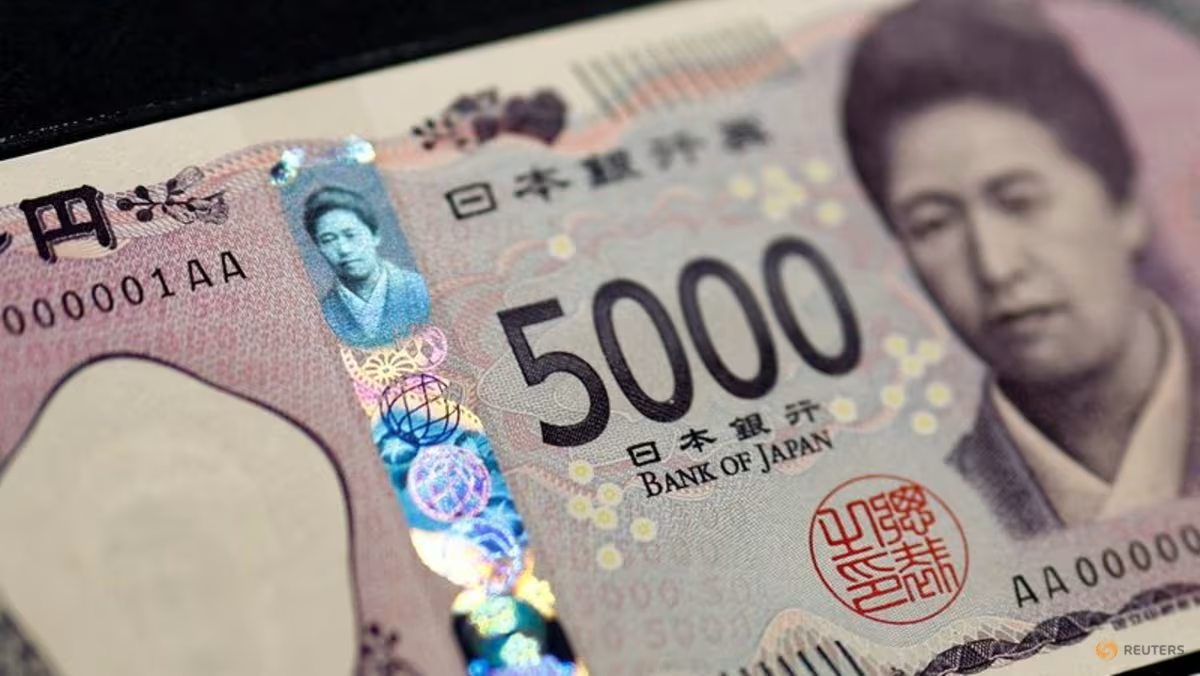
NEW YORK/LONDON, June 30 : The dollar gained on Tuesday and pushed the yen to its lowest levels since 1986, heightening expectations that direct intervention from Tokyo may be near and also putting the euro under pressure.The U.S. dollar climbed to as high as 162.50 yen and was last at 162.42, up 0.3 per cent. Japanese Finance Minister Satsuki Katayama reiterated that authorities were ready to respond appropriately at any time, but refrained from stronger rhetoric."The dollar is the main story at the moment and dollar/yen the key focus," said Lee Hardman, senior currency analyst at MUFG.The dollar has been supported by markets seeing a higher chance of Federal Reserve rate hikes. U.S. inflation is well above target, the economy is growing and policymakers' new quarterly projections show nine out of 19 anticipate a rate hike by year-end.
Katayama's comments "avoided the verbal escalation that often precedes a buying effort, instead reiterating that authorities stand ready to respond at any time," said Karl Schamotta, chief market strategist at Corpay. That said, "we would note that Thursday's non-farm payrolls report and Friday's Independence Day holiday — when US liquidity will thin dramatically — could provide attractive opportunities for wrong-footing speculative short positions," Schamotta said.Most U.S. markets will close on Friday for the Independence Day holiday and foreign exchange trading volumes are expected to be light.Thursday's jobs report for June is the week's main U.S. economic event. Three consecutive months of employment data showing far stronger job gains than expected have reinforced the more hawkish view on Fed policy. Economists polled by Reuters expect the report to show employers added 110,000 jobs during the month, with the unemployment rate holding steady at 4.3 per cent.The dollar index, which measures the U.S. currency against six other units, rose 0.15 per cent to 101.26, set for a 1.4 per cent rise in the quarter after gaining 1.6 per cent in the first three months of 2026.YEN'S FIGHT AGAINST THE TIDE The dollar's strength has been most visible on the Japanese yen. Even with the Bank of Japan's latest rate hike, rates remain far below those in the United States, leaving a wide yield gap that favours the dollar and sustains carry trades, in which investors borrow cheaply in yen and invest in higher-yielding currencies.The greenback is heading for a 2.3 per cent increase against the Japanese currency in the second quarter, its fourth straight quarter of gains and the longest such streak in four years as a wide interest rate gap drags the yen lower. Japanese authorities stepped into the market spending 11.7 trillion yen ($72.25 billion) in April and May to support the currency, but the impact of this has already faded. "We think they'll come in again at some point," said Hardman, "though the move in April and May didn't really reverse the trend so maybe that's made them more reluctant." He also noted that, unlike in April, this time the yen had only really been weakening against the dollar. The euro was last at 185.34 yen, elevated compared with historical levels, but still below its April record high of 187.95. Elsewhere, the euro dipped 0.12 per cent at $1.1407, not far from the one-year low it hit last week. As well as being on the other side of the strong dollar, on Wednesday the currency was also digesting cooler inflation data from France, Italy and major German states. The European Central Bank hiked rates earlier this month, and markets expect it to do so again by year-end, though if inflation slows and the economy struggles there is a chance it may not. Sterling fell 0.15 per cent to $1.3236..