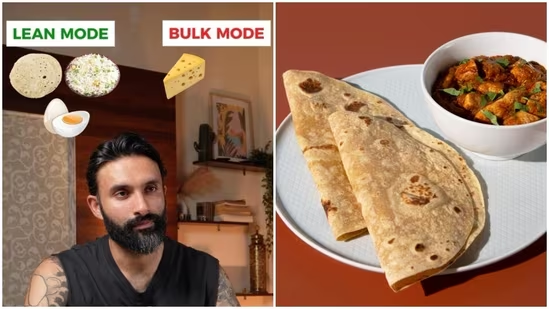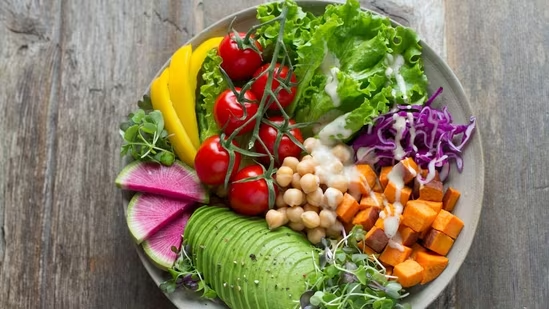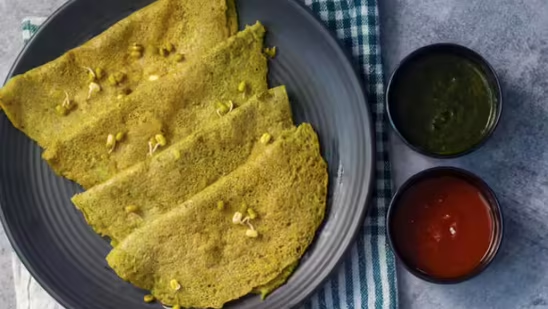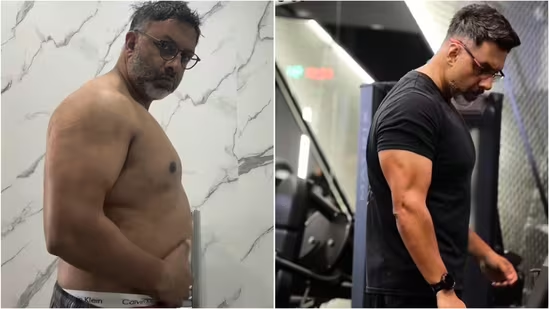
Many people who lose weight often credit one change above all others: giving up rice, chapati, dosa, or other carbohydrate-rich foods. But according to neurologist Dr Sudhir Kumar, a neurologist at Apollo Hospitals, Hyderabad, this popular belief does not tell the full story.ALSO READ: Deadly Powassan virus tick transmits in as little as 15 minutes In a recent post on social media, the Apollo Hospitals specialist explained that weight loss is usually not the result of eliminating a single food. Instead, it happens when a person consistently consumes fewer calories than they burn.ALSO READ: Weather Tomorrow July 1Did giving up rice actually cause the weight loss? Dr Kumar shared the example of a woman who lost 7.5 kgs in 2 months after stopping rice, chapati and dosa. While congratulating her on the achievement, he raised an important question: Did those foods really cause the weight loss? According to him, the answer is often no. People who stop eating rice or chapati usually make several other lifestyle changes at the same time. They may reduce portion sizes, cut down on snacks, avoid fried foods, skip desserts, and become more mindful of what they eat throughout the day. These combined changes create a calorie deficit, which is the main driver of weight loss.— hyderabaddoctor (@hyderabaddoctor) Why rice is not the enemy Rice often gets blamed for weight gain, but Dr Kumar said that the issue is usually quantity rather than the food itself. A cup of cooked rice contains roughly 200 calories. For most people, the problem is not eating one serving of rice but consuming much larger portions along with calorie-dense side dishes, sugary beverages, or desserts. The same principle applies to chapatis. Whole-wheat chapatis can be part of a balanced diet when eaten in appropriate portions. In simple terms, no single food causes obesity. Weight gain occurs when calorie intake regularly exceeds the body's energy needs.The nutrient that can support fat loss If there is one nutrient that deserves extra attention during weight loss, it is protein. Protein helps keep people fuller for longer, reducing the likelihood of overeating. It also supports muscle preservation while losing weight and requires more energy for digestion compared to fats and carbohydrates. Good protein sources include: Eggs Fish Chicken Paneer Curd Milk Dals Soy products Legumes Experts often recommend including a source of protein with every meal.Why vegetables deserve half your plate Vegetables are naturally rich in fibre and water, making them filling without adding too many calories. They also provide essential vitamins and minerals that support overall health. Dr Kumar recommends filling about half of the plate with vegetables. This approach can help manage hunger while keeping calorie intake under control.Watch out for liquid calories Many people focus on food while overlooking what they drink. Fruit juices, soft drinks, sweetened tea, coffee, milkshakes, and alcoholic beverages can add a significant number of calories without creating a feeling of fullness. Eating whole fruits instead of drinking fruit juice is generally a better option for weight management because fibre helps slow digestion and improves satiety.Ultra-processed foods can make weight loss harder Highly processed foods are often designed to be extremely appealing and easy to overeat. Common examples include: Chips Cookies Pastries Sugary breakfast cereals Fast food These foods tend to be high in calories, sugar, salt, and unhealthy fats while offering little fibre. Replacing them with minimally processed, whole foods can make maintaining a healthy weight easier.Healthy fats are important, but portion control matters Healthy fats found in nuts, seeds, peanuts, and olive oil provide important nutrients and can be part of a balanced diet. However, they are calorie-dense. A small handful of nuts can be a nutritious snack, but consuming large amounts mindlessly can quickly increase daily calorie intake.Fat loss is more important than weight loss The number on the weighing scale does not tell the whole story. Losing muscle along with fat can reduce metabolism and affect strength. This is why preserving muscle mass during weight loss is important. Protein intake and strength training play a key role in helping the body lose fat while maintaining muscle.Exercise helps, but diet still matters Many people expect exercise alone to produce dramatic weight loss, but Dr Kumar points out that its greatest benefits often go beyond the scale. Regular physical activity helps: Preserve muscle mass Improve heart health Support blood sugar control Boost mood Help maintain weight loss over time For most people, combining a healthy diet with exercise delivers the best results.Sleep can influence your weight Sleep is often overlooked in discussions about weight management. Research has shown that people who regularly sleep less than six to seven hours may feel hungrier, experience stronger cravings for high-calorie foods, and find it more difficult to stick to healthy eating habits. Good sleep supports better food choices and overall health.Are restrictive diets the answer? Dr Kumar also cautioned against diets that completely eliminate entire food groups. Popular approaches such as keto, carnivore, zero-carb, or strict "no rice" plans may lead to initial weight loss, often because people end up eating fewer calories overall. However, long-term success depends on sustainability. The most effective diet is usually one that can be followed comfortably for years rather than a few weeks.What does a balanced weight-loss plate look like? According to Dr Kumar, an evidence-based meal plate can be simple: Half the plate: Vegetables One-quarter: Protein-rich foods One-quarter: Rice, chapati, whole grains, or millets Add a small amount of healthy fats, include fruit, and stay hydrated with water.Disclaimer: This article is based on a user-generated post on X. ET.com has not independently verified the claims made in the post and does not vouch for their accuracy. The views expressed are those of the individual and do not necessarily reflect the views of ET.com. Reader discretion is advised.
Woman loses 7.5 kg in 2 months after giving up rice, chapati and dosa; Apollo neurologist debunks carb myth, explains what really drives fat loss
Weight loss isn't solely about ditching rice or chapatis, according to neurologist Dr. Sudhir Kumar. True weight loss stems from a consistent calorie deficit, achieved through a combination of reduced portions, mindful eating, and avoiding processed foods. Prioritizing protein, filling half your plate with vegetables, and watching liquid calories are key. Fat loss, not just weight loss, is crucial, supported by protein and strength training.
967 words~4 min read